Blog6/19/2026
Essential Tips for Senior Pet Mobility: Safe, Gentle Moves
6 mins Read
The Briefing
Quick takeaways for the curious
Mobility decline in aging pets is driven by thinning cartilage, less viscous joint fluid, sarcopenia, and reduced proprioception, making proactive management essential.
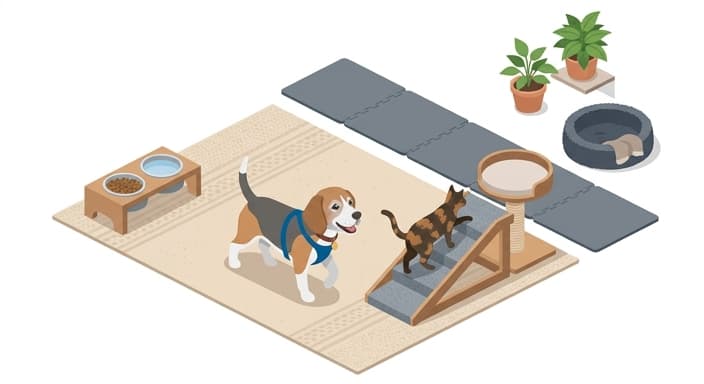
A senior-friendly home with non-slip surfaces, rugs, and accessible features reduces energy expenditure and the risk of slips and falls.
Regular, low-impact movement—rather than total inactivity—helps maintain joint lubrication and muscle support while minimizing joint damage.
Hydrotherapy and soft-surface exercises are especially helpful for dogs, while gentle floor-based play and enrichment support cats' mobility.
Early veterinary involvement when mobility changes occur ensures personalized treatment plans for pain, arthritis, and other conditions.
The slow, rhythmic wag of a tail or a soft sigh of contentment remains the same, even as the years turn a muzzle white and transform a sprightly trot into a measured, thoughtful gait. As a veterinarian consultant here at MofuDaily, I often remind pet parents that "slowing down" is not an inevitable decline to be passively accepted, but a shift in lifestyle that requires our active, informed, and compassionate intervention to preserve our companions' quality of life.
The Biomechanics of Aging: Why Mobility Declines
To support our pets effectively, we must first look at the mechanics of the aging musculoskeletal system. Mobility is a complex interplay between bones, joints, muscles, and the nervous system. As pets age, their articular cartilage—the smooth "shock absorber" at the ends of bones—gradually thins. Simultaneously, the synovial fluid that lubricates these joints becomes less viscous, leading to increased friction.
Beyond the joints, we see a phenomenon known as sarcopenia, or the age-related loss of muscle mass. When muscles weaken, they can no longer provide adequate support to the joints, causing the pet to compensate by shifting their weight, which leads to secondary musculoskeletal issues. Furthermore, proprioception—a pet’s internal sense of where their limbs are in space—often diminishes. This is why you might notice your senior pet looking at their paws more carefully before stepping off a curb or hesitating on slippery surfaces. Understanding these changes allows us to move away from frustration and toward empathy, creating an environment that compensates for these physical shifts.
Creating a Home Environment for Safety and Ease
Modifying the home is one of the most immediate and impactful ways to improve your senior pet’s quality of life. For an aging dog or cat, a simple hardwood floor can become a treacherous ice rink, while a standard sofa can transform into an insurmountable mountain. The goal of "senior-proofing" is to minimize the energy expenditure required for daily navigation.
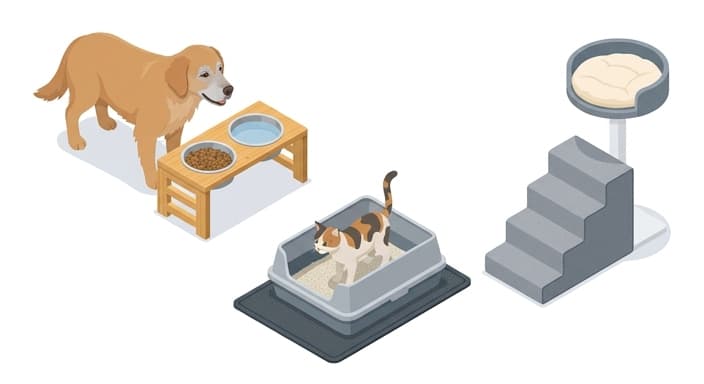
Start with traction. Use yoga mats, area rugs, or rubber-backed runners to create "highways" across slick surfaces like tile or hardwood. This provides the grip necessary for your pet to stand up from a lying position without slipping, which is a major confidence booster for dogs with hip or stifle weakness. For cats, consider providing low-sided litter boxes to eliminate the need for high-step entries, and ensure that their favorite perches are accessible via carpeted pet stairs or ramps. Elevating food and water bowls can also reduce the strain on the neck and shoulders, allowing your pet to eat in a more natural, comfortable standing position.
The Power of Low-Impact Movement
There is a common misconception that senior pets should be kept strictly sedentary to "save" their joints. In reality, total inactivity is the enemy of joint health. Motion is lotion; regular, low-impact movement keeps the synovial fluid circulating and helps maintain the muscle mass that protects the joints. The key is to replace high-impact, explosive activities—like chasing a frisbee or jumping for a ball—with controlled, steady movement.
For dogs, short, frequent walks on soft surfaces like grass or dirt are far superior to long, sporadic weekend hikes. Swimming or hydrotherapy is the gold standard for senior pets because the buoyancy of water eliminates gravity, allowing for full range-of-motion exercise without the jarring impact of walking on pavement. For our feline friends, encourage movement through gentle, floor-based play—using a feather wand to encourage them to reach or pounce while remaining in a stable, prone position. Always monitor for signs of fatigue or increased stiffness the day after exercise; if you see those signs, dial back the duration while maintaining the frequency.
Clinical Support: When to Seek Veterinary Intervention
While environmental changes and exercise management are vital, they are often most effective when paired with professional clinical support. As a veterinarian, I look for "pain markers" that owners might miss: a reluctance to climb stairs, a change in personality, or even a subtle shift in the way a pet carries their tail. Pain in senior pets is often silent, manifesting as withdrawal rather than vocalization.
We have a robust toolkit available today to manage mobility issues. Non-steroidal anti-inflammatory drugs (NSAIDs) specifically formulated for pets can provide significant relief, but they require regular blood monitoring. Beyond pharmaceuticals, regenerative medicine—such as platelet-rich plasma (PRP) therapy or monoclonal antibody injections—is changing the landscape of osteoarthritis management. Furthermore, acupuncture and cold laser therapy have proven remarkably effective at reducing local inflammation and improving nerve conduction in pets with degenerative myelopathy or chronic back pain. Never assume that "this is just old age." If your pet is struggling, there is almost always a way to improve their comfort levels significantly.

The Vital Role of Weight Management
If there is one single factor that dictates the longevity and mobility of a senior pet, it is body condition. Excess weight is not just a cosmetic issue; it is a metabolic furnace that drives systemic inflammation. Every extra pound of body weight acts as a massive multiplier on the pressure exerted on the knees, hips, and spine.
I encourage my clients to move beyond the bathroom scale and focus on the "Body Condition Score" (BCS). You should be able to easily feel your pet’s ribs without excess padding, and they should have a visible waist when viewed from above. If your senior pet is overweight, do not simply cut their kibble, as this may lead to nutrient deficiencies. Instead, consult your veterinarian about a metabolic-support diet that is high in protein to preserve muscle mass while being lower in calories. By keeping your pet at an ideal weight, you are effectively "unloading" their joints, which can provide more relief than some medications alone.
Nurturing the Mind-Body Connection
Finally, remember that mobility is deeply tied to confidence. A pet that feels physically insecure will become anxious, and an anxious pet will move with more tension, exacerbating their physical issues. Our role is to be their advocate and their support system. When you help your dog onto the bed, you are doing more than just moving their weight—you are maintaining their access to their favorite social space. When you provide a heating pad for a stiff cat, you are providing the soothing warmth that eases the aches of a long life well-lived.
The transition into seniorhood is a testament to the years of love and companionship you have shared. By being proactive, observing the subtle changes in their movement, and advocating for their comfort through environment, exercise, and clinical care, you are honoring that bond. Your senior pet may not be able to run as fast as they once did, but with the right support, they can continue to navigate their world with dignity, comfort, and the same joyful spirit that has defined them throughout their life.
Common Questions
🤔
Frequently Asked Questions
What are the telltale signs that my senior pet's mobility needs attention?▼
Common signs include slower rising, stiffness after rest, and a new limp or favoring a limb. You may also notice a change in gait, difficulty navigating slick floors, or reduced willingness to jump or climb. If these signs persist for more than a few days or are accompanied by pain, swelling, or behavioral changes, schedule a veterinary evaluation. A veterinarian can help differentiate arthritis from other issues and tailor an exercise or treatment plan to your pet.
How can I modify my home to support a senior pet's mobility?▼
Start with traction: place area rugs or non-slip mats on slick floors and use rubber-backed runners to create stable paths. Use ramps or low steps for accessing sofas, beds, and cars, and consider elevating food and water bowls to reduce neck and shoulder strain. For cats, provide low-entry litter boxes and carpeted ramps to favorite perches. Keep clutter, stairs, and water hazards minimized to prevent slips.
What types of exercise are best for senior dogs and cats?▼
Dogs benefit from short, frequent walks on soft surfaces and low-impact activities such as swimming or hydrotherapy. Cats typically respond well to gentle floor-based play that encourages reaching or pouncing with stable support. Always watch for fatigue or increased stiffness after activity and adjust duration while maintaining consistent frequency.
When should I seek veterinary intervention for mobility concerns?▼
Seek veterinary intervention if mobility changes persist beyond a short adjustment period, worsen over time, or are accompanied by pain, swelling, or reluctance to bear weight. A vet can help determine whether arthritis, an orthopedic injury, or another condition is involved and tailor a treatment plan. Early management can include medications, joint supplements, physical therapy, and targeted exercise modifications. Regular check-ins help track progress and adjust the plan as your pet ages.