Blog6/18/2026
Proactive Joint Care for Aging Pets: Nutrition & Exercise
6 mins Read
The Briefing
Quick takeaways for the curious
Proactive joint care focuses on preserving cartilage and reducing chronic systemic inflammation before mobility declines.
Shifting from reactive pain management to prevention can extend the period our aging pets stay active and engaged.
Joint health is a systemic issue; inflamm-aging accelerates degradation and should be addressed alongside localized care.
Nutrition is foundational, with omega-3 fatty acids, glucosamine/chondroitin, and targeted antioxidants forming a sustained defense.
Controlled, low-impact exercise preserves muscle strength and joint stability, while avoiding high-impact stress.
Watching your loyal companion transition into their senior years is a bittersweet experience; while their muzzle may grey and their pace may slow, their bond with you only deepens. As a veterinarian consultant here at MofuDaily, I believe that the "slowing down" phase of life is not a signal to step back, but a call to step up with a proactive, precision-based approach to joint health.
Joint health in aging pets is not merely about managing pain after it appears; it is about preserving the structural integrity of cartilage and mitigating systemic inflammation before it restricts your pet’s mobility. By shifting our mindset from reactive treatments to a strategy of proactive joint preservation, we can significantly extend the period of time our pets remain active, comfortable, and engaged in the daily rituals they love most.
The Biology of Aging Joints: Understanding the Wear and Tear
To manage joint health effectively, we must first understand what is happening beneath the fur. Over time, the constant friction within a joint—combined with the natural oxidative stress of aging—leads to a gradual degradation of articular cartilage. Unlike skin or muscle, cartilage has an incredibly limited capacity to repair itself. Once the smooth, cushioning layer is worn away, the underlying bone is exposed, resulting in the bone-on-bone friction we recognize as osteoarthritis.
In senior pets, this process is often exacerbated by "low-grade systemic inflammation," sometimes referred to as "inflamm-aging." This is a chronic, sub-clinical inflammatory state that degrades joint tissues faster than the body can synthesize new components. Recognizing that joint health is a systemic issue—not just a localized problem in the hip or knee—is the first step toward effective intervention. Our goal is to provide the body with the building blocks it needs to slow this degradation and support the synovial fluid that lubricates every movement.
Targeted Nutrition: The Foundation of Joint Integrity
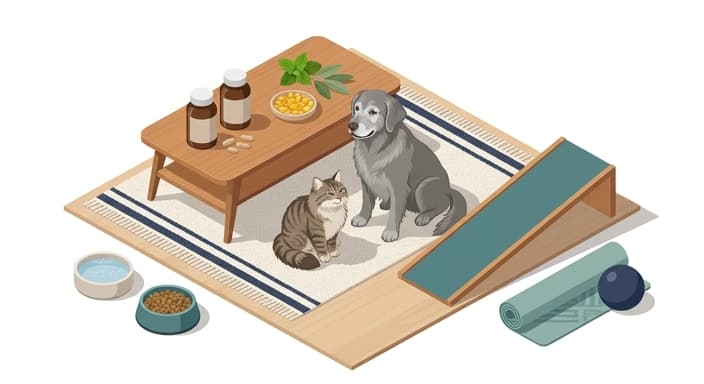
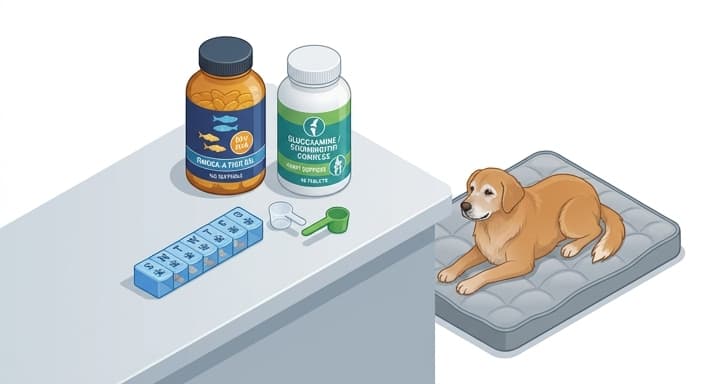
The most powerful tool in your proactive joint care kit is the food bowl. We are entering an era of "nutraceutical intervention," where specific dietary inclusions act as the primary defense against joint decline. When selecting a diet or a supplement regimen for a senior pet, I always prioritize three key pillars: Omega-3 fatty acids, glucosamine/chondroitin, and specialized antioxidants.
Omega-3 fatty acids, specifically EPA and DHA derived from marine sources, are the gold standard for reducing inflammation. Unlike temporary pain relief medications, high-dose Omega-3s work at a cellular level to inhibit the enzymes that break down cartilage. Furthermore, the inclusion of glucosamine and chondroitin sulfate provides the raw materials necessary for the maintenance of the joint matrix. It is important to note that these are cumulative; they work best when administered consistently over time, rather than sporadically when a pet seems "stiff."
The Role of Physical Maintenance and Controlled Exercise
Many pet parents make the mistake of reducing a senior pet’s activity to zero in an effort to "protect" their joints. In reality, inactivity is one of the fastest ways to accelerate joint decline. Muscle mass acts as a shock absorber for the skeletal system; when muscles atrophy, the burden of every step is transferred directly to the joints.
Proactive care involves "controlled, low-impact exercise." Think of this as physical therapy for the home. Short, frequent walks on soft surfaces—like grass or sand—are far superior to long, weekend hikes on concrete. For dogs, hydrotherapy or simple leash-walking exercises help maintain core strength and stability without the high-impact stress of jumping or sharp turns. For our feline friends, encouraging gentle movement through vertical space modifications—like adding ramps or pet stairs—ensures they can reach their favorite resting spots without putting undue strain on their aging hips.
Clinical Diagnostics: Seeing Beyond the Limp
One of the most common misconceptions I hear in the clinic is, "He’s just old; he’s not in pain because he isn’t limping." This is a dangerous myth. Animals are masters of masking pain, an evolutionary trait designed to prevent them from appearing vulnerable to predators. By the time a pet has a noticeable limp, the damage to the joint is often advanced.
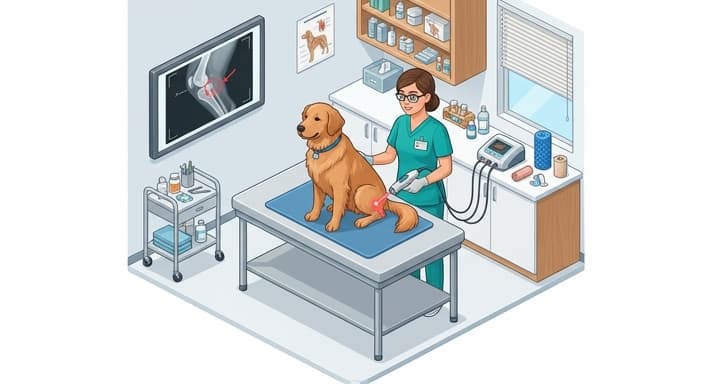
This is why regular veterinary diagnostics are non-negotiable. Annual or bi-annual geriatric blood panels and physical exams allow us to catch early warning signs. We look for subtle changes in range of motion, muscle symmetry, and even weight distribution. Digital radiography can reveal the early stages of arthritis, allowing us to pivot our strategy long before the pet is suffering. When we detect these markers early, we can introduce multimodal management strategies—such as laser therapy, acupuncture, or targeted supplements—that keep the pet mobile for years longer than if we had waited for the symptoms to become obvious.
Environmental Optimization: Small Changes for Big Comfort
Beyond diet and clinical care, your home environment is a critical component of joint preservation. Think of your living space through the eyes of a pet with limited mobility. The goal is to minimize repetitive stress and reduce the likelihood of slips or falls that could cause acute injury to already compromised joints.
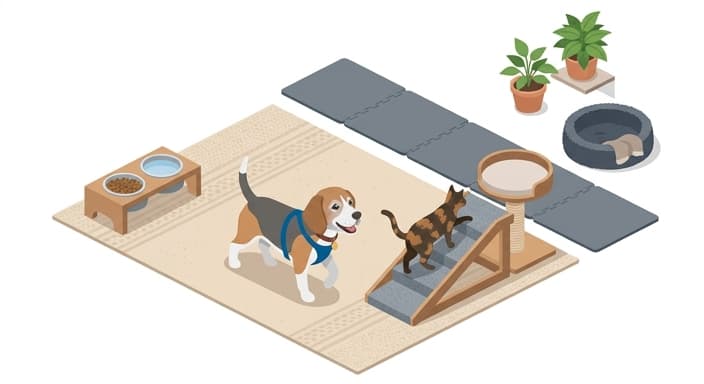
Start with the floor. Hardwood and tile surfaces can be treacherous for an aging pet, acting like an ice rink. Placing yoga mats, non-slip rugs, or rubberized runners in high-traffic areas provides the traction needed for your pet to stand and move with confidence. Next, evaluate your pet’s furniture. If your cat loves the windowsill but struggles to jump, a small set of steps can bridge the gap. For dogs, consider raised feeders to reduce the neck and shoulder strain associated with reaching down to the floor. These small, environmental modifications significantly reduce the "micro-traumas" that occur during daily life, allowing your pet to conserve their physical energy for what matters most: spending time with you.
The Holistic Partnership for Longevity
Proactive joint care is a testament to the depth of the bond between a pet and their human. It requires us to pay attention to the subtle cues—the hesitation before a jump, the slightly slower gait, the way they shift their weight while standing. By integrating high-quality nutrition, appropriate physical activity, regular clinical monitoring, and a supportive home environment, we aren't just extending our pets' lives—we are vastly improving the quality of those years.
As your partner in this journey, I encourage you to view these changes not as a list of chores, but as an act of love. Your pet has spent their life being a constant, silent supporter in your world. Now, as they navigate their golden years, you have the opportunity to be their architect of comfort. Stay proactive, stay observant, and continue to prioritize their mobility, for every step they take with ease is a step toward more memories together.
Common Questions
🤔
Frequently Asked Questions
What does proactive joint care mean for aging pets?▼
Proactive joint care means focusing on preserving cartilage and reducing chronic inflammation before mobility is affected. It shifts the goal from waiting for pain to appear to slowing decline through nutrition, activity, and targeted interventions. This approach helps pets stay active and comfortable longer, preserving the daily rituals they love. It requires collaboration with a veterinarian to tailor plans to each pet's needs.
Which nutrients and dietary strategies are most effective?▼
Omega-3 fatty acids EPA and DHA help reduce joint inflammation at the cellular level. Glucosamine and chondroitin provide building blocks for the joint matrix. These components work best when given consistently over time rather than sporadically. A veterinarian can help choose a diet or supplement plan tailored to your pet's age, health, and lifestyle.
Why is inactivity harmful, and how should exercise be structured?▼
Inactivity accelerates joint decline because muscles lose strength and fail to cushion the joints. Controlled, low-impact exercise is key to maintaining mobility without overloading aging joints. Short, frequent walks on soft surfaces are preferred over long high-impact sessions. Hydrotherapy or gentle mobility work can support core strength for dogs, while cats benefit from ramps and vertical access to resting areas.
How do veterinarians assess joint health and guide a proactive plan?▼
Vets assess joint health through physical exams and, when appropriate, imaging to detect cartilage wear before severe symptoms. They also evaluate systemic factors such as chronic inflammation that can accelerate joint degradation. From this assessment, they design a personalized plan that combines nutrition, supplements, physical activity, and, if needed, medical management. Regular follow-ups allow the plan to be adjusted as the pet ages.