Blog6/17/2026
Personalized Nutrition Plans for Senior Pets A VetGuided Approach
6 mins Read

The Briefing
Quick takeaways for the curious
Senior pets require a shift from one-size-fits-all feeding to personalized, science-backed nutrition plans that align with their unique medical histories.
Metabolic optimization means adjusting protein quality, digestibility, and fiber to support muscle mass, gut health, and immune function rather than simply cutting calories.
Diagnostics such as CBC, serum chemistry, and urinalysis, along with body condition scoring and muscle condition scoring, anchor a bespoke plan and reveal issues such as chronic kidney disease or cognitive decline.
Beyond macros, micronutrients and targeted supplements—such as omega 3 fatty acids, antioxidants, and joint or brain-supporting ingredients—play a central role in longevity.
A truly personalized plan translates veterinary data into meals that act as targeted interventions for joints, cognition, digestion, and overall vitality.
The golden years of a pet’s life are not merely a time for slowing down; they are a profound period of physiological transition that demands a shift from "maintenance" to "precision" care. As a veterinarian consultant for MofuDaily, I see firsthand that the nutritional needs of a senior dog or cat are as unique as their individual medical histories, requiring a departure from one-size-fits-all kibble toward highly personalized, science-backed dietary strategies.
We are moving away from the outdated notion that senior pets simply need "less food" to avoid obesity, and toward a nuanced understanding of "metabolic optimization." Aging is a complex process characterized by changes in digestive efficiency, muscle mass maintenance, and the inflammatory markers that drive chronic diseases like arthritis and cognitive decline. By integrating clinical diagnostics—such as blood panels and body condition scoring—with personalized nutrition, we can empower pet parents to serve as the architects of their pets’ longevity, ensuring that every meal serves as a targeted intervention for health and vitality.
The Metabolic Shift: Why Senior Nutrition is Different
When a pet reaches their "senior" milestone—typically around age seven, depending on breed and size—their metabolism undergoes a quiet but significant transformation. The ability to digest and absorb nutrients often declines, and the body’s requirement for high-quality, bioavailable proteins becomes paramount. Many commercial senior diets make the mistake of simply reducing calories, which can lead to sarcopenia—the age-related loss of muscle mass that contributes to frailty and reduced mobility.
In my practice, I emphasize the "protein paradox": while we must manage caloric intake to prevent the strain of excess weight on aging joints, we must simultaneously increase the quality of the protein provided. High-quality amino acids are the building blocks required to support immune function and maintain lean muscle. Furthermore, aging digestive tracts often benefit from increased levels of soluble fiber and specific prebiotics to nourish the gut microbiome, which acts as the command center for the entire immune system.
Assessing the Individual: Diagnostics Before Diet
Before changing a senior pet’s diet, we must look under the hood. A personalized nutrition plan is only as good as the clinical data driving it. I always recommend a "Senior Wellness Screen," which includes a complete blood count (CBC), a full serum chemistry panel, and a urinalysis. These tests allow us to establish a baseline for kidney function, liver health, and endocrine balance.
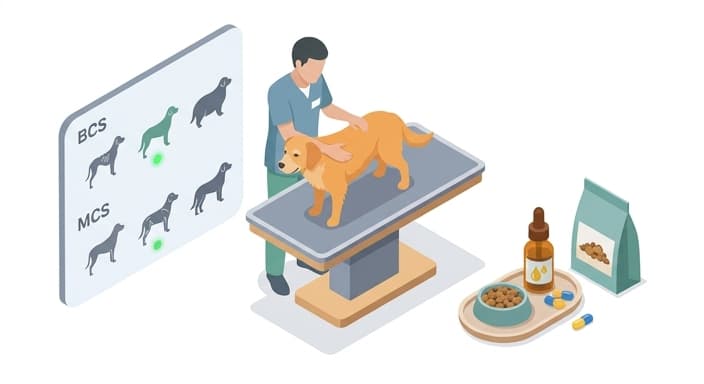
For instance, a pet with early-stage chronic kidney disease (CKD) requires a diet with restricted, high-quality phosphorus and specific protein levels to minimize workload on the kidneys. Conversely, a pet struggling with cognitive dysfunction may benefit from a diet rich in medium-chain triglycerides (MCTs) and antioxidants like Vitamin E and C to support brain health. By using body condition scoring (BCS) and muscle condition scoring (MCS), we can objectively determine if your pet needs weight management or muscle building, allowing us to pivot from generic guidelines to a bespoke meal plan.
The Role of Micronutrients and Functional Supplements
Once we have addressed the macronutrient profile—the balance of proteins, fats, and carbohydrates—we must turn our attention to the "micros" that act as the fuel for longevity. Inflammation is the silent culprit behind most age-related diseases. Incorporating potent, evidence-based anti-inflammatories into the diet is one of the most effective ways to improve a senior pet’s quality of life.
Omega-3 fatty acids, specifically EPA and DHA sourced from cold-water fish oil, are non-negotiable for the senior pet. They serve as natural anti-inflammatories that soothe arthritic joints and support cognitive function. I also frequently recommend glucosamine, chondroitin, and green-lipped mussel extract for joint support, and probiotics to stabilize the gut-brain axis. However, the key here is bioavailability. Not all supplements are created equal, and it is vital to source high-quality, third-party tested products that ensure your pet is actually absorbing these nutrients rather than simply passing them through their system.
Managing Appetite and Palatability Challenges
It is a common scenario in my clinic: a senior pet becomes "picky." While we often attribute this to a change in temperament, it is frequently a physiological response. As pets age, their sense of smell and taste may dull, and dental pain—often caused by periodontal disease—can make chewing hard kibble a painful chore. When a pet stops eating, they lose the very fuel they need to maintain their strength.
To combat this, I suggest several "nutrition hacks" that make meals more accessible and enticing. Warming food slightly can release aromatics that trigger the appetite. If dental pain is a concern, transitioning to a high-quality wet food or hydrating dry kibble with a warm, low-sodium bone broth can make a world of difference. For pets with sensory decline, adding a small amount of pungent, healthy toppers—like a sprinkle of nutritional yeast or a spoonful of plain, unsweetened pumpkin puree—can reignite their interest in the bowl. Always remember to monitor their intake closely; sudden changes in appetite in a senior pet should always prompt a call to your veterinarian, as it can be the first sign of an underlying systemic issue.

Hydration and the Importance of Water Quality
Often overlooked in the discussion of nutrition is the vital role of hydration. Senior pets are notoriously prone to dehydration, often because their thirst drive diminishes as they age. Chronic, low-level dehydration puts significant stress on the kidneys and can exacerbate constipation and joint stiffness.
Beyond providing clean, fresh water in multiple locations throughout the home, we can use the diet to boost hydration. Feeding wet food, or incorporating water directly into dry food, ensures that your pet is consuming fluid with every meal. If your pet has a medical condition that requires increased water intake, such as diabetes or renal insufficiency, I recommend investing in a pet water fountain; the moving water is often more attractive to cats and dogs alike, encouraging more frequent sipping. Remember, hydration is the medium through which all metabolic processes occur; keeping your senior pet well-hydrated is just as important as the quality of the food they eat.
A Partnership for Longevity: The Vet-Owner Dynamic
The transition to a personalized nutrition plan is not a "set it and forget it" task. As your pet ages, their needs will shift rapidly. A diet that works perfectly for your dog at age ten may need to be adjusted at age twelve as their activity levels drop or a new health condition emerges. This is why I advocate for semi-annual wellness exams for senior pets.
Think of your veterinarian not just as a doctor for when things go wrong, but as a partner in your pet’s nutritional success. Bring your labels, show us your supplements, and be honest about the treats you are feeding—those "small" daily snacks can significantly alter the nutrient balance of a carefully crafted diet. By working together, we can monitor your pet's body condition and energy levels, adjusting their nutritional plan to ensure they spend their golden years feeling vibrant, comfortable, and deeply loved.
Nutrition is the most powerful tool we have for influencing the health span of our companions. By moving away from generic, one-size-fits-all feeding and toward a model of personalized, proactive nourishment, we do more than just feed our pets—we provide them with the foundational support they need to thrive. Whether it is optimizing protein ratios, managing inflammation through targeted supplementation, or simply ensuring their environment supports healthy hydration, every small adjustment ripples outward to create a life of vitality. Your pet has given you their best years; with precision nutrition, you are giving them the best possible version of their golden ones.
Common Questions
🤔
Frequently Asked Questions
Why is senior nutrition more than simply feeding less?▼
Aging pets experience changes in digestion, muscle mass, and inflammatory processes, so simply reducing calories can lead to sarcopenia. The focus should be on high-quality, bioavailable protein and a balanced energy plan that supports metabolic optimization. The goal is meals that sustain lean muscle, joints, and vitality rather than calorie restriction alone.
What diagnostics should guide a dietary plan for a senior pet?▼
A comprehensive approach starts with a senior wellness screen, including a complete blood count, a full serum chemistry panel, and a urinalysis to establish baseline kidney and liver health. Body condition scoring and muscle condition scoring help determine if weight management or muscle building is needed. The results may reveal conditions such as early kidney disease or cognitive concerns that steer dietary choices like phosphorus management or brain-healthy nutrients.
How do macronutrients and protein quality influence senior pets?▼
Digestive efficiency often declines with age, making high-quality protein more important for immune function and lean muscle. We balance calories to prevent obesity while boosting essential amino acids, supporting metabolism and tissue maintenance. Increased soluble fiber and prebiotics can also support a healthy gut microbiome, which influences overall health.
Which micronutrients or supplements are particularly important for aging pets?▼
Omega-3 fatty acids EPA and DHA from cold-water fish oil act as natural anti-inflammatories and support joints and brain health. Antioxidants like vitamins E and C can help combat oxidative stress, while supplements like glucosamine and chondroitin aid joint function. Prebiotics and soluble fiber further nourish the gut microbiome, a central hub of immune and overall health.