Blog6/20/2026
Benefits of Probiotics for Senior Cats: Improved Gut Health
5 mins Read
The Briefing
Quick takeaways for the curious
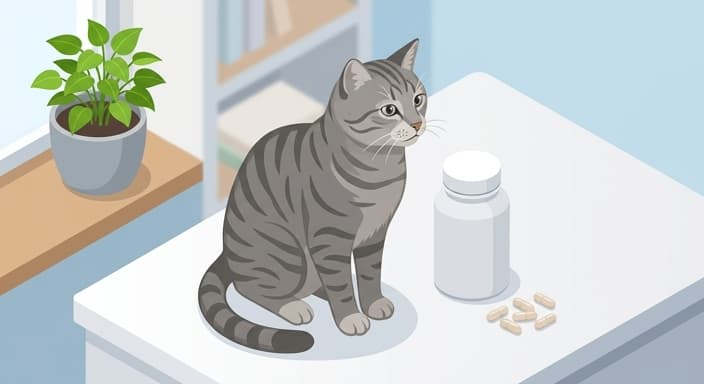
In aging cats, gut microbiome diversity often declines, and targeted probiotic supplementation can help restore balance and improve nutrient absorption, mitigating intermittent constipation, weight loss, and sensitive stomachs.
The senior cat gut barrier can become leaky, but probiotics help reinforce it and reduce the immune stress caused by toxins entering the bloodstream.
Probiotics support gut health by increasing beneficial bacteria such as Lactobacillus and Bifidobacterium, producing short-chain fatty acids, and lowering gut pH to deter opportunistic pathogens.
Because roughly 70% of a cat's immune system resides in the gut, maintaining a healthy gut ecosystem is one of the most effective ways to bolster immunity in old age.
Not all probiotics are created equal; choose a high-quality, veterinary-grade product specifically formulated for senior cats and be wary of marketing-driven hype.
Watching a senior cat curl up in a sunbeam, you might notice that their rhythmic purr is just as comforting as it was when they were a kitten, even if their pace has slowed down. As a veterinarian consultant here at MofuDaily, I often tell my clients that aging is not a disease to be cured, but a life stage to be supported with wisdom, patience, and a proactive approach to gut health.
The Aging Feline Gut: Why Senior Cats Need Extra Support
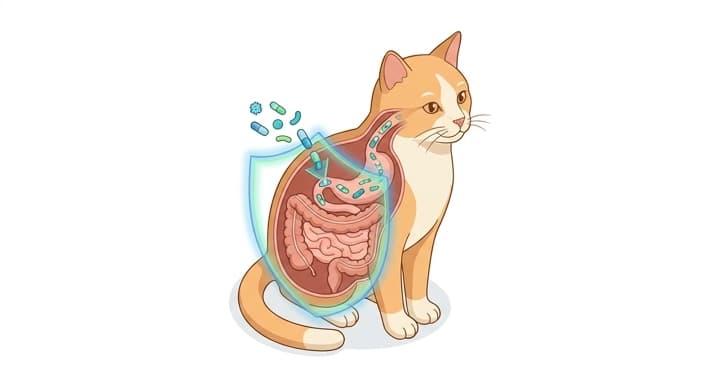
As our feline companions enter their golden years—typically around age 10 and beyond—their bodies undergo subtle, complex shifts that impact how they process nutrients. One of the most significant changes occurs within the gastrointestinal (GI) tract. The senior feline microbiome often experiences a decline in microbial diversity, a phenomenon that can lead to chronic inflammation, reduced nutrient absorption, and an overall weakened immune response.
In a younger cat, the gut is a resilient, bustling metropolis of beneficial bacteria. By the time a cat is a senior, this population can become less efficient at policing the gut lining. This "leaky" or less efficient barrier can allow toxins to enter the bloodstream, forcing the cat’s immune system to work overtime. By introducing targeted probiotics, we aren't just helping them digest their dinner; we are essentially providing reinforcements to an aging defense system. This helps mitigate the common senior issues of intermittent constipation, unexplained weight loss, and the flare-ups of sensitive stomachs that so many owners mistake for a "normal" part of growing old.
The Science of Probiotics: Rebuilding the Microbiome
Probiotics are live microorganisms that, when administered in adequate amounts, confer health benefits on the host. For senior cats, the primary goal of probiotic supplementation is to restore the balance of the gut flora, specifically by increasing the presence of beneficial bacteria like Lactobacillus and Bifidobacterium species.
When these beneficial microbes take up residence, they perform a few critical "jobs" for the senior cat. First, they produce short-chain fatty acids (SCFAs), which act as a vital energy source for the cells lining the colon, keeping the intestinal wall strong and intact. Second, they lower the pH of the gut, creating a hostile environment for opportunistic pathogens like Salmonella or E. coli. Finally, because nearly 70% of a cat’s immune system is located in their gut, supporting this ecosystem is one of the most effective ways to bolster their natural immunity against the inevitable stressors of old age.
Recognizing the Signs of Digestive Imbalance
Many cat parents are so accustomed to their senior cat’s "little quirks"—like the occasional hairball or soft stool—that they fail to realize these are often symptoms of an imbalanced microbiome. Unlike a kitten, who might bounce back from an upset stomach within hours, a senior cat’s system is less forgiving.
Keep an eye out for these subtle indicators that your cat might benefit from a probiotic regimen:
- Persistent Pickiness: If your cat has suddenly become "finicky," it may be because their gut is causing them mild, chronic discomfort.
- Changes in Stool Quality: Any deviation from their normal, firm stool—whether it be frequent soft stools or occasional constipation—is a red flag.
- Dull Coat or Skin Issues: Poor nutrient absorption due to a compromised gut often shows up first in the skin and fur.
- Low Energy Levels: While some slowing down is expected, lethargy that seems disproportionate to their age can sometimes be linked to systemic inflammation caused by gut dysbiosis.
Choosing the Right Probiotic: Quality Matters
Not all probiotics are created equal, and as a vet, I urge you to look past the marketing hype on the back of store-bought treats. For a senior cat, you need a high-quality, veterinary-grade supplement. The most effective products are those specifically formulated for feline physiology, meaning they are designed to survive the cat’s stomach acid to reach the intestines where they are needed most.
When shopping, look for "multi-strain" formulas. A single strain can be effective, but a diverse blend mimics the natural variety of a healthy gut. Additionally, check for a "guaranteed analysis" on the label, which ensures that the colony-forming units (CFUs) are viable until the expiration date. It is also important to note that probiotics are generally flavorless, which makes them an excellent choice for senior cats who are already on specific prescription diets for kidney or urinary health, as they can be easily mixed into wet food without causing a hunger strike.
Integrating Probiotics into Your Senior Cat’s Routine
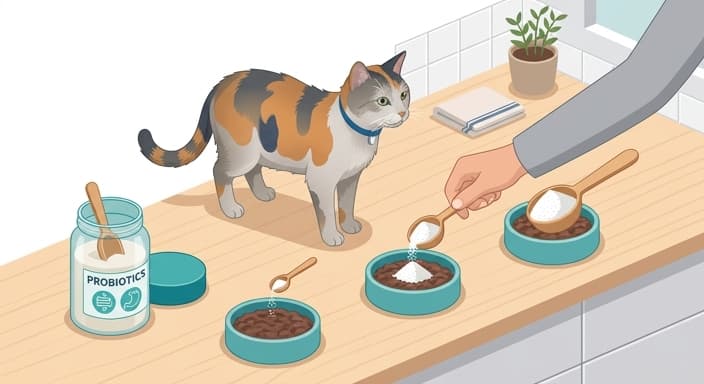
Consistency is the secret ingredient to success. Probiotics are not a quick fix; they are a long-term strategy. When you start your cat on a new probiotic, it is normal for there to be a brief transition period. Start with a smaller dose than recommended to allow their system to adjust, then slowly increase to the full daily amount over the course of a week.
Always mix the probiotic into their favorite wet food or a small amount of low-sodium bone broth. Avoid mixing it into food that is hot, as extreme heat can kill the live beneficial bacteria before your cat even takes a bite. I also recommend keeping a simple log of your cat’s behavior and stool quality for the first month. You will likely notice a gradual improvement in their appetite and a newfound brightness in their eyes as their body begins to absorb nutrients more efficiently.
A Holistic Approach to Longevity
Supporting your senior cat’s gut health is one of the most compassionate gifts you can provide. It is a subtle, internal form of care that pays dividends in their comfort, their immune strength, and their overall zest for life. As your cat navigates their twilight years, remember that you are their greatest advocate. By partnering with your veterinarian to select the right probiotic and maintaining a vigilant eye on their digestive wellness, you are doing more than just managing a supplement—you are ensuring that their golden years remain as comfortable and joyful as the years that came before.
Common Questions
🤔
Frequently Asked Questions
What are probiotics and how can they help senior cats?▼
Probiotics are live microorganisms that, when given in adequate amounts, confer health benefits to the host. For senior cats, the goal is to restore the balance of gut flora by increasing beneficial bacteria such as Lactobacillus and Bifidobacterium. These microbes produce short-chain fatty acids that nourish the colon lining and help keep the gut barrier strong, while creating an environment less favorable to opportunistic pathogens. Since about 70% of a cat's immune system resides in the gut, supporting this ecosystem can bolster overall immunity in aging cats.
What signs indicate my senior cat might benefit from a probiotic?▼
Senior cats may show subtle signs of digestive imbalance that owners sometimes miss as normal aging. Persistent pickiness or a change in appetite can reflect gut discomfort. Changes in stool quality, from soft stools to constipation, are red flags. A dull coat or skin issues and low energy levels beyond what’s typical for age can also signal gut dysbiosis; in these cases, a probiotic regimen discussed with a veterinarian may help restore balance.
How should I choose a probiotic for my senior cat?▼
Look for high-quality, veterinary-grade probiotic supplements rather than store-brand treats. Choose products formulated specifically for senior cats and favor strains known to support feline gut health, such as Lactobacillus and Bifidobacterium. Read the label for proper dosing and storage guidance, and avoid products that rely on marketing hype without evidence. Always consult your veterinarian to select the right product for your cat's needs.
How should I introduce a probiotic into my cat's routine?▼
Discuss with your veterinarian to determine the appropriate product and dosing for your cat. Start with a low dose and monitor your cat's response over a week or two, noting any changes in appetite, stool, energy, or coat condition. If well tolerated, continue the regimen as part of a proactive gut health plan and schedule regular veterinary checkups to reassess needs as your cat ages.