Blog6/20/2026
Essential Mobility Support for Senior Pets: Practical Guide
6 mins Read
The Briefing
Quick takeaways for the curious
Mobility in senior pets is shaped by aging joints, muscles, and the nervous system, and managing pain is only part of preserving an active, joyful life.
Understanding aging biomechanics—cartilage thinning, reduced synovial fluid, sarcopenia, and diminished proprioception—helps explain why hesitation isn't stubbornness and guides effective care.
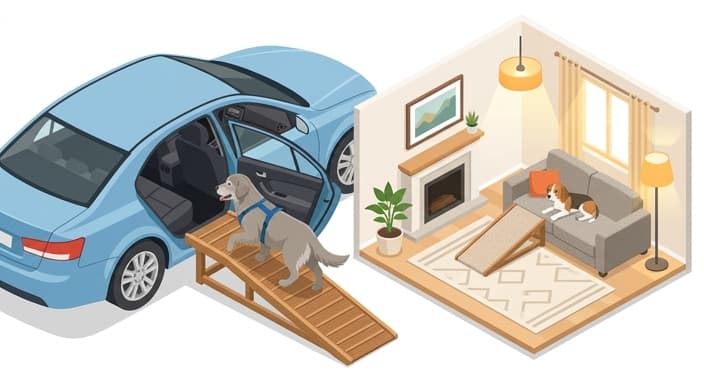
Environmental modifications like non-slip flooring, area rugs, and well-placed ramps and good lighting reduce daily friction and protect fragile joints.
Vertical mobility aids and thoughtful home design empower seniors to maintain autonomy in simple routines, such as getting in and out of cars or onto furniture.
Nutrition and supplements, including Omega-3 fatty acids, glucosamine, chondroitin, MSM, and newer compounds, can cushion joints over time, but they require veterinary guidance and aren't a quick fix.
Watching your once-agile companion pause at the foot of the stairs or struggle to gain traction on a hardwood floor is a poignant reminder of the passage of time. As a veterinarian consultant here at MofuDaily, I often tell my clients that while gray muzzles and slower gaits are the honorable badges of a life well-lived, they do not have to signal the end of an active, joyful lifestyle. Supporting senior pet mobility is not just about managing pain; it is about preserving the autonomy and confidence our pets deserve in their golden years.
The Biomechanics of Aging: Understanding the "Creak"
To effectively support a senior pet, we must first look at the mechanics of the aging musculoskeletal system. Mobility is a complex interplay between bones, joints, muscles, and the nervous system. As pets age, their articular cartilage—the smooth "shock absorber" at the ends of bones—gradually thins. Simultaneously, the synovial fluid that lubricates these joints becomes less viscous, leading to increased friction and the hallmark stiffness of osteoarthritis.
Beyond the joints, we see a phenomenon known as sarcopenia, or the age-related loss of muscle mass. When muscles weaken, they can no longer provide adequate support to the skeletal frame, causing the pet to compensate by shifting their weight, which leads to secondary musculoskeletal issues. Furthermore, proprioception—a pet’s internal sense of where their limbs are in space—often diminishes. This is why you might notice your senior pet looking at their paws more carefully before stepping off a curb or hesitating on slippery surfaces. By understanding these structural changes, we can stop viewing their hesitation as "stubbornness" and start seeing it as a physical limitation that we have the power to mitigate.
Environmental Modifications: Engineering a Senior-Friendly Home
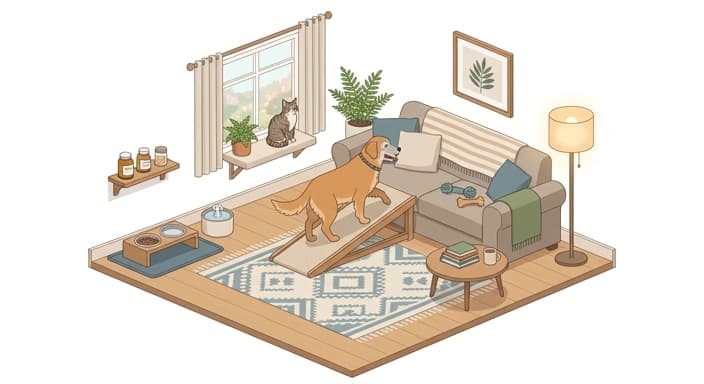
One of the most effective, yet often overlooked, interventions is modifying your home environment to reduce the "friction" of daily life. For a senior pet, a house full of tile or hardwood flooring can feel like an ice rink, creating a constant state of low-level anxiety and muscular tension as they struggle to keep their footing. Placing area rugs or non-slip yoga mats in high-traffic zones—especially where they eat, sleep, and navigate corners—can make a world of difference.
Additionally, consider the "vertical" aspects of your home. If your cat can no longer reach their favorite window perch, provide a series of lower steps or a ramp to break the ascent into manageable increments. For dogs, ramps for getting in and out of the car or onto the couch are essential tools that prevent the high-impact jumps that exacerbate joint inflammation. Lighting also plays a crucial role; as vision declines with age, a well-lit path helps pets navigate obstacles they might otherwise stumble over, further protecting their fragile joints.
The Role of Targeted Nutrition and Supplements
While no supplement can reverse the clock, specific nutritional interventions can act as a "cushion" for aging joints and muscles. When I consult with clients, I emphasize that joint support is a long-term commitment, not a quick fix. Omega-3 fatty acids, particularly EPA and DHA derived from high-quality fish oil, are the gold standard for reducing systemic inflammation at a cellular level. Unlike standard anti-inflammatories, these fatty acids provide a natural, ongoing reduction in the inflammatory markers that plague arthritic joints.
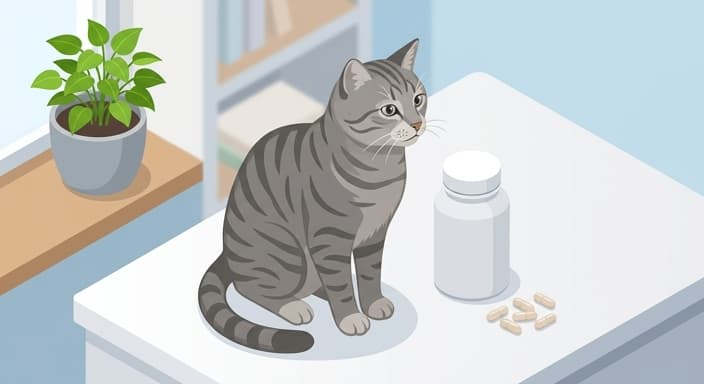
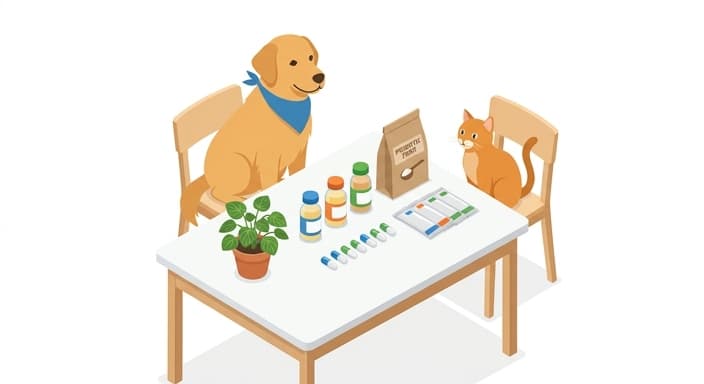
In addition to Omega-3s, look for supplements containing glucosamine, chondroitin, and MSM, which work synergistically to maintain cartilage integrity and synovial fluid viscosity. More recently, compounds like undenatured Type II collagen and green-lipped mussel extract have shown promising results in clinical settings. However, always consult your veterinarian before adding supplements to your pet's routine, as specific dosages are critical and some products may interact with existing medications. Remember, a healthy weight is the most potent "supplement" of all; even a small amount of excess weight puts exponential pressure on a senior pet’s already taxed joints.
Gentle Movement: Why Motion is Lotion
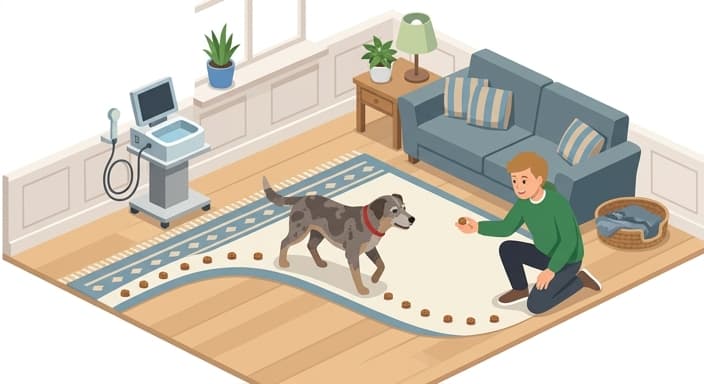
There is a common misconception that senior pets should be kept sedentary to "save" their joints, but this is counterproductive. Movement is, quite literally, the lotion that keeps joints lubricated. When a joint moves, it circulates synovial fluid, which delivers nutrients to the cartilage and clears away metabolic waste. The key for our senior companions is "low-impact, high-frequency" activity.
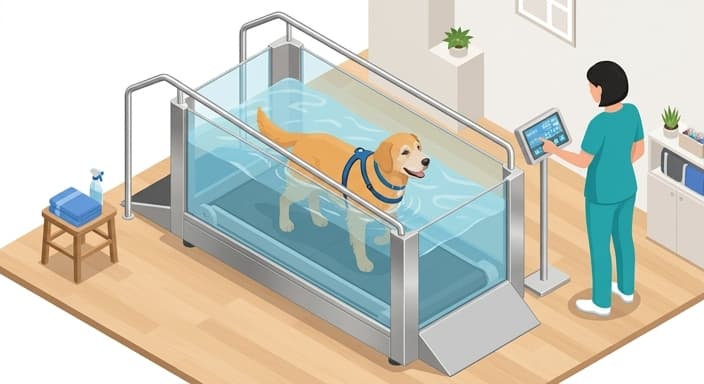
Instead of one long, grueling walk that leaves your dog exhausted and sore for two days, opt for three or four shorter, slower strolls throughout the day. For feline friends, encourage movement through "brain games"—hide small amounts of their favorite healthy treats in different locations around the room to encourage gentle stretching and walking. If your pet has significant mobility issues, consider professional physical rehabilitation, such as hydrotherapy or therapeutic laser treatments. These modalities are designed to build core strength and increase range of motion without the concussive force of running on hard ground.
Recognizing the Subtle Signs of Chronic Pain
Senior pets are masters of stoicism; they rarely vocalize when they are in discomfort. As owners, we must become detectives of the "subtle shift." Often, the first sign of mobility decline isn't a limp, but a change in behavior. Is your cat suddenly choosing to sleep on the floor instead of the sofa? Is your dog hesitant to greet you at the door when they return home? Are they taking longer to "get going" in the morning?
These are often indicators of chronic, low-grade pain. Keep a "mobility diary" to track these changes, as this information is invaluable to your veterinarian. If you notice a sudden change in gait or a reluctance to put weight on a limb, do not wait for it to "go away." Early intervention—whether it’s a course of pain medication, a change in diet, or a new mobility aid—is the difference between a pet who survives their senior years and one who truly thrives.
Establishing a Partnership with Your Vet
Finally, remember that you are the most important member of your pet's healthcare team. Your veterinarian is the expert in medicine, but you are the expert in your pet's daily life. When discussing mobility, come prepared with videos of your pet moving at home, as they often hide their symptoms in the high-stress environment of a clinic. Ask about a multi-modal approach to pain management, which combines various therapies—such as acupuncture, weight management, environmental changes, and medical intervention—to achieve the best outcome with the lowest possible dosage of medication.
Supporting a senior pet’s mobility is a labor of love that requires patience and close observation. By implementing these strategies, you are not just managing a decline; you are actively enriching their twilight years, ensuring that every step they take remains as comfortable and confident as possible. Our pets have spent their entire lives walking by our sides; it is our privilege to ensure that as they grow older, we provide the steady hand and the thoughtful adjustments they need to keep moving forward.
Common Questions
🤔
Frequently Asked Questions
What aging-related changes most commonly affect mobility in dogs and cats?▼
Dogs and cats commonly experience cartilage thinning and reduced lubricating synovial fluid, which stiffens joints and slows movement. Age-related muscle loss (sarcopenia) weakens support for the skeleton, causing compensatory weight shifting. Proprioception often declines, making pets more cautious on slippery floors or stairs. Understanding these changes helps owners distinguish normal aging from painful conditions and informs targeted interventions.
What practical environmental changes can make a home safer for a senior pet?▼
Prioritize non-slip surfaces and low-friction zones by adding area rugs or non-slip mats in entryways, around feeding areas, and along stair routes. Provide vertical access alternatives like ramps and lower steps for windows, couches, and car entry. Ensure lighting along floors and stairs to reduce trips. Remove obstacles that force awkward maneuvers and create clear paths for movement.
Which supplements have the strongest evidence for supporting senior pet mobility, and what should I know before starting them?▼
Omega-3 fatty acids (EPA and DHA) derived from high-quality fish oil are widely used to reduce systemic inflammation in arthritic joints. Supplements such as glucosamine, chondroitin, and MSM can help maintain cartilage integrity and synovial fluid viscosity, while newer options like undenatured Type II collagen and green-lipped mussel extract show encouraging results. However, results vary among pets and these are supportive measures, not cures. Always consult your veterinarian to determine appropriate dosages, assess potential interactions with existing medications, and monitor for adverse effects.
How can I collaborate with my veterinarian to design a mobility plan for my senior pet?▼
Start with a thorough veterinary assessment to identify pain sources, mobility limitations, and secondary issues. Work together to tailor a plan that may include pain control, physical therapy, environmental adaptations, nutritional strategies, and suitable supplements. Establish realistic milestones and monitor response over weeks to months, adjusting as needed. Clear communication and regular follow-ups help keep your senior's mobility and quality of life at their best.