Blog6/19/2026
Best Probiotic Strains for Pet Gut Health: A Vet's Guide
5 mins Read
The Briefing
Quick takeaways for the curious
Probiotics restore balance in your pet's gut microbiome, influencing immune function, digestion, and even mood.
The gut is a complex ecosystem where good bacteria shield against pathogens and help produce vitamins B12 and K.
Dysbiosis, caused by stress, antibiotics, poor diet, or environmental changes, can manifest as diarrhea, skin allergies, lethargy, or behavioral changes; probiotics help re-seed the gut with beneficial colonies.
The specific probiotic strains matter; Enterococcus faecium, Lactobacillus acidophilus, Bifidobacterium animalis, and Saccharomyces boulardii each offer distinct protective roles, including diarrhea reduction and antibiotic resilience.
Quality probiotics should be multi-strain, include prebiotics as fuel, and use encapsulation to protect live bacteria until they reach the colon.
The health of your pet’s gut is the silent foundation upon which their entire wellbeing rests, influencing everything from their immune response to their emotional state. As a veterinarian consultant here at MofuDaily, I often tell my clients that a "happy tummy" is the most effective preventative medicine you can offer your companion, and the key to unlocking that vitality lies in the microscopic world of the microbiome.
The Microbiome: A Hidden Ecosystem of Vitality
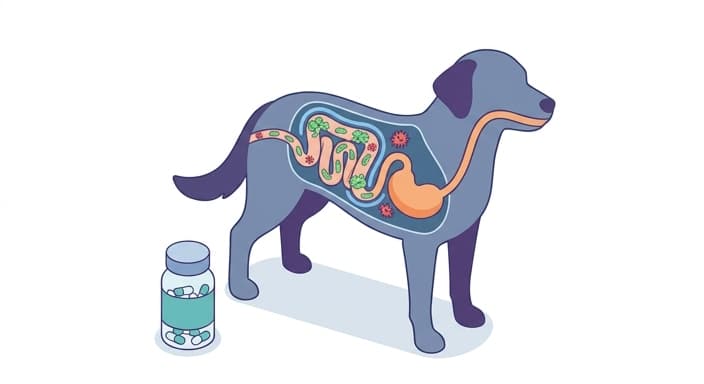
To understand why probiotics are so essential, we must first look at the gastrointestinal tract not as a simple digestive tube, but as a complex, teeming ecosystem. The gut microbiome consists of trillions of bacteria, fungi, and viruses that live in a delicate, symbiotic relationship with our pets. These "good" bacteria serve as the first line of defense against pathogens, assist in the digestion of complex nutrients, and produce essential vitamins like B12 and Vitamin K.
When this balance is disrupted—due to stress, antibiotics, poor diet, or environmental changes—we see "dysbiosis." This imbalance can manifest as chronic diarrhea, skin allergies, lethargy, or even behavioral changes. Probiotics are the targeted, live microorganisms that help restore order to this ecosystem, effectively "re-seeding" the gut with beneficial colonies that crowd out harmful microbes and reinforce the intestinal barrier.
The Powerhouse Strains: Which Ones Actually Work?
Not all probiotics are created equal, and in the world of veterinary nutrition, the specific strain matters as much as the count. When you are shopping for a supplement, you aren't just looking for "probiotics"; you are looking for evidence-based bacterial strains that have been clinically proven to survive the harsh, acidic environment of a pet's stomach and reach the intestines where they are needed most.
For dogs and cats, the gold standard often begins with Enterococcus faecium. This strain is particularly resilient and is widely recognized for its ability to reduce the duration of acute diarrhea and improve stool consistency. Another heavy hitter is Lactobacillus acidophilus. This bacterium is a champion of the small intestine, helping to lower the pH of the gut, which creates an environment where harmful bacteria like E. coli struggle to survive.
Then we have Bifidobacterium animalis, which is essential for maintaining the integrity of the mucosal lining in the colon. Think of this as the "repair crew" that ensures the gut wall remains strong and impermeable. Finally, Saccharomyces boulardii—which is technically a beneficial yeast rather than a bacteria—is an absolute superstar for pets undergoing antibiotic treatment. Because it is a yeast, it is naturally resistant to antibiotics, meaning it can continue to protect your pet’s gut even while the medications are clearing out the rest of the bacterial population.
How to Choose a Quality Probiotic Supplement
Walking down the supplement aisle can be overwhelming, but as a veterinarian, I look for three specific markers to determine if a product is worth your investment. First, look for "Multi-Strain" formulas. A diverse gut is a resilient gut; having a blend of the strains mentioned above provides a more comprehensive approach to health than a single-strain supplement.
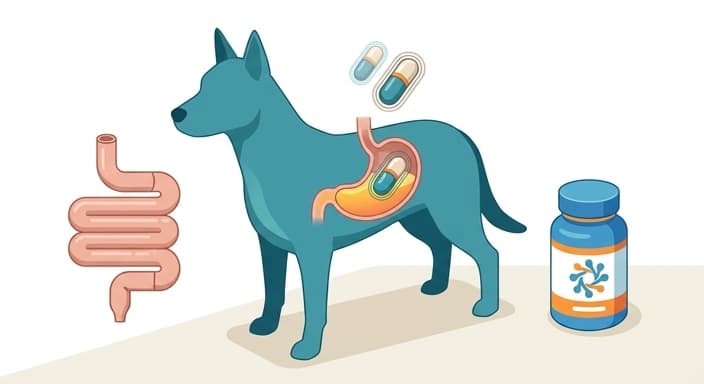
Second, check for the inclusion of "prebiotics." Prebiotics are essentially the fuel—usually fibers like inulin or fructooligosaccharides (FOS)—that help your pet’s resident good bacteria thrive. A probiotic without a prebiotic is like planting a garden without watering it. Third, prioritize products that utilize "encapsulation" technology. Because the stomach is highly acidic, a large percentage of live bacteria can be destroyed before they ever reach the colon. High-quality brands use micro-encapsulation to protect the bacteria from stomach acid, ensuring they arrive at their destination alive and ready to colonize.
Implementing Probiotics: Timing and Consistency
Integrating probiotics into your pet’s routine is simple, but consistency is the secret sauce. For pets with sensitive stomachs, I recommend starting with a half-dose for the first three to four days to allow their system to adjust. Probiotics are generally tasteless or flavored to appeal to pets, making them easy to sprinkle over their regular wet food or mix into a small amount of water.
It is important to remember that probiotics are not an overnight miracle cure. While you might see an improvement in stool quality within a few days, the true benefits—such as a bolstered immune system and reduced systemic inflammation—often take four to six weeks of daily supplementation to fully manifest. If you are using probiotics to combat a specific, chronic issue, keep a simple journal of your pet’s energy levels, stool consistency, and skin condition to help you track their progress over time.
When to Consult Your Veterinarian
While probiotics are safe for most pets, they are not a substitute for veterinary care when it comes to acute or severe illness. If your pet is experiencing persistent vomiting, blood in the stool, significant weight loss, or severe lethargy, please do not rely solely on supplements. These can be symptoms of underlying conditions—such as inflammatory bowel disease, parasites, or organ dysfunction—that require diagnostic testing and professional intervention.
Think of probiotics as the foundation of your pet’s health house. They keep the structure stable and the residents happy, but if the foundation is cracked, you need a professional to assess the damage. Used correctly, however, these tiny, microscopic allies can be the difference between a pet that simply survives and a pet that truly thrives. By prioritizing their gut health, you are investing in their longevity, their comfort, and the many years of joyful companionship that lie ahead.
Common Questions
🤔
Frequently Asked Questions
Which probiotic strains are most effective for dogs and cats?▼
For dogs and cats, Enterococcus faecium is renowned for resilience and reducing the duration of acute diarrhea, while Lactobacillus acidophilus helps by lowering gut pH to hinder harmful bacteria. Bifidobacterium animalis supports the integrity of the mucosal lining in the colon, acting like a repair crew for the gut wall. Saccharomyces boulardii, a beneficial yeast, is particularly valuable during antibiotic treatment because it remains active when antibiotics disrupt bacterial populations. Clinically, these strains have documented outcomes in veterinary studies.
Why is a multi-strain probiotic often preferred over a single-strain product?▼
A multi-strain formula provides a broader range of gut benefits because different strains support different regions and functions of the digestive system. This diversity helps create a more resilient gut ecosystem and can improve overall outcomes compared to single-strain products. Pairing strains with prebiotics further supports their survival and activity. It can also enhance stool quality and digestion.
What role do prebiotics and encapsulation play in probiotic supplements?▼
Prebiotics, such as inulin or fructooligosaccharides (FOS), feed the resident good bacteria and support their growth after they reach the gut. Encapsulation protects live bacteria from stomach acid so more of them arrive in the intestine alive and ready to colonize. Together, these features improve the likelihood that the probiotic will exert its intended benefits. This combination helps ensure the supplement works as advertised.
How should I choose and use a probiotic supplement for my pet?▼
Look for evidence-based, clinically studied strains and products that advertise multi-strain blends, prebiotics, and encapsulation. Check the label for the specific strains included and recommended dosing, and consider your pet’s species, size, and health status. Always discuss probiotic use with your veterinarian, especially if your pet is on medications or has chronic health issues. They can help tailor a probiotic plan and prevent interactions with existing treatments.