Blog4/8/2026
Safe Travel Tips for Anxious Dogs: Comfort on the Road
6 mins Read
The Briefing
Quick takeaways for the curious
Travel anxiety in dogs is often a physiological response driven by the brain's amygdala and the vestibular system, not a character flaw.
Desensitization and counter-conditioning can reframe car travel from a source of fear into a positive, rewarding experience.
Providing a safe, enclosed space like a crash-tested crate or secure travel bed reduces sensory overload and adds stability during motion.
Pre-trip planning should combine gradual exposure, high-value rewards, and a calm routine to help lower cortisol and prevent escalation of distress.
If anxiety persists, consult a veterinary professional or behaviorist for a tailored plan that may include medications or other evidence-based strategies.
There is a persistent, outdated myth in the canine travel community that a dog’s anxiety is simply a "travel personality" they must endure, leading many owners to believe that forcing a pet through a stressful journey is a necessary evil of modern life. As a veterinarian consultant, I frequently speak with devoted pet parents who view their dog’s panting, pacing, or frantic whining as an unavoidable quirk of the road, failing to realize that these are often the direct results of a sensory-overloaded nervous system that requires a proactive, science-backed management strategy. We are finally moving toward a more sophisticated, compassionate standard of pet travel that treats canine comfort not as a luxury, but as a foundational pillar of travel safety, effectively closing the gap between a terrified, cortisol-spiked passenger and a calm, resilient canine companion.
The Biological Reality of the "Survival-Driven Traveler"
To understand why travel anxiety is a non-negotiable issue for the modern dog, we must first look at the biological reality of the canine nervous system. Unlike humans, who rely heavily on visual cues to understand a changing environment, dogs process the world primarily through their olfactory and vestibular systems. When a dog is placed in a moving vehicle, their vestibular system—responsible for balance and spatial orientation—is bombarded with contradictory signals: the inner ear senses movement, but the visual cues of the interior cabin suggest stillness.
For an anxious dog, this sensory dissonance is not merely uncomfortable; it is perceived as a threat. When a dog’s amygdala—the brain's "alarm system"—is triggered by this motion, it releases a surge of adrenaline and cortisol. If left unmanaged, this physiological state can escalate into full-blown panic, leading to destructive behaviors, excessive salivation, and even dangerous attempts to escape the vehicle. Recognizing that your dog’s fear is a physiological response rather than a behavioral choice is the first, most important step toward creating a safer, more positive travel experience.
Pre-Trip Desensitization: Rewiring the Association
The most common mistake pet parents make is introducing their dog to a long-distance car ride without prior desensitization. If the only time your dog enters a car is for a trip to the veterinary clinic or a kennel—environments already laden with stress-inducing scents—it is no wonder they associate the vehicle with dread.
Effective desensitization involves "counter-conditioning," a process where we pair the presence of the vehicle with highly rewarding experiences. Start by simply sitting in the parked car with your dog, engines off, while offering high-value treats or engaging in a favorite game. Once they are comfortable, progress to short, low-stakes drives—perhaps just around the block—ending with a fun activity, such as a trip to a nearby park. By creating a "positive loop" where the car becomes a vehicle for adventure rather than a carrier of trauma, you help the dog’s nervous system learn to regulate itself before the journey even begins.
Creating a "Safe Haven" Within the Vehicle
Once we have addressed the psychological aspect, we must focus on the physical environment. A dog that feels physically insecure—sliding around on leather seats or feeling "exposed" in an open cabin—will naturally experience higher levels of anxiety.
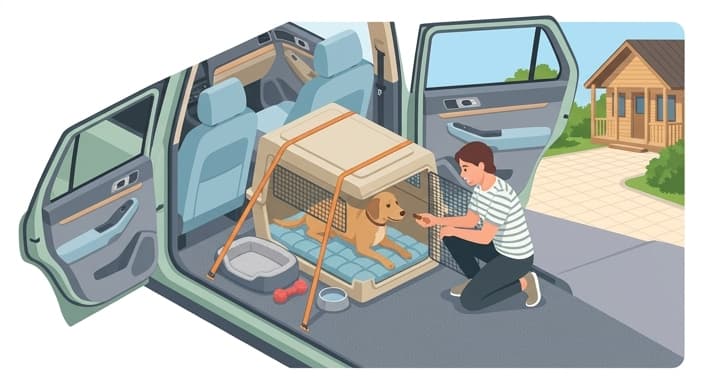
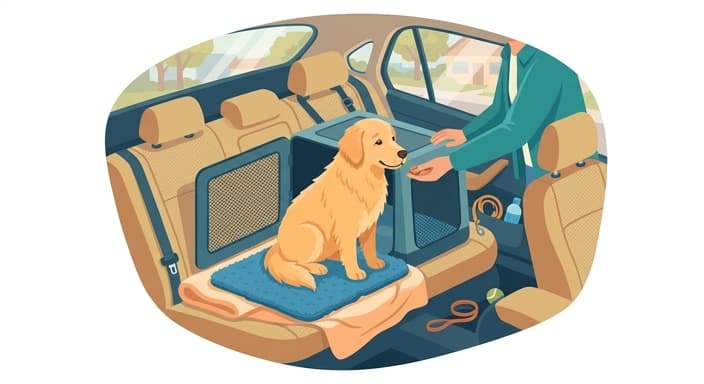
The goal is to provide a "den" experience, which leverages a dog’s natural instinct to seek out enclosed, secure spaces when they feel overwhelmed. For many dogs, this means utilizing a crash-tested crate secured to the vehicle’s frame. A crate offers three critical benefits: it limits visual overstimulation, provides a stable physical base that helps the vestibular system adjust to motion, and protects the dog in the event of a sudden stop. If a crate is not an option due to vehicle space, consider a calming, high-sided travel bed secured with a crash-tested harness. Covering the crate or the area around the bed with a familiar-scented blanket—perhaps one from their favorite spot at home—can provide a significant "olfactory anchor" that lowers heart rate and promotes a sense of safety.
Nutritional and Botanical Support for the Journey
In my clinical practice, I often recommend that owners discuss natural anxiety-reduction protocols with their veterinarian well before the departure date. While we want to avoid heavy sedation, which can leave a dog disoriented and prone to injury, there are several evidence-based supplements that can help take the "edge" off.
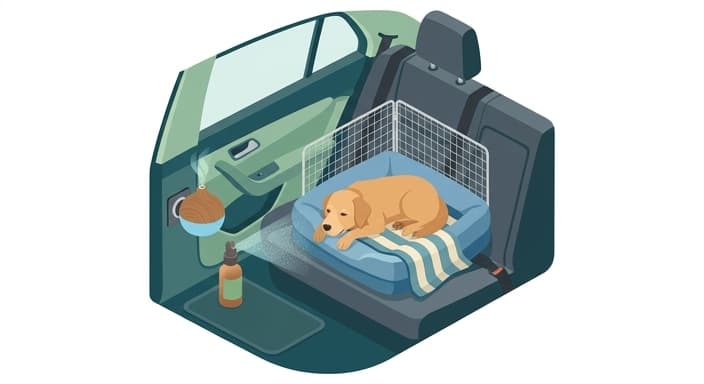
L-theanine, an amino acid found in green tea, is excellent for promoting a calm, alert state without inducing drowsiness. Similarly, probiotics that target the gut-brain axis, such as specific strains of Bifidobacterium longum, have shown promise in clinical studies for reducing anxious behavior in dogs. Some dogs may also benefit from the use of synthetic pheromones, such as those that mimic the calming signals produced by a nursing mother dog. These can be sprayed on the bedding or used as a plug-in diffuser in the vehicle, creating a chemical "security blanket" that permeates the dog’s immediate breathing zone. Always consult your veterinarian before introducing any new supplement to ensure it is appropriate for your dog’s health history and current medications.
Strategic Pit-Stops and Sensory Management
The duration of the trip dictates the frequency of your intervention. For an anxious dog, a long, non-stop haul is a recipe for a meltdown. I recommend a "two-hour rule": stop every two hours for a ten-minute decompression break. However, this is not just a bathroom break; it is a mental reset.
During these stops, keep the environment quiet and controlled. Avoid high-traffic, loud rest stops where the sensory input will only increase your dog's stress levels. Instead, seek out quieter areas off the highway where the dog can engage in "sniffari" time—letting them sniff the ground for a few minutes allows them to re-orient themselves to their surroundings and burn off the nervous energy that builds up during transit.
Furthermore, manage the cabin environment throughout the drive. Keep the temperature cool, as dogs are more prone to heat stress, which exacerbates anxiety. If the dog is sensitive to the passing scenery (a common trigger for "barrier frustration" or motion-induced anxiety), consider using opaque covers to limit their field of vision. Playing classical music or specialized "calming" soundscapes can also act as a buffer against the jarring noises of the road, such as honking horns or engine revving, providing a consistent, soothing auditory backdrop.
Recognizing the Limits of Travel
Finally, as a veterinarian, I must emphasize that some dogs have a psychological threshold that makes travel inherently damaging to their well-being. If, despite your best efforts at desensitization, environmental management, and nutritional support, your dog continues to show signs of severe distress—such as self-mutilation, extreme panting, or prolonged refusal to eat—it is time to have an honest conversation with your veterinarian about whether travel is truly in their best interest.
In some cases, the most "veterinarian-approved" travel tip is to arrange for a trusted pet sitter or a high-quality boarding environment at home. Loving your dog means acknowledging their limitations and prioritizing their mental health over the convenience of having them by your side. By approaching travel with empathy, preparation, and a commitment to the dog’s biological needs, you can transform the way your pet views the world—turning the journey from a source of terror into a manageable, and perhaps even enjoyable, part of your shared life together.
Common Questions
🤔
Frequently Asked Questions
Why does my dog seem more anxious in the car than at home?▼
In the car, a dog’s vestibular system receives conflicting signals from movement and a mostly still visual environment, which can trigger the brain’s fear center, the amygdala. This can unleash adrenaline and cortisol, leading to panting, pacing, and frantic whining. Many dogs interpret this physiological stress as a threat rather than a preference, so the anxiety is not a choice but a body response. Understanding it this way helps owners apply science-based management rather than punishment or resignation.
What does desensitization and counter-conditioning look like in practice?▼
Begin with a parked car, engines off, and offer your dog high-value rewards while you sit with them inside. Gradually progress to short, low-stakes drives around the block, ending each session with a favorite game or treat at a destination they enjoy. The goal is to create a positive association between the vehicle and rewarding experiences, so the car becomes a source of adventure rather than fear. Consistency and patience are key, and sessions should be paced to your dog’s comfort level.
How can I create a safe, calming vehicle environment?▼
Use a crash-tested crate secured to the vehicle’s frame to give a den-like space that limits visual overstimulation and provides a stable base for the vestibular system. If a crate isn’t feasible, try a high-sided, travel-approved bed or barrier setup that is securely strapped in and offers a contained space. Ensure good ventilation, a comfortable temperature, and familiar scents or items to enhance predictability. The goal is to reduce movement-induced shock and help your dog feel secure.
When should I seek professional help or consider medication?▼
If your dog’s anxiety remains intense despite gradual desensitization and environmental adjustments, seek guidance from a veterinarian or a veterinary behaviorist. They can help tailor a plan that may include behavioral strategies, pheromone or environmental aids, and, when appropriate, prescription medications or supplements. Early professional input can prevent worsening anxiety and create a safer, more enjoyable travel experience for your dog.