Blog3/12/2026
Safe Houseplants for Pets: A Vet-Approved Indoor Jungle
8 mins Read
The Briefing
Quick takeaways for the curious
Pet grazing, or pica, is driven by instinct, curiosity, and the need for sensory stimulation, so safety relies on selecting pet-friendly plants rather than trying to suppress natural behavior.
Build a pet-safe indoor garden by choosing non-toxic, hardy plants that are recognized by the ASPCA and Pet Poison Helpline, ensuring they can withstand occasional nibbling without becoming dangerous.
The Spider Plant is a standout option: it is resilient, acts as a natural air purifier for formaldehyde and xylene, and typically poses only mild, non-life-threatening risks if cats nibble on its babies.
Indoor greenery can improve air quality while enhancing aesthetics, but awareness of plant-specific risks is essential to prevent serious outcomes like acute renal failure from toxic species.
Differentiate between plants that cause mild stomach upset and those that can trigger severe toxicity, and use this hierarchy to guide plant choices and pet management strategies.
Verdant Sanctuaries: A Veterinarian’s Guide to Creating a Pet-Safe Indoor Jungle
The desire to bring the serenity of the natural world into our living spaces is a primal one, yet for those of us who share our homes with curious paws and twitching whiskers, this aesthetic pursuit is often clouded by a persistent shadow of worry. As a veterinarian, I have stood in many exam rooms with frantic owners clutching a half-chewed leaf, and I can tell you that the harmony between "plant parent" and "pet parent" does not have to be a compromise. By understanding the biological interactions between flora and fauna, we can cultivate indoor gardens that serve as both a visual refuge for us and a safe, enriching environment for our most cherished companions.
The Primal Grazer: Why Our Pets Seek the Green
To create a safe indoor environment, we must first understand why a carnivore like a cat or an omnivore like a dog feels the need to nibble on your expensive Fiddle Leaf Fig. From a clinical perspective, plant-eating behavior—known as pica when it involves non-food items—is often rooted in ancestral instincts. In the wild, wild canids and felids would ingest the stomach contents of their prey, which often included fermented plant matter rich in folic acid and fiber. Domestic pets often graze to supplement their diet, aid in the passage of hairballs, or simply because the textural "mouthfeel" of a waxy leaf provides sensory stimulation.
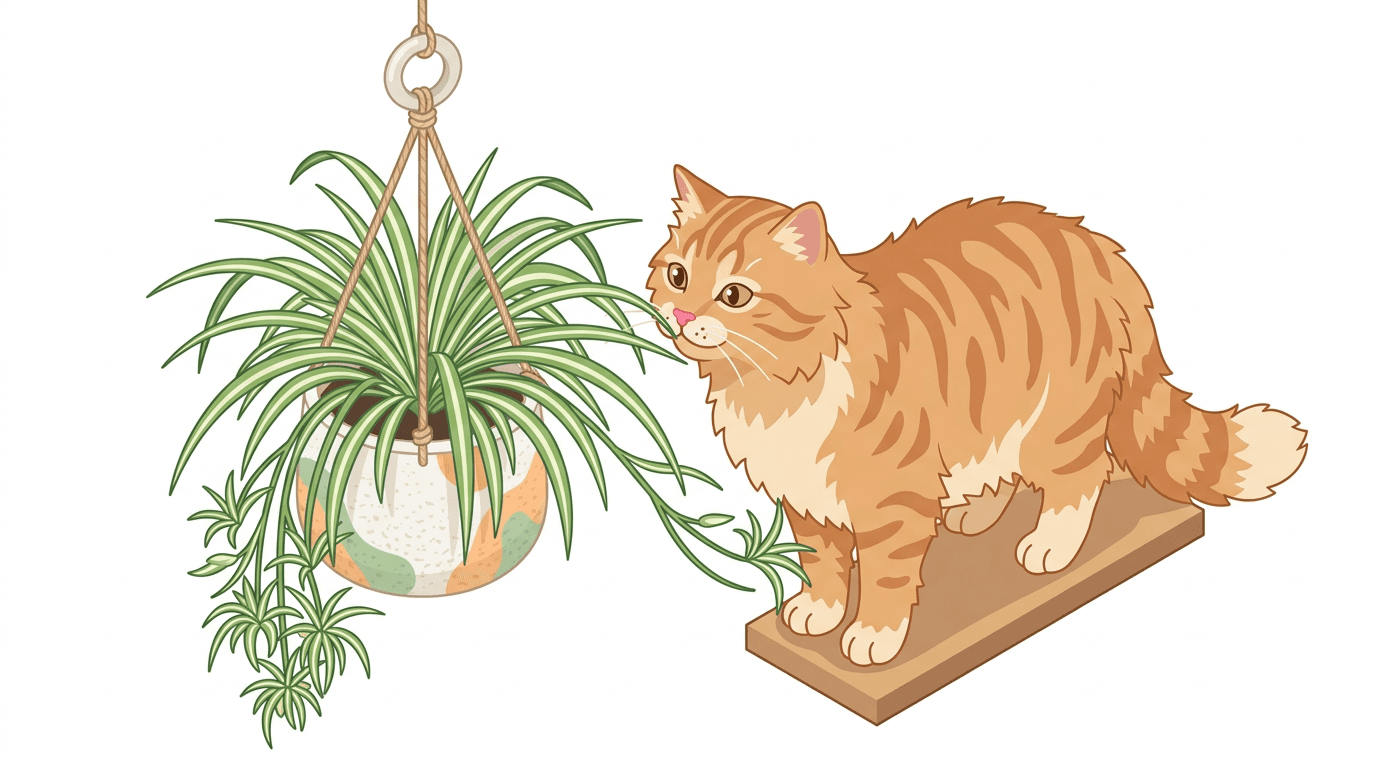
Furthermore, many indoor plants contain phytonutrients that pets may subconsciously seek out, though they lack the discerning palate to distinguish between a beneficial blade of grass and a toxic lily. Boredom also plays a significant role; a dangling spider plant leaf is, to a cat, essentially a biological cat toy. As a veterinarian, I emphasize that we cannot always train the instinct out of the animal, so the burden of safety lies in our selection of species. Understanding the difference between a plant that causes mild stomach upset and one that triggers acute renal failure is the most critical step in your journey as a pet-owning horticulturist.
The "Green List": Top-Tier Safe Plants for Your Home
When I am asked for recommendations, I look for plants that are non-toxic according to the ASPCA and the Pet Poison Helpline, but also plants that are hardy enough to survive the occasional investigative swat. The following species are the "Gold Standard" for a pet-safe home:
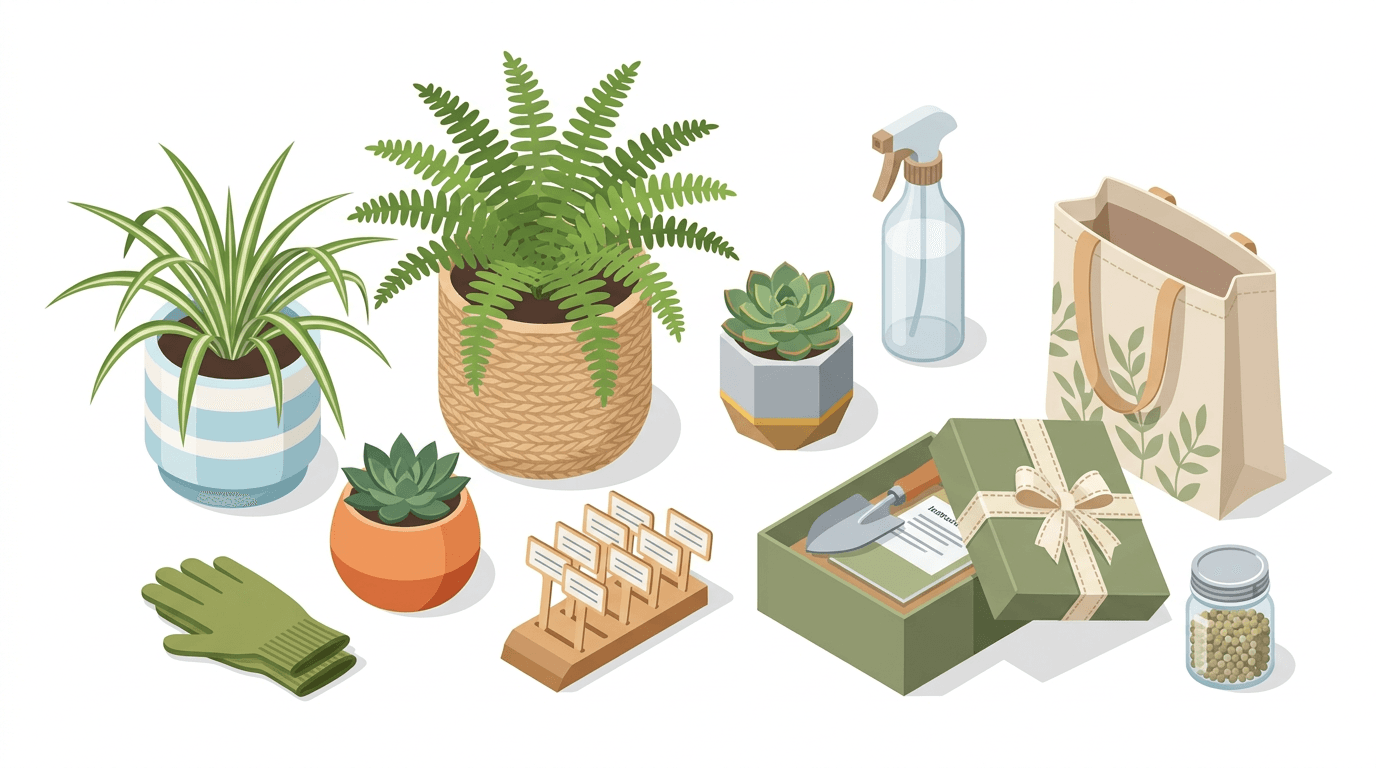
- The Spider Plant (Chlorophytum comosum): This is perhaps the most iconic pet-safe plant. Not only is it incredibly resilient, but it also acts as a natural air purifier, removing toxins like formaldehyde and xylene from your home. Interestingly, spider plants have a mild hallucinogenic effect on some cats, similar to catnip, but without the toxic fallout. If your cat obsessively nibbles on the "babies" or spiderettes, they may experience a mild upset stomach, but it is not life-threatening.
- The Boston Fern (Nephrolepis exaltata): While many ferns (like the Emerald Fern or Lace Fern) are actually toxic members of the lily family, the Boston Fern is a true, safe fern. Its lush, feathery fronds are perfect for adding volume to a room. From a veterinary standpoint, these are excellent because they are non-irritating to the skin and mucous membranes.
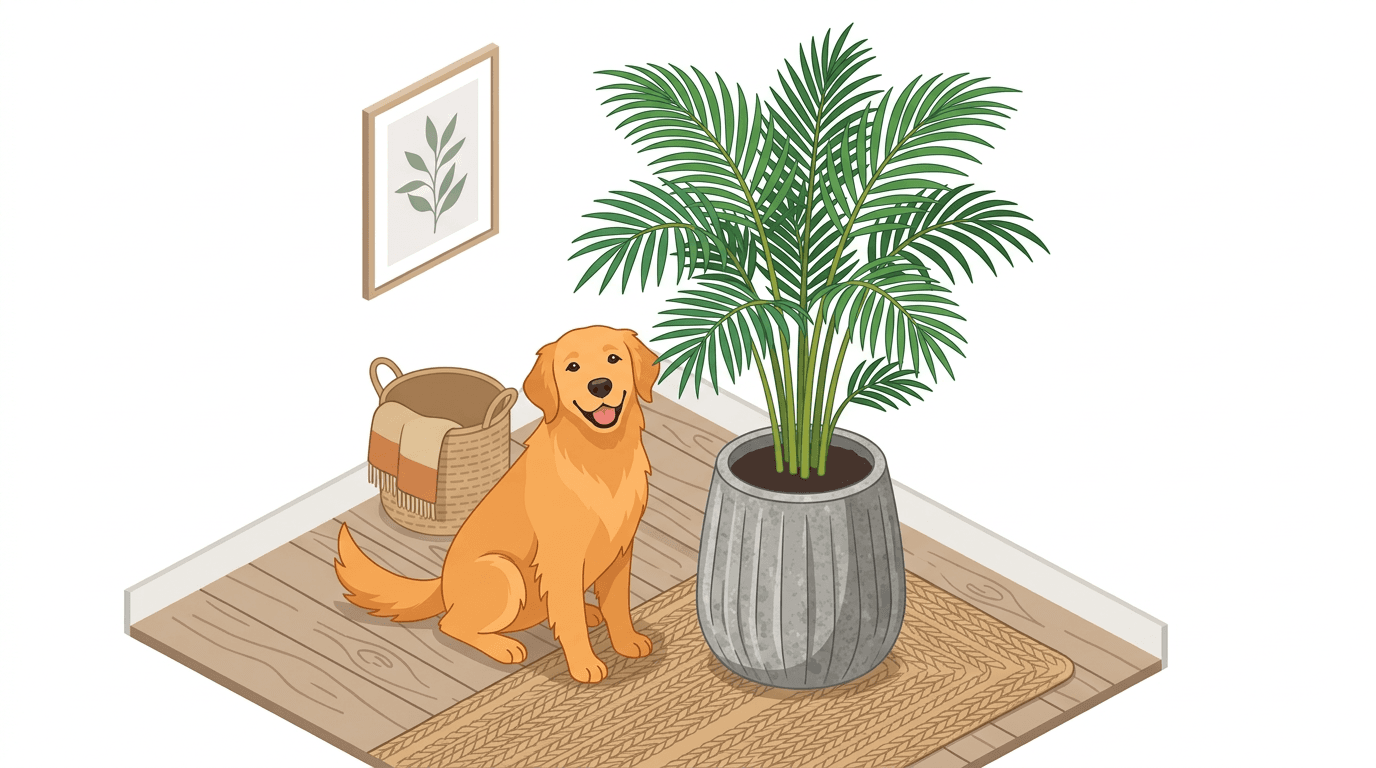
- The Areca Palm (Dypsis lutescens): If you want to go big, the Areca Palm is your best bet. Unlike the highly dangerous Sago Palm (which is not a true palm), the Areca is entirely non-toxic. It provides a tropical feel and is sturdy enough to withstand a dog wagging its tail against it.
- Calathea (The Prayer Plant): Known for their stunning, variegated leaves that fold up at night, Calatheas are safe for both cats and dogs. They are the "jewelry" of the plant world, offering deep purples and vibrant greens without the risk of insoluble calcium oxalate crystals found in the similar-looking Pothos.
The "Danger Zone": Plants to Avoid at All Costs
While we focus on the safe, we must acknowledge the "Big Bad" of the botanical world. In my years of practice, certain plants have earned a reputation for being clinical nightmares. If you own a pet, these should be removed from your home or kept in an entirely inaccessible area, such as a locked sunroom.
The most dangerous is undoubtedly the Sago Palm (Cycas revoluta). Every part of this plant is toxic, especially the seeds (nuts). It contains cycasin, which causes devastating liver failure. Even a small amount can be fatal, and the survival rate for Sago Palm ingestion is unfortunately low even with aggressive veterinary intervention.
For cat owners, Lilies (Lilium and Hemerocallis species) are the ultimate adversary. This includes Easter Lilies, Tiger Lilies, and Stargazer Lilies. Even the pollen or the water in the vase can cause acute kidney injury in cats. A cat merely brushing against a lily and then grooming the pollen off their fur can be enough to trigger a medical emergency.
Other common household favorites to be wary of include the Pothos (Devil’s Ivy) and the Philodendron. These plants contain insoluble calcium oxalate crystals. When a pet bites into the leaf, these needle-like crystals are ejected into the tissues of the mouth and throat, causing immediate pain, swelling, and ptyalism (excessive drooling). While rarely fatal, they cause significant distress and can lead to airway obstruction in severe cases.
Strategic Design: Creating a Harmonious Ecosystem
Creating a pet-safe jungle isn't just about the species you choose; it’s about the spatial architecture of your home. Even safe plants can be messy or cause minor digestive upset if eaten in large quantities. As a veterinarian, I suggest a tiered approach to plant placement.
Hanging Planters: Utilizing the vertical space in your home is the most effective way to keep plants out of reach. Macramé hangers or wall-mounted shelves can keep even the most tempting Spider Plant away from a jumping cat. Ensure the anchors are sturdy; a falling ceramic pot can be just as dangerous as a toxic leaf.
Heavy Ceramics and Stability: Large dogs with enthusiastic tails can easily topple lightweight plastic pots. I recommend heavy, wide-based ceramic or stone planters for floor-standing plants like the Areca Palm or Money Tree. This prevents accidental spills and reduces the likelihood of your pet digging in the soil.
Deterrents and Enrichment: If your pet is a persistent digger, try placing large, smooth river stones on top of the soil. This prevents access to the dirt (and any fertilizers or fungus gnats that might be present) without harming the plant. For nibblers, provide a "sacrificial" plant. Growing a tray of Cat Grass (usually a mix of wheat, oats, or barley) gives your pet a dedicated, healthy outlet for their grazing instincts, often distracting them from your decorative foliage.
What to Do in an Emergency: The Clinical Perspective
Despite our best efforts, accidents happen. If you suspect your pet has ingested a toxic plant, time is your most valuable resource. Do not wait for symptoms to appear; many toxins, such as those in lilies or Sago palms, begin causing internal damage long before the pet looks "sick."
Clinical signs of plant poisoning can range from mild to severe:
- Gastrointestinal Distress: Vomiting, diarrhea, and decreased appetite.
- Neurological Signs: Tremors, incoordination (ataxia), or seizures.
- Oral Irritation: Pawing at the mouth, intense drooling, or swelling of the lips.
- Systemic Failure: Increased thirst and urination (kidney) or jaundice/yellowing of the eyes (liver).
In my clinic, I always advise owners to take a photo of the plant or bring a sample of the leaf with them. This allows us to identify the specific toxin and administer the correct antidote or supportive care, such as intravenous fluids, activated charcoal to bind toxins, or anti-emetics. Keep the numbers for the ASPCA Animal Poison Control Center (888-426-4435) and your local emergency vet programmed into your phone.
Key Takeaways for a Pet-Safe Home
- Research First: Always check the ASPCA toxic/non-toxic list before bringing a new plant home.
- Avoid the "Big Three": Sago Palms, Lilies (for cats), and Azaleas are high-risk toxins.
- Go Vertical: Use hanging baskets and high shelving to keep even safe plants away from curious mouths.
- Provide Alternatives: Grow Cat Grass or Pet-Safe Herbs (like Rosemary or Thyme) to satisfy grazing urges.
- Watch the Soil: Use organic fertilizers and avoid cocoa mulch, which can be toxic if ingested by dogs.
- Identify Your Plants: Keep the nursery tags so you know exactly what species you have in case of an emergency.
- Monitor for Symptoms: Drooling, vomiting, and lethargy are immediate red flags.
The bond we share with our pets is built on a foundation of trust and protection. They rely on us to curate their world, ensuring that their curiosity doesn't lead to catastrophe. By choosing pet-safe greenery, we aren't just decorating a room; we are building a sanctuary where both our souls and our pets can thrive. There is something deeply life-affirming about watching a sun-drenched cat napping beneath the fronds of a safe Boston Fern—a moment of pure, natural harmony that is well worth the extra effort of informed selection. Keep your home green, keep your pets safe, and let your indoor jungle be a place of shared joy.
Common Questions
🤔
Frequently Asked Questions
What are pet-safe indoor plants recommended by veterinarians?▼
A veterinarian-focused approach emphasizes choosing non-toxic species per the ASPCA and Pet Poison Helpline and selecting plants hardy enough to withstand curious paws. The Spider Plant is highlighted as a top choice due to resilience and air-purifying properties, with the Boston Fern noted as another safe option on the 'Green List'. Always confirm a plant’s toxicity and avoid known dangerous varieties to reduce pica-related incidents.
Are common houseplants like spider plants toxic to cats?▼
Spider Plants are considered non-toxic to cats and dogs by major safety databases. However, nibbling can cause a mild upset stomach and some cats may show catnip-like interest, especially in the plant’s babies, though this is not life-threatening. This makes spider plants a reliable choice for pet-friendly homes, provided you monitor your pets and keep higher-risk plants out of reach.
Why do my pets nibble on plants and how can I prevent harm?▼
Pet grazing often reflects instinct, boredom, or a desire for texture and certain nutrients. Since training the instinct away isn’t always feasible, safety comes from selecting non-toxic, hardy plants and enriching the environment to reduce temptation. To prevent harm, keep toxic plants out of reach, choose from the 'Green List' of safe species, and offer safe chew toys and environmental enrichment to redirect curiosity.
What are the main safety and health benefits of pet-safe plants besides preventing toxicity?▼
In addition to avoiding toxic exposures, certain safe plants can contribute to indoor air quality. For example, the Spider Plant is noted for its ability to remove pollutants like formaldehyde and xylene from the air. Using pet-safe greenery thus provides both aesthetic and health benefits, while reducing the risk of injury from consuming hazardous species.