Blog3/17/2026
Puppy Vaccination Schedule: First-Year Guide for Healthy Growth
8 mins Read
The Briefing
Quick takeaways for the curious
Puppies rely on a vaccination series in the first months because maternal antibodies provide temporary protection that can interfere with vaccines.
There is a window of vulnerability between about six and sixteen weeks when the puppy's own immune system must take over to build lasting defense.
Core vaccines, including DHPP, protect against distemper, hepatitis/adenovirus, parvovirus, and parainfluenza, with Parvovirus being notoriously hardy and dangerous.
Rabies vaccination is legally required in many regions and serves as a cornerstone of both animal and public health.
Non-core vaccines should be tailored to a puppy's lifestyle and environment, such as Leptospirosis in areas with wildlife exposure or standing water.
There is a unique, frantic magic in the first few weeks of bringing a puppy home—the scent of puppy breath, the sharp nip of needle-like teeth, and the overwhelming realization that this tiny, tumbling creature is now entirely dependent on you for its survival. As a veterinarian, I’ve seen the look of both joy and mild panic in a new owner's eyes, and I always tell them the same thing: the most powerful gift you can give your new companion isn't the fanciest bed or the squeakiest toy, but a robust immunological foundation built during their first twelve months of life. Navigating the world of puppy vaccinations can feel like deciphering a complex medical map, but understanding the "why" and the "when" of these shots is the key to transforming a vulnerable ball of fluff into a resilient, lifelong companion.
The Biological Bridge: Understanding Maternal Antibodies
To understand why your puppy needs a series of shots rather than just one, we have to look at the fascinating biological hand-off that occurs in the first weeks of life. When puppies are born, they receive a concentrated dose of "maternal antibodies" through their mother’s first milk, known as colostrum. This provides them with temporary, passive immunity that acts as a protective shield against the outside world. However, there is a catch: as long as these maternal antibodies are high, they can actually neutralize a vaccine before the puppy’s own immune system has a chance to learn how to fight the disease itself.
As a vet, I often describe the first few months as a "window of vulnerability." Between six and sixteen weeks of age, the mother's antibodies gradually fade, but we never know exactly when they will drop low enough for the vaccine to take hold. This is precisely why we vaccinate in a series, typically every three to four weeks. We are essentially casting a wide net to catch that precise moment when the maternal shield drops and the puppy’s own immune system is ready to step up and build its own lasting defenses. If we stop too early, we might leave the puppy unprotected; if we start too late, we leave them exposed to some of the most devastating viruses in the canine world.
The "Core" Essentials: The Non-Negotiables of Puppy Health
In the veterinary world, we categorize vaccines into "core" and "non-core." Core vaccines are those that every single dog, regardless of their lifestyle or geographic location, should receive because the diseases they prevent are either ubiquitous in the environment, highly contagious, or carry a high mortality rate. The primary core vaccine is often referred to as the "distemper combo" or DHPP (Distemper, Hepatitis/Adenovirus, Parvovirus, and Parainfluenza).
Among these, Parvovirus is perhaps the most feared by new puppy owners and veterinarians alike. It is a hardy, ruthless virus that can live in the soil for years, causing severe gastrointestinal distress that can be fatal within days without intensive care. Then there is Rabies, the only vaccine that is mandated by law in most regions. Rabies is 100% fatal and poses a significant public health risk to humans, making it the cornerstone of responsible pet ownership. When we administer these core shots, we aren't just checking a box; we are installing the essential "software" your dog needs to recognize and destroy these lethal pathogens before they can gain a foothold.
Beyond the Basics: Tailoring the Schedule to Your Puppy’s Lifestyle
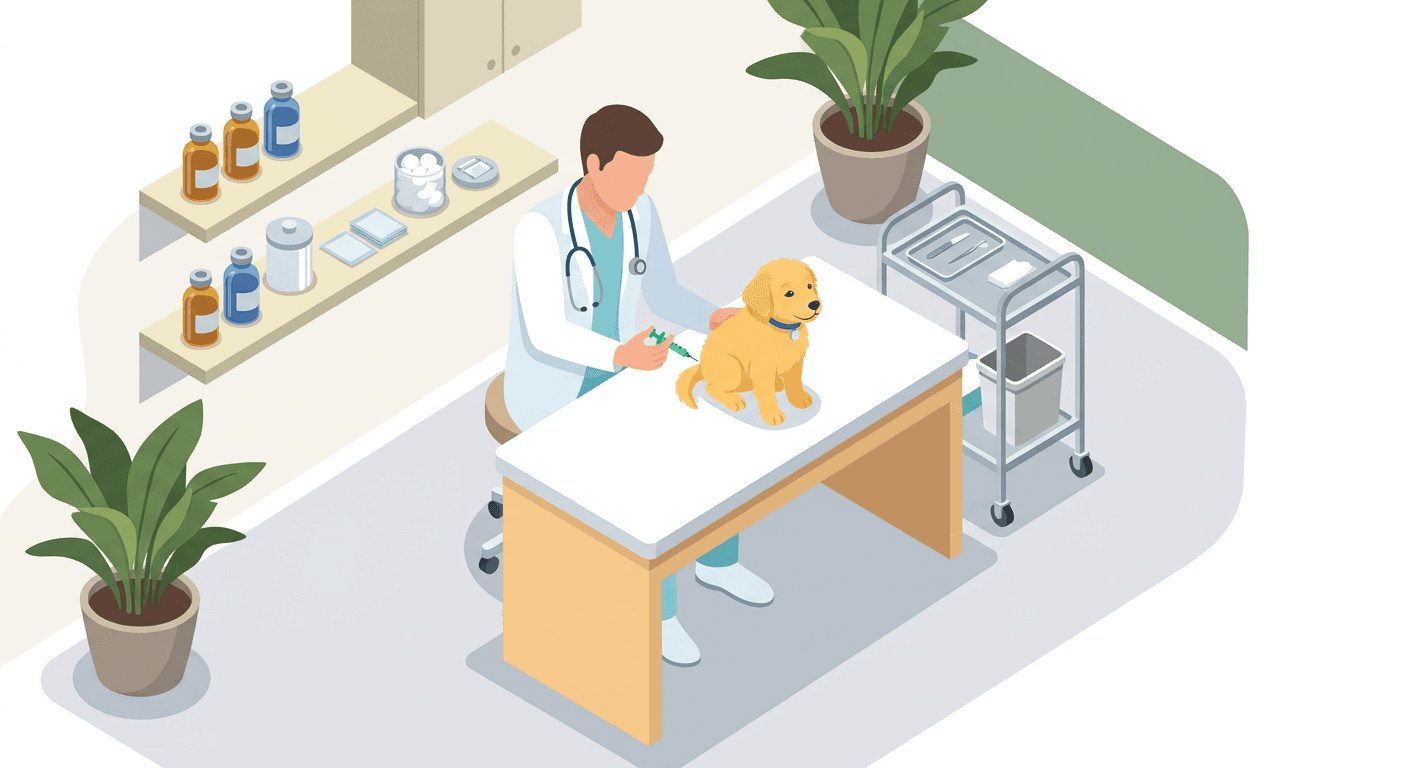
While the core vaccines provide the foundation, the "non-core" or lifestyle vaccines are where we get to have a personalized conversation about your puppy’s future adventures. These vaccines are recommended based on where you live, where you plan to take your dog, and what kind of activities you’ll do together. For example, if you live in a wooded area or near standing water, the Leptospirosis vaccine is vital. This bacterial disease is spread through the urine of wildlife like squirrels, raccoons, and deer, and it can cause devastating kidney and liver failure in dogs—and it can even be passed to you.
If your puppy is destined to be a social butterfly, frequenting doggy daycares, grooming salons, or the local dog park, the Bordetella (kennel cough) and Canine Influenza vaccines are essential. Think of these like the "common cold" shots for dogs; while they may not always prevent infection entirely, they significantly reduce the severity of the respiratory symptoms and keep your puppy from developing life-threatening pneumonia. Similarly, if you enjoy hiking in tick-heavy regions, the Lyme vaccine becomes a critical part of your preventative toolkit. My goal as your vet isn't to over-vaccinate, but to ensure your puppy is armored against the specific risks they will face in their daily life.
The Milestone Map: A Month-by-Month Breakdown
The first year of vet visits is often a whirlwind, but breaking it down into milestones can help you stay organized. Typically, the journey begins at 6 to 8 weeks. At this first visit, your puppy will receive their first DHPP shot and likely a deworming treatment. This is also the time when we discuss nutrition and start the conversation about heartworm and flea prevention. It’s a foundational visit where we establish the baseline for your puppy’s health.
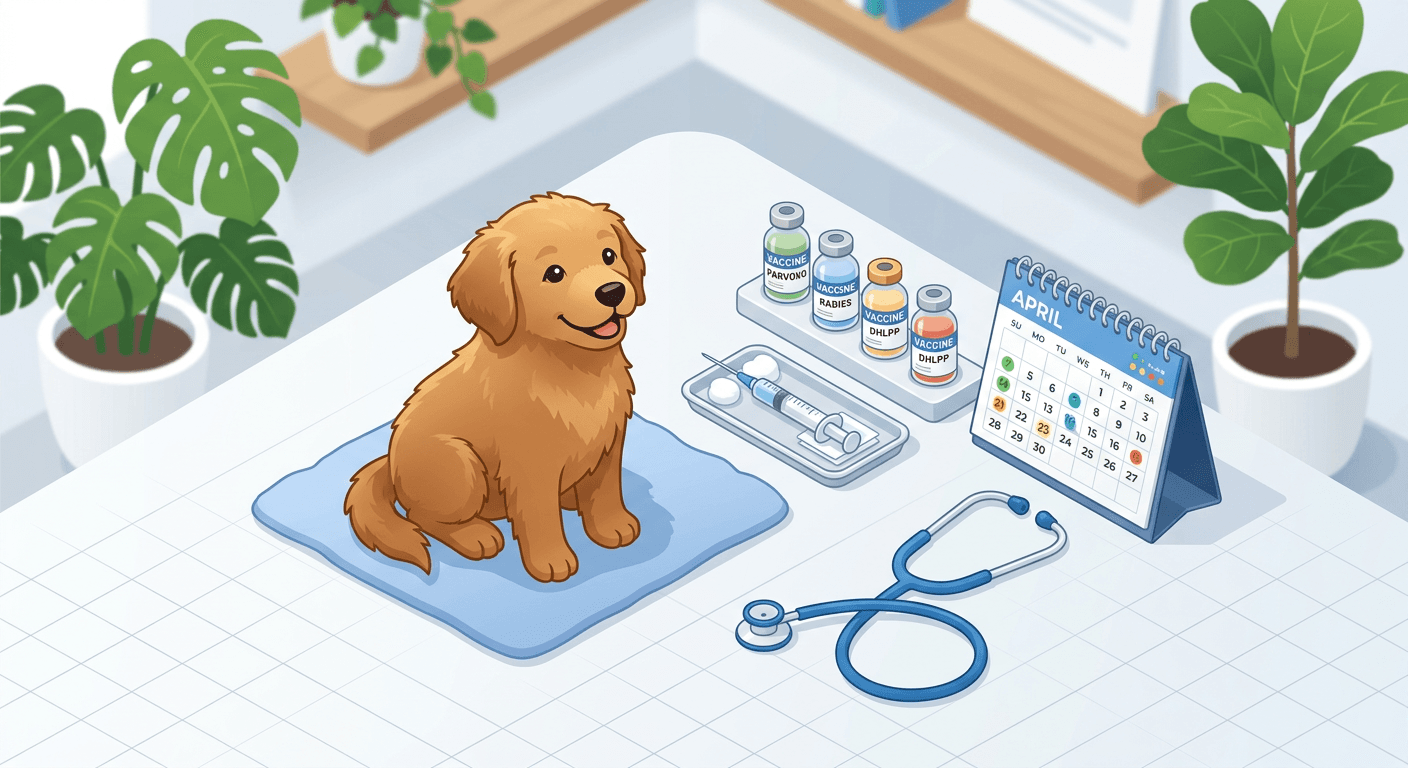
The next major milestone occurs at 10 to 12 weeks. This is often when we administer the second DHPP booster and introduce lifestyle vaccines like Bordetella or Leptospirosis. By 14 to 16 weeks, we are reaching the final stretch of the puppy series. This visit usually includes the final DHPP booster and the very important Rabies vaccine. It is critical that this final "distemper combo" happens after the puppy is 16 weeks old to ensure that the maternal antibodies are gone and the puppy’s immune system has successfully "locked in" its protection. After this, your puppy is generally considered fully vaccinated until their one-year boosters, allowing you to breathe a sigh of relief as they transition into young adulthood.
Navigating the "Socialization Gap": Safety Before Full Immunity
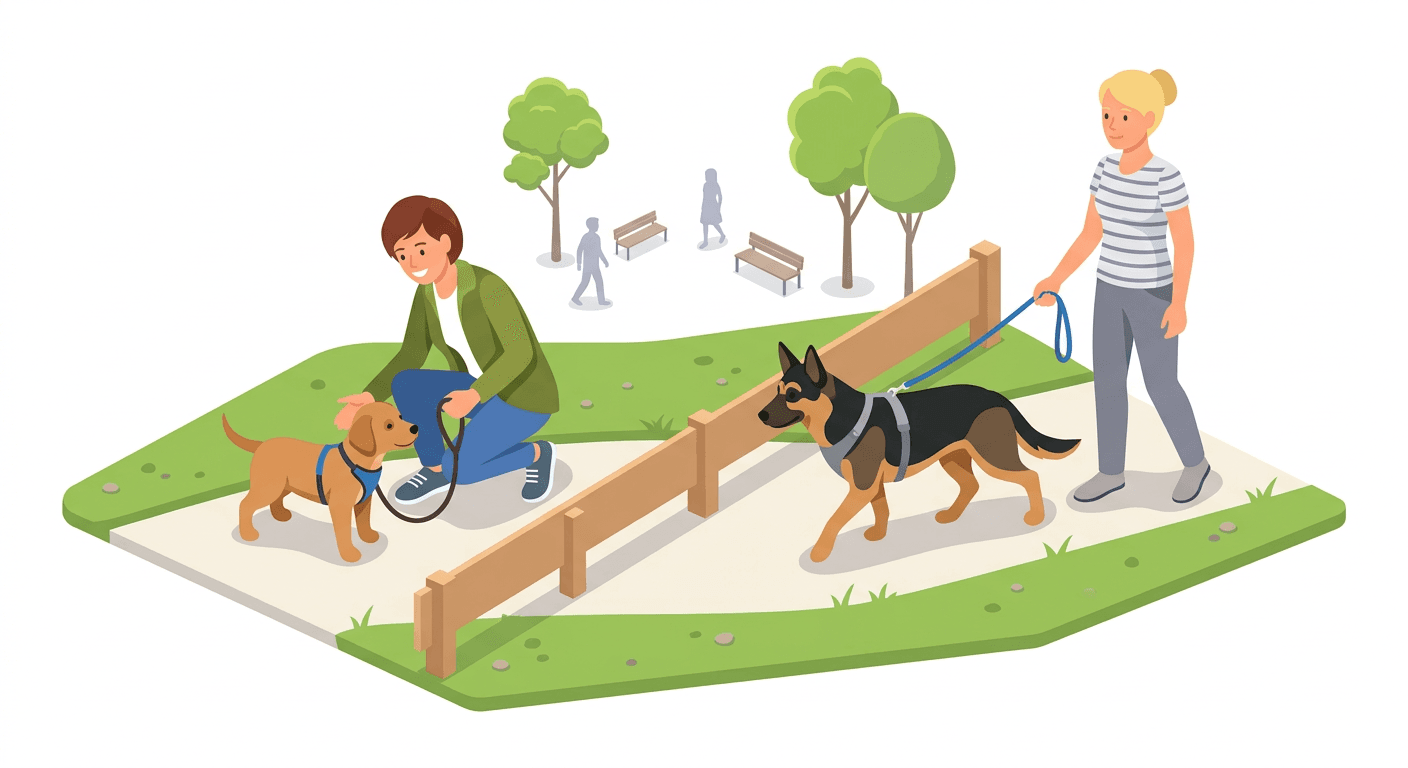
One of the most common questions I get from new puppy parents is: "When can I take my puppy outside?" This creates a bit of a paradox. On one hand, the "critical socialization period" for puppies ends around 14 to 16 weeks, which is exactly when they finish their shots. If you wait until they are fully vaccinated to expose them to the world, you might miss the window to prevent lifelong anxiety and behavioral issues. On the other hand, taking an unvaccinated puppy to a high-traffic area like a public park is like sending an unmasked toddler into a crowded room during flu season.
The key is "safe socialization." You don't have to keep your puppy in a bubble, but you do need to be strategic. Avoid public dog parks, pet stores, or any areas where unknown dogs frequent until at least two weeks after the final round of shots. However, you can have "playdates" with healthy, fully vaccinated adult dogs in a private backyard. You can carry your puppy in a sling through a busy outdoor mall to expose them to sights and sounds without their paws touching the ground. You can even take them for car rides or visit a friend’s clean home. The goal is to provide a rich sensory experience while minimizing the risk of exposure to the pathogens we are working so hard to vaccinate against.
After the Appointment: Recognizing Normal Reactions vs. Emergencies
It is completely normal to feel a bit anxious after your puppy receives their shots. Just like humans, puppies can feel a little "under the weather" after a vaccination. It is common for them to be sleepy for 24 hours, perhaps a bit sore at the injection site, or even slightly less interested in their dinner. I always tell my clients to think of it as the immune system "going to boot camp"—it’s hard work, and it can leave the body feeling a bit drained. A little extra crate time and some quiet snuggles are usually all they need to bounce back.
However, it is important to know when a reaction is moving from "normal" to "concerning." While rare, some puppies can have an allergic reaction. If you notice significant swelling around the face or eyes, hives (which look like little bumps under the fur), persistent vomiting, or difficulty breathing, you should contact your vet or an emergency clinic immediately. These reactions usually happen within minutes to a few hours of the injection. In my years of practice, these instances are the exception, not the rule, but being an informed advocate for your puppy means knowing how to spot the difference between a sleepy pup and one in distress.
Investing time and care into your puppy's vaccination schedule is more than just a medical necessity; it is an act of love that sets the stage for years of healthy, happy memories. By following a structured roadmap and working closely with your veterinarian to tailor a plan to your puppy's specific needs, you are providing them with the ultimate safety net. While the first year involves many trips to the clinic, the peace of mind that comes with knowing your best friend is protected against preventable diseases is worth every single visit. Stay diligent, stay informed, and enjoy every moment of watching your puppy grow into a strong, vibrant adult dog.
Common Questions
🤔
Frequently Asked Questions
Why do puppies need multiple vaccines instead of a single shot?▼
Puppies receive maternal antibodies from colostrum, which protect them early but can interfere with vaccines. Because these antibodies fade at unpredictable times, a single shot may not provide lasting protection. Vaccinations are given in a series every 3-4 weeks to cover the window when the puppy's own immune system starts to respond. Stopping too early can leave gaps in protection during this vulnerable period.
What are core vaccines and why are they essential?▼
Core vaccines protect against diseases that are highly contagious, widespread, or lethal, and they are recommended for all dogs. The DHPP combination covers Distemper, Hepatitis/Adenovirus, Parvovirus, and Parainfluenza, while Rabies protects against a fatal CNS disease and has public health implications. Together, these vaccines form the non-negotiable foundation of a puppy's health. Proper core vaccination dramatically reduces the risk of severe illness and death.
What is the role of non-core vaccines and how do I know which ones my puppy needs?▼
Non-core vaccines are chosen based on your puppy's lifestyle, location, and planned activities. For example, Leptospirosis vaccination is important in areas with wildlife and standing water, while Bordetella may be advised for dogs frequenting daycare or boarding. Your veterinarian will tailor the schedule to your risks and activities. These vaccines provide protection against diseases that may be less common overall but pose real risk in specific environments.
When should I start and finish the puppy vaccination schedule?▼
A typical plan begins at around 6-8 weeks of age and continues with boosters every 3-4 weeks until about 16 weeks. Rabies is usually given at or after 12-16 weeks, depending on local laws and vaccine type. Some regions require completion of the core series before certain other milestones, so your veterinarian will provide a region-specific timeline. Following the vet's schedule ensures continuous protection as the puppy grows.