Blog3/18/2026
Puppy Vaccination Schedule: First-Year Guide for New Puppy Owners
7 mins Read
The Briefing
Quick takeaways for the curious
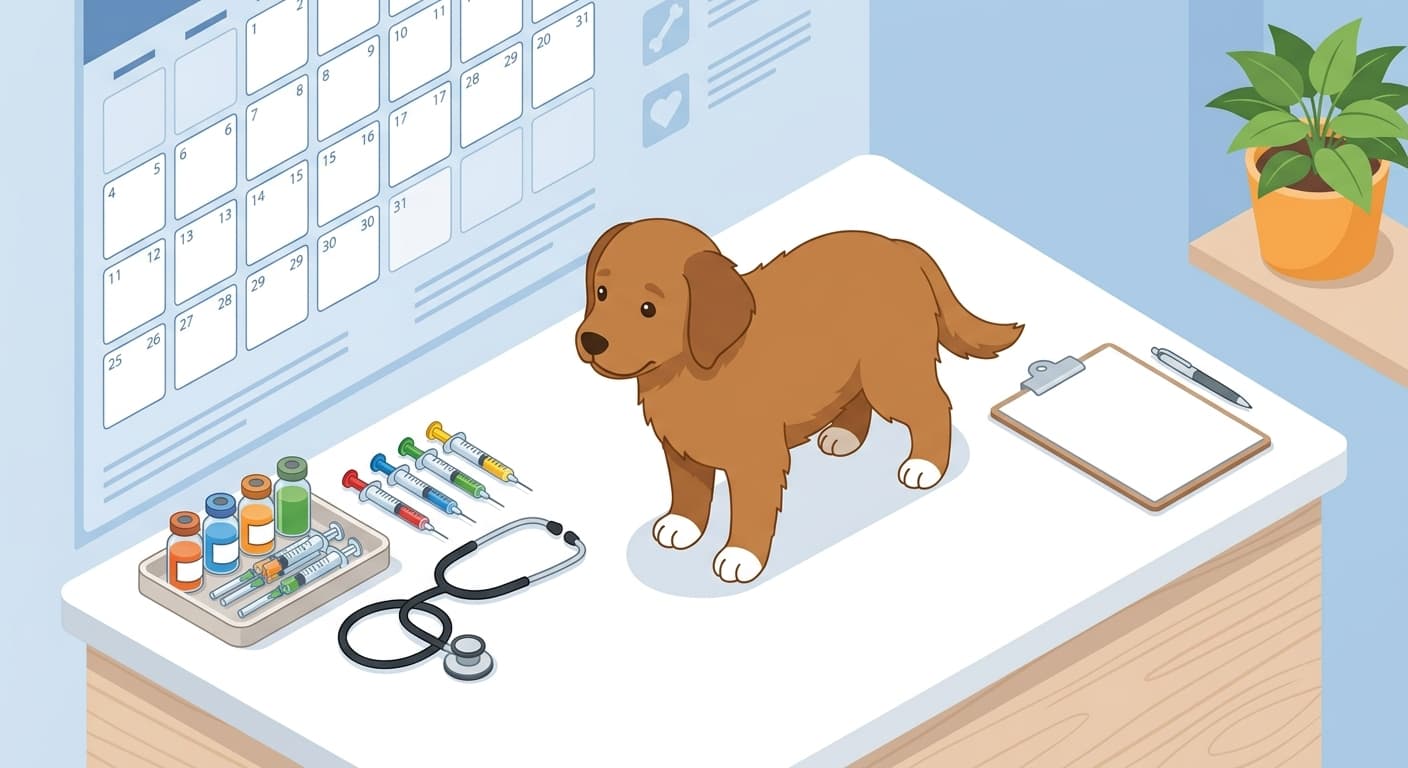
Vaccinations for puppies are given as a series over the first year to outpace the decline of maternal antibodies and build long-lasting protection.
Maternal antibodies from colostrum provide temporary immunity but can block vaccines, creating a window of susceptibility that vaccines must bridge.
A core vaccine regimen, primarily DHPP (DHP) and Rabies, protects against distemper, adenovirus/hepatitis, parvovirus, parainfluenza, and rabies—the latter often legally required and typically given at 12–16 weeks.
Non-core vaccines like Bordetella (kennel cough) are selected based on lifestyle and exposure risk, such as daycare, boarding, and dog parks.
Vaccination is coordinated by your veterinarian through a schedule of boosters every 3–4 weeks to align with the puppy’s immune readiness.
There is a unique, frantic magic in the first few weeks of bringing a puppy home—the scent of puppy breath, the sharp nip of needle-like teeth, and the overwhelming realization that this tiny, tumbling creature is now entirely dependent on you for its survival. As a veterinarian, I’ve seen the look of both joy and mild panic in a new owner's eyes, and I always tell them the same thing: the most powerful gift you can give your new companion isn't the fanciest bed or the squeakiest toy, but a robust immunological foundation built during their first twelve months of life. Navigating the world of puppy vaccinations can feel like deciphering a complex medical map, but understanding the "why" and the "when" of these shots is the key to transforming a vulnerable ball of fluff into a resilient, lifelong companion.
The Biological Bridge: Understanding Maternal Antibodies
To understand why your puppy needs a series of shots rather than just one, we have to look at the fascinating biological hand-off that occurs in the first weeks of life. When puppies are born, they receive a concentrated dose of "maternal antibodies" through their mother’s first milk, known as colostrum. This provides them with temporary, passive immunity that acts as a protective shield against the outside world. However, there is a catch: as long as these maternal antibodies are high, they can actually neutralize a vaccine before the puppy’s own immune system has a chance to learn how to fight the disease itself.
This creates a "window of susceptibility." As maternal antibodies naturally decline between six and sixteen weeks of age, there is a point where the levels are too low to protect the puppy from a real-world virus, but still high enough to interfere with a vaccine’s effectiveness. Because we cannot know the exact moment this window opens for every individual puppy, we administer vaccines in a series, typically every three to four weeks. Each "booster" is a strategic attempt to catch the immune system at the precise moment it is ready to take over the reins and build its own long-lasting defenses.
The Core Four: Defending Against the Heavy Hitters
In the veterinary world, we categorize vaccines into "core" and "non-core." Core vaccines are those that every dog, regardless of their lifestyle or geographic location, should receive because the diseases they prevent are highly contagious, often fatal, or even transmissible to humans. The cornerstone of this protection is the DHPP (or DAPP) combination vaccine, which covers Distemper, Hepatitis (Adenovirus), Parvovirus, and Parainfluenza.
Distemper is a devastating multi-systemic virus that attacks the respiratory, gastrointestinal, and nervous systems, often leaving survivors with lifelong neurological issues. Parvovirus, perhaps the most feared name in puppy ownership, is an incredibly hardy virus that causes severe, bloody vomiting and diarrhea, leading to rapid dehydration and a high mortality rate if left untreated. Adenovirus (Hepatitis) targets the liver and kidneys, while Parainfluenza is a major contributor to respiratory infections. Completing this core group is the Rabies vaccine. Rabies is not just a threat to your dog; it is a 100% fatal zoonotic disease that poses a significant public health risk. Because of this, the Rabies vaccine is the only one strictly mandated by law in most regions, typically administered once the puppy reaches 12 to 16 weeks of age.
Lifestyle Vaccines: Tailoring Protection to Your Puppy’s World
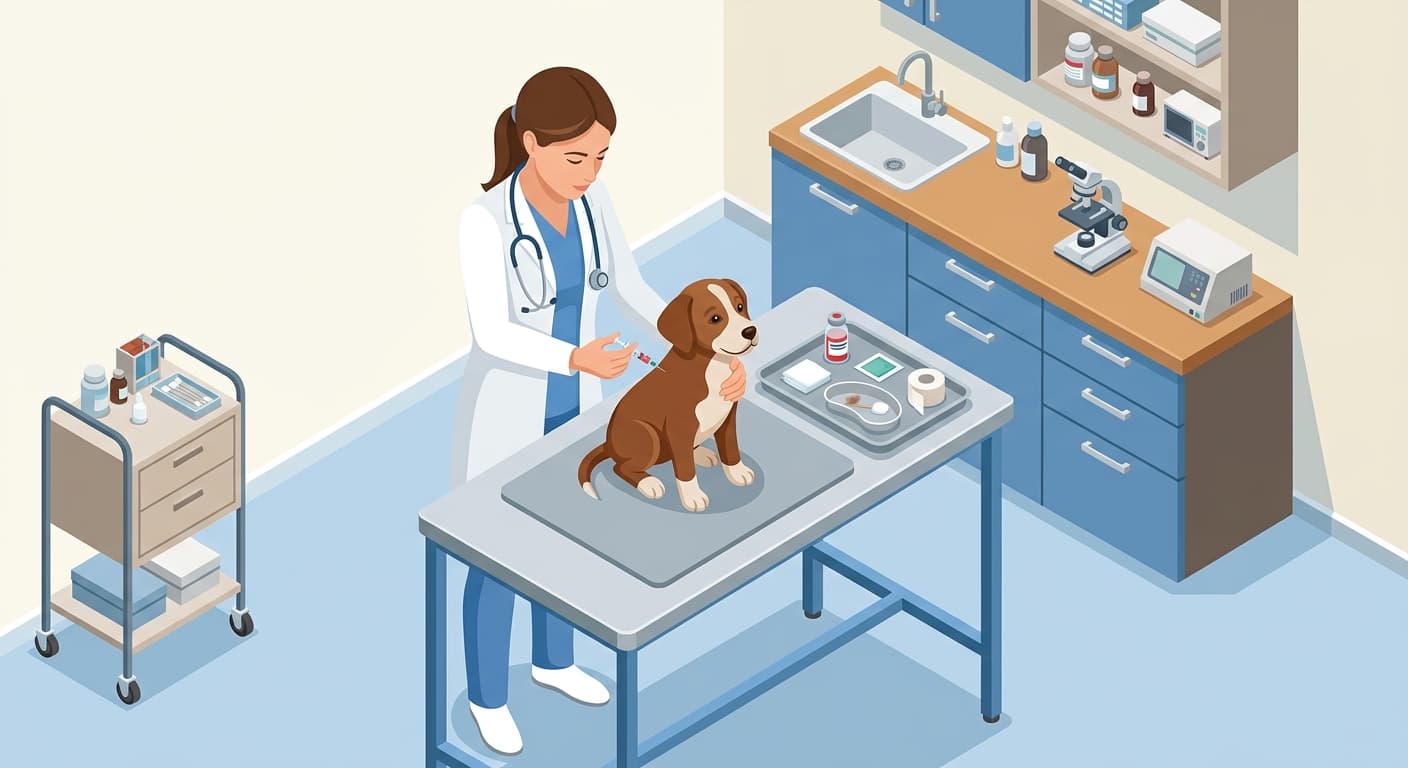
While the core vaccines provide the essential framework, the "non-core" or lifestyle vaccines allow us to customize a protection plan based on where you live and what your puppy’s daily life will look like. This is where the consultation with your veterinarian becomes truly personalized. For example, if you plan on taking your puppy to daycare, boarding facilities, or high-traffic dog parks, the Bordetella bronchiseptica vaccine (commonly known as "kennel cough") is essential. This highly contagious respiratory infection spreads through the air and on shared surfaces, and while rarely fatal, it can cause a persistent, honking cough that is distressing for both the dog and the owner.
Other lifestyle vaccines include Leptospirosis, Lyme disease, and Canine Influenza. Leptospirosis is a bacterial disease found in the urine of wildlife (like squirrels, raccoons, and deer) that can survive in stagnant water and damp soil. It is particularly dangerous because it can cause kidney and liver failure and can be transmitted to humans. If your puppy will be hiking in the woods or even just playing in a backyard frequented by wildlife, this is a critical shield. Similarly, if you live in an area where ticks are prevalent, the Lyme vaccine can provide an extra layer of defense alongside your monthly parasite preventatives. We also now see more frequent outbreaks of Canine Influenza (H3N8 and H3N2), making the "dog flu" vaccine a common recommendation for social dogs in urban environments.
The Roadmap: A Week-by-Week Vaccination Timeline
The first year of a puppy’s life is a whirlwind of growth, and the vaccination schedule is designed to mirror those developmental milestones. While every vet may have slight variations based on local disease prevalence, a standard, high-quality protocol generally follows this rhythm:
- 6 to 8 Weeks: This is usually the first visit. The puppy receives their first DHPP (Distemper, Hepatitis, Parvo, Parainfluenza) shot. We also discuss deworming, as almost all puppies are born with intestinal parasites.
- 10 to 12 Weeks: The second DHPP booster is administered. This is also the time we often start lifestyle vaccines like Bordetella and Leptospirosis, depending on the puppy’s risk factors.
- 14 to 16 Weeks: This is the "finish line" for the initial series. The final DHPP booster is given, ensuring the puppy's immune system has finally bypassed those maternal antibodies. The Rabies vaccine is also administered during this window.
- 12 Months (The First Annual Booster): One year after the final puppy shots, your dog will return for their first adult boosters. This "bridge" visit is crucial for solidifying long-term immunity.
It is important to remember that a puppy is not considered fully protected until roughly two weeks after their final round of shots. This is the period when the immune system is actively processing the vaccine and building up its arsenal of antibodies.
Navigating the "Socialization Gap" and Post-Shot Care
One of the most common questions I hear is: "If my puppy isn't fully vaccinated until 16 weeks, do I have to keep them inside until then?" This is the "socialization gap." The American Veterinary Society of Animal Behavior states that the first three months of life are the most critical for socialization. If we keep a puppy in total isolation, we risk creating a fearful, aggressive, or anxious adult dog. However, if we take them to a public park too early, we risk Parvovirus.
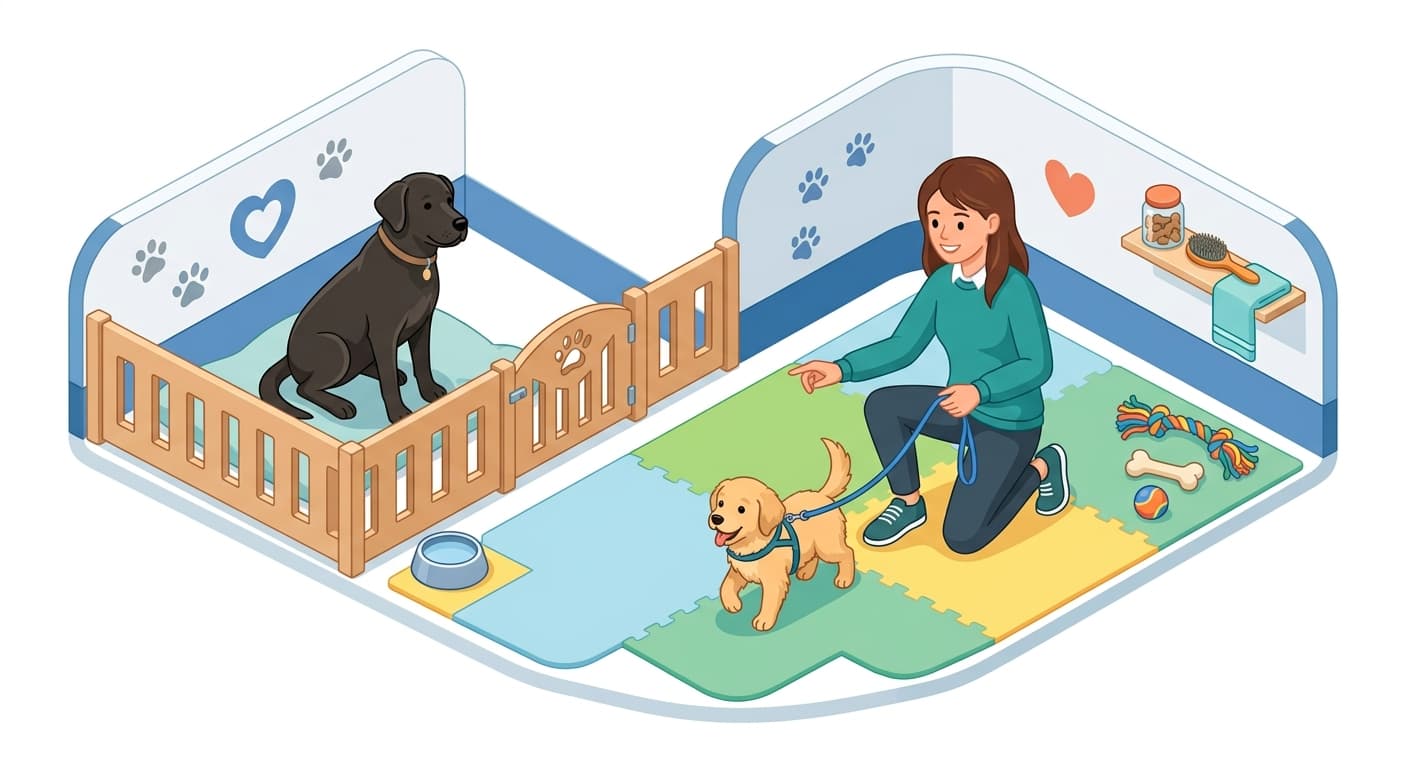
The key is "controlled socialization." You can safely introduce your puppy to other fully vaccinated, healthy adult dogs in private, clean environments like your backyard or a friend's home. Avoid public parks, pet stores, or any area where you cannot verify the vaccination status of other dogs or the cleanliness of the ground. Think of it as a "bubble" of safety that slowly expands as your puppy completes their shots.
After a vaccination visit, it is normal for your puppy to be a little sleepy or have a slightly diminished appetite for 24 hours. They may also have a small, firm lump at the injection site. However, if you notice facial swelling, hives, persistent vomiting, or extreme lethargy, you should contact your veterinarian immediately. While true allergic reactions are rare, they are medical emergencies that require prompt attention.
Providing your puppy with a structured vaccination schedule is about more than just avoiding illness; it is about providing the peace of mind that allows you to explore the world together. By working closely with your veterinarian to navigate these early months, you aren't just checking off a list of medical requirements—you are investing in a future of mountain hikes, beach runs, and quiet evenings on the sofa, free from the shadow of preventable disease. Your puppy’s journey toward a healthy adulthood starts with that first, brave needle prick, and the protection it provides will be the silent guardian of all the adventures yet to come.
Common Questions
🤔
Frequently Asked Questions
What is the 'window of susceptibility' and why does it matter?▼
Puppies begin with maternal antibodies from colostrum that protect them temporarily but can interfere with vaccines. As these antibodies wane between roughly six and sixteen weeks, there is a period when vaccination may be less effective unless vaccines are given in a series every three to four weeks, increasing the chance that the immune system is ready to build its own defense.
What are the core vaccines and why are they essential?▼
Core vaccines include DHPP (DHP) and Rabies. DHPP covers Distemper, Hepatitis caused by Adenovirus, Parvovirus, and Parainfluenza, providing broad protection against highly contagious diseases. Rabies is a legally mandated, fatal zoonotic disease, making its vaccination a critical public health measure.
What is Bordetella and when should it be considered?▼
Bordetella bronchiseptica vaccine protects against kennel cough and is considered non-core. It’s often recommended for puppies that will attend daycare, boarding facilities, or frequent dog parks, where exposure risk is higher. Your veterinarian can tailor timing based on lifestyle and local risk.
How should I structure the first-year vaccination schedule?▼
Work with your veterinarian to plan a series of vaccines every 3–4 weeks starting after the puppy is old enough to receive the first vaccines, continuing through the core protection window. Rabies is typically given around 12–16 weeks of age. Non-core vaccines are added based on lifestyle and exposure risk to provide customized protection.