Blog4/21/2026
Gentle Enrichment Games for Senior Dogs: Mindful Play
7 mins Read
The Briefing
Quick takeaways for the curious
Gentle enrichment reframes senior dog care from passive rest to active cognitive and emotional engagement that supports neurological health.
The aging canine brain benefits from cognitive reserve built through novel, gentle activities, helping maintain memory, focus, and emotional regulation.
Low-impact sensory games, especially scent-based activities like scent-based treasure hunts and snuffle mats, provide meaningful mental stimulation without requiring vigorous movement.
The olfactory system remains a reliable anchor as vision and hearing decline, so enrichment should leverage smell rather than relying on sight or sound.
Enrichment must be designed for safety and comfort, emphasizing static or low-impact activities that avoid high-speed moves and are tailored to arthritis or hip dysplasia.
There is a persistent, outdated myth in the modern pet care community that the senior years are a time for "winding down" into a life of inactivity, where the primary goal of the owner is simply to provide a soft pillow and a quiet corner. As a veterinarian consultant, I frequently speak with devoted pet parents who worry that their aging dog’s decreased mobility or slower pace means they no longer have the capacity for, or interest in, play, failing to realize that mental enrichment is often the most effective tool we have to combat cognitive decline and physical stiffness. We are finally moving toward a more sophisticated, compassionate standard of geriatric care that views gentle enrichment not as an optional pastime, but as a vital therapeutic intervention, effectively closing the gap between a senior dog who drifts into isolation and one who remains cognitively vibrant and emotionally fulfilled throughout their golden years.
The Neurobiology of Aging: Why "Use It or Lose It" Applies to Dogs
To understand why enrichment represents a paradigm shift for our silver-muzzled companions, we must first demystify the aging canine brain. Just as in humans, the canine brain undergoes structural and chemical changes as it ages, including a decrease in neuroplasticity and a potential reduction in the blood-brain barrier’s efficiency. However, research into Canine Cognitive Dysfunction (CCD) suggests that the brain is remarkably resilient. When we deprive a senior dog of new experiences, problem-solving opportunities, and sensory stimulation, we accelerate the atrophy of neural pathways. Conversely, "cognitive reserve"—the brain’s ability to improvise and find alternative ways of getting a job done—can be actively built and maintained through novel, gentle activities.
In a clinical setting, I often tell clients that a senior dog’s mind is like a muscle; if we stop asking it to flex, it loses its tone. Enrichment isn't just about fun; it is about maintaining the synaptic connections that govern memory, focus, and emotional regulation. By introducing low-impact, high-reward games, we aren't just passing the time; we are actively supporting neurological health and staving off the "fog" that often accompanies advanced age.
Low-Impact Sensory Games: Harnessing the Power of the Nose
For the aging dog, the world is often best navigated through the olfactory system rather than the visual or auditory ones. As eyesight fades or hearing becomes muffled, the nose remains a powerful, reliable anchor to reality. Sensory enrichment, particularly scent work, is the gold standard for senior play because it requires zero physical jumping, running, or high-intensity movement.
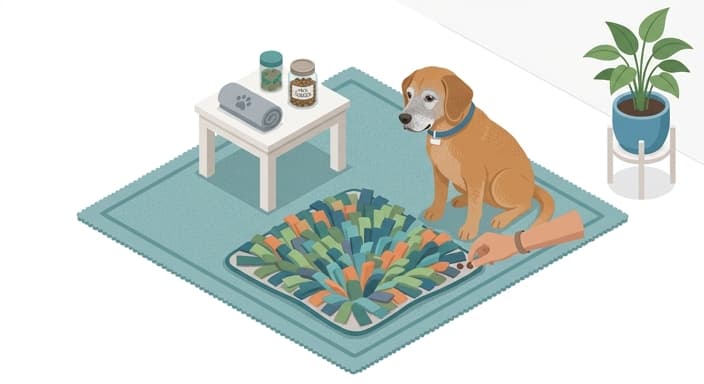
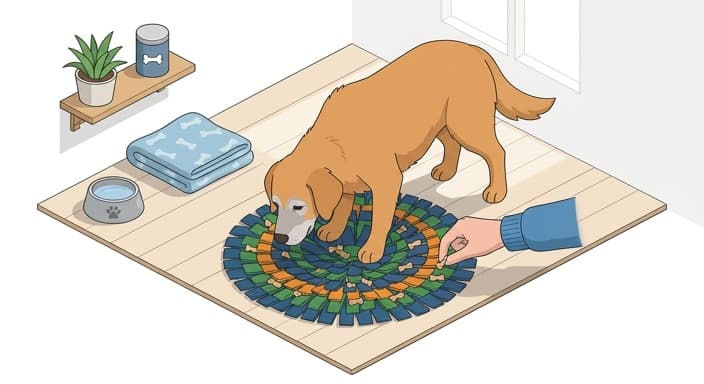
The most effective game I recommend is the "Scent Treasure Hunt." This involves taking a handful of high-value, aromatic treats and hiding them in plain sight—or slightly tucked under the edge of a rug—in a room where your dog feels safe and comfortable. Because this game requires the dog to move slowly, sniff deeply, and engage their cognitive map of the home, it provides a full mental workout without the strain of a long walk. Even for dogs with arthritis or hip dysplasia, navigating the floor to "hunt" for these rewards engages their core and encourages gentle movement. I also encourage the use of "snuffle mats," which are fabric mats with strips of fleece that hide dry food or treats. These allow the dog to forage in a natural, instinctual way while lying down, making it the perfect activity for a dog who is having a "stiff" day.
The Art of Pacing: Adapting Enrichment for Physical Limitations
A common concern I hear in the clinic is, "My dog has arthritis; won't enrichment make them more tired or sore?" This is a valid question, but the answer lies in the design of the game. Enrichment for seniors is defined by the absence of impact. We want to avoid high-speed turns, jumping, or sudden stops. Instead, we shift the focus to "static enrichment"—activities that provide high levels of mental engagement with minimal displacement.
Consider the "Stuffed Kong" or slow-feeder puzzle. Instead of a bowl, offer your dog their meal inside a frozen rubber toy or a puzzle box designed for beginners. The effort required to lick and nudge the toy to get the food out releases dopamine and keeps the dog focused for 20 to 30 minutes. This is a form of meditative play. When a senior dog is deeply engrossed in a licking activity, their heart rate slows, their muscles relax, and their stress levels drop. It is a win-win: they receive the mental stimulation they crave, and the repetitive, calming motion of licking can actually help soothe a dog who might otherwise be pacing due to discomfort or anxiety.
Managing Environmental Novelty: The "Changing Scenery" Approach
We often forget that a senior dog’s home can become a stagnant environment if nothing ever changes. In the wild, animals encounter new scents, textures, and sounds every day. In our homes, the environment is static. One of the simplest ways to provide enrichment without moving a muscle is to introduce "micro-novelties" into their living space.
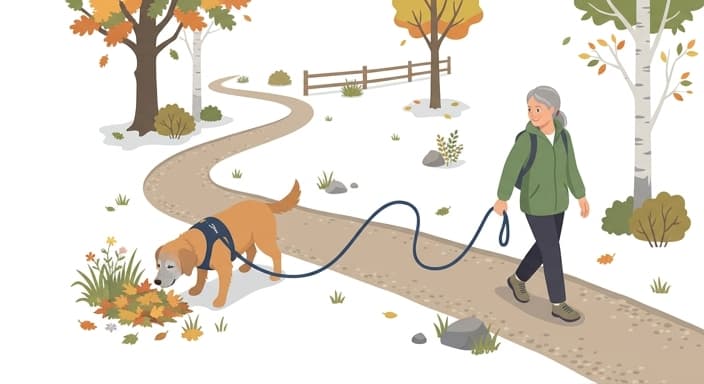
This could mean rotating their bedding, bringing in a new, safe scent (like a branch from a non-toxic tree or a piece of cardboard with an interesting texture), or simply opening a window to let in the smells of the neighborhood. I often suggest to my clients that they take their senior dog on a "sniffari"—a very short walk where the dog is allowed to stop and smell whatever they want for as long as they want, with no destination in mind. This isn't exercise; it is an information-gathering expedition. It validates their curiosity and reminds them that they are still an active participant in the world around them.
The Role of Choice and Agency in Geriatric Wellness
Perhaps the most overlooked element of senior enrichment is the restoration of choice. As dogs age, they often become passive recipients of our care—we decide when they eat, where they walk, and when they go outside. This loss of agency can lead to a sense of helplessness, which is a major contributor to behavioral decline.
You can restore a sense of agency by offering "choice-based" games. For instance, place two different scent stations on opposite sides of the room—perhaps one with a drop of diluted lavender and one with a drop of vanilla—and see which one the dog approaches. Or, offer them a choice of two different puzzle toys and let them indicate which one they want to interact with. When a senior dog is given the power to make these small, low-stakes decisions, it boosts their confidence and cognitive engagement. It shifts their perspective from "I am waiting for my owner to do something for me" to "I am actively exploring my environment." This autonomy is a powerful antidote to the feelings of vulnerability that often accompany aging.
A Holistic Commitment to Their Golden Years
As your dog moves through their senior years, your role as their guardian evolves from a provider of physical needs to a facilitator of their mental well-being. Enrichment is not about teaching an old dog new tricks; it is about honoring the intelligence, curiosity, and sensory capacity that they have possessed their entire lives. By incorporating these gentle, low-impact games, you are doing more than just keeping them busy—you are actively participating in their cognitive health and emotional resilience.
Remember that every dog’s journey is different. Some seniors may want to work for their food, while others may prefer a quiet session of sensory exploration. Pay close attention to their body language; if they seem tired, pivot to a lower-energy activity. The goal is to keep the spark alive, not to exhaust their physical resources. With patience, observation, and a thoughtful approach to play, you can ensure that your dog’s later years are not just a quiet sunset, but a vibrant and deeply meaningful chapter of their life.
Common Questions
🤔
Frequently Asked Questions
Why is enrichment important for senior dogs?▼
Enrichment is important because the aging brain benefits from stimulation to maintain neural pathways and cognitive reserve. When dogs are not challenged, cognitive decline can accelerate even with good physical care. Gentle enrichment provides mental exercise that can improve memory, focus, and emotional regulation. It’s not just entertainment; it’s a preventive therapy that complements medical care.
What are examples of low-impact enrichment activities?▼
Examples include Scent Treasure Hunt, snuffle mats, and other scent-based puzzles that allow dogs to forage while resting. These activities leverage the nose and reward-based motivation to promote mental engagement without demanding running or jumping. The key is to keep sessions short, positive, and easily accessible to avoid frustration or fatigue.
How can enrichment be adapted for dogs with mobility issues?▼
To adapt enrichment for mobility issues, prioritize static or slow-paced activities that minimize strain. Use scent games on the floor or while the dog is resting, and avoid rapid turns, jumping, or long walks during enrichment sessions. Tailor the duration to the dog's comfort, starting with a few minutes and gradually increasing if tolerated. Always monitor signs of fatigue or pain and consult a veterinarian if new symptoms arise.
How should I introduce enrichment into my daily routine?▼
To introduce enrichment into daily routine, start with one short activity per day and gradually build a predictable schedule. Use high-value treats and gentle praise to keep experiences positive and fear-free. Observe how your dog responds and adjust the difficulty or duration based on comfort and interest. If mobility or appetite changes, consult your veterinarian and adjust the plan accordingly.