Blog4/10/2026
Probiotics for Digestive Health in Dogs: Proactive Care
6 mins Read
The Briefing
Quick takeaways for the curious
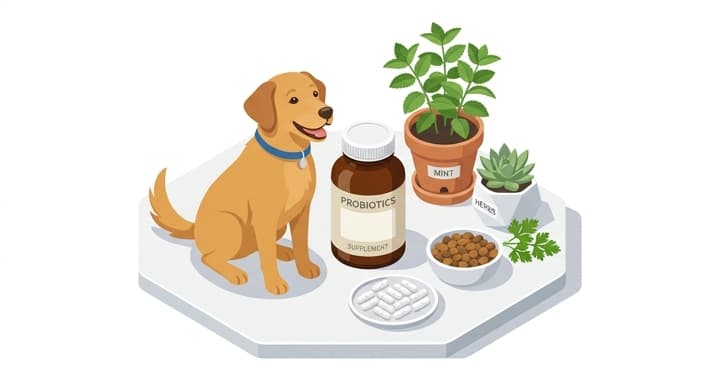
A proactive approach to canine gut health treats the microbiome as a foundational pillar of wellness rather than a last-minute fix for upset stomachs.
The canine microbiome is a complex ecosystem where balance, or eubiosis, supports immune function, vitamin synthesis, and energy from fiber fermentation, with about 70% of immune cells located in the gut.
Probiotics help by competing with harmful bacteria, lowering gut pH to deter pathogens, and supporting beneficial microbes such as Lactobacillus and Bifidobacterium.
Subtle signs of gut imbalance can appear as recurring ear infections, itchy skin, dull coat, weight changes, or anxiety, even when there is no diarrhea.
Selecting probiotics should focus on viability and real-world performance, including canine-specific strains and meaningful CFU counts, rather than marketing claims alone.
There is a persistent, outdated myth in the modern pet care community that the only time to worry about a dog’s digestive health is when they are displaying obvious signs of distress, leading many owners to believe that a "normal" stool and a lack of vomiting equate to a perfectly functioning gut. As a veterinarian consultant, I frequently speak with well-meaning pet parents who view gut health as a reactive endeavor, failing to realize that the silent, internal environment of the microbiome is the primary engine behind their dog’s immunity, energy levels, and even their behavioral stability. We are finally moving toward a more sophisticated, proactive standard of canine wellness that treats gut-supporting supplements not as a "last resort" for upset stomachs, but as a foundational pillar of preventative medicine, effectively closing the gap between a pet who merely survives and a companion who thrives from the inside out.
The Holistic Architecture of the Canine Microbiome
To understand why proactive supplementation is a game-changer, we must first look at the "hidden organ" that is the canine gut. The microbiome is not just a collection of bacteria; it is a complex, sentient-like ecosystem composed of trillions of microorganisms, including bacteria, fungi, and protozoa, that reside primarily in the large intestine. When this ecosystem is in balance—a state we call eubiosis—it performs a miraculous array of tasks: it synthesizes essential vitamins, ferments dietary fiber into energy-rich short-chain fatty acids, and acts as the "gatekeeper" of the immune system. In fact, nearly 70% of a dog's immune cells are located within the gastrointestinal tract.
When we introduce high-quality probiotics, we are not simply adding "good bacteria"; we are performing a tactical recalibration of the gut landscape. Probiotics—defined as live microorganisms that, when administered in adequate amounts, confer a health benefit on the host—work by competing with pathogenic bacteria for resources and attachment sites on the intestinal wall. They also lower the pH of the gut, creating an environment that is hostile to "bad" bacteria like Salmonella or E. coli while providing a nutrient-rich sanctuary for beneficial microbes like Lactobacillus and Bifidobacterium.
Identifying the Need: Beyond the Occasional Tummy Ache
Many owners ask me, "If my dog isn't having diarrhea, why would they need a probiotic?" The answer lies in the subtle markers of sub-optimal gut health. While acute digestive upset is the most visible sign of dysbiosis, the internal imbalance often manifests in ways that are easily overlooked or misattributed to other causes. I often advise clients to look for the "silent signals" of an unhappy gut. These include recurring ear infections, persistent itchy skin, lackluster coat quality, unexplained weight fluctuations, or even mild, chronic anxiety.
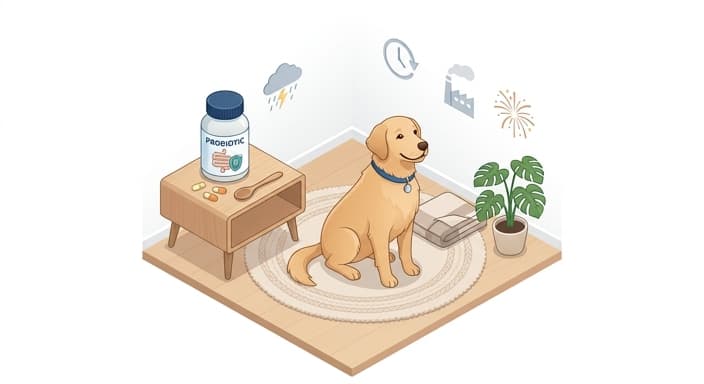
Because the gut-brain axis is a bidirectional highway, the health of the microbiome directly influences the production of neurotransmitters like serotonin. A dog with an inflamed or imbalanced gut is often a dog that struggles with self-regulation and stress. Furthermore, environmental stressors—such as boarding, travel, a move to a new house, or even a change in the weather—can trigger a temporary shift in the gut flora. By keeping a dog on a consistent probiotic regimen, we provide a buffer against these stressors, ensuring that the microbiome remains resilient rather than reactive.
Decoding Probiotic Labels: CFU, Strains, and Survivability
Not all probiotics are created equal, and the supplement aisle can be a minefield of marketing fluff. When selecting a product for your dog, you must look past the flashy packaging and focus on the science of "viability." First, consider the Colony Forming Units (CFUs). While a high number is important, it is not the only metric; a product with 5 billion CFUs of a stable, canine-specific strain is vastly superior to a product with 50 billion CFUs of a strain that dies before it reaches the target destination.
The most critical factor, however, is the survivability of the bacteria. The canine stomach is highly acidic, designed to break down tough proteins and bones; unfortunately, this acid can also destroy many probiotic strains before they reach the small and large intestines. Look for products that utilize micro-encapsulation or specific delivery technologies designed to survive the gastric transit. Additionally, seek out canine-specific strains like Enterococcus faecium or Bifidobacterium animalis, which have been extensively studied and proven effective in clinical trials for dogs. Always verify that the product is third-party tested and that the manufacturer provides a clear expiration date; probiotics are living organisms, and their efficacy wanes over time.
Integrating Probiotics into Your Dog’s Daily Wellness Routine
Transitioning your dog to a probiotic supplement is rarely a "one-size-fits-all" process. As a veterinarian, I recommend a gradual approach to minimize any temporary gas or bloating that can occur while the gut flora adjusts. Start with a half-dose for the first week, monitoring your dog's stool consistency and appetite. If everything remains stable, move to the full recommended dosage on the label.
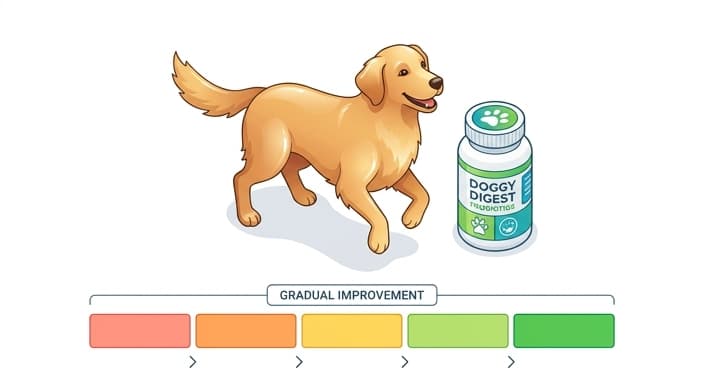
I often suggest pairing probiotics with a high-quality prebiotic—non-digestible fibers like inulin or beet pulp that act as "fuel" for the good bacteria. Think of the probiotic as the seed and the prebiotic as the fertilizer; together, they create a synergistic environment that allows the beneficial colony to thrive long-term. Consistency is the primary driver of success here. Unlike a pharmaceutical that provides a quick, symptomatic fix, probiotics are a slow-burn intervention. You may not see a "miracle" in 24 hours, but over the course of 4 to 8 weeks, you will likely notice a more vibrant energy level, a shinier coat, and a more predictable digestive rhythm.
When to Consult Your Veterinarian
While probiotics are generally considered safe and highly beneficial, they are not a replacement for veterinary diagnostics in the face of serious illness. If your dog is experiencing persistent vomiting, blood in the stool, extreme lethargy, or sudden weight loss, a probiotic is not the solution—an immediate physical exam is. Probiotics are best viewed as a foundational layer of health rather than a treatment for acute, life-threatening pathologies.
If your dog is currently on antibiotics, the timing of probiotic administration is crucial. Antibiotics are indiscriminate killers; they will destroy both the pathogenic bacteria you are trying to treat and the beneficial bacteria you are trying to cultivate. In these cases, I advise administering the probiotic at least two to three hours apart from the antibiotic dose to give the beneficial bacteria a fighting chance at colonization. Always keep your primary veterinarian in the loop; they can help tailor the specific strain to your dog’s unique medical history and current health status.
The Future of Proactive Pet Wellness
We are currently in a golden age of veterinary nutrition, where we are finally acknowledging the profound connection between the gut and the rest of the body. By moving away from the reactive mindset of the past and embracing the science of the microbiome, we are empowering ourselves to be better stewards of our dogs' health. Probiotics represent a low-risk, high-reward investment that supports the very core of your dog’s biology. When you prioritize the health of their "hidden organ," you aren't just preventing digestive issues—you are investing in their longevity, their immunity, and their daily vitality. The goal is not just to keep them from getting sick, but to provide them with the biological foundation they need to live their best, most vibrant life by your side.
Common Questions
🤔
Frequently Asked Questions
Why should I consider giving my dog a probiotic even if they aren’t experiencing diarrhea?▼
Subtle signs of suboptimal gut health can manifest as issues like recurring ear infections, itchy skin, a dull coat, or unexplained weight changes, long before overt diarrhea appears. The gut plays a central role in immunity, energy, and even behavior, so maintaining a balanced microbiome helps prevent problems and supports resilience to stress. A consistent probiotic regimen can help keep the microbiome in a stable state, reducing the likelihood that minor stressors will trigger dysbiosis.
How do probiotics influence the gut-brain connection and behavior in dogs?▼
The gut and brain communicate bidirectionally through the gut-brain axis, and the microbiome influences neurotransmitter production such as serotonin. When the gut is inflamed or imbalanced, a dog may struggle with self-regulation and stress. By supporting a balanced microbiome, probiotics can contribute to better stress resilience and steadier behavior, particularly during environmental changes or boarding.
What should I look for on a probiotic label for dogs to ensure quality?▼
Prioritize viability by looking at the label for Colony Forming Units (CFUs) and the specific strains included, with an emphasis on canine-adapted formulations. A high CFU count alone isn’t enough; the product should feature stable, canine-specific strains and evidence of survivability through the digestive tract. Avoid marketing fluff and seek products with transparent, science-backed labeling that details the strains and expected potency at the time of use.
How can environmental stressors affect a dog’s gut health, and how do probiotics help during these times?▼
Environmental stressors such as boarding, travel, moves, or weather changes can shift the gut flora and transiently destabilize the microbiome. Probiotics provide a buffering effect, helping maintain a resilient gut ecosystem so the microbiome remains less reactive to stress. This resilience supports digestion, immunity, and mood stability during periods of change.