Blog4/12/2026
Probiotics for Cat Gut Health: Benefits and Essential Tips
6 mins Read
The Briefing
Quick takeaways for the curious
Probiotics help maintain eubiosis in a cat's gut, supporting digestion, immunity, and resilience against pathogens.
A balanced gut microbiome reduces gut permeability and systemic inflammation, potentially easing chronic diarrhea, skin allergies, and behavioral changes.
Cats require species-specific probiotic strains, such as Enterococcus faecium and Bifidobacterium animalis, to ensure survival and meaningful benefits in their unique digestive system.
The delivery method matters: choose a palatable option (powder, chew, or gel) that can be easily integrated into meals to avoid stress and poor adherence.
Because about 70% of a cat's immune system resides in the gut-associated lymphoid tissue (GALT), supporting the microbiome can bolster immune function and even influence overall well-being.
There is a persistent, outdated myth in the modern pet care community that a cat’s recurring digestive issues—such as hairballs, occasional soft stools, or a finicky appetite—are simply "part of being a cat" or an unavoidable byproduct of their independent, obligate carnivore nature. As a veterinarian consultant, I frequently speak with frustrated pet parents who view their cat's gastrointestinal struggles as a minor, albeit messy, inconvenience, failing to realize that the gut is the command center of the entire feline immune system. We are finally moving toward a more sophisticated, proactive standard of wellness that treats the microbiome not as an afterthought, but as a foundational pillar of systemic health, effectively closing the gap between a cat who experiences constant digestive volatility and one who enjoys robust, sleek vitality from the inside out.
The Microbiome Revolution: Understanding the Feline Gut Ecosystem
To understand why probiotics are a game-changer for our feline companions, we must first look at the "microbial landscape" that lives within their digestive tracts. A cat’s gut is home to trillions of bacteria, fungi, and viruses, collectively known as the microbiome. When this ecosystem is in balance—a state known as eubiosis—these beneficial microbes act as a protective barrier, synthesizing essential B vitamins, fermenting dietary fibers into energy-rich short-chain fatty acids, and crowding out harmful pathogens like Salmonella or Clostridium.
However, the modern feline lifestyle is often at odds with this delicate internal architecture. From the stress of environmental changes and multi-cat households to the frequent use of antibiotics and the consumption of highly processed diets, the feline gut is under constant assault. When the microbial balance shifts, leading to dysbiosis, the protective lining of the gut becomes permeable, often referred to as "leaky gut." This allows toxins to escape into the bloodstream, triggering systemic inflammation that can manifest as chronic diarrhea, skin allergies, or even behavioral shifts. By introducing high-quality probiotics, we are not just "fixing" a stomach ache; we are re-seeding the internal terrain with the "good guys" necessary to restore order, immunity, and digestive efficiency.
Why Cats Aren't Just Small Dogs: The Specific Needs of the Feline Gut
One of the most common mistakes I see in clinical practice is the assumption that any probiotic will do. Cats are obligate carnivores with a digestive tract specifically designed for high-protein, animal-based diets. Their transit time is significantly shorter than that of a dog, and their gut pH is unique. Because of this, the bacterial strains that thrive in a canine gut may not necessarily colonize or provide the same benefits in a feline gut.
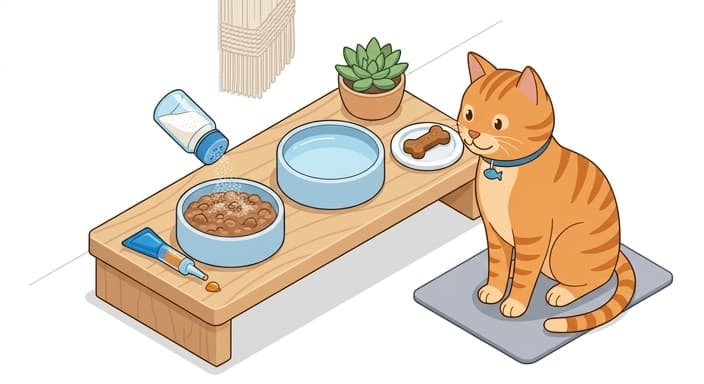
When selecting a probiotic for your cat, you must look for species-specific strains. Enterococcus faecium and Bifidobacterium animalis are two of the most well-researched strains in feline veterinary medicine. These microbes are hearty enough to survive the highly acidic environment of a cat's stomach, ensuring they arrive at the small and large intestines ready to work. Furthermore, because cats are notoriously sensitive to flavors and textures, the delivery method matters. Whether it is a flavorless powder, a palatable chew, or a gel, the probiotic must be easily integrated into their meal without triggering their "finicky" alarm. If a cat refuses to eat because of an added supplement, the stress of the situation will only further disrupt their delicate microbiome.
Beyond Digestion: The Immune and Behavioral Connection
The benefits of probiotics extend far beyond the litter box. Did you know that approximately 70% of a cat’s immune system is located in the gut-associated lymphoid tissue (GALT)? When we support the gut microbiome, we are essentially training the immune system to distinguish between harmless dietary proteins and dangerous invaders. This is why many cats with chronic, unexplained skin conditions or seasonal allergies see a marked improvement after a multi-week course of targeted probiotics; by calming the immune system at its source, we reduce the systemic inflammation that causes itchy, irritated skin.
Interestingly, we are also seeing a growing body of evidence regarding the "gut-brain axis" in cats. The gut produces a significant amount of serotonin—the "feel-good" neurotransmitter. When a cat’s gut is in a state of inflammation, it can impact their mood, leading to increased anxiety, irritability, or social withdrawal. I have worked with many owners of "spicy" or anxious cats who noticed that after addressing underlying digestive discomfort with probiotics, their cat’s temperament mellowed significantly. They weren't just "grumpy"—they were dealing with internal physical stress. A healthy gut is quite literally a happier gut.
Recognizing the Signs: When Your Cat Needs a Probiotic Boost
How do you know if your cat could benefit from a probiotic? While I always recommend a consultation with your veterinarian to rule out parasites or underlying diseases like hyperthyroidism or inflammatory bowel disease (IBD), there are clear red flags that suggest the microbiome is struggling.
Watch for "silent" symptoms. While diarrhea is an obvious indicator, subtle cues are often missed. These include:
- Persistent Hairballs: While some grooming-related hairballs are normal, frequent, or daily regurgitation often points to poor motility and an imbalanced gut flora.
- Fluctuating Appetite: A cat who picks at their food or frequently changes their preference may be experiencing low-grade nausea or indigestion.
- Dull Coat or Flaky Skin: If your cat's fur lacks its natural luster despite a high-quality diet, it may be a sign that they aren't absorbing nutrients efficiently due to microbial imbalance.
- Litter Box Aversion: Sometimes, a cat associates the litter box with the pain or urgency caused by digestive upset, leading them to avoid the box entirely.
If you notice these patterns, incorporating a high-quality probiotic is a low-risk, high-reward intervention. Start slowly to allow your cat's system to adjust, and always ensure the product contains a guaranteed CFU (colony-forming unit) count to ensure the bacteria are actually alive and active when they reach your cat's bowl.
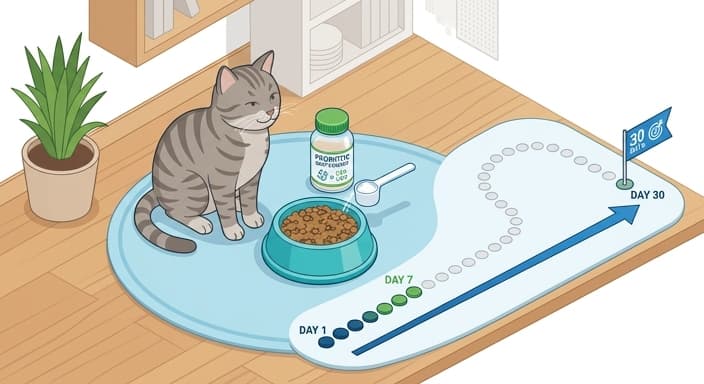
Implementing a Probiotic Protocol: Consistency is Key
The most important takeaway for any pet parent is that probiotics are not a "quick fix" like an antacid. They are a form of biological maintenance. It takes time for new, beneficial bacteria to colonize the gut and displace the undesirable species that have taken over. I typically advise my clients to commit to a 30-day "loading phase" to see a noticeable difference in stool quality and energy levels.
To ensure success, consider these three tips:
- Avoid Heat: Never mix probiotics into steaming hot food, as the heat can kill the beneficial bacteria before your cat even takes a bite. Room temperature or cool wet food is the ideal vehicle.
- Look for Prebiotics: A "synbiotic" product—which contains both probiotics (the bacteria) and prebiotics (the fuel for the bacteria, like inulin or FOS)—is often more effective. It provides the "seeds" and the "fertilizer" simultaneously.
- Monitor the Litter Box: Keep a mental (or physical) log of your cat’s stool consistency. You are looking for a transition toward a firm, well-formed, and consistent stool. If you see signs of constipation or increased gas, consult your vet; you may simply need to adjust the dosage or switch the strain.
Ultimately, we want our cats to thrive, not just survive. By viewing their gut health as a dynamic, living ecosystem that requires our support, we move away from reactive medicine and toward a model of longevity. Whether your cat is a young, curious explorer or a dignified senior navigating the challenges of aging, a healthy microbiome is the silent partner in their overall wellness journey. Taking the time to nurture their gut today is one of the most effective ways to ensure many more years of purrs, play, and peaceful companionship.
Common Questions
🤔
Frequently Asked Questions
What signs indicate a cat might benefit from probiotics?▼
Recurring digestive issues such as hairballs, occasional soft stools, or a finicky appetite can signal a gut imbalance where probiotics may help. A balanced microbiome supports digestion by improving stool consistency and nutrient absorption, and it can bolster overall wellness. Responses to probiotics can vary, and some cats may take several weeks to show benefits. Always work with a veterinarian to rule out other conditions and to choose the right probiotic formulation for your cat.
How do probiotics interact with the feline immune system?▼
The gut hosts roughly 70% of a cat's immune system in the gut-associated lymphoid tissue (GALT). Probiotics help train the immune system to distinguish harmless dietary proteins from pathogens by promoting a balanced microbial milieu. This can reduce chronic inflammation and support barrier integrity, helping prevent systemic issues beyond the gut.
Which probiotic strains are best for cats and why?▼
Species-specific strains perform better in felines; common and well-researched options include Enterococcus faecium and Bifidobacterium animalis. These strains are more likely to survive the stomach's acidity and reach the intestines where they can exert benefits. When choosing a product, ensure it is formulated for cats and provides clinically relevant probiotic counts.
How should I introduce probiotics into my cat's routine?▼
Choose a delivery format that suits your cat's preferences—powder to mix with food, a palatable chew, or a gel—and start with a small amount. Introduce it gradually and monitor for changes in appetite, stool, and behavior. Maintain consistency and consult a veterinarian if there is no improvement or if your cat has underlying health issues.