Blog4/5/2026
Probiotics for Canine Gut Health: Proactive Support
6 mins Read
The Briefing
Quick takeaways for the curious
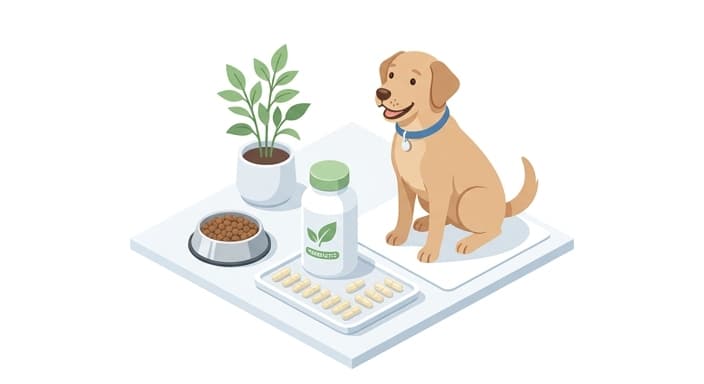
Probiotics should be part of a proactive, gut-first wellness strategy, not just a quick fix for diarrhea or a reaction to symptoms.
The canine gut is the largest immune organ in the body, and a balanced microbiome helps defend against pathogens and support nutrient absorption.
Modern factors like processed diets, antibiotics, stress, and environment can disrupt the microbiome, making targeted probiotic support more important than ever.
Subtle signs of gut imbalance include skin and ear issues, dull coats, behavioral changes, and signs like excessive gas or flatulence, underscoring the gut-brain-immune axis.
Choosing a probiotic should emphasize evidence-based strains over sheer CFU counts, with careful attention to product labeling and veterinary guidance.
There is a persistent, outdated myth in the canine wellness community that a dog’s digestive system is an indestructible machine capable of processing anything from table scraps to low-quality kibble without consequence, leading many owners to believe that "stomach sensitivity" is simply a character flaw of their pet. As a veterinarian consultant, I frequently speak with devoted pet parents who view their dog’s chronic gas, loose stools, or recurring skin allergies as isolated incidents, failing to realize that these are often the external manifestations of a compromised internal ecosystem. We are finally moving toward a more sophisticated, proactive standard of canine gut health that leverages targeted probiotic intervention not as a mere remedy for diarrhea, but as a foundational pillar of systemic immunity, effectively closing the gap between basic digestion and the complex, microbiome-driven vitality our dogs require to thrive.
The Biological Reality of the Canine Microbiome
To understand why probiotic support is non-negotiable for our modern dogs, we must first look at the biological reality of the canine gastrointestinal tract. The gut is far more than a simple digestive tube; it is the largest immune organ in the dog’s body, housing trillions of microorganisms collectively known as the microbiome. This diverse community of bacteria, fungi, and viruses exists in a delicate, symbiotic balance. In a healthy dog, these beneficial microbes act as the first line of defense, fermenting dietary fibers into short-chain fatty acids that nourish the gut lining, crowding out pathogenic invaders like Salmonella or E. coli, and synthesizing essential vitamins.
However, the modern lifestyle of the domestic dog—characterized by processed diets, frequent use of antibiotics, environmental pollutants, and chronic stress—frequently disrupts this fragile equilibrium. When the population of beneficial bacteria (the "good guys") declines, the gut barrier becomes compromised, leading to a state of dysbiosis. This isn’t just a matter of an upset stomach; it has a ripple effect throughout the entire body. Because nearly 70% of a dog's immune system resides in the gut, a dysbiotic microbiome can lead to chronic inflammation, poor nutrient absorption, and even behavioral shifts. Recognizing that the gut is the command center for health is the first step toward moving from reactive medicine to proactive, gut-first wellness.

Recognizing the Invisible Signs of Gut Imbalance
Many pet owners assume that if their dog isn't vomiting or having severe diarrhea, their gut health must be optimal. As a veterinarian, I often have to point out the more subtle, "invisible" signs that a dog’s microbiome is struggling. Often, the gut speaks through the skin, the ears, and even the temperament of the dog. Because the gut-brain axis is a two-way communication highway, a dysbiotic gut can contribute to increased anxiety, restlessness, or a lack of focus.
Furthermore, many recurring dermatological issues—such as chronic ear infections, itchy paws, or dull coats—are actually manifestations of systemic inflammation triggered by an "leaky" gut, where undigested proteins and toxins leak into the bloodstream, forcing the immune system into overdrive. If you notice your dog has persistent bad breath, excessive flatulence, or a frequent need for "bottom scooting" despite having clean anal glands, these are significant red flags. By addressing these early through high-quality probiotic supplementation, we can often resolve these chronic issues at their root rather than repeatedly masking them with steroids or antibiotics.
Selecting the Right Probiotic: Decoding the Labels
Not all probiotics are created equal, and the supplement aisle can be incredibly overwhelming for the average pet parent. When I consult with clients, I emphasize that you are looking for specific, evidence-based strains, not just a high "CFU" count. CFU stands for Colony Forming Units, and while a high number looks good on the bottle, it means nothing if the bacteria cannot survive the harsh, acidic environment of the canine stomach.
When selecting a product, look for "canine-specific" strains. While humans and dogs share some microbial similarities, their guts are uniquely evolved; strains like Enterococcus faecium, Bifidobacterium animalis, and Lactobacillus acidophilus have extensive clinical research supporting their efficacy in dogs. Additionally, check for the presence of prebiotics—the "fuel" that helps the probiotics thrive. A high-quality supplement often includes fructooligosaccharides (FOS) or inulin, which act as food for the beneficial bacteria. Finally, ensure the packaging is designed to maintain viability. Probiotics are living organisms, and they are sensitive to heat, light, and moisture. If the product arrives in a clear plastic bottle that has been sitting on a shelf for months, the bacteria inside are likely long dead.
The Integration Strategy: How to Start
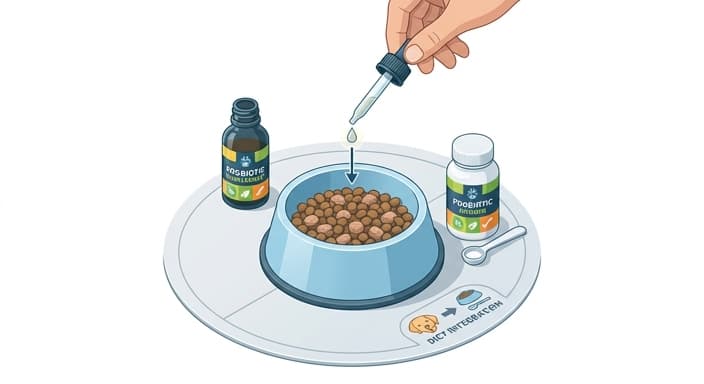
Introducing probiotics into your dog’s routine should be a slow and steady process. Sudden changes in the microbiome can sometimes cause temporary bloating or loose stools, which can discourage pet owners from continuing. I always recommend a "low and slow" approach. Start with a smaller dose than recommended on the label for the first three to five days to allow the gut to adjust to the new influx of beneficial microbes.
It is also crucial to consider the delivery method. Some dogs will happily eat a probiotic powder mixed into their food, while others may require a chew or a capsule hidden in a treat. If you are using a probiotic to manage a specific issue, such as recovery from a course of antibiotics, consistency is the single most important factor. Antibiotics are indiscriminate—they kill both the bad bacteria causing the infection and the good bacteria necessary for health. To restore balance, continue the probiotic supplementation for at least two to four weeks after the antibiotic course has concluded. Remember, healing the gut is not a sprint; it is an investment in the long-term metabolic and immune health of your companion.
Beyond Supplementation: Cultivating Gut Resilience
While supplements are a powerful tool, they should be viewed as a boost to—not a replacement for—a high-quality, biologically appropriate diet. A diet high in ultra-processed ingredients, synthetic fillers, and excessive starches can create an environment where bad bacteria thrive, effectively undoing the benefits of your probiotic regimen. If possible, prioritize fresh, whole-food ingredients that provide natural fiber, which acts as a prebiotic, feeding the beneficial bacteria you are working so hard to establish.
Additionally, don't underestimate the role of environmental enrichment in gut health. Chronic stress triggers the release of cortisol, which is a known disruptor of the gut lining and the microbiome. Ensuring your dog has adequate mental stimulation, physical exercise, and a stable, predictable routine is just as vital to their digestive health as the supplements you add to their bowl. By taking this holistic view—combining high-quality, targeted probiotics with a species-appropriate diet and a low-stress lifestyle—you are building a robust internal foundation that will serve your dog well into their senior years.
Ultimately, the goal of prioritizing gut health is to provide our dogs with the internal resilience they need to handle the challenges of modern life. When we look past the surface-level symptoms and focus on the trillions of tiny allies living within our pets, we move away from treating illnesses and toward fostering genuine, radiant health. By choosing the right probiotics, feeding with intention, and monitoring the subtle signals of their digestive system, we become true partners in our dogs' well-being, ensuring they remain happy, comfortable, and vibrant for all the years we are lucky enough to share with them.
Common Questions
🤔
Frequently Asked Questions
What makes a probiotic evidence-based for dogs, and why does that matter?▼
Not all probiotics deliver the same benefits. Look for specific, evidence-backed strains rather than relying on a high CFU count alone, and prefer products supported by veterinary or peer-reviewed research. The goal is strains that survive the canine GI tract, colonize effectively, and demonstrate measurable health impacts. Always consider veterinary guidance when selecting a probiotic for your dog.
What signs might indicate gut dysbiosis beyond vomiting or diarrhea?▼
Many dogs exhibit subtle signs that point to gut imbalance, such as recurrent skin issues (itchy paws, dull coat), chronic ear infections, and changes in temperament like increased anxiety or restlessness. The gut-brain axis means that gut health can influence mood, focus, and behavior. If these signs appear with or without digestive upset, a probiotic-support approach may address the root cause.
How should owners approach choosing and using a probiotic for their dog?▼
Begin with guidance from a veterinarian who understands canine microbiomes. Choose products with clearly labeled, evidence-based strains and avoid focusing only on CFU counts. Check for quality indicators like third-party testing, proper storage requirements, and viability until the expiration date. Introduce the probiotic gradually and monitor for changes in digestion, skin condition, and energy.
When and how should probiotics be integrated into a dog's wellness plan?▼
Probiotics are best used as part of a proactive, gut-first wellness strategy rather than a one-off fix. They should complement a balanced diet, prudent antibiotic use, and stress-reduction practices, with ongoing veterinary oversight. Start with an appropriate dose and adjust as needed based on response and any side effects. Consistent use and routine monitoring help assess impact on digestion, skin health, and overall vitality.