Blog4/9/2026
Probiotic Supplements for Pet Gut Health: A Science-Backed Guide
6 mins Read
The Briefing
Quick takeaways for the curious
Probiotic supplementation is moving from a niche trend to a foundational pillar of pet health due to the microbiome’s central role in digestion, immunity, and the gut-brain axis.
The pet gut microbiome is a complex ecosystem where dysbiosis can trigger systemic inflammation, skin issues, and behavioral changes, not just stomach upset.
Modern pet life—with sanitized homes, chemical exposures, and chronic stress—can deplete beneficial bacteria, making targeted nutrition more important.
Early, subtle signals such as persistent flatulence, scooting, or a dull coat can warn of microbial imbalance long before dramatic illness appears.
Choosing a probiotic means prioritizing quality and evidence-based strains over marketing-driven CFU counts, and evaluating product stability and clinical data.
There is a persistent, outdated myth in the modern pet care community that digestive distress—occasional bouts of diarrhea, chronic gas, or a dull coat—is simply an unavoidable "pet tax" that comes with owning a dog or cat, leading many owners to believe that symptomatic management is the only path forward. As a veterinarian consultant, I frequently speak with frustrated pet parents who view their pet’s recurring tummy troubles as a temporary nuisance, failing to realize that these are often the direct results of a compromised microbiome that requires a targeted, science-backed nutritional intervention. We are finally moving toward a more sophisticated, proactive standard of pet wellness that treats probiotic supplementation not as a niche "trend," but as a foundational pillar of systemic health, effectively closing the gap between a lethargic, symptomatic pet and a vibrant, resilient companion with a thriving gut-brain axis.
The Biological Reality of the "Microbial Ecosystem"
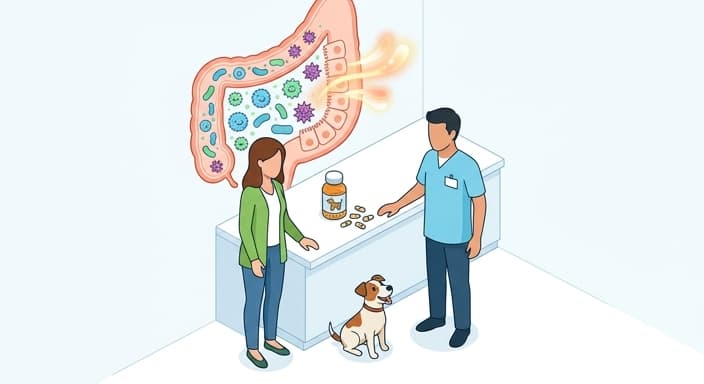
To understand why probiotic supplementation is a non-negotiable requirement for many modern pets, we must first look at the biological reality of the canine and feline gastrointestinal tract. Unlike humans, who have evolved to consume a wide variety of cooked and processed foods, our pets possess a unique, highly specialized microbial ecosystem that serves as the command center for their entire physiology. The gut is home to trillions of bacteria, fungi, and viruses—collectively known as the microbiome—which are responsible for far more than just digesting kibble. These microscopic inhabitants are the primary educators of the immune system, the synthesizers of essential vitamins, and the gatekeepers of the blood-brain barrier. When this delicate balance is disrupted by environmental stressors, low-quality diets, or the overuse of antibiotics, the resulting "dysbiosis" doesn't just manifest as an upset stomach; it triggers systemic inflammation that can lead to skin allergies, behavioral anxiety, and a compromised immune response.
The misconception that a "complete and balanced" commercial diet is enough to sustain this ecosystem ignores the reality of modern domestic life. Our pets live in sanitized environments, are exposed to frequent chemical stressors, and often deal with the chronic, low-level stress of modern urban living—all of which deplete the beneficial bacteria populations that keep the gut lining intact and functioning optimally.
Identifying the "Silent Signals" of Gut Imbalance
Many pet owners wait for a "clear" sign of illness, such as explosive diarrhea or vomiting, before considering a probiotic. However, as a clinician, I look for the "silent signals" that occur long before the gut reaches a crisis point. If your pet is experiencing chronic, foul-smelling flatulence, persistent "scooting," or a coat that feels coarse and lacks its natural luster, you are likely witnessing the early stages of microbial imbalance.
Furthermore, the connection between the gut and the brain—the gut-brain axis—is profound. We now know that a significant portion of serotonin, the "feel-good" neurotransmitter, is produced in the gut. If your pet is showing signs of uncharacteristic irritability, noise phobias, or restless sleep, it is worth investigating their digestive health. Probiotics work by crowding out pathogenic bacteria and producing short-chain fatty acids (SCFAs), which nourish the cells of the colon and maintain a stable internal environment. By identifying these subtle behavioral and physical shifts early, we can often resolve the underlying issue before it necessitates aggressive pharmaceutical treatment.
Navigating the "Probiotic Jungle": Quality vs. Quantity
Once a pet owner decides to introduce a probiotic, they are often met with a bewildering array of choices, many of which are marketing-heavy but clinically hollow. As a veterinarian, I advise my clients to look past the "billions of CFUs" (Colony Forming Units) emblazoned on the front of the bottle. A higher number of bacteria is meaningless if those bacteria are not "shelf-stable" and cannot survive the harsh, acidic environment of your pet’s stomach.
When selecting a supplement, prioritize "strains" over "counts." Look for species-specific research, such as Enterococcus faecium, Bifidobacterium animalis, or specific strains of Lactobacillus. These have been rigorously studied in canine and feline clinical trials and are proven to reach the hindgut intact. Additionally, verify if the product is a "synbiotic"—meaning it contains both probiotics (the live bacteria) and prebiotics (the fuel, such as inulin or FOS, that helps those bacteria colonize). A probiotic without a prebiotic is like sending a gardener to a field without any seeds or water; they simply won't have the resources to thrive. Always look for third-party quality testing to ensure that what is on the label is actually inside the bottle, as the supplement industry remains largely self-regulated.
The Protocol for Successful Supplementation
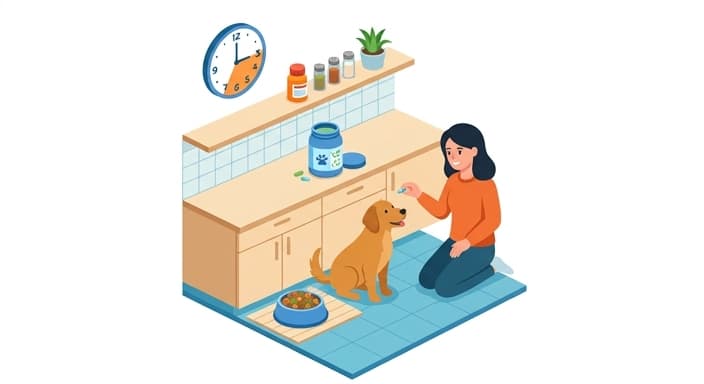
Introducing a probiotic to your pet’s routine is not a "quick fix" and requires a structured approach to be effective. The most common mistake owners make is stopping the supplement the moment their pet’s stool returns to normal. I recommend a "loading phase" followed by a maintenance protocol. For the first two to four weeks, follow the manufacturer’s suggested dosage consistently to allow the beneficial bacterial colonies to establish dominance in the gut flora.
If you are transitioning your pet to a new diet, adding a probiotic at the same time can act as a "buffer," significantly reducing the likelihood of digestive upset during the switch. For pets with sensitive stomachs, start with half the recommended dose for the first three days to ensure their system tolerates the influx of new microbes. It is also important to note that if your pet is currently on a course of antibiotics prescribed by your veterinarian, you should administer the probiotic at least two to four hours apart from the medication. If given together, the antibiotic will often neutralize the probiotic, rendering the supplement ineffective. Consistency is the primary variable in long-term success; think of it as a daily vitamin for their inner health rather than a temporary medicine.
Holistic Synergy: Beyond the Bottle
While high-quality supplements provide the "seeds" for a healthy gut, your pet’s overall environment must be conducive to their growth. Probiotics are most effective when paired with a diet that avoids unnecessary fillers, excessive synthetic preservatives, and high-glycemic carbohydrates, which can feed the "bad" bacteria we are trying to suppress. For cats, who are obligate carnivores, hydration is equally critical; dry food diets can sometimes lead to mild, chronic dehydration, which slows down intestinal transit time and can lead to an overgrowth of undesirable microbes.
Consider supplementing your pet’s bowl with moisture-rich, species-appropriate additions like bone broth or fermented vegetables (in very small, vet-approved amounts), which can provide natural enzymes and additional support. Furthermore, moderate, regular exercise is not just for weight management—physical movement stimulates peristalsis, the rhythmic contraction of the digestive tract, which helps keep the gut moving and prevents the stagnation that often encourages bacterial overgrowth. By viewing the probiotic not as a standalone solution, but as part of an integrated lifestyle approach, you empower your pet’s body to maintain its own internal balance, leading to a longer, more comfortable, and more vibrant life.
In summary, the journey to a healthy gut is a fundamental component of proactive pet parenting that pays dividends in longevity and vitality. By shifting your perspective from treating symptoms to nurturing the microbial ecosystem, you are providing your pet with the tools they need to defend against environmental stressors and maintain peak health. Whether you are addressing an existing concern or looking to optimize your pet's wellness, remember that a thriving gut is the bedrock upon which all other health outcomes are built. With careful, informed selection of high-quality strains and a commitment to consistent, supportive habits, you can effectively silence the digestive "noise" and ensure your companion enjoys the quality of life they truly deserve.
Common Questions
🤔
Frequently Asked Questions
Why is the gut microbiome so critical for pets' overall health?▼
The gut microbiome acts as the command center for physiology: it educates the immune system, synthesizes essential vitamins, and supports the integrity of the gut lining. When this ecosystem is disrupted, dysbiosis can trigger systemic inflammation that affects the skin, behavior, and immunity. Probiotics can help restore balance by crowding out pathogenic bacteria and producing short-chain fatty acids that nourish colon cells.
What early signs might indicate a gut imbalance in pets?▼
Chronic, foul-smelling flatulence, persistent scooting, and a coat that lacks luster are silent signals of imbalance that may precede a visible illness. Subtle behavioral changes, such as irritability, phobias, or restless sleep, can also point to gut health issues through the gut-brain axis. Recognizing these signs early allows for targeted nutritional intervention to address the root cause rather than relying on symptom control.
How should owners evaluate probiotic products for pets?▼
Avoid relying on the slogan of billions of CFUs; instead, look for clinically studied, pet-specific strains and reputable manufacturing standards. Check for evidence-based labeling, product stability, and clear information about strain viability and storage. A quality probiotic should be supported by data and aligned with your pet’s health needs.
What role does the gut-brain axis play in pet behavior and overall health?▼
The gut-brain axis links the microbiome to neurotransmitter production, including serotonin, which can influence mood and stress responses. Changes in gut health can manifest as irritability, noise phobias, or unsettled sleep, reflecting a mind–body connection. Supporting a healthy gut through nutrition and probiotics can contribute to more resilient behavior and better overall well-being.