Blog3/29/2026
Proactive Mobility Support for Senior Dogs: Longevity
6 mins Read
The Briefing
Quick takeaways for the curious
There is an outdated myth that a dog's mobility is static and only declines after aging progresses; proactive care should focus on preserving range of motion and muscle mass as the true pillars of senior longevity.
A dog’s joints are a dynamic system, and waiting for obvious pain often means a chronic condition has already begun; proactive mobility support aims to slow degeneration through biochemical nourishment and environmental accommodations.
Muscle mass is crucial to joint health; sarcopenia weakens the shields around joints, increasing wear on cartilage, so nutrition and carefully designed movement are essential to maintain muscle tissue.
Short, frequent, low-impact activities are better for seniors than occasional long, strenuous efforts, helping to avoid the use-it-or-lose-it trap and protect mobility over time.
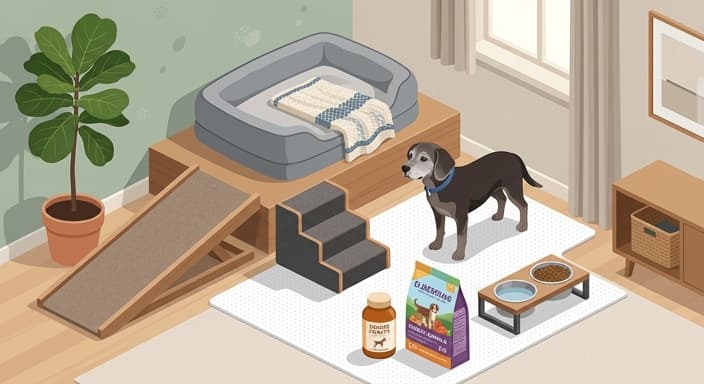
Simple environmental modifications at home—such as non-slip surfaces and ramps or stairs—can significantly reduce joint strain and support ongoing mobility for aging dogs.
There is a persistent, outdated myth in the veterinary world that a dog’s mobility is a static asset that only begins to decline once the gray muzzle appears, leaving many pet owners to assume that "slowing down" is simply an inevitable, unavoidable aspect of the aging process. As a veterinarian, I frequently consult with devoted pet parents who are surprised to learn that the structural integrity of their dog’s joints is a dynamic, lifelong project, and that by the time we see the first obvious limp or hesitation at the stairs, we are often managing a chronic condition rather than preventing one. We are finally moving toward a more sophisticated, proactive standard of geriatric care that prioritizes the preservation of range-of-motion and muscle mass as the true pillars of senior longevity.
The Hidden Physiology of Aging Joints
To understand why a proactive approach to mobility is so critical, we must look at the biological reality of our dogs' skeletal and muscular systems as they transition into their golden years. A dog’s joint is not just a hinge; it is a complex, living ecosystem consisting of bone, cartilage, synovial fluid, and supporting ligaments. Throughout a dog’s life, these tissues undergo a constant process of remodeling. However, as a dog ages, the rate of natural cartilage degradation often begins to outpace the body’s ability to repair it.
When we wait for clinical signs of pain—like difficulty rising, a reluctance to jump, or a change in gait—the joint environment is often already suffering from chronic, low-grade inflammation. This inflammation triggers the release of enzymes that further break down cartilage, creating a vicious cycle of discomfort. Proactive mobility support isn't about "fixing" an old dog; it is about providing the biochemical building blocks and environmental support to slow this degradation process, keeping your dog's joints "lubricated" and structurally sound for as long as possible.
The Crucial Synergy of Muscle Mass and Joint Health
One of the most overlooked aspects of senior mobility is the relationship between muscle mass and joint stability. Many owners focus entirely on the joints themselves, providing supplements like glucosamine or chondroitin, while neglecting the "biological braces" that support those joints: the muscles. As dogs age, they naturally experience sarcopenia, or muscle wasting. When the muscles surrounding a knee or hip weaken, the joint itself is forced to bear the full brunt of the dog’s weight, which accelerates the wear and tear on the cartilage.
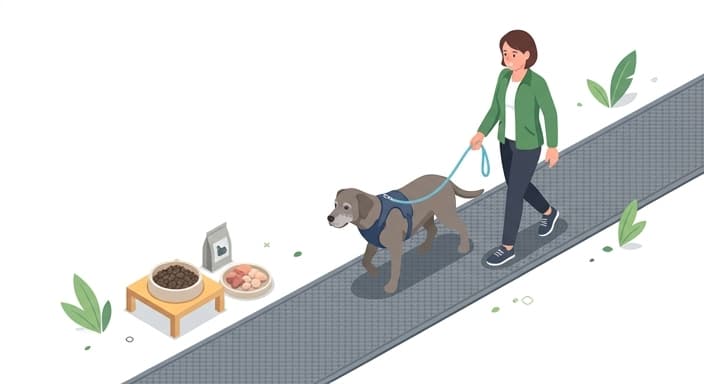
Maintaining muscle mass in a senior dog requires a dual approach: precise, high-quality protein nutrition and "low-impact" movement. You want to avoid the "use it or lose it" trap. Short, frequent, gentle walks are significantly better for a senior dog than one long weekend hike that leaves them sore for days. When you combine this with a diet rich in high-quality, bioavailable proteins—which provide the essential amino acids needed to maintain muscle tissue—you create a support structure that keeps the joints protected, even as the dog ages.
Environmental Modifications for the Modern Home
Proactive mobility support isn’t limited to what goes into your dog’s bowl; it is also about the environment they navigate every single day. Modern homes are full of "hidden obstacles" for the aging canine. Slick hardwood or tile floors, for example, are a primary cause of joint strain. When a dog’s paws struggle to gain traction, they are constantly engaging in micro-adjustments that stress the hips and stifles (knees).
Simple, low-cost modifications can make a profound difference. Consider placing non-slip runners or yoga mats in high-traffic areas, particularly in spots where your dog jumps on or off furniture. If your senior dog still insists on sleeping on your bed or sitting on the sofa, investing in a set of pet stairs or a ramp is one of the most effective ways to preserve their joint health. By eliminating the high-impact "thud" of jumping down, you are saving thousands of microscopic cartilage tears over the course of a year. These environmental changes are not just for comfort; they are preventative interventions that extend the functional life of your dog's joints.
Targeted Nutraceuticals and Anti-Inflammatory Support
When we discuss mobility support in the clinic, I am often asked which supplements actually work. The market is saturated with products, but as a veterinarian, I look for ingredients backed by rigorous clinical data. The gold standard for proactive mobility support typically includes a combination of Omega-3 fatty acids, specifically EPA and DHA from high-quality fish oil. These fatty acids act as potent, natural anti-inflammatories that work at the cellular level to dampen the inflammatory response within the joint capsule.
Beyond Omega-3s, I advocate for the use of undenatured Type II collagen, which has shown significant promise in supporting joint comfort by modulating the immune system's response to cartilage proteins. Curcumin (the active compound in turmeric) and Boswellia serrata are also excellent, evidence-based additions that help manage oxidative stress. However, the key here is "proactive." If you start these supplements when your dog is seven or eight—before they show signs of stiffness—you are effectively "pre-loading" the joints with the resources they need to combat the natural aging process. Always consult your veterinarian before starting a regimen, as they can help you determine the correct dosage based on your dog's specific weight and medical history.
The Role of Rehabilitation and Bodywork
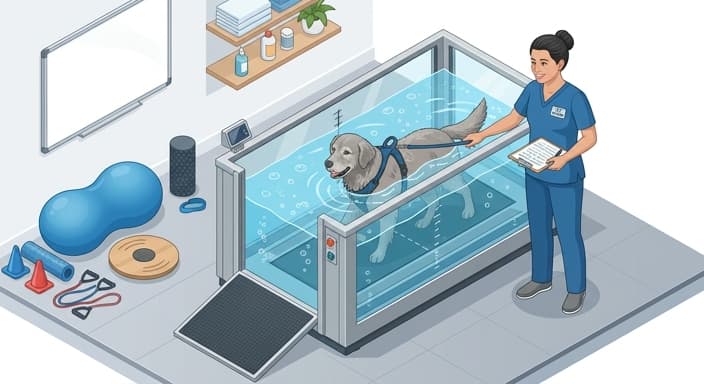
Just as we might see a physical therapist to address chronic back pain or injury, our senior dogs can benefit immensely from professional rehabilitation services. Canine rehabilitation therapy is no longer an "extra"—it is becoming a standard of care in progressive veterinary practices. Techniques such as underwater treadmill therapy (which provides resistance for muscle building without the impact of gravity), therapeutic laser therapy, and passive range-of-motion exercises can keep a senior dog mobile well beyond the average.
If professional rehab isn’t accessible in your area, you can still perform "home-based bodywork." Learning how to perform gentle, daily passive range-of-motion exercises—where you slowly move your dog’s joints through their comfortable range—helps maintain the elasticity of the surrounding tissues and keeps the synovial fluid moving within the joint. These sessions also serve as a wonderful bonding opportunity. They allow you to perform a "hands-on" check of your dog’s body, helping you spot subtle changes like heat, swelling, or muscle tension long before they become a full-blown mobility crisis.
Embracing the Journey of Aging with Grace
Proactive mobility support is ultimately about changing our mindset from reactive management to preventative maintenance. It requires us to look at our dogs with a more critical eye, acknowledging that their needs are shifting even when they still seem "fine." By focusing on the trifecta of muscle preservation, environmental modification, and evidence-based nutraceuticals, we provide our senior companions with the gift of autonomy.
Remember, the goal is not to keep our dogs looking like puppies forever, but to ensure that their golden years are characterized by comfort, dignity, and the ability to continue enjoying the world around them. Whether it’s adding a rug to the hallway, switching to an anti-inflammatory diet, or starting a gentle physical therapy routine, every proactive step you take is an investment in your dog’s quality of life. Our senior dogs have spent their lives giving us their best; the least we can do is ensure their final chapters are as pain-free and mobile as possible.
Common Questions
🤔
Frequently Asked Questions
What is proactive mobility support and why is it important?▼
Proactive mobility support focuses on preserving a dog’s range of motion and muscle mass before clinical signs of pain appear. It treats joint health as a dynamic, lifelong process rather than a fixed asset, aiming to slow cartilage degradation with nutritional support and environmental adjustments. This approach emphasizes prevention and quality of life, not just reacting to pain after it arises. By intervening early, owners can help their senior dogs stay active longer.
How does muscle mass influence joint health in aging dogs?▼
Muscle mass acts as a biological brace for the joints, helping to distribute weight and reduce joint strain. As dogs age, sarcopenia can weaken these supporting muscles, increasing wear on cartilage and elevating the risk of pain and dysfunction. Maintaining muscle requires high-quality protein and a regimen of low-impact, consistent movement. This muscle-joint synergy is essential for prolonging mobility and function in senior dogs.
What simple home changes can help protect a senior dog's joints?▼
Home modifications can dramatically reduce joint stress by minimizing slips and awkward movements. Non-slip runners or rugs in high-traffic areas help dogs gain traction and reduce micro-adjustments that stress hips and knees. Providing pet stairs or ramps lowers the need for jumping on or off furniture, protecting joints during everyday activities. These changes are practical, low-cost strategies for ongoing mobility support.
What role do nutrition and gentle exercise play in maintaining mobility?▼
Nutrition supports the muscles that protect joints; a diet rich in high-quality, bioavailable protein provides the amino acids necessary to maintain lean mass. Gentle, frequent movement is preferable to sporadic, strenuous activity, helping to preserve joint function without overloading aging bodies. Together, nutrition and low-impact exercise help slow cartilage degradation and sustain mobility over time.