Blog4/6/2026
Proactive Mobility Support for Senior Dogs: A Vet Guide
6 mins Read
The Briefing
Quick takeaways for the curious
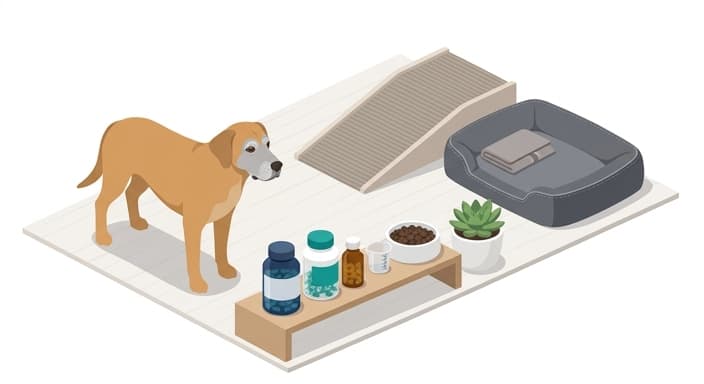
Proactive mobility care treats senior canine joint health as a foundation for vitality rather than a passive consequence of aging.
Osteoarthritis is a complex inflammatory process, so early intervention can reduce long-term pain and mobility loss.
High-quality, multi-modal nutritional strategies—glucosamine, chondroitin, omega-3 fatty acids, and undenatured type II collagen—support joint integrity at the cellular level.
Consistent supplementation matters more than quick fixes; these approaches are long-term investments rather than fast-acting painkillers.
Weight management is essential because even small excess weight dramatically increases joint stress and accelerates degradation.
There is a persistent, outdated myth in the canine wellness community that a senior dog’s slowing gait and hesitation on the stairs are simply the inevitable "rusting" of an aging machine, leading many owners to believe that discomfort is a mandatory tax paid for the privilege of a long life. As a veterinarian consultant, I frequently speak with devoted pet parents who view their dog’s stiff mornings or reluctance to jump as unavoidable symptoms of the passing years, failing to realize that these are often the direct results of structural degradation that could have been mitigated through early, proactive intervention. We are finally moving toward a more sophisticated, proactive standard of geriatric mobility care that leverages multi-modal support not as a reactive measure for chronic pain, but as a foundational pillar of senior vitality, effectively closing the gap between basic survival and the agile, pain-free mobility our aging companions deserve to maintain well into their golden years.
The Biological Reality of Geriatric Joint Degradation
To understand why proactive mobility support is non-negotiable for our senior dogs, we must first look at the biological reality of the aging canine musculoskeletal system. Over time, the constant mechanical stress on a dog’s joints leads to the gradual thinning of articular cartilage—the smooth, rubbery tissue that cushions the ends of bones. In a younger dog, the body is highly efficient at repairing this microscopic wear and tear, constantly synthesizing new collagen and maintaining synovial fluid viscosity. However, as a dog enters its senior years, the rate of cartilage breakdown begins to outpace the body’s ability to regenerate it.
This process, known as osteoarthritis or degenerative joint disease (DJD), is not merely a loss of "cushioning." It is a complex inflammatory cascade. When cartilage erodes, the underlying bone becomes exposed, leading to painful friction, the development of bone spurs (osteophytes), and the thickening of the joint capsule. By the time you notice your dog limping, the inflammatory cycle is often deeply entrenched, making it significantly harder to manage than if we had intervened while the joint was still structurally sound.
The Power of Proactive Nutritional Support
The most accessible and effective way to support aging joints is through the strategic use of high-quality, clinical-grade supplements. Many owners reach for "joint chews" on the bottom shelf of the grocery store, but the proactive approach requires a more discerning eye. We are looking for high concentrations of bioavailable compounds that target the root cause of inflammation. Glucosamine and chondroitin remain the gold standard for structural support, but they are most effective when paired with newer, more potent anti-inflammatory agents.
Omega-3 fatty acids, specifically EPA and DHA sourced from cold-water fish oil, are arguably the most important addition to a senior dog’s diet. Unlike standard anti-inflammatory medications that block pain receptors, Omega-3s work at the cellular level to downregulate the production of inflammatory prostaglandins. When combined with undenatured Type II collagen—which teaches the immune system to stop attacking the joint’s own cartilage—these supplements create a "shield" that preserves existing joint health. Consistency is the primary hurdle; these supplements are not fast-acting painkillers, but rather long-term investments in the integrity of the connective tissue.

Weight Management as a Mobility Foundation
If mobility is the engine of your dog's life, then body condition is the fuel efficiency that determines how long that engine lasts. I cannot overstate the impact of even slight excess weight on a senior dog’s joints. In a dog with existing joint compromise, every extra pound of body weight exerts roughly four pounds of pressure on the weight-bearing joints of the limbs. For an older dog, this is not just a burden; it is a catalyst for rapid degradation.
Weight management for seniors requires a departure from "eyeballing" portions. As metabolic rates decline, caloric needs often drop by 20% or more compared to when the dog was a young adult. A proactive approach involves transitioning to a diet that is lower in calories but higher in high-quality protein to prevent the muscle atrophy that often accompanies aging. Muscle is an active tissue; the more lean muscle mass your dog maintains, the more support the skeleton receives. When we allow a dog to become overweight, we essentially force them to carry a heavy backpack every time they stand up, accelerating the wear on their already compromised joints. Regular body condition scoring—feeling for the ribs without seeing them—is a critical metric that should be monitored every two weeks.
Environmental Modifications for the Home
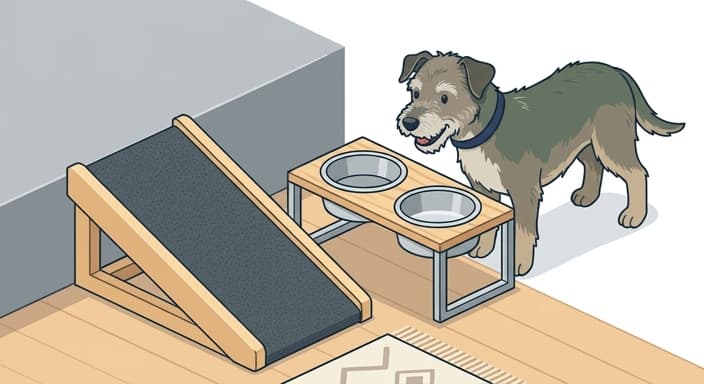
True proactive mobility support extends beyond the body and into the home environment. We often fail to realize how many "hidden obstacles" we place in the path of a senior dog. Surfaces that were easy to navigate in their youth—hardwood floors, tile, and steep stairs—become treacherous ice rinks for a dog with diminishing proprioception and joint stiffness.
A proactive home strategy involves creating "traction paths." Using yoga mats, runner rugs, or specialized non-slip adhesive paw grips can prevent the micro-slips that cause sudden strain on aging ligaments. Furthermore, consider the height of your dog’s resources. Elevated food and water bowls can reduce the strain on the neck and front limbs during mealtimes. If your dog sleeps on a sofa or bed, providing a sturdy, non-slip ramp is essential. It is far better to install a ramp while your dog is still mobile than to wait until they attempt a jump they can no longer physically manage, which often leads to acute injuries that set their mobility back by months.
The Role of Integrative Physical Therapy
Modern veterinary medicine has embraced the incredible benefits of physical rehabilitation for senior dogs, and it is time for pet owners to view it as a primary care option rather than a last-ditch effort. You don't need to wait for a surgical diagnosis to visit a canine rehabilitation therapist. These professionals specialize in identifying subtle asymmetries in gait and muscle mass that even the most observant owner might miss.
Proactive physical therapy often includes low-impact exercises such as controlled walks, cavaletti rails (low hurdles that encourage joint flexion), and balance exercises on inflatable stability balls. These activities engage the core muscles, which are the body’s natural shock absorbers. When a dog has a strong core, they put significantly less pressure on their hips and elbows. Furthermore, therapeutic modalities like laser therapy or pulsed electromagnetic field (PEMF) therapy can be used to manage chronic, low-grade inflammation before it flares into a painful episode. By integrating these sessions into your dog’s routine, you are essentially providing them with a personal trainer who focuses on longevity and functional movement.
Redefining the Senior Years
The shift toward proactive mobility support requires a change in mindset: we must stop waiting for a "problem" to justify intervention. By the time a dog is showing clear signs of pain, we are playing catch-up. Instead, view mobility support as a long-term maintenance program, much like keeping up with your car’s oil changes or tire rotations.
Start by auditing your dog's environment today, assess their body condition with a critical eye, and discuss a targeted supplement regimen with your veterinarian. Observe the nuances of their movement—the way they stand, the way they rise from a nap, and the way they navigate the transition from carpet to hardwood. These subtle cues are the language of their physical well-being. By taking these intentional steps, you are not just managing the symptoms of aging; you are actively extending the years of comfort, independence, and joy that your companion can enjoy by your side. A proactive approach turns the "golden years" into a true celebration of life, ensuring that your best friend remains as active and engaged as their spirit dictates, regardless of the number of candles on their birthday cake.
Common Questions
🤔
Frequently Asked Questions
What is proactive mobility support and why does it matter for senior dogs?▼
Proactive mobility support is a multi-modal, preventive approach to joint health that aims to preserve function before pain becomes obvious. By intervening early, we can slow the degenerative process and maintain agility in later years. This shifts care from reactive treatment of arthritis to foundational vitality for aging dogs. It typically combines nutrition, weight management, targeted supplements, and appropriate activity adjustments guided by a veterinarian.
Which nutritional strategies are most effective for aging joints?▼
High-quality supplements provide structural support and anti-inflammatory effects. Glucosamine and chondroitin support cartilage, while omega-3 fatty acids from cold-water fish oil downregulate inflammatory prostaglandins at the cellular level. Undenatured Type II collagen helps the immune system avoid attacking joint cartilage. Consistency matters; these are long-term investments, not fast-acting painkillers.
How does weight management influence mobility in senior dogs?▼
Even small amounts of excess weight increase joint load. Each extra pound can exert roughly four pounds of pressure on weight-bearing joints. Managing weight through a measured diet and appropriate activity reduces stress and improves mobility. This helps aging joints respond better to other interventions.
What steps should I take with my veterinarian to start proactive mobility care?▼
Schedule a veterinary assessment of the dog's musculoskeletal health to identify early signs of DJD. Discuss a tailored plan that includes nutritional strategy, supplements (glucosamine, chondroitin, omega-3s, undenatured Type II collagen), and a weight management plan. Clarify expectations that this is a long-term investment rather than an immediate pain relief. Set milestones and follow-up to monitor progress.