Blog4/4/2026
Proactive Joint Support for Senior Pets: Wellness First
6 mins Read
The Briefing
Quick takeaways for the curious
Aging does not have to mean inevitable mobility decline; proactive joint support can help preserve function and vitality in senior pets.
As pets age, cartilage thinning and synovial fluid changes reduce cushioning, creating a need for proactive intervention.
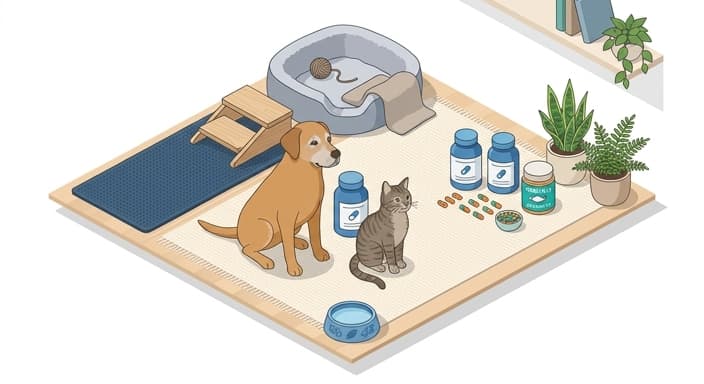
A modern joint-health plan uses a synergistic blend of nutrients rather than a single supplement, with omega-3 fatty acids, chondroitin, and antioxidants targeting inflammation and tissue repair.
Omega-3 fatty acids slow cartilage degradation at the cellular level and, with consistent use, complement chondroitin's building-block role and antioxidants; expect a 4-6 week loading period to reach therapeutic levels.
A senior-pet wellness strategy also includes a low-impact home environment and simple modifications that reduce joint stress and preserve mobility.
There is a persistent, outdated myth in the veterinary community that slowing down is a mandatory, inevitable consequence of aging, leading many owners to accept their pet’s reduced mobility as a "natural" stage of life. As a veterinarian consultant, I frequently speak with devoted pet parents who view a reluctance to climb stairs or a stiff gait after a nap as simply "old age," failing to realize that these signs are often the silent cries of joints struggling to maintain their integrity. We are finally moving toward a more sophisticated, proactive standard of geriatric wellness that leverages evidence-based joint support not as a reactive "fix" for debilitating arthritis, but as a foundational pillar of senior vitality, effectively closing the gap between basic comfort and the complex, lifelong structural needs of our aging companions.
The Biological Reality of Geriatric Joint Wear
To understand why proactive joint support is non-negotiable for our senior pets, we must first look at the biological reality of the musculoskeletal system. A pet’s joints are complex biological machines where the ends of bones meet, cushioned by a specialized tissue called articular cartilage. In a young, healthy pet, this cartilage is smooth, hydrated, and resilient, acting as a high-performance shock absorber. Bathed in synovial fluid—a viscous, nourishing lubricant—these joints glide with minimal friction.
However, as pets enter their senior years, this delicate balance shifts. Decades of "micro-trauma" from daily activity, combined with natural metabolic changes, lead to a decrease in the production of proteoglycans and hyaluronic acid, the very substances that keep cartilage spongy and synovial fluid thick. When the cartilage thins and the fluid becomes watery, bone begins to grind against bone. This triggers a localized inflammatory response that leads to the formation of osteophytes (bone spurs) and further pain. By the time you notice your dog lagging behind on a walk or your cat hesitating before a jump, the "silent" phase of the condition has likely been progressing for months or even years. Proactive intervention is our best tool to preserve what cartilage remains and protect the structural integrity of the joint capsule.
The Power of Nutritional Supplements: Beyond the Basics
While many owners have heard of glucosamine, the modern veterinary approach to joint health involves a much more comprehensive "cocktail" of bioavailable ingredients. We no longer rely on a single supplement; instead, we look for a synergistic blend that targets multiple pathways of inflammation and structural repair.
Omega-3 fatty acids, specifically the EPA and DHA found in high-quality fish oils, are arguably the most critical component of a proactive plan. Unlike medications that merely mask pain, high-dose Omega-3s work at the cellular level to inhibit the enzymes that degrade cartilage, effectively turning down the "volume" on joint inflammation. When combined with chondroitin sulfate—which provides the building blocks for new cartilage—and antioxidants like Vitamin E or green-lipped mussel extract, we see a significant improvement in clinical signs. The key for pet parents is consistency. These supplements are not "painkillers" that provide immediate relief; they are structural building blocks that require a loading period of 4 to 6 weeks to reach therapeutic levels in the bloodstream.

Creating a Supportive Environment: The "Low-Impact" Home
Proactive joint care is not limited to what goes into a pet’s bowl; it is also about the environment in which they spend their golden years. If you have a senior pet, your home should be treated as a low-impact landscape. Think of it from their perspective: navigating a slick hardwood floor or a high-sided litter box is the equivalent of a human with an injured knee trying to run an obstacle course.
Small, inexpensive modifications can yield massive results in preserving joint health. Placing non-slip yoga mats or rubber-backed rugs in high-traffic areas provides the traction necessary for a senior pet to stand and walk without their limbs splaying outward—a common cause of soft tissue strain. For cats, consider "stair-stepping" their access to favorite perches. If your cat can no longer leap onto a window sill, place a sturdy ottoman or a set of pet stairs at the base. By reducing the physical effort required to move through their environment, you are directly reducing the cumulative stress placed on their joints, allowing them to conserve their energy for the activities they truly love.
The Role of Controlled Exercise and Weight Management
One of the most difficult conversations I have with clients involves body condition scoring. In the veterinary world, we often say that "fat is a pro-inflammatory organ." Excess adipose tissue (body fat) does not just sit there; it secretes inflammatory cytokines that actively attack the lining of the joints. For a senior pet, even two or three extra pounds can be the difference between a dog that enjoys a morning stroll and one that is in chronic pain.
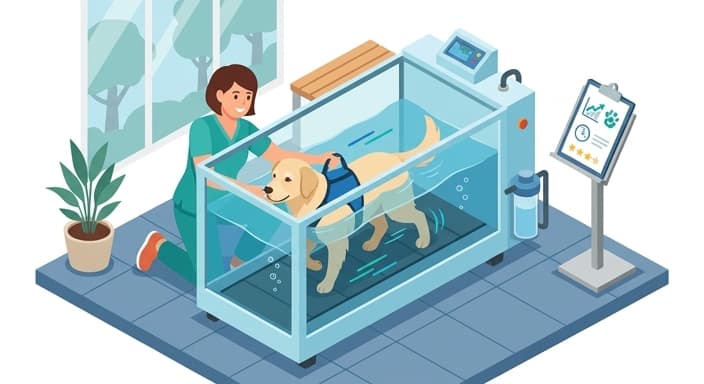
Proactive weight management is the single most effective "joint supplement" available. If your senior pet is carrying extra weight, discuss a metabolic diet with your veterinarian. However, weight loss should never be paired with a sedentary lifestyle. We want "controlled, low-impact exercise." Instead of high-intensity games like fetch or frisbee, opt for multiple, shorter, slow-paced walks on soft surfaces like grass or dirt. These walks maintain muscle mass, which is crucial because muscles act as the "active support system" for joints. If the muscles are strong, they take the load off the joints; if they are weak, the joints bear the brunt of every step. Swimming or underwater treadmill therapy—if available in your area—is the "gold standard" for senior joint support because it allows for movement without the impact of gravity.
Monitoring for Subtle Shifts: The "Vigilant Pet Parent"
Because our pets are masters at masking discomfort—a survival instinct rooted in their wild ancestors—we must become detectives of their daily behavior. A proactive approach means noticing the "micro-signs" of joint distress before they become a full-blown mobility crisis. Start a "mobility journal" or simply keep a mental note of specific markers: Is your pet taking longer to stand up after a nap? Are they sleeping in a different room because they can no longer navigate the stairs to get to your bedroom? Are they licking their paws or a specific joint area excessively?
These subtle shifts are often the first outward symptoms of chronic joint discomfort. Regular veterinary check-ups for seniors—ideally every six months—are essential. During these visits, ask your veterinarian to perform a specialized orthopedic exam. They can check the range of motion in the hips, stifles (knees), and shoulders, often detecting tension or restricted movement long before you would see a limp. By catching these changes early, we can adjust their nutritional support, introduce physical therapy exercises, or utilize advanced modalities like laser therapy or acupuncture to keep them comfortable and mobile for years to come.
A Foundation for a Graceful Transition
Ultimately, the goal of proactive joint care is not to stop the clock on aging, but to ensure that the time our pets have is spent in comfort, dignity, and active engagement with their families. By shifting our mindset from treating symptoms to supporting biological systems, we empower ourselves to be the best possible advocates for our aging companions. Whether it is adding a high-quality joint supplement to their morning meal, laying down rugs for better traction, or engaging in gentle, consistent exercise, these proactive steps form a safety net that protects our pets from the unnecessary pain of preventable degradation. Our seniors have given us their best years; by prioritizing their joint health today, we are simply giving them the comfort they have earned in return, allowing them to remain the spirited, joyful companions we know and love well into their golden years.
Common Questions
🤔
Frequently Asked Questions
What does proactive joint support involve for senior pets?▼
Proactive joint support involves a comprehensive plan that focuses on maintaining joint structure and function, not just relieving pain. It combines evidence-based supplements, a veterinarian-approved feeding plan, and environmental tweaks to reduce joint stress. Regular monitoring with your vet helps tailor the program as your pet ages.
Which supplements are recommended and why?▼
A modern plan often includes omega-3 fatty acids (EPA/DHA), chondroitin sulfate, and antioxidants such as Vitamin E or green-lipped mussel extract. Omega-3s reduce inflammation at the cellular level, while chondroitin provides building blocks for cartilage, and antioxidants support overall joint health. It's important to choose bioavailable formulations and to use them consistently under veterinary guidance. Discuss dosing with your veterinarian to match your pet's weight and health status.
How long does it take to see results from proactive joint care?▼
Most pets begin to respond gradually over weeks, with noticeable improvements in activity or stiffness after 4-6 weeks and ongoing gains over months. Consistency with the plan and an appropriate level of exercise are key, and some pets may respond faster than others. Regular check-ins with your veterinarian help track progress.
What simple home modifications can help senior pets maintain joint health?▼
Non-slip flooring or mats, ramps or steps for beds and counters, and easily accessible food and water stations reduce the effort of daily movement. Low-sided litter boxes for cats, cushioned bedding, and accessible sleeping areas can lessen joint strain. Avoiding slick surfaces and using ramps to reach favorite spots further protect joints. Small changes add up to major improvements in comfort and mobility.