Blog4/19/2026
Proactive Joint Support for Senior Dogs: Boost Mobility Now
7 mins Read
The Briefing
Quick takeaways for the curious
Proactive joint support reframes aging in dogs from an inevitable decline to a manageable, preventative care issue.
Early multimodal joint support helps preserve mobility, joy, and independence for senior dogs, rather than waiting for overt symptoms.
Cartilage wear is both mechanical and biochemical, so delaying intervention lets inflammation and damage accumulate.
The Big Three—glucosamine, chondroitin, and omega-3 fatty acids—provide building blocks for cartilage and help modulate inflammation.
Environmental ergonomics and simple home adaptations are essential components of ongoing joint health in senior dogs.
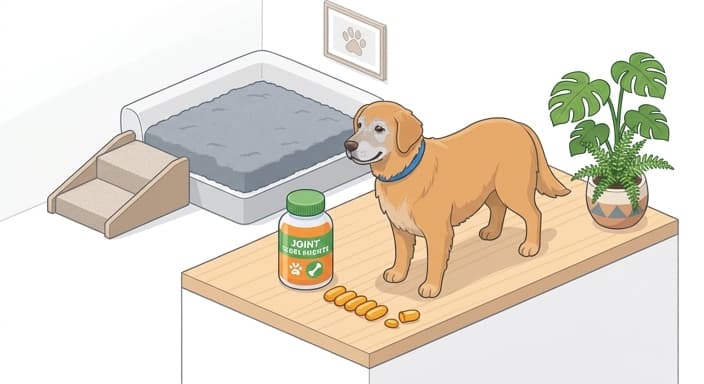
There is a persistent, outdated myth in the modern pet care community that the slowing down of a senior dog is an inevitable, untreatable consequence of aging that must be accepted with a heavy heart and a quiet home. As a veterinarian consultant, I frequently speak with devoted pet parents who interpret their dog’s reluctance to climb stairs or their hesitation during walks as a simple "slowing down," failing to realize that these are often behavioral manifestations of chronic, manageable joint inflammation and structural degradation. We are finally moving toward a more sophisticated, proactive standard of canine geriatric care that leverages early, multimodal joint support not as a "luxury intervention," but as a foundational necessity, effectively closing the gap between a senior dog who spends their twilight years in pain and a dog who maintains their mobility, joy, and independence well into their golden years.
The Biomechanics of Aging: Understanding Cartilage Degradation
To understand why proactive joint support represents a paradigm shift for senior wellness, we must first demystify the biology of the canine joint. A healthy joint is a marvel of engineering, featuring smooth articular cartilage that acts as a shock absorber, bathed in synovial fluid that provides lubrication and nourishment. In many breeds, particularly those with genetic predispositions like Labradors or German Shepherds, this system begins to lose its efficiency long before the dog shows a visible limp. As a dog ages, the rate of cartilage breakdown often exceeds the rate of repair, leading to a thinning of the protective cushion and a thickening of the joint capsule.
In a clinical setting, I often describe this process as "wear and tear" that isn't just mechanical, but biochemical. When the cartilage wears thin, the underlying bone becomes exposed, leading to friction, inflammation, and the classic "start-up stiffness" many owners notice when their dog rises from a nap. Waiting for these visible symptoms—the labored rising or the avoidance of jump-ups—means we are already playing catch-up. Proactive support is about preserving the structural integrity of these joints before the inflammatory cascade begins, essentially slowing the clock on degenerative joint disease (DJD).
The "Big Three" Supplements: Evidence-Based Foundation
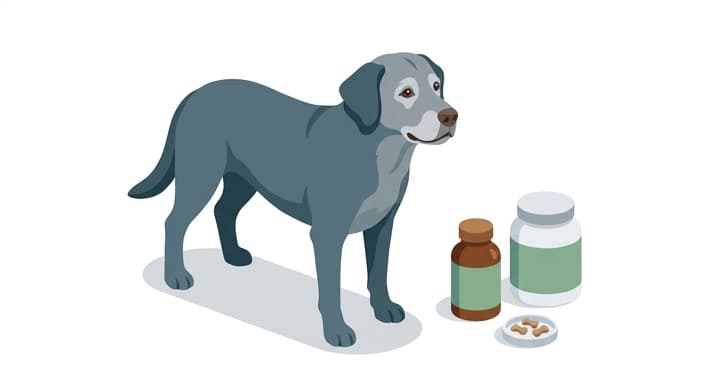
When pet parents ask me where to start with joint support, I always pivot to the "Big Three": Glucosamine, Chondroitin, and Omega-3 Fatty Acids. While the market is flooded with trendy additives, these three remain the gold standard because they provide the actual building blocks for joint repair. Glucosamine and chondroitin work synergistically to stimulate cartilage metabolism and inhibit the enzymes that cause cartilage breakdown. Think of them as the raw materials needed for structural maintenance.
However, these supplements are ineffective without the anti-inflammatory power of Omega-3 fatty acids—specifically EPA and DHA found in high-quality fish oil. Unlike the "building blocks," Omega-3s act as a biological fire extinguisher, dampening the systemic inflammation that drives chronic joint pain. In my experience, the most successful long-term management plans are those that utilize a high-quality, cold-pressed fish oil alongside a glucosamine-chondroitin complex. It is not about a "quick fix" for a bad day; it is about keeping the inflammatory baseline low enough that the dog’s joints can function comfortably on a daily basis.
The Lifestyle Shift: Environmental Ergonomics for the Senior Dog
Supplements are only one piece of the puzzle; we must also address the environment in which our seniors navigate. If your dog is struggling with joint discomfort, the very architecture of your home may be working against them. I often advise clients to perform a "home audit" to identify physical stressors that might be exacerbating their pet's condition. Slick hardwood or tile floors, while aesthetically pleasing, are a nightmare for a dog with reduced joint stability. They require a dog to engage their muscles constantly just to maintain a standing posture, leading to fatigue and increased pressure on the joints.
Simple, high-impact changes can be life-changing. Adding non-slip runners or yoga mats in high-traffic areas provides the traction necessary for a senior dog to move with confidence. Furthermore, we must address the "vertical challenge." If your senior dog still attempts to jump into the car or onto the bed, they are placing immense, repetitive strain on their shoulders and hips. Integrating ramps or pet-friendly stairs is not "coddling"; it is an ergonomic necessity that preserves their range of motion. By removing the need for high-impact jumps, you are literally extending the functional lifespan of their joints.
Weight Management: The Most Effective "Medication"
If I could prescribe one thing that would have a more profound impact on joint health than any supplement, it would be weight management. I tell my clients that every extra pound a dog carries is like adding a heavy backpack they never get to take off. Even a slight increase in body condition score—moving from an ideal weight to "slightly overweight"—exponentially increases the mechanical load on the knees and hips. For a dog already dealing with osteoarthritis, this extra weight creates a cycle of pain that discourages movement, which leads to further weight gain, which increases pain—a vicious, self-perpetuating cycle.
Proactive joint support is inextricably linked to maintaining a lean body mass. As dogs age, their metabolic rate slows, and their activity levels naturally dip. We must adjust their caloric intake to match their new lifestyle. I recommend "body condition scoring" at home: you should be able to easily feel your dog’s ribs without excess fat cover, and they should have a visible waistline when viewed from above. Keeping a senior dog at an optimal, lean weight is the single most effective way to reduce the pressure on their joints and ensure that the supplements and therapies we implement have a fighting chance to work.
Multimodal Management: When to Consult Your Vet
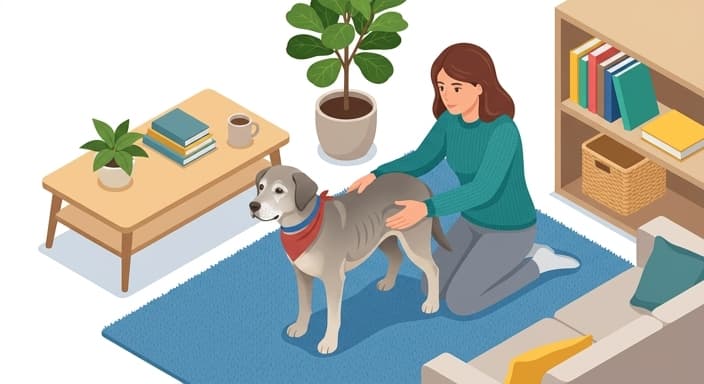
While home care and supplements are essential, they are part of a larger, multimodal approach. There comes a point in many senior dogs' lives where nutritional support needs to be bolstered by medical intervention. This is where the proactive pet parent truly shines. Do not wait for your dog to be visibly limping to discuss pain management. Modern veterinary medicine offers a variety of options, from non-steroidal anti-inflammatory drugs (NSAIDs) designed for long-term use to innovative therapies like cold laser treatments, acupuncture, and regenerative medicine such as platelet-rich plasma (PRP) therapy.
These treatments are most effective when started early. If we wait until the cartilage is significantly eroded, our options are limited to damage control. If we intervene when the first signs of stiffness appear, we can often manage the condition so effectively that the dog’s quality of life remains high for years. If you notice your dog is suddenly slower on walks, hesitant to jump, or licking at a specific joint, schedule an appointment for a mobility assessment. We can perform a physical exam, check for range-of-motion limitations, and create a tailored plan that combines nutrition, environment, and clinical care.
The Senior Years as a Quality Chapter
The goal of proactive joint support is not to turn your senior dog back into a puppy, but to ensure that their golden years are defined by comfort, dignity, and active engagement with their family. We are not just managing inflammation; we are managing the ability to continue the rituals that define your bond—the morning walk, the greeting at the door, and the gentle nudge for a treat. By shifting our perspective from reacting to pain to anticipating and preventing it, we transform the aging process from a period of inevitable decline into a final chapter of comfort and companionship. Your dog has spent their life being a constant, loyal presence; providing them with the support they need to move through their world with ease is the greatest way to honor that devotion. Keep them lean, keep them moving with purpose, and keep them supported with the right science-backed tools.
Common Questions
🤔
Frequently Asked Questions
What defines the proactive approach to senior dog joint health?▼
It starts with reframing aging as a treatable condition rather than an inexorable decline. It emphasizes early, multimodal joint support before pain limits function, including quality of life goals and veterinary-guided monitoring. By combining supplements, anti-inflammatory strategies, and lifestyle adjustments, owners can slow disease progression and maintain daily mobility. This approach requires ongoing assessment from a veterinarian to tailor the plan to each dog's needs.
What are the Big Three and how do they work together?▼
The Big Three are glucosamine, chondroitin, and omega-3 fatty acids. Glucosamine and chondroitin provide the raw materials and support cartilage metabolism, slowing breakdown and aiding repair. Omega-3s, particularly EPA and DHA, dampen systemic inflammation that drives joint pain. Used together, with a high-quality fish oil, they create a foundation for sustainable joint comfort rather than a quick fix.
How do environmental changes support a senior dog’s joints?▼
An at-home environmental assessment can identify slippery surfaces, stairs, and furniture layouts that stress the spine and joints. Simple changes like non-slip mats, ramps, orthopedic bedding, and raised feeding areas reduce friction and strain during movement. Regular, low-impact activity and safe exploration maintain mobility without triggering flare-ups. These ergonomic tweaks complement supplements and veterinary care.
When should owners seek veterinary evaluation for joint concerns?▼
Owners should seek evaluation at the first signs of stiffness, reluctance to climb or jump, or slower start-ups after rest, rather than waiting for an obvious limp. A veterinary assessment helps distinguish normal aging from DJD and guides a personalized, multimodal plan. Ongoing monitoring through exams, possible imaging, and adjustments to supplements or therapy ensures the plan remains effective as the dog ages.