Blog4/14/2026
Proactive Joint Support for Senior Dogs: A Wellness Guide
6 mins Read
The Briefing
Quick takeaways for the curious
Proactive joint health is a foundational pillar of senior wellness, not a reaction to pain after arthritis sets in.
Understanding the biology of wear helps us intervene before significant inflammation and cartilage loss occur.
Evidence-based supplements like glucosamine and chondroitin, paired with omega-3 fatty acids, support cartilage integrity and reduce inflammatory processes.
Consistency matters: loading phases and daily administration are essential to reach therapeutic levels in the joints.
Environment matters: home modifications that improve traction can significantly reduce pain and improve mobility for senior dogs.
There is a persistent, outdated myth in the modern pet care community that a senior dog’s slowing pace, hesitation on the stairs, or reluctance to rise in the morning are simply "inevitable signs of getting old" or an unavoidable byproduct of a life well-lived. As a veterinarian consultant, I frequently speak with resigned pet parents who view their dog’s stiffness as a permanent, untreatable "senior tax," failing to realize that chronic joint discomfort is not merely a sign of aging, but a medical condition that, if left unmanaged, erodes a dog’s quality of life and spirit. We are finally moving toward a more sophisticated, proactive standard of geriatric care that treats joint health not as a reactive measure to be addressed only when a dog stops walking, but as a foundational pillar of senior wellness, effectively closing the gap between a dog who exists in a state of chronic, low-grade pain and one who continues to enjoy active, fluid, and joyful golden years.
The Biology of Wear: Understanding Articular Degradation
To understand why proactive joint support is a game-changer for our senior companions, we must first look at the "mechanical landscape" of the canine joint. A healthy joint is a marvel of engineering, lined with smooth, shock-absorbing articular cartilage and lubricated by a viscous fluid called synovial fluid. Throughout a dog’s life, this system undergoes constant microscopic wear and repair. In a younger dog, the body’s metabolic rate and regenerative capacity easily keep pace with this wear. However, as our dogs enter their senior years, the rate of cartilage breakdown often begins to outpace the body’s ability to synthesize new structural components.
When this happens, the friction within the joint increases, leading to inflammation, the thinning of synovial fluid, and eventually, the formation of osteophytes—bony spurs that further restrict range of motion. Many owners wait for the "limp" before seeking help, but by the time a dog is visibly limping, they are often already dealing with significant inflammation. Proactive care is about intervening during the subclinical phase, where we can nourish the joint tissues before the structural integrity is compromised.
The Foundation of Nutrition: Supplements that Actually Work
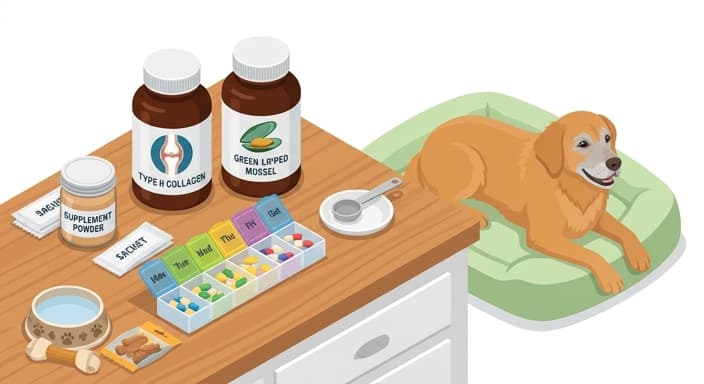
The supplement aisle can be an overwhelming labyrinth of marketing claims, but from a clinical perspective, we look for evidence-based compounds that target the root causes of joint degradation. Glucosamine and Chondroitin remain the gold standard, as they provide the building blocks necessary for cartilage repair and help maintain the viscosity of synovial fluid. However, they are most effective when paired with Omega-3 fatty acids, specifically EPA and DHA sourced from high-quality fish oil.
Omega-3s are not just "skin and coat" boosters; they are potent natural anti-inflammatories that inhibit the enzymes responsible for breaking down cartilage. When selecting supplements for your senior, look for products that have undergone third-party testing and, ideally, carry the NASC (National Animal Supplement Council) seal. Furthermore, consider newer, research-backed additions like Undenatured Type II Collagen, which works with the immune system to reduce joint inflammation, and Green-Lipped Mussel, which provides a unique profile of fatty acids and glycosaminoglycans. Remember, consistency is the primary driver of efficacy—these compounds require a "loading phase" and continuous daily administration to reach therapeutic levels in the joints.
Environmental Engineering: Modifying the Home for Mobility
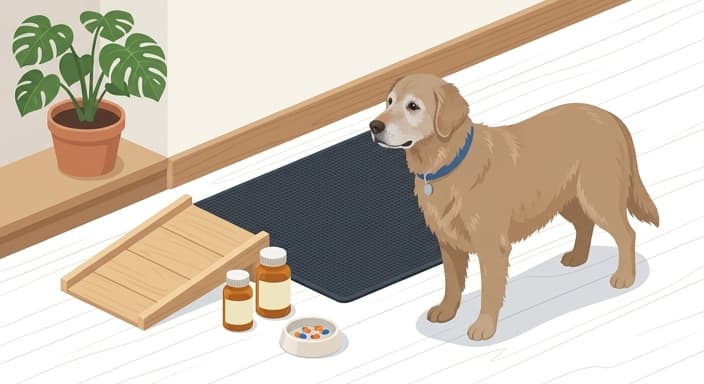
Even with the best medical support, the physical environment can either aggravate or alleviate joint stress. For a senior dog, the floor itself can become an obstacle. Many modern homes feature hardwood, tile, or laminate flooring, which are essentially skating rinks for a dog with compromised proprioception or joint pain. Providing traction is one of the most effective, low-cost interventions you can implement immediately. Place non-slip yoga mats, runner rugs with rubber backings, or textured carpet tiles in high-traffic areas and, most importantly, at the base of stairs and near food stations.
Beyond flooring, we must look at vertical challenges. If your dog sleeps on your bed or enjoys the sofa, the impact of jumping down repeatedly—often equivalent to dropping their body weight onto concrete—is a primary cause of repetitive micro-trauma in the shoulders and wrists. Investing in pet-specific ramps or low-profile stairs allows your senior to maintain their independence without the high-impact landing. Additionally, elevate their food and water bowls to a comfortable height; this prevents them from having to splay their front legs or crane their necks downward, which can be immensely painful for dogs with cervical or thoracic spine arthritis.
Targeted Movement: The Prescription for Controlled Activity
There is a common misconception that because a dog is stiff, they should be "rested" until the stiffness passes. In reality, the "motion is lotion" principle is the cornerstone of geriatric orthopedic health. Total inactivity leads to muscle atrophy, and when muscles weaken, the joints must bear even more of the load, creating a vicious cycle of pain and further decline. The key is to shift from high-impact activities—like chasing tennis balls or long-distance jogging—to controlled, low-impact movement.
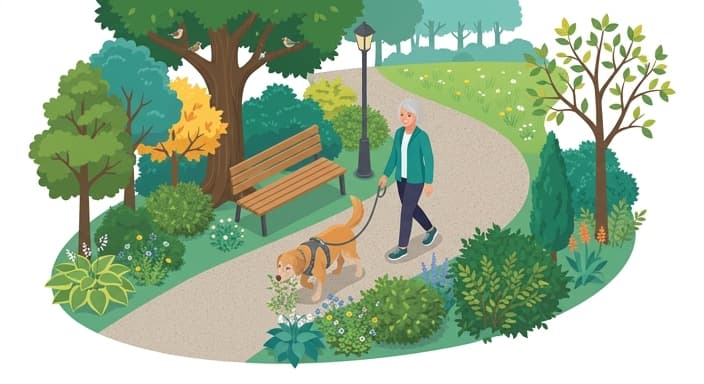
Short, frequent walks are significantly better for a senior dog than one long weekend hike. Consistent, rhythmic movement encourages the production of synovial fluid, which acts as the "oil" for the joint’s "engine." If your dog enjoys water, hydrotherapy or swimming is the absolute gold standard for geriatric exercise. Water provides natural buoyancy, which removes the stress of gravity, allowing your dog to build core and limb strength without the pain associated with weight-bearing exercise. If swimming isn’t an option, focus on "sniff walks"—slow-paced strolls where the dog is allowed to explore their environment. These walks engage the brain, satisfy their predatory curiosity, and provide gentle, consistent movement that keeps the joints supple without overexerting the musculoskeletal system.
The Role of Pain Management and Veterinary Partnership
While lifestyle and nutrition are the bedrock of joint health, we must be honest about when these measures need the support of medical intervention. As a veterinarian, I advocate for a multimodal approach to pain management. Modern veterinary medicine offers a vast array of options beyond traditional NSAIDs (non-steroidal anti-inflammatory drugs). While NSAIDs are highly effective for acute flare-ups, long-term management might involve adjunct therapies like laser therapy, acupuncture, or even monoclonal antibody injections, which have revolutionized how we manage canine osteoarthritis by targeting nerve growth factor.
The most important step you can take as a pet parent is to establish a "Baseline Assessment" with your veterinarian. Do not wait for a crisis to book an appointment. Bring your dog in for a mobility evaluation while they are still "doing okay." Your vet can perform a physical examination to identify specific areas of discomfort—often hidden in the hips or lower spine—and create a customized, proactive plan. This might include a weight management strategy; even a slight reduction in body weight can significantly reduce the mechanical load on arthritic joints, acting as effectively as many pain medications. By positioning your vet as a partner in your dog’s long-term mobility rather than a person you only see in emergencies, you ensure that your dog’s care evolves in step with their changing needs.
Closing Thoughts: A Life of Dignity and Comfort
Managing your senior dog’s joint health is not about "fixing" the aging process, but rather about honoring the life they have led by providing the comfort they deserve. By combining evidence-based nutrition, mindful environmental modifications, and gentle, consistent activity, you can significantly delay the progression of discomfort and ensure that your companion’s twilight years are defined by the same curiosity and joy that characterized their youth. Remember, the goal is to keep them moving, keep them engaged, and keep them by your side for as long as possible. Your commitment to proactive care is the greatest gift you can offer a friend who has spent their life offering you nothing but unconditional love.
Common Questions
🤔
Frequently Asked Questions
What is proactive joint support, and why is it essential for aging dogs?▼
Proactive joint support means addressing joint health before obvious pain or limp develops, focusing on subclinical inflammation and cartilage wear. It reframes joint care as a preventive pillar of senior wellness rather than a reactive treatment. Early intervention can preserve mobility, comfort, and the overall quality of life for long-term canine companions.
Which supplements are most effective for senior dog joints, and how should I choose them?▼
Effective supplements typically include glucosamine and chondroitin for cartilage building blocks, paired with omega-3 fatty acids from high-quality fish oil to reduce inflammation. Look for products with third-party testing and ideally the NASC seal to ensure quality. Newer options like Undenatured Type II Collagen and Green-Lipped Mussel may offer additional anti-inflammatory benefits. Consistency and a loading phase are key to achieving therapeutic joint levels.
How can I modify my home to support my senior dog's mobility?▼
Prioritize non-slip surfaces and traction-enhancing features on floors to reduce slipping. Use ramps, leg supports, and low-stair access where possible, and consider pet-safe mats or runners in high-traffic areas. Regularly assess the environment as a part of the veterinary plan to minimize joint stress during daily activities.
When should I talk to a veterinarian about my senior dog’s joints?▼
If you notice subtle signs of discomfort, stiffness, difficulty climbing stairs, or reluctance to rise, seek veterinary guidance early rather than waiting for a limp. A vet can assess inflammation, suggest targeted therapies, and tailor a comprehensive joint health plan including nutrition, supplements, and environmental adjustments. Early, proactive management can slow progression and maintain activity levels longer.