Blog4/14/2026
Proactive Gut Health Supplements for Dogs: Digestive Wellness
6 mins Read
The Briefing
Quick takeaways for the curious
Proactive gut health treats the canine microbiome as foundational, not reactive, to overall vitality.
A balanced microbiome supports digestion, vitamin synthesis, and immune defense, while dysbiosis can lead to systemic inflammation.
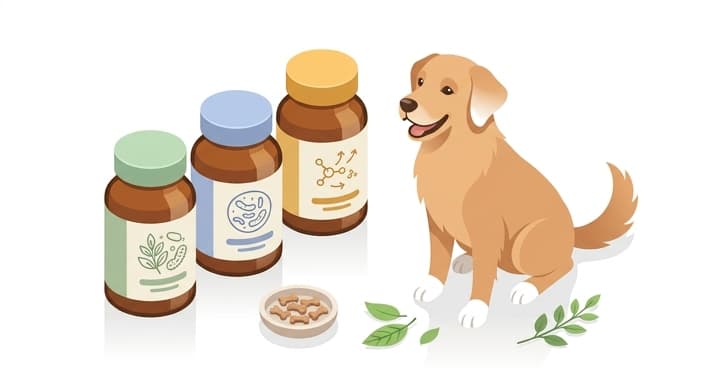
The triad of prebiotics, probiotics, and postbiotics provides a multi-faceted approach: seeds, fertilizer, and bioactive byproducts that reinforce gut barrier and immune modulation.
Postbiotics, like short-chain fatty acids, directly support intestinal integrity and offer immediate benefits even when live bacteria numbers fluctuate.
The gut-brain axis links digestion and behavior, meaning improving gut health can influence mood and well-being in dogs.
There is a persistent, outdated myth in the modern pet care community that digestive distress—occasional bouts of diarrhea, chronic gas, or a "sensitive stomach"—is simply a standard, albeit unpleasant, reality of dog ownership that we must learn to live with. As a veterinarian consultant, I frequently speak with frustrated pet parents who view these symptoms as a "quirk" of their dog’s breed or personality, failing to realize that the gut is not merely a digestive organ, but the complex, command-central hub of the canine immune system and emotional regulation. We are finally moving toward a more sophisticated, proactive standard of canine wellness that treats gut health not as a reactive measure to be addressed only when a dog is ill, but as a foundational pillar of systemic vitality, effectively closing the gap between a dog who exists in a state of chronic, low-grade gastrointestinal inflammation and one who enjoys a vibrant, resilient, and thriving life.
The Microbiome Landscape: Understanding the Canine Internal Ecosystem
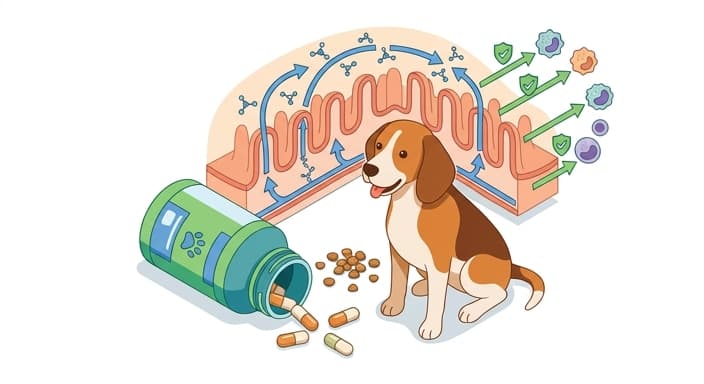
To understand why proactive gut health is a game-changer for our dogs, we must first look at the "microbial landscape" of the canine gastrointestinal tract. A healthy gut is a marvel of biological engineering, home to trillions of bacteria, fungi, and viruses known collectively as the microbiome. In a balanced state, these microorganisms live in a symbiotic relationship with your dog, aiding in the digestion of complex nutrients, synthesizing essential vitamins like B12 and K, and acting as the primary line of defense against pathogens.
When this delicate ecosystem is disrupted—whether by processed diets, environmental stress, or indiscriminate antibiotic use—we see a shift toward "dysbiosis." This is not just about an upset stomach; it is about a compromised barrier. When the gut lining is inflamed, it can become "leaky," allowing toxins and undigested proteins to enter the bloodstream, triggering systemic inflammation. Proactive support is about maintaining the richness and diversity of this microbial community before the first sign of diarrhea ever appears. By nurturing the microbiome, we are essentially fortifying the castle walls, ensuring that the dog's immune system can focus on protection rather than constant, internal repair.
The Triad of Support: Prebiotics, Probiotics, and Postbiotics
Navigating the supplement aisle can feel overwhelming, but understanding the "Triad of Support" simplifies the science. Proactive gut health relies on three distinct categories of ingredients that work in harmony. First, we have probiotics—the beneficial, live bacteria themselves, such as Lactobacillus and Bifidobacterium strains. These are the "good guys" that temporarily colonize the gut to crowd out harmful pathogens. However, simply adding bacteria isn't enough; they need fuel.
This is where prebiotics come in. Prebiotics are non-digestible fibers, such as inulin or fructooligosaccharides (FOS), which act as a specialized food source for the beneficial bacteria. Think of probiotics as the seeds and prebiotics as the fertilizer. Finally, we are seeing the rise of postbiotics—the bioactive compounds produced by the beneficial bacteria during fermentation. These compounds, such as short-chain fatty acids (SCFAs), directly support the integrity of the intestinal lining and provide immediate immunomodulatory benefits. A high-quality, proactive supplement should ideally provide a multi-faceted approach, ensuring that we are not just introducing good bacteria, but actively creating an environment where they can thrive and produce the metabolites necessary for canine health.
The Gut-Brain Axis: Why Digestion Influences Canine Behavior
One of the most profound realizations in modern veterinary medicine is the existence of the gut-brain axis—a bidirectional communication network between the gastrointestinal tract and the central nervous system. The gut is often referred to as the "second brain" because it produces over 90% of the body’s serotonin, a neurotransmitter essential for mood regulation, sleep, and stress response. When a dog’s gut is in a state of chronic inflammation, this signaling pathway is disrupted, often manifesting in behavioral changes that owners misidentify as "training issues."
A dog suffering from subclinical gut irritation may exhibit increased anxiety, restlessness, or a lower threshold for frustration. By proactively supporting gut health with high-quality prebiotics and probiotics, we are effectively calming the inflammatory signals sent to the brain. Many of my clients report that after implementing a consistent gut-support protocol, their dogs not only have firmer stools and better nutrient absorption but also appear more "settled" and emotionally regulated. When you treat the gut, you are often treating the whole dog—calming the stomach to calm the mind.
Identifying Quality: What to Look for in a Supplement
Not all supplements are created equal, and in a largely unregulated market, it is vital to be an educated consumer. When choosing a proactive gut support for your dog, look for transparency in manufacturing. First, prioritize "shelf-stable" and "guaranteed potency" labels. Since probiotics are living organisms, their efficacy depends on their ability to survive the manufacturing process and the harsh, acidic environment of the canine stomach. Look for products that utilize micro-encapsulation technology, which protects the bacteria until they reach the small intestine where they are needed most.
Furthermore, check the ingredient list for fillers, artificial colors, and unnecessary sugars. Many "treat-based" supplements are loaded with binders that can actually trigger the very inflammation you are trying to avoid. I always recommend looking for a "NASC" (National Animal Supplement Council) quality seal, which indicates that the manufacturer adheres to strict quality control standards. Finally, discuss the CFU (Colony Forming Unit) count with your veterinarian. While a high number is good, the diversity of strains is often more important than a single, massive dose of one type of bacteria. A balanced approach with a variety of proven strains typically yields the best long-term results.
[PHOTO_2]
Implementing a Proactive Routine: Consistency is Key
The biggest mistake pet parents make is treating gut health supplements like a "cure" rather than a "support system." Proactive health is a marathon, not a sprint. If you decide to introduce a probiotic or prebiotic, it is vital to maintain consistency. The gut microbiome is dynamic, and it takes time for new, beneficial strains to establish their place in the existing ecosystem. Do not be discouraged if you do not see a "night and day" difference in the first three days; true microbial shifts often take four to six weeks to manifest in physical improvements like coat quality, stool consistency, and energy levels.
When starting a new supplement, I always recommend the "slow and steady" approach. Begin with half the recommended dose for the first week to allow your dog’s system to adjust, especially if they have a history of sensitivity. Keep a simple log of your dog’s stool quality—using the Bristol Stool Chart as a guide—and their general demeanor. By documenting these small, daily wins, you can see the cumulative effect of your proactive care. Remember, the goal is to create a robust, resilient system that can handle the occasional stressor, whether it’s a change in diet, a trip to the groomer, or the inevitable aging process.
Ultimately, shifting our mindset from reactive treatment to proactive support is the greatest gift we can give our canine companions. By investing in the health of their microbiome, we are providing them with the foundational tools to fight off disease, regulate their emotions, and maintain the energy levels they need to live their best lives. Whether you are caring for a high-energy puppy or a gentle senior, a healthy gut is the silent engine that powers their joy. Start today, stay consistent, and watch as your dog transforms from simply "getting by" to truly thriving.
Common Questions
🤔
Frequently Asked Questions
What are proactive gut health supplements for dogs?▼
Proactive gut health supplements combine beneficial bacteria, non-digestible fibers that feed them, and bioactive compounds produced during fermentation. They are designed to support a diverse microbiome, bolster the intestinal barrier, and promote immune balance before problems arise. By focusing on prevention, these supplements aim to reduce episodes of diarrhea, gas, and sensitivity while supporting overall vitality.
How do prebiotics, probiotics, and postbiotics work together?▼
Probiotics are live beneficial bacteria that colonize the gut temporarily to crowd out pathogens. Prebiotics are the fermentable fibers that feed these bacteria, helping them thrive. Postbiotics are the active metabolites produced by the bacteria, such as short-chain fatty acids, which directly support gut barrier function and immune modulation.
What should I look for when choosing a gut health supplement for my dog?▼
Choose products with clinically studied strains and explicit CFU counts, appropriate canine dosing, and transparent ingredient sourcing. A balanced formula should include both prebiotics and postbiotics in addition to probiotics. Ensure the brand provides quality control data and guidance on how to introduce the supplement alongside meals.
Is there evidence that these supplements can improve canine health?▼
There is growing evidence that supporting gut health can reduce dysbiosis and improve gut barrier integrity, which may have a positive impact on immune function and behavior. Studies in dogs show benefits in digestion, stool quality, and resilience to environmental stressors when a high quality probiotic, prebiotic, and postbiotic approach is used. However, results can vary by individual dog, and these supplements are best used as part of a broader wellness plan.