Blog4/10/2026
Proactive Gut Health Supplements for Dogs: A Wellness Guide
6 mins Read
The Briefing
Quick takeaways for the curious
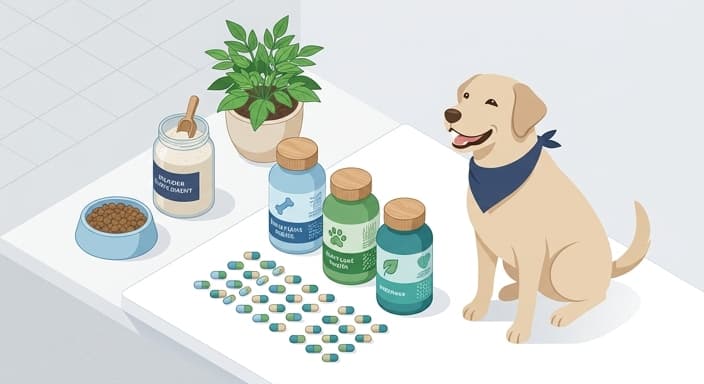
Proactive gut health supplementation is a foundational pillar of preventative veterinary care, not just a remedy for upset stomachs.
The canine gut microbiome is a complex ecosystem that influences immunity, energy, and even behavior; balance (eubiosis) supports health beyond digestion.
A true proactive approach combines probiotics, prebiotics, and postbiotics, rather than relying on CFU counts alone.
When choosing products, prioritize canine-specific formulations with good shelf stability and appropriate strains rather than human probiotics.
The gut-brain axis links digestion and behavior; improving gut health can contribute to emotional stability and reduced stress-related issues.
There is a persistent, outdated myth in the modern pet care community that the only time to worry about a dog’s digestive health is when they are displaying obvious signs of distress, leading many owners to believe that a "normal" stool and a lack of vomiting equate to a perfectly functioning gut. As a veterinarian consultant, I frequently speak with well-meaning pet parents who view gut health as a reactive endeavor, failing to realize that the silent, internal environment of the microbiome is the primary engine behind their dog’s immunity, energy levels, and even their behavioral stability. We are finally moving toward a more sophisticated, proactive standard of canine wellness that treats gut-supporting supplements not as a "last resort" for upset stomachs, but as a foundational pillar of preventative medicine, effectively closing the gap between a pet who merely survives and a companion who thrives from the inside out.
The Holistic Architecture of the Canine Microbiome
To understand why proactive supplementation is a game-changer, we must first look at the "hidden organ" that is the canine gut. The microbiome is not just a collection of bacteria; it is a complex, sentient-like ecosystem composed of trillions of microorganisms, including bacteria, fungi, and protozoa, that reside primarily in the large intestine. When this ecosystem is in balance—a state we call eubiosis—it performs a miraculous array of tasks: it synthesizes essential vitamins, ferments dietary fiber into short-chain fatty acids (like butyrate) that fuel the gut lining, and acts as the "gatekeeper" for the immune system.
Approximately 70% of a dog’s immune system is located within the gut-associated lymphoid tissue (GALT). This means that every time your dog encounters a pathogen or environmental stressor, their gut is the first line of defense. When we introduce proactive supplements—such as high-quality prebiotics, probiotics, and postbiotics—we are essentially providing the building blocks for this defense system. Without this support, the microbiome can easily shift into dysbiosis, where "bad" bacteria outcompete "good" ones, leading not just to digestive upset, but to chronic inflammation that can manifest as skin allergies, poor coat quality, and even anxiety-related behaviors.
Beyond the Basics: Defining Proactive Support
Many owners see the word "probiotic" on a label and assume all supplements are created equal, but true proactive gut health requires a multi-pronged approach. To elevate your dog’s wellness, you need to look for a synergistic combination of three specific components:
- Probiotics (The Soldiers): These are the live, beneficial bacteria (strains like Enterococcus faecium or Lactobacillus species) that replenish the gut population.
- Prebiotics (The Provisions): These are non-digestible fibers, such as Fructooligosaccharides (FOS) or Inulin, that act as "food" for the good bacteria. Think of probiotics as the seeds and prebiotics as the fertilizer.
- Postbiotics (The Results): These are the bioactive compounds produced by the fermentation process in the gut. Supplementing with direct postbiotics can help soothe the intestinal lining and provide immediate immunomodulatory benefits, even before the probiotics have had a chance to colonize.
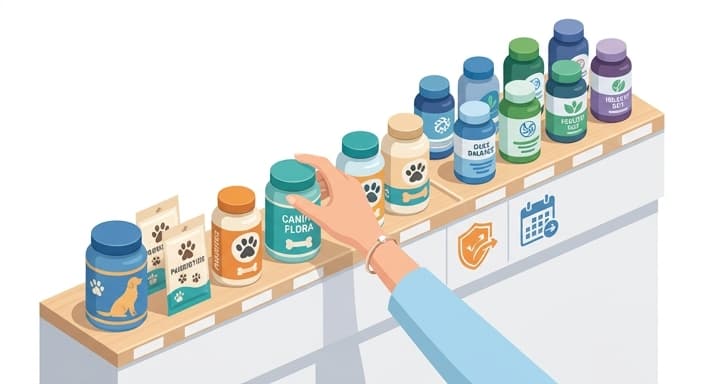
When selecting a product, don't just look for the highest "CFU" (colony-forming unit) count. Focus on shelf stability and, more importantly, whether the product is specifically formulated for canine biology. A human probiotic is not necessarily optimized for a dog’s shorter, more acidic digestive tract.
The Gut-Brain Axis and Behavioral Stability
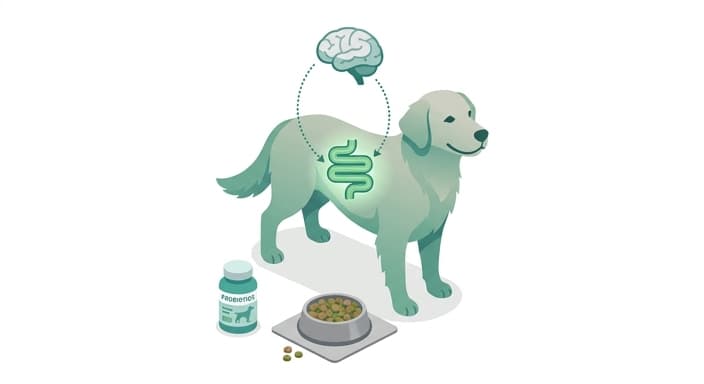
One of the most fascinating developments in veterinary medicine is the growing body of evidence surrounding the "gut-brain axis." We now know that the gut is in constant, bidirectional communication with the brain via the vagus nerve and the production of neurotransmitters. In fact, a significant portion of the body's serotonin—the "feel-good" hormone—is produced in the gut.
If you have a dog that suffers from situational anxiety, such as noise phobia or separation distress, you might be surprised to learn that their gut health could be a contributing factor. A dog with an inflamed or imbalanced microbiome is often a dog with a heightened stress response. By using proactive gut supplements, we are essentially helping to calm the communication line between the stomach and the brain. I often advise my clients who are working with trainers on behavioral modifications to simultaneously focus on gut health; a dog with a stable digestive system is physiologically better equipped to process training and remain calm in high-stimulation environments.
Identifying the Signs of a "Silent" Gut Struggle
If your dog isn't having diarrhea or vomiting, how do you know if they need help? This is where proactive care becomes an art. You should look for "sub-clinical" indicators—small, often overlooked signals that the microbiome is struggling to maintain homeostasis. These can include:
- Occasional "Scooting": While often linked to anal glands, this can also indicate that the stool is not the correct consistency, suggesting poor fiber fermentation.
- Intermittent Flatulence: While some gas is normal, chronic, pungent gas suggests an overgrowth of gas-producing bacteria in the small intestine (SIBO/dysbiosis).
- The "Pick-Up" Test: A healthy stool should be firm, consistent, and easy to pick up. If your dog’s stool varies significantly from day to day despite a consistent diet, the microbiome is likely struggling to adapt to minor stressors.
- Dull Coat or Flaky Skin: Since the gut absorbs the nutrients required for skin health, a lack of efficient nutrient absorption often shows up on the outside first.
If you see these signs, you don't necessarily need an emergency vet visit, but you do have a clear signal that your dog’s "internal engine" needs a tune-up. Proactive supplementation can often resolve these issues before they escalate into chronic conditions like Inflammatory Bowel Disease (IBD).
Implementing a Sustainable Supplement Routine
When introducing gut supplements, consistency is far more important than intensity. I recommend starting with a high-quality, veterinarian-recommended powder or chew and sticking to it for at least 30 to 60 days. The microbiome is a resilient but slow-changing environment; it takes time to shift the population of bacteria in favor of the beneficial strains.
Practical tips for success:
- Start Slow: If your dog has a sensitive system, introduce the supplement at half the recommended dose for the first week to allow their system to adjust to the increase in fiber or microbial activity.
- Pair with Hydration: Many prebiotics are fiber-based. If your dog isn't drinking enough water, this fiber can actually cause constipation. Ensure fresh water is always available.
- Keep a Log: Track your dog’s energy, stool quality, and skin health in a journal or app. You will likely notice that improvements in gut health are subtle but compounding, resulting in a more vibrant dog over time.
- Consult Your Vet: Always run new supplements by your regular veterinarian, especially if your dog is on medication, as some probiotics can interact with antibiotics or immunosuppressants.
The Path to Proactive Longevity
Transitioning from a reactive to a proactive mindset regarding your dog’s gut health is one of the most impactful decisions you can make as a pet parent. By prioritizing the microbiome, you are doing more than just preventing the occasional tummy ache; you are bolstering your dog’s immune system, supporting their emotional stability, and ensuring that they are extracting the maximum nutritional value from every meal they eat. We are no longer living in the era of "wait and see." By investing in the microscopic ecosystem within your companion, you are providing them with the strongest possible foundation for a long, happy, and resilient life. Remember, the goal isn't just to avoid illness, but to foster a state of internal vitality that allows your dog to face the world with confidence, comfort, and the boundless energy they deserve.
Common Questions
🤔
Frequently Asked Questions
Why should dog owners adopt proactive gut health supplements instead of waiting for digestive distress?▼
Proactive supplementation supports the gut microbiome as the frontline immune and barrier system, potentially preventing chronic inflammation and secondary issues like skin or behavioral problems. It aligns with a preventative medicine mindset, closing the gap between merely surviving and thriving. Waiting for distress often means less effective intervention and greater disruption to quality of life.
What are the three components of a proactive gut health supplement, and what does each do for a dog's gut?▼
Probiotics provide live beneficial bacteria to replenish the gut population and support balance. Prebiotics act as fiber-based fuel that helps good bacteria thrive. Postbiotics deliver the bioactive compounds produced during fermentation that help soothe the gut lining and modulate immunity, sometimes even before probiotics colonize.
What should you look for when selecting a canine gut health product?▼
Look for canine-specific formulations with strains proven to be effective in dogs, not just human formulas. Prioritize shelf stability and easy dosing, and consider the product's compatibility with your dog’s digestion and lifestyle. Avoid solely chasing the highest CFU count; quality, evidence, and formulation matter for long-term gut health.
How does the gut-brain axis relate to canine behavior, and how can supplements influence it?▼
The gut and brain communicate bidirectionally via neural pathways and gut-derived neurotransmitters, so a healthier microbiome can support more stable mood and behavior. Proactive gut support may reduce stress responses and anxiety-related behaviors by improving immunomodulation and gut barrier integrity. This connection underscores why gut health is linked to overall wellness and behavior, not just digestion.