Blog4/4/2026
Proactive Dental Care for Senior Pets: Healthier Aging
6 mins Read
The Briefing
Quick takeaways for the curious
Proactive dental care for senior pets is a foundational pillar of vitality, not a cosmetic afterthought.
In aging pets, chronic dental disease can enable bacteria to enter the bloodstream, stressing the kidneys, liver, and heart.
Seniors often show subtle signs of dental pain, such as a preference for soft food, drooling, dropping food, or reluctance to chew.
A professional dental cleaning with full-mouth radiographs is essential to identify hidden problems beneath the gumline.
Modern anesthesia protocols and pre-anesthetic testing improve safety for older pets, making proactive dental care feasible.
There is a persistent, outdated myth in the veterinary community that dental health is purely cosmetic or limited to "fresh breath," leading many owners to overlook the oral cavity until a pet stops eating or begins drooling excessively. As a veterinarian consultant, I frequently speak with devoted pet parents who view a little plaque or "doggy breath" as an inevitable part of aging, failing to realize that the mouth is a gateway to the entire body’s systemic health. We are finally moving toward a more sophisticated, proactive standard of geriatric wellness that leverages evidence-based dental care not as a reactive "fix" for painful extractions, but as a foundational pillar of senior vitality, effectively closing the gap between basic hygiene and the complex, lifelong metabolic needs of our aging companions.
The Biological Reality of the Senior Oral Microbiome
To understand why proactive dental care is non-negotiable for our senior pets, we must first look at the biological reality of the oral environment. A pet’s mouth is home to a diverse ecosystem of bacteria that naturally form a sticky, clear film known as plaque on the tooth surface. In a healthy, young pet, the immune system manages these bacteria effectively. However, as pets enter their golden years, the body’s inflammatory response becomes less efficient. When plaque is not removed, it hardens into tartar (calculus), providing a permanent, rough surface for more bacteria to colonize.
This isn't just a local issue. When periodontal disease—the inflammation and infection of the structures surrounding the teeth—is allowed to progress, the gums become increasingly porous. This allows oral bacteria to enter the bloodstream, a process called bacteremia. Once in the systemic circulation, these pathogens can travel to vital organs, including the kidneys, liver, and heart, placing an unnecessary burden on an already aging immune system. Proactive dental care is, at its core, a form of preventative internal medicine.
Why "Hidden" Pain is the Silent Enemy of Aging
One of the most challenging aspects of geriatric veterinary care is the stoic nature of our pets. Dogs and cats are evolutionarily hardwired to hide signs of weakness, and dental pain is the ultimate master of disguise. Many owners report that their senior pet seems "happier" or "younger" after a professional dental cleaning, not because the pet was lazy, but because they were living with chronic, low-grade pain that they had simply learned to tolerate.
Symptoms of dental disease in seniors rarely present as "not eating." Instead, look for subtle changes: a preference for soft food over kibble, dropping food from the mouth, increased drooling, or a sudden reluctance to play with chew toys. A pet who turns away from a treat they once loved isn't necessarily being picky—they are often experiencing a sharp spike of pain in the gums or tooth root. By intervening early with professional assessments and consistent home care, we can ensure our pets spend their senior years comfortable and pain-free rather than struggling in silence.
The Gold Standard: Professional Assessment and Intervention
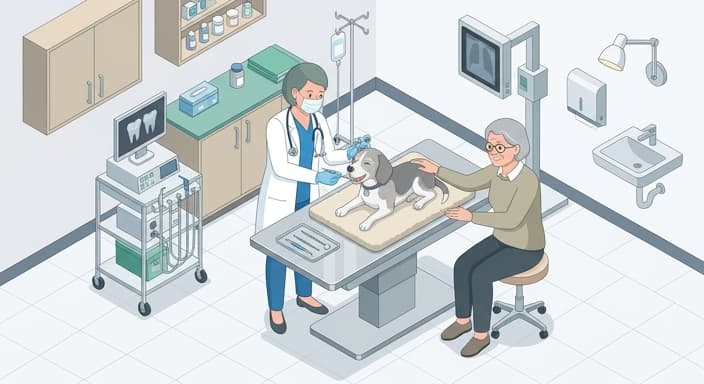
While at-home care is vital, it cannot replace the necessity of a professional veterinary dental cleaning performed under general anesthesia. It is a common misconception that anesthesia is too risky for senior pets. In reality, modern veterinary medicine has made significant strides in anesthetic safety, utilizing pre-anesthetic blood work, advanced monitoring equipment, and tailored anesthetic protocols that prioritize the stability of your pet’s heart and kidneys.
A comprehensive dental procedure involves much more than "scaling the teeth." It includes full-mouth digital dental radiographs. Because over 60% of a tooth's structure—the root—is hidden beneath the gumline, we cannot accurately assess the health of the mouth without X-rays. Radiographs allow us to identify painful abscesses, bone loss, or fractured roots that are completely invisible to the naked eye. By identifying these issues before they turn into acute infections, we can address problems early, often saving teeth that would otherwise need to be extracted if left to fester for another year.
Implementing an Effective Home-Care Routine
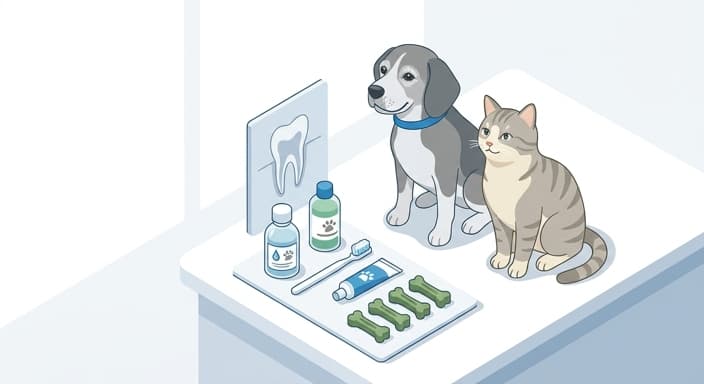
Once a professional cleaning has established a clean slate, the goal shifts to maintenance. The most effective tool in your dental arsenal is the toothbrush. Daily brushing is the gold standard because it physically disrupts the formation of plaque before it can mineralize into tartar. If your senior pet is new to brushing, start slowly. Use a pet-specific enzymatic toothpaste—never use human toothpaste, as the xylitol or fluoride can be toxic—and let your pet lick it off your finger for a few days before introducing the brush.
If your pet is highly resistant to a brush, there are other evidence-based alternatives that can help. Look for products that carry the Veterinary Oral Health Council (VOHC) Seal of Acceptance. This seal ensures that the product has been scientifically proven to reduce plaque or tartar. This includes specific dental diets that use mechanical friction to clean teeth, specialized water additives that alter the oral pH, or dental chews designed to break down biofilms. Remember, however, that these are adjuncts; they cannot replace the mechanical action of brushing or the gold-standard care of a professional cleaning.
Nutrition’s Role in Oral Longevity
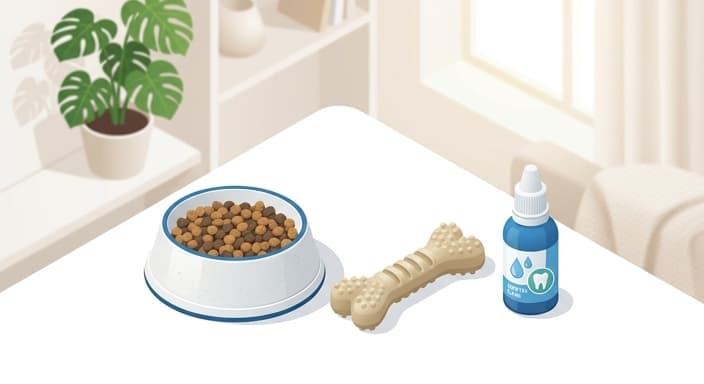
We often focus on what our pets eat as a source of energy, but we must also consider how the physical structure of food affects their oral health. As pets age, they may experience changes in saliva production and gum tissue integrity, making them more susceptible to debris accumulation. A diet that is too soft can contribute to faster plaque buildup, while kibble alone is rarely enough to "scrape" teeth clean.
Consulting with your veterinarian about a dental-specific diet can be a game-changer. These diets are formulated with larger, fibrous kibble pieces that are designed to resist crumbling, forcing the pet to chew and effectively scrubbing the tooth surface as they eat. Combined with adequate hydration, which helps wash away food particles and maintains a healthy oral pH, the right nutritional strategy acts as a continuous, passive defense system against the progression of periodontal disease.
Building a Proactive Future
The journey of senior pet care is one of small, consistent actions that compound over time. By shifting our perspective from viewing dental health as a reactive "fix" to a core component of daily wellness, we grant our companions the gift of a comfortable, pain-free life. It is never too late to start a dental routine; even a senior pet with significant disease can experience a profound improvement in quality of life with the right professional intervention and a commitment to home maintenance. Let’s commit to giving our aging companions the vibrant, healthy smiles they deserve, ensuring that their golden years are defined by comfort, curiosity, and the joy of a life well-lived.
Common Questions
🤔
Frequently Asked Questions
Why is dental care not just cosmetic for senior pets?▼
The mouth is a gateway to systemic health, and plaque buildup can progress to periodontal disease. Bacteria from the mouth can enter the bloodstream and affect the kidneys, liver, and heart, especially as the immune system ages. Proactive dental care helps prevent pain and protects overall vitality rather than waiting for problems to worsen.
How can owners recognize dental pain in aging pets when they hide pain?▼
Senior pets often mask weakness, so dental pain may show as subtle changes. Look for a preference for soft food, dropping food, increased drooling, or a sudden reluctance to chew toys. Treats they once loved may trigger discomfort, and professional assessment can uncover underlying dental disease early.
What does a professional senior dental assessment involve?▼
A professional assessment includes anesthesia with pre-anesthetic blood work and monitoring. It goes beyond scaling the teeth to include full-mouth digital dental radiographs, which reveal hidden problems under the gumline. Radiographs help identify abscesses, bone loss, or other issues that are not visible during a routine exam.
Is anesthesia safe for older pets, and how is safety ensured?▼
Advances in veterinary anesthesia have greatly improved safety for seniors. Pre-op testing, tailored anesthetic protocols, and continuous monitoring minimize risk during procedures. When indicated, the benefits of a thorough dental evaluation and treatment typically outweigh the potential risks, enabling better long-term health.