Blog3/20/2026
Preventative Dental Care Tips for Pets: Healthy Breath
5 mins Read

The Briefing
Quick takeaways for the curious
Dental disease is extremely common in adult pets but highly preventable with regular home care and routine veterinary guidance.
Understanding the periodontium helps explain why plaque and tartar progression can threaten not just teeth, but gum health, bone support, and even systemic health.
Brushing is the single most effective way to control plaque, and even modest routines—about sixty seconds, three to four times per week—can significantly improve long‑term oral health.
For brushing‑averse pets, evidence‑based alternatives like VOHC‑approved chews and toys can help reduce plaque and tartar when used correctly.
Choose dental products carefully: use pet‑specific enzymatic toothpaste, avoid hard or risky chews, and maintain a routine that minimizes dental pain and potential systemic complications.
There is a persistent myth in the world of pet ownership that bad breath is simply "part of the package"—a feline or canine quirk we just have to live with. As a veterinarian, I am here to tell you that "dog breath" is not a sign of a healthy pet; it is often the first, quiet signal of a silent, systemic battle occurring beneath the gum line. Dental disease is the most common clinical condition I see in adult pets, yet it is also one of the most preventable, turning what could be a lifelong struggle with chronic pain into a manageable, routine aspect of your pet's wellness journey.
The Hidden Anatomy: Understanding Periodontal Disease
To understand why dental care is so critical, we must look beyond the gleaming white crowns of your pet’s teeth and focus on the "periodontium"—the intricate system of gums, ligaments, and bone that holds each tooth in place. Dental disease begins innocuously as plaque, a sticky, bacteria-rich film that forms on teeth within hours of a meal. If not disrupted by mechanical cleaning, this plaque hardens into tartar (calculus) within just a few days, creating a permanent, rough surface that serves as a high-rise apartment complex for more harmful bacteria.
The danger arises when these bacteria travel beneath the gum line. Your pet’s immune system responds by sending inflammatory cells to the site, which, while meant to protect, actually causes tissue destruction. Over time, the gums recede, the bone supporting the tooth root dissolves, and the once-firm anchorage of the tooth is compromised. This is not merely a local issue; the bacteria from an infected mouth can enter the bloodstream through the inflamed, bleeding gums, potentially seeding infection in the heart, liver, and kidneys. By viewing the mouth as a gateway to the entire body, we transform dental care from a chore into a vital act of preventative medicine.
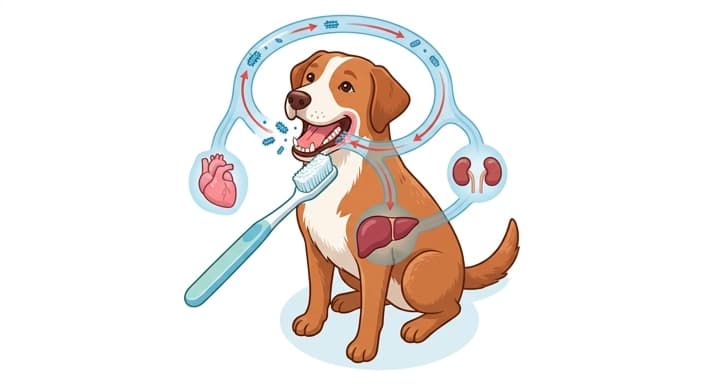
The Gold Standard: Brushing as a Bonding Ritual
If I could leave my clients with one piece of advice, it is this: brushing is the single most effective way to manage plaque. While dental chews and water additives have their place, none of them can replace the mechanical disruption that a soft-bristled brush provides. The key to success is patience and positive reinforcement. Many owners feel intimidated by the idea of sticking a toothbrush into their pet’s mouth, but you don’t need to reach the "back molars" perfectly on day one.
Start by getting your pet comfortable with having their muzzle touched and their lips lifted. Use a pet-specific, enzymatic toothpaste—human toothpaste is toxic due to xylitol and fluoride—and let your pet lick it off your finger as a treat. Once they associate the flavor with a reward, introduce a soft-bristle finger brush, and eventually, a dedicated pet toothbrush. Focus on the outer surfaces of the teeth; that is where the majority of plaque accumulates. If you can commit to just sixty seconds of brushing three to four times a week, you will significantly change the trajectory of your pet’s oral health and spare them from the discomfort of professional extractions down the road.
Beyond the Brush: Functional Chews and Toys
Not every pet will tolerate a toothbrush, and for those "brushing-averse" companions, there are several evidence-based alternatives that can help bridge the gap. When selecting dental chews or toys, look for the Veterinary Oral Health Council (VOHC) seal of acceptance. This ensures that the product has undergone rigorous clinical testing to prove it actually reduces plaque and tartar buildup, rather than just masking the smell with minty additives.
When choosing a chew, think about the "rule of thumb": if you can’t indent the treat with your fingernail, it is likely too hard and carries a risk of fracturing your pet’s teeth. Rawhides and overly dense, non-yielding bones are leading causes of slab fractures in the carnassial teeth. Instead, opt for VOHC-approved chews that have a degree of "give," allowing the tooth to sink into the material, which acts as a gentle, abrasive scrub. Similarly, interactive toys designed with ridges or nubs can help massage the gums and promote saliva production, which is the body’s natural rinse cycle for the mouth.

Recognizing the Red Flags: When Home Care Isn't Enough
Even with the best home care, genetics play a significant role in dental disease. Some pets, particularly small-breed dogs with crowded mouths, are predisposed to rapid tartar accumulation regardless of their owner's efforts. It is essential to be a keen observer of your pet’s behavior, as they are masters at masking dental pain. Because they cannot tell us their tooth hurts, they often continue to eat, leading owners to believe their mouth is fine.
Look for the subtle "silent" symptoms: a sudden preference for soft food over crunchy kibble, dropping food from the mouth while eating, increased drooling, or a reluctance to have their face touched. You might also notice a change in grooming habits in cats, or a tendency to chew on only one side of the mouth. If you notice persistent bad breath, inflamed or bright red gum lines, or loose teeth, it is time to schedule a professional cleaning. In a veterinary setting, this is performed under general anesthesia, which allows us to perform full-mouth dental radiographs—the only way to see the 60% of the tooth that lies hidden beneath the gum line.
Building a Lifelong Dental Routine
Preventative dental care is a marathon, not a sprint. It requires a consistent, low-stress routine that integrates seamlessly into your pet’s daily life. Whether it is a daily brushing session, a nightly dental chew, or a scheduled biannual oral health assessment with your veterinarian, every small action compounds over time to protect your pet’s health. By shifting our perspective to view oral hygiene as a cornerstone of longevity, we aren't just preventing bad breath; we are actively preventing systemic inflammation and ensuring that our pets can live their lives with the comfort, vitality, and quality of life they deserve.
Start today by inspecting your pet’s mouth for those early signs of redness or buildup. If you’re unsure about the state of their oral health, don’t hesitate to bring them in for a consultation. A healthy mouth is one of the greatest gifts you can give your companion—it keeps their heart strong, their kidneys functioning, and their spirit bright enough to keep chasing balls and begging for treats for many years to come.
Common Questions
🤔
Frequently Asked Questions
Why is preventative dental care important for pets?▼
Dental disease is the most common clinical condition seen in adult pets, yet it is highly preventable. It begins with plaque and tartar that can cause gum inflammation, tooth loss, and bone damage. Bacteria from the mouth can enter the bloodstream and affect the heart, liver, and kidneys. Treating dental care as preventative medicine helps protect overall health and quality of life.
What is the best way to start brushing my pet's teeth?▼
Begin by getting your pet comfortable with muzzle handling and lip lifting. Use a pet‑specific enzymatic toothpaste—never human toothpaste, which can be toxic due to xylitol and fluoride—and let your pet lick it from your finger as a reward. Introduce a soft‑bristle finger brush, then progress to a dedicated pet toothbrush, focusing on the outer tooth surfaces where most plaque accumulates. Aim for about sixty seconds of brushing, three to four times a week, to meaningfully improve oral health.
What alternatives exist if my pet won't tolerate brushing?▼
There are several evidence‑based alternatives to brushing, including VOHC‑sealed dental chews and toys that have been tested to reduce plaque and tartar. These should be used to supplement brushing, not replace it, and care should be taken to choose products that are not overly hard to avoid tooth fractures. Avoid rawhides and excessively dense bones, which can cause fractures; instead select chews that have a degree of give and are appropriate for your pet.
What should I look for when choosing dental chews or toys?▼
Look for the VOHC ( Veterinary Oral Health Council) seal of acceptance, which indicates the product has clinical support for reducing plaque and tartar. Check the texture by testing if you can indent the treat with your fingernail; if it’s too hard, it may risk tooth fractures. Avoid overly hard items such as rawhides or dense bones, and prefer chews that provide some give while still offering cleaning action. Remember, chews are a supplement to brushing, not a substitute.