Blog3/27/2026
Practical Pet Home Aesthetics for Modern Living Spaces
7 mins Read
The Briefing
Quick takeaways for the curious
Practical aesthetics creates a bridge between human comfort and animal well-being by integrating pet needs into everyday design rather than sacrificing style.
Zone theory helps planners design spaces with high-traffic social zones, low-traffic decompression zones, and secure rest zones to reduce pet stress.
Choosing durable, high-performance materials like matte-finish LVP, textured hardwoods, and performance fabrics balances longevity with aesthetic appeal.
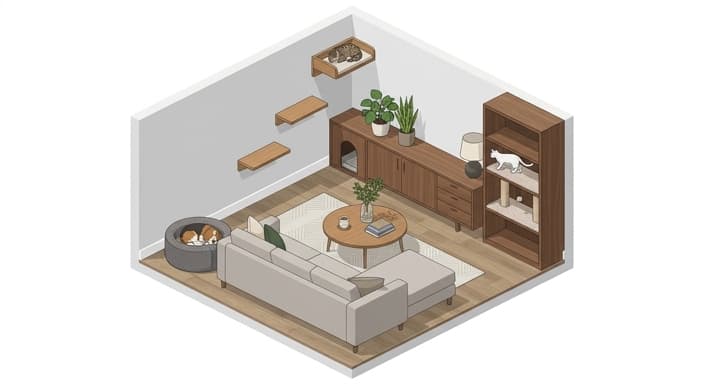
Furniture that doubles as pet architecture—concealed litter boxes, integrated pet beds, and other hidden amenities—keeps the home visually calm while meeting animal needs.
True enrichment is embedded in architecture and layout, not scattered toys, so homes offer multi-sensory opportunities for climbing, sniffing, and foraging within the design.
There is a persistent, outdated myth in the veterinary world that a pet-friendly home must inevitably look like a chaotic obstacle course of neon-colored plastic towers, frayed carpet scraps, and oversized, unsightly crates. As a veterinarian, I frequently consult with pet parents who apologize for their "cluttered" living rooms, assuming that providing for their pet’s enrichment necessitates sacrificing their own interior design aesthetic, when in reality, the most successful homes integrate animal needs into the architecture of the space itself. We are finally moving toward a new, sophisticated standard of pet care where "practical aesthetics" serves as a bridge between human comfort and animal well-being.
The Psychology of Shared Environments
To understand why your home design choices impact your pet’s behavior, we must shift our perspective from seeing a home as a static box to viewing it as a dynamic, sensory landscape. For a dog or a cat, the living room is not just a place for a sofa and a television; it is a territory that must be navigated, defended, and rested within. When we design spaces that ignore the innate territorial and comfort-seeking behaviors of our pets, we often inadvertently create stress-inducing environments.
A home that is "pet-forward" doesn't have to be a home that is "pet-dominated." It is about understanding the "zone" theory: every animal needs a high-traffic social zone, a low-traffic decompression zone, and a secure rest zone. By using furniture that doubles as functional pet architecture—such as credenzas that house hidden litter boxes or ottoman-style dog beds that blend into your living room decor—you validate your pet’s need for security without cluttering your visual field. When an animal feels that their environment is predictable and provides them with private, safe retreats, we see a measurable decrease in cortisol levels and a corresponding reduction in anxiety-based behaviors like destructive chewing or excessive vocalization.
Material Selection: The Intersection of Durability and Design
The primary friction point between high-end design and pet ownership is usually the choice of textiles and surfaces. Many pet owners shy away from beautiful homes, fearing that their pet will ruin the upholstery within a week. However, the solution isn't to live in a "plastic-wrapped" house, but to select high-performance materials that are both visually appealing and physically resilient.
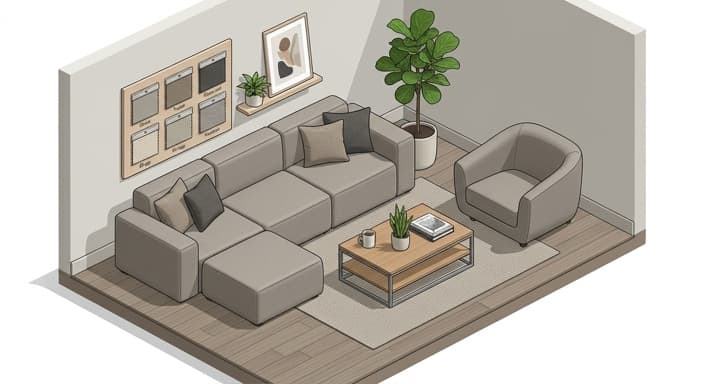
From a veterinary perspective, I often see "house-soiling" issues that are actually rooted in floor anxiety—pets sliding on slippery, cheap laminate or refusing to walk on surfaces that don't offer grip. When choosing flooring, look for matte-finish, high-durability luxury vinyl plank (LVP) or textured hardwoods. These materials provide the necessary traction for a dog’s joints, reducing the risk of long-term orthopedic issues like hip dysplasia or cruciate ligament tears. Similarly, for furniture, move away from delicate linens and toward performance fabrics like commercial-grade Crypton or tight-weave synthetics. These fabrics are stain-resistant, antimicrobial, and capable of withstanding sharp claws, allowing you to choose sophisticated, neutral palettes without the constant worry of maintenance. By selecting materials that align with your pet's tactile needs, you eliminate the "pet-proofing" guilt that prevents many owners from truly enjoying their homes.
Integrating Enrichment into Interior Architecture
Enrichment is often mistaken for a collection of toys strewn across the floor, but true environmental enrichment is about creating a home that mimics the complexity of the natural world. In the wild, animals are constantly moving, climbing, sniffing, and foraging. In a modern home, we often render them sedentary by providing everything in one place. Practical aesthetics allows us to integrate "hidden" enrichment into our interior design.
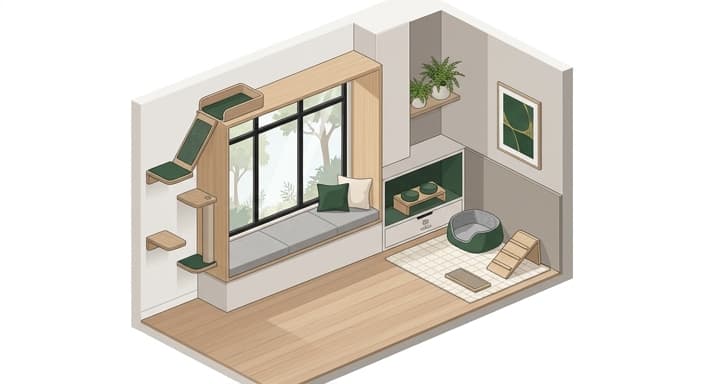
Consider the "catification" of a living room. Instead of a standalone carpeted tower, install high-quality floating shelves that coordinate with your wall color and millwork. These can act as a bridge from a bookshelf to a high-up lounge, satisfying a cat’s biological drive for verticality while serving as a minimalist art installation. For dogs, consider "sniff-friendly" design. Instead of a single large bed, place smaller, orthopedically sound mats in different rooms to encourage movement throughout the day. You can even design built-in feeding stations in cabinetry or laundry rooms that keep water and food bowls off the floor, reducing the chance of accidental spills and keeping your home’s flow clean and unobstructed. This approach turns your home into a sanctuary that rewards curiosity rather than a static space that demands passivity.
Decompression Zones: Reducing Sensory Overload
Modern life is loud and busy, and our pets feel that intensity just as much as we do. A significant part of my veterinary practice involves addressing "sensory overload," a condition where pets become overstimulated by the constant traffic, noise, and visual clutter of a modern home. A key principle of practical aesthetics is the creation of "decompression zones"—specific areas where the sensory input is minimized.
These zones should be visually quiet and physically secure. A well-placed dog crate covered with a high-quality, breathable fabric cover in a quiet corner of the office or bedroom becomes a den, not a cage. For cats, a simple, stylish wooden enclosure that houses a litter box in a low-traffic hallway offers the privacy they require for their most vulnerable moments. When we provide these zones, we are essentially giving our pets a "reset button." You don’t need to sacrifice your home’s aesthetic to achieve this; by utilizing consistent color palettes and streamlined, unobtrusive furniture, you can create these zones so they feel like intentional design features rather than afterthoughts. A calm pet is a happy pet, and a calm home is a beautiful one.
The Role of Lighting and Air Quality in Pet Health
While we often focus on furniture and layout, the invisible elements of your home—lighting and air quality—are just as critical to the "aesthetic" of health. From a veterinary standpoint, I encourage pet parents to maximize natural light wherever possible, but to ensure that high-heat zones are avoided. Direct, intense sunlight in a pet’s favorite sleeping spot can lead to overheating, especially in brachycephalic (flat-faced) breeds like Bulldogs or Persians. Use sheer, neutral curtains to diffuse light while maintaining a bright, airy feel.
Air quality is another often-overlooked pillar of pet wellness. Modern "scented" homes are frequently toxic environments for our companions. Many essential oils, plug-in air fresheners, and harsh synthetic candles contain volatile organic compounds (VOCs) that can trigger feline asthma or respiratory distress in dogs. For a truly healthy, practical home, pivot toward high-efficiency particulate air (HEPA) filtration systems that integrate seamlessly into your decor. Many modern air purifiers are designed to look like sleek, minimalist furniture. By focusing on air purity, you aren't just creating a "cleaner" home; you are actively protecting your pet’s lungs and reducing the incidence of chronic respiratory inflammation. This is the ultimate practical aesthetic: a home that looks clean, smells fresh, and supports the biological integrity of everyone who lives inside it.
Cultivating a Sustainable Pet Lifestyle
Ultimately, the goal of practical aesthetics for the modern pet home is to cultivate a space that honors the bond between human and animal. As we move toward more intentional living, we should view our pets not as additions to our interior design, but as the primary stakeholders in it. When you choose durability over disposability, functionality over clutter, and health over convenience, you aren't just decorating—you are practicing a form of preventative care.
Invest in quality pieces that grow with your pet, favor natural textures that are easy to clean, and always prioritize the "zone" theory to ensure your home supports their physical and emotional needs. A home designed with both the human and the animal in mind is a place of peace, where the lines between design and care disappear, leaving only a comfortable, healthy environment for everyone to thrive in. By taking these small, thoughtful steps, you can ensure that your home remains a sanctuary that reflects your taste while profoundly enhancing the life of your most loyal companion.
Common Questions
🤔
Frequently Asked Questions
What is 'practical aesthetics' in modern pet homes?▼
Practical aesthetics is a design approach that balances human comfort with animal well-being by weaving pet needs into the architectural fabric of a home. It emphasizes spaces that feel calm and cohesive while providing security, predictability, and opportunities for natural behaviors. Features like hidden litter boxes in credenzas or ottoman-style pet beds demonstrate how function can masquerade as furniture. This approach helps pet parents enjoy stylish interiors without sacrificing their pets' welfare.
How can zone theory guide layout decisions?▼
Zone theory suggests every area should provide a clear purpose: a high-traffic social zone for interaction, a low-traffic decompression zone for quiet time, and a secure rest zone for retreat. Designing furniture and architecture that encodes these zones helps pets move, rest, and retreat with less stress. When a space supports predictable routines, cortisol levels in pets typically drop and anxiety-based behaviors decrease. The result is a home that feels calm for both humans and animals.
Which materials best balance durability and design for pet households?▼
Choose matte-finish, high-durability flooring like luxury vinyl plank or textured hardwood to improve traction and joint health. For upholstery, select performance fabrics such as Crypton or tight-weave synthetics that resist stains, odors, and claws. These choices let you maintain a sophisticated palette without constant maintenance or guilt about damage. Proper materials reduce the sense that you have to 'pet-proof' your entire look.
How do you embed enrichment into interior architecture without clutter?▼
Enrichment should be woven into the architecture rather than scattered as toys. Think cat shelves, built-in perches, hidden treat puzzles, and furniture that doubles as exploration structures. Enrichment integrated into design supports natural behaviors like climbing, sniffing, and foraging while preserving a clean, cohesive look. This approach delivers mental stimulation for pets and aesthetic harmony for homeowners.