Blog4/15/2026
Practical Aesthetics for Modern Pet Spaces: Stylish & Functional
6 mins Read
The Briefing
Quick takeaways for the curious
Modern pet spaces blend aesthetics with animal welfare by integrating instinctual needs like elevation, security, and territory into stylish, minimal design rather than hiding pet furniture away.
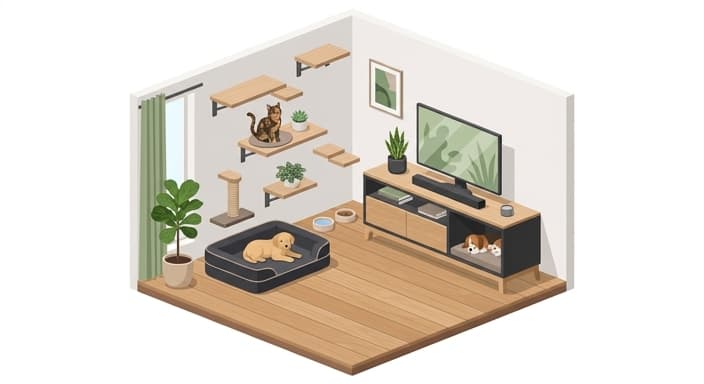
Vertical, wall-mounted modular systems for cats provide observation and exercise without floor clutter, aligning with cats' arboreal tendencies and reducing allergen-prone carpet clutter.
For dogs, design dens can be integrated into furniture (e.g., crates that double as side tables or media consoles) to satisfy denning instincts while maintaining room functionality and flow.
Material choices matter for hygiene and longevity; prioritize non-porous, antimicrobial, easy-to-clean textiles and surfaces such as Crypton fabric, solid wood, powder-coated metal, and high-density polymers over carpeting and particle board.
Ergonomic considerations are essential; choose orthopedic, memory-foam inserts for beds, with designer-grade upholstery to support joint health while preserving interior style.
There is a persistent, outdated myth in the modern home design community that a pet-friendly living space must necessarily look like an obstacle course of neon plastic, frayed carpet towers, and unsightly rubber mats. As a veterinarian consultant, I frequently speak with design-conscious pet parents who feel they must choose between the sanctity of their home’s aesthetic and the enrichment needs of their companions, failing to realize that modern pet furniture can be a sophisticated, seamless extension of our own interior design. We are finally moving toward a more refined standard of "pet-architecture" that integrates the physiological and psychological needs of animals into the very fabric of the home, effectively closing the gap between a sterile, pet-free showroom and a chaotic, cluttered house, proving that a home can be both a high-end sanctuary for you and a functional playground for your pet.
The Philosophy of Blended Design: Prioritizing Instincts
To understand why practical aesthetics are the future of pet care, we must move past the idea that "pet furniture" should be hidden away in a laundry room or tucked into a dark corner. At its core, the modern pet space is about honoring the animal’s evolutionary need for security, elevation, and territory while respecting the human need for order.
When we design for pets, we must consider their behavioral drivers. Cats, for instance, are arboreal by nature; they feel safest when they can observe their domain from an elevated position. Instead of relying on a floor-standing carpeted tree that traps dander and smells, consider wall-mounted modular systems that double as minimalist shelving. These units allow your cat to traverse the room vertically—fulfilling their biological need for exercise and mental stimulation—without occupying a single square foot of your floor space. Similarly, for dogs, their "denning" instinct requires a secure, cozy space where they can retreat. By opting for furniture-grade crates, such as side tables or media consoles that double as dens, we provide the pet with the psychological comfort of a private enclosure while elevating the room's overall functionality.
Material Science: The Intersection of Durability and Style
The biggest hurdle for pet parents is the intersection of material longevity and visual appeal. Many of the fabrics and finishes commonly found in pet products are prone to trapping allergens, odors, and bacteria, which can become a veterinary concern if not managed correctly. As a consultant, I always advise clients to prioritize non-porous, antimicrobial, and easy-to-clean materials that don't sacrifice tactile comfort.
Focus on performance fabrics like commercial-grade Crypton or high-quality velvet, which are not only stain-resistant but also discourage the habit of shredding. For surfaces, look toward solid wood, powder-coated metals, or high-density polymers rather than particle board covered in synthetic carpeting. Carpeting, while cozy for a cat’s claws, is notoriously difficult to sanitize and can harbor dust mites and pathogens that exacerbate respiratory issues in sensitive pets. By choosing sleek, wipeable surfaces, you create an environment that is not only visually crisp but also promotes a higher standard of hygiene for your animal’s health.
Ergonomic Zones: Supporting Joint Health in Style
We often neglect the fact that our pets’ furniture serves an ergonomic function. A dog bed is not just a place to sleep; it is a critical piece of orthopedic equipment. As pets age, they are prone to osteoarthritis and degenerative joint disease. The aesthetic of a bed is secondary to its ability to support the skeletal structure and distribute pressure evenly.
The good news is that we no longer have to compromise. There are now numerous manufacturers creating orthopedically sound memory foam inserts that can be upholstered in designer-grade fabrics to match your existing color palette. Furthermore, consider the height of your pet’s feeding station. Elevated feeders are a staple in my veterinary recommendations for dogs with neck pain or esophageal issues, and they are now widely available in architectural designs using marble, bamboo, or matte black steel. By integrating these health-focused tools into your interior design, you are effectively providing preventative care while maintaining a cohesive, curated look.
Verticality and Sensory Enrichment: A Balanced Environment
For many indoor pets, the lack of environmental variety can lead to behavioral issues such as anxiety, destructive chewing, or lethargy. A "practical aesthetic" doesn't just mean pretty—it means purposeful. Your furniture layout should encourage natural movement and sensory engagement.
If you have a cat, consider integrating "hide-and-seek" elements into your existing decor. A console table with a hollowed-out base or a dedicated cubby in a bookshelf provides a sense of sanctuary. For dogs, a "scent station"—a dedicated area where you might rotate durable, non-toxic puzzle toys—can be integrated into an entryway mudroom, keeping the clutter contained while providing the mental stimulation your pet needs. The goal is to create a home that feels like a natural habitat, where the pet has clear boundaries and opportunities for autonomy. When we provide these outlets, we see a marked decrease in the "boredom behaviors" that drive so many pet parents to my clinic.
The Hidden Logistics: Managing the Mess
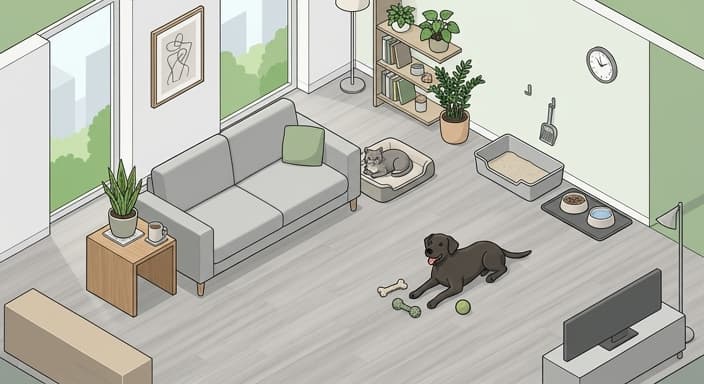
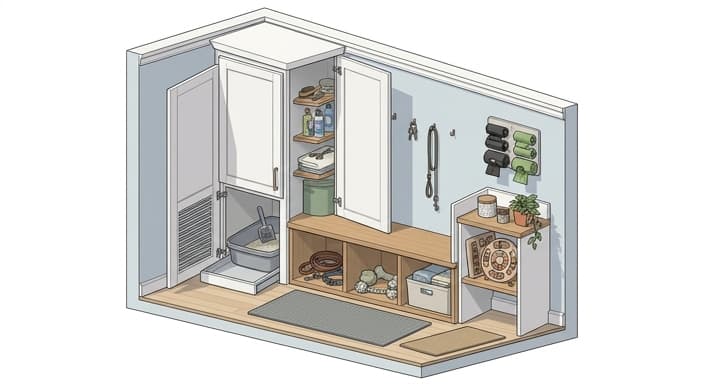
Even the most beautiful pet space will fail if the logistics of hygiene are not considered. Practical aesthetics require us to build "maintenance buffers" into our designs. This means placing litter boxes behind custom cabinetry with built-in ventilation or utilizing concealed storage for grooming supplies, waste bags, and cleaning agents.
If you are renovating or styling a room, think about the "traffic flow" of your pet. Where do they shed the most? Where do they tend to track in dirt? By using high-quality, washable area rugs in high-traffic zones, you can protect your floors while adding texture and warmth to your design. These rugs should be low-pile and machine-washable to ensure that you can easily remove dander and debris. Remember, a pet-friendly home is, first and foremost, a clean home. By integrating storage solutions that keep pet-related items out of sight, you reduce the visual noise that often makes a home feel chaotic, while simultaneously keeping essential supplies within arm’s reach for daily grooming and health checks.
Conclusion: A Synthesis of Form and Wellness
Creating a practical aesthetic for your pet is not merely about decorating; it is about building a supportive environment that mirrors the care you provide in the exam room. By blending ergonomic support, high-performance materials, and species-specific enrichment, we can foster a living space that honors the health of our companions without sacrificing our personal style. A thoughtful home is a proactive tool for wellness, ensuring that your pet feels secure, stimulated, and physically supported at every turn. When we intentionally design our spaces to accommodate the unique needs of our animals, we bridge the gap between human aesthetics and animal instinct, ultimately creating a harmonious life where both species can truly thrive.
Common Questions
🤔
Frequently Asked Questions
How can pet spaces be both stylish and functional without looking like an obstacle course?▼
Pet-friendly design today uses wall-mounted modular systems and integrated den spaces that keep floors clear while giving pets vertical observation and secure retreat. This approach honors animals' instincts for elevation and territory without sacrificing a clean, cohesive aesthetic. By selecting furniture-grade crates and dens that blend with your furniture, you maintain flow and reduce visual clutter.
What materials balance durability, hygiene, and aesthetics in modern pet furniture?▼
Choose non-porous, antimicrobial, and easy-to-clean fabrics such as performance textiles like Crypton or high-quality velvet that resist staining and scratching. For surfaces, favor solid wood, powder-coated metals, or high-density polymers over carpeting or particle board. These choices simplify cleaning and help maintain a visually crisp, hygienic space.
How do ergonomic considerations influence pet furniture design?▼
Ergonomics should drive choices like orthopedic memory foam inserts that distribute pressure and support joints, especially for aging pets. Upholstery should be designer-grade to match your decor while remaining durable under daily use. Properly designed beds and elevated perches reduce strain and promote comfort without compromising style.
What practical steps can homeowners take to integrate pet spaces into a contemporary home?▼
Start by mapping pet zones that align with human traffic patterns and sightlines, then select multi-functional pieces that serve dual roles (e.g., a side table with a built-in den). Choose cohesive color palettes and materials that echo the rest of your decor, and prioritize easy-to-clean surfaces. Finally, invest in modular elements that can grow with your pet and living space, ensuring the design evolves with needs.