Blog3/26/2026
Practical Aesthetics for Modern Pet Spaces: Calm, Active Homes
5 mins Read
The Briefing
Quick takeaways for the curious
Practical aesthetics reconciles human interior design with pet needs, debunking the myth that enrichment requires a chaotic, pet-dominated space.
A successful pet-forward home uses zone theory—high-traffic social zones, low-traffic decompression zones, and secure rest zones—integrated into the layout.
Material choices matter for hygiene and comfort: avoid deep-pile carpets and porous fabrics; use high-performance fabrics like Crypton or heavy-duty canvas, and opt for hard surfaces for easy cleaning.
Architectural enrichment embeds pet-structures into the home’s design, using wall-mounted bridges, floating steps, and window perches that match the decor.
Design-minded veterinary perspectives frame enrichment as preventative medicine, promoting activity, reducing obesity and joint issues, and improving behavior.
There is a persistent, outdated myth in the veterinary world that a pet-friendly home must inevitably look like a chaotic obstacle course of plastic towers, neon-colored toys, and frayed carpet scraps. As a veterinarian, I frequently consult with pet parents who apologize for their "cluttered" living rooms, assuming that providing for their pet’s enrichment necessitates sacrificing their own interior design aesthetic, when in reality, the most successful homes integrate animal needs into the architecture of the space itself. We are finally moving toward a new, sophisticated standard of pet care where "practical aesthetics" serves as a bridge between human comfort and animal well-being.
The Psychology of Shared Environments
To understand why your home design choices impact your pet’s behavior, we must shift our perspective from seeing a home as a static box to viewing it as a dynamic, sensory landscape. For a dog or a cat, the living room is not just a place for a sofa and a television; it is a territory that must be navigated, defended, and rested within. When we design spaces that ignore the innate territorial and comfort-seeking behaviors of our pets, we often inadvertently create stress-inducing environments.
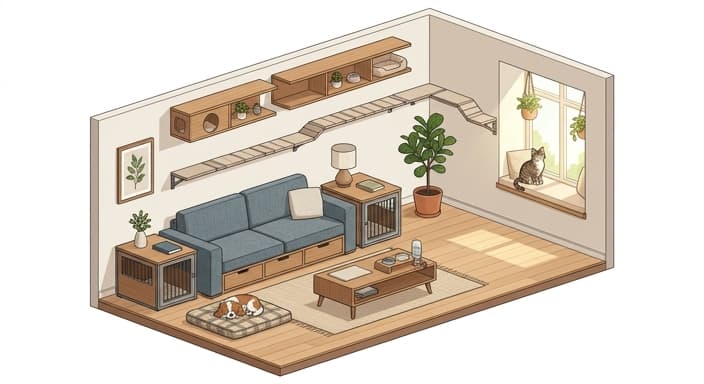
A home that is "pet-forward" doesn't have to be a home that is "pet-dominated." It is about understanding the "zone" theory: every animal needs a high-traffic social zone, a low-traffic decompression zone, and a secure rest zone. By using furniture that doubles as pet housing—such as end tables that function as crates or climbing shelves disguised as modern wall art—we honor the animal’s need for security without compromising the flow or visual harmony of our modern living spaces.
Material Science: Balancing Durability with Design
One of the most common clinical complaints I hear from pet owners is the anxiety surrounding "the mess"—shedding, scratching, or the occasional accident on high-end furniture. However, the solution isn't to banish pets to one room; it is to make smarter, more informed choices regarding the textiles and materials we bring into our homes.
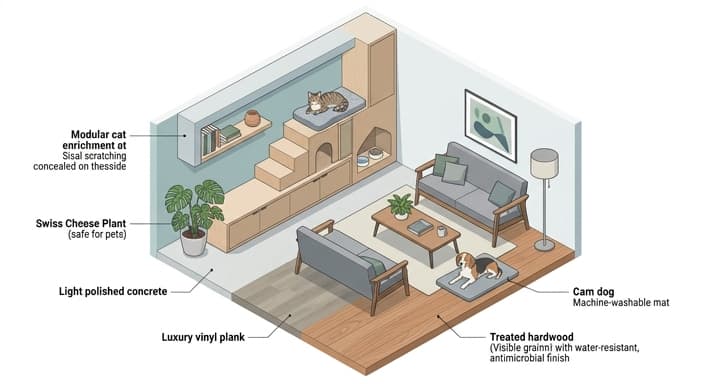
From a veterinary and hygiene perspective, the biggest offenders in a home are deep-pile carpets and porous fabrics that trap dander, dust mites, and bacteria. These materials are notorious for exacerbating feline asthma and canine allergies. Instead, I advocate for the use of high-performance, tightly woven fabrics like Crypton or heavy-duty canvas, which offer water resistance and antimicrobial properties while looking sleek and contemporary. Opting for hard surfaces like polished concrete, luxury vinyl plank, or treated hardwoods isn't just a design trend; it is a health-conscious decision that allows for medical-grade cleaning, which is vital for maintaining a healthy microbiome for both human and animal occupants.
The Architecture of Enrichment: Integrating Activity
When we discuss "practical aesthetics," we must address the elephant in the room: the ugly, towering cat tree that stands like a sore thumb in the center of the living room. As a veterinarian, I see the toll that inactivity takes on our pets, leading to obesity, joint degradation, and secondary behavioral issues. Yet, I also know that if a piece of enrichment equipment is an eyesore, a pet owner is far less likely to keep it in the main living space where it belongs.
The solution is the move toward "architectural enrichment." We can create wall-mounted bridges, floating steps, and window perches that utilize the same wood tones and finishes as the rest of the home’s cabinetry. By treating these functional installations as part of the home’s structural design, we encourage our pets to stay active and engaged throughout the day. A cat that has a clear, elevated "highway" to traverse the living room is a cat that is less likely to engage in redirected aggression or destructive scratching on your velvet sofa. Design becomes a form of preventative medicine.
Lighting and Sensory Regulation
While we often focus on the physical layout, we frequently overlook the sensory impact of lighting and sound in our pets' spaces. In the wild, animals have a keen sense of circadian rhythms dictated by the sun. In our modern, artificial homes, we often leave lights blaring or rooms dark, which can disrupt a pet's hormonal regulation.
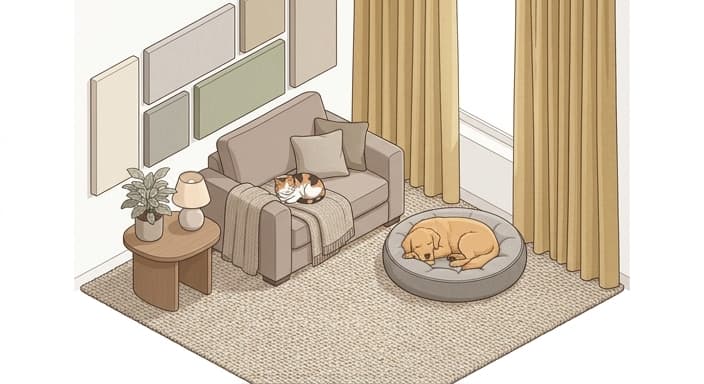
Practical aesthetics involve designing with light. Placing pet beds or resting stations in areas that receive natural morning light helps regulate your pet’s sleep-wake cycle, which is essential for cortisol management. Furthermore, sound-dampening design—using rugs, wall hangings, and soft textures—is not just about reducing your own echo; it is about protecting your pet’s sensitive ears. Dogs, in particular, suffer from chronic stress caused by the "boominess" of modern, minimalist apartments with high ceilings and bare floors. By incorporating soft, sound-absorbing elements, you are creating a sanctuary that protects your pet’s nervous system from the barrage of daily household noises.
Designing for Aging and Mobility
A significant portion of my clinical practice is dedicated to geriatric care. I often visit homes where, unfortunately, the design has become a hazard for an aging pet. A sleek, modern staircase with slick, polished wood surfaces might look beautiful, but it can be a nightmare for a dog with hip dysplasia or a cat with arthritis.
Practical aesthetics means "future-proofing" your space. This doesn't mean your home has to look like a nursing home. It means integrating non-slip textures into your design choices. Think of stylish, low-pile runner rugs that provide traction on slick floors, or furniture with lower profiles that reduce the need for high-impact jumping. Designing for mobility is about creating a home that grows with your pet. When we prioritize accessibility in our interior design, we are actively extending our pets' lives by reducing the strain on their joints and lowering the risk of household accidents.
Conclusion: The Synthesis of Love and Logic
Ultimately, the goal of integrating pet needs into your interior design is to dissolve the barrier between "human space" and "pet space." When we view our home as a shared environment that must serve the biological, psychological, and physical needs of every family member—whether they walk on two legs or four—we stop seeing pet-proofing as a chore and start seeing it as an act of love. By choosing materials that are antimicrobial and durable, installing vertical structures that mirror natural behavior, and considering the sensory impact of our lighting and acoustics, we create a home that is not only beautiful but fundamentally healthy. A thoughtfully designed home is the quietest, most effective form of veterinary care you can provide, ensuring that your pet thrives in an environment that is as nurturing as it is stylish.
Common Questions
🤔
Frequently Asked Questions
How can practical aesthetics be implemented without sacrificing style?▼
Practical aesthetics can be implemented by treating pet spaces as integrated features rather than afterthoughts. It relies on understanding zone theory and choosing furniture that serves both function and form, such as end tables that double as crates or shelves that act as climbing routes. Start with a layout that preserves flow while providing accessible pet zones; use finishes and colors that harmonize with your decor rather than clash. This approach keeps living spaces stylish and comfortable for humans and pets alike.
What materials balance durability and hygiene for pet spaces?▼
Durability and hygiene are balanced by selecting textiles that resist wear and are easy to clean. The article recommends high-performance fabrics like Crypton or heavy-duty canvas and avoiding deep-pile carpets and porous materials that trap dander and bacteria. Hard surfaces such as polished concrete, luxury vinyl plank, or treated hardwoods enable medical-grade cleaning and support a healthy microbiome. With these choices, you reduce allergens while maintaining a refined aesthetic.
What is architectural enrichment and how can I integrate it into my home?▼
Architectural enrichment refers to integrating enrichment elements into the home's architecture so they look intentional rather than bulky. Examples include wall-mounted bridges, floating steps, and window perches that match the home's finishes. Treat these installations as part of the structure, not as add-ons, so pets stay active without compromising decor. This design strategy makes enrichment a seamless part of daily living.
How does design affect pet behavior and wellbeing?▼
Design decisions shape pet behavior by aligning spaces with instinctive needs for territory, security, and rest. When spaces fail to acknowledge these needs, pets may show stress, obesity, or destructive behaviors. A thoughtfully designed home uses practical aesthetics as preventative medicine, encouraging movement and reducing behavioral issues. In this way, architecture becomes a partner in pet health.