Blog3/11/2026
Pet Introductions: A Vet's Guide to Calm First Impressions
9 mins Read
The Briefing
Quick takeaways for the curious
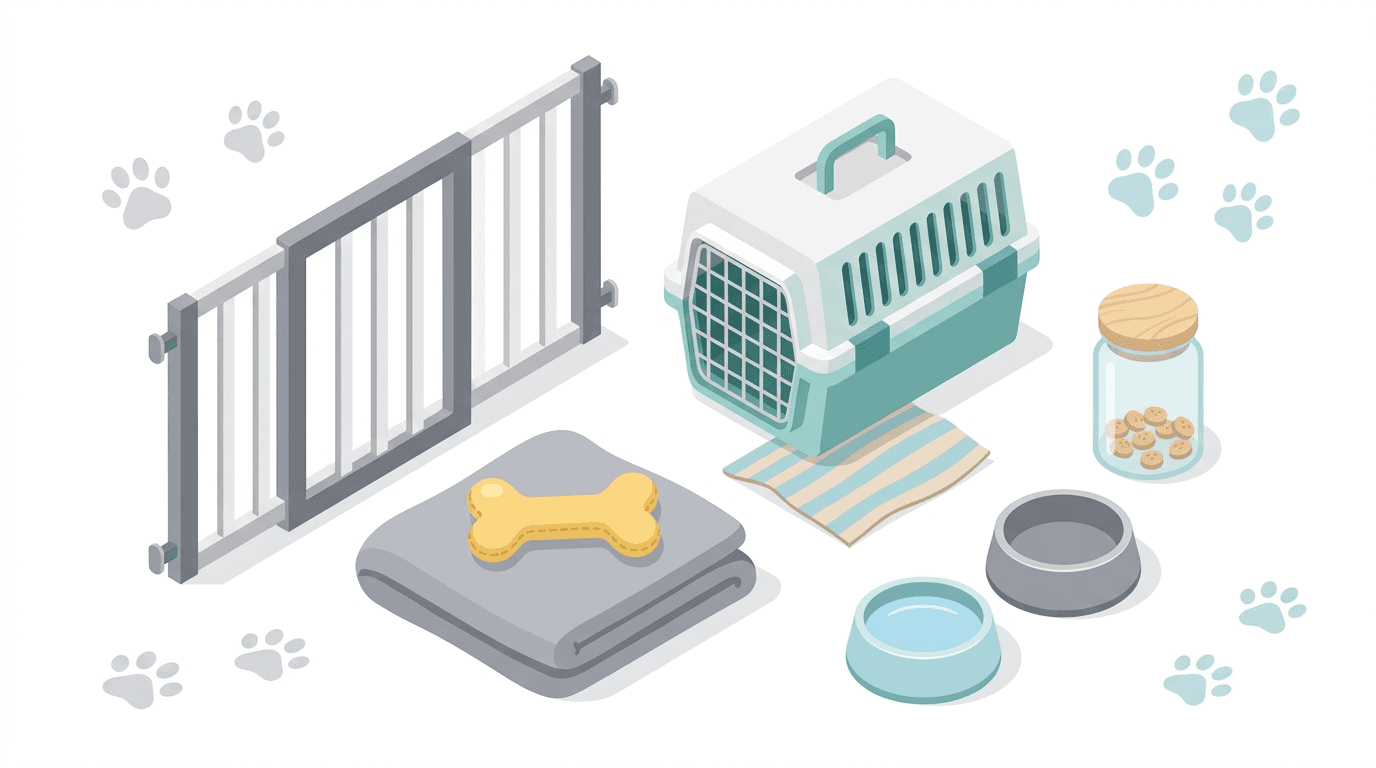
Begin with a scent-first strategy by isolating the newcomer in a sanctuary room to prevent immediate competition and reduce stress before any face-to-face interaction.
Create a 'scent map' by swapping pheromones between pets using cloth or bedding so each animal can recognize the other without direct contact, gradually easing anxiety.
Recognize the biology of belonging: dogs think in terms of pack safety while cats are highly territorial; successful introductions require guiding emotions from fear-based responses toward curiosity and acceptance.
Avoid rushing the first physical meeting; short, supervised sessions with positive reinforcement help both pets associate the other with calm, rewarding experiences.
Plan a paced, patient timeline that accommodates individual differences, prioritizes routines, and monitors body language to prevent long-term stress or aggression.
Title: The Art of the First Impression: A Veterinarian’s Guide to Introducing New Pets
The moment you decide to bring a new pet into your home is filled with a unique brand of magic—a mixture of nervous anticipation and the profound joy of expanding your family. However, for the resident pet already slumbering on your sofa, this transition isn't always a fairy tale; it is a territorial disruption that challenges their sense of security and routine. Mastering the "first impression" is less about luck and more about a structured, empathetic approach that honors the biological instincts of every animal involved.
The Biology of Belonging: Understanding Territorial Instincts
To successfully introduce two animals, we must first look through the lens of their evolutionary history. Whether you are introducing two dogs, two cats, or a cross-species pairing, you are navigating thousands of years of survival instincts. For Canis lupus familiaris (dogs), the pack structure is a source of safety, but an intruder represents a threat to resources like food, attention, and space. For the Felis catus (cat), territory is everything; their ancestors were solitary hunters who viewed strange cats as rivals for hunting grounds.
When a new animal enters the home, the resident pet’s brain undergoes a physiological shift. The vomeronasal organ (or Jacobson’s organ) becomes the primary tool for data collection. This specialized sensory system, located in the roof of the mouth, detects pheromones—chemical signals that communicate the newcomer’s age, sex, health status, and even their emotional state. If we rush the physical meeting before the "chemical meeting" is complete, we risk triggering a cortisol spike that can lead to lifelong animosity. As a veterinarian, I often see "failed introductions" that are simply the result of human impatience overriding animal biology.
Historically, humans lived in much closer proximity to a wider variety of animals, and "introductions" were often organic. However, in our modern, confined living spaces, we must be the architects of peace. We are asking our pets to override their "fight or flight" response in favor of social cooperation. This requires a transition from the amygdala-driven fear response to a prefrontal cortex state of curiosity and acceptance.
The Scent-First Strategy: Building a "Scent Map"
The biggest mistake pet parents make is letting the animals "just work it out" face-to-face on day one. Instead, the most successful introductions begin with scent swapping. This allows both animals to process the existence of the "other" without the perceived threat of physical proximity.
Start by keeping the new pet in a "sanctuary room"—a dedicated space with their own food, water, and bedding. After 24 hours, take a soft cloth or a sock and gently rub it along the cheeks and flanks of the new pet to collect their pheromones. Place this cloth in the resident pet’s area, and vice versa. Watch their reactions closely. If a dog sniffs the cloth and wags their tail, or if a cat rubs their chin against it (a behavior known as bunting), they are accepting the scent into their world. If they hiss, growl, or avoid the object, you know you need more time.
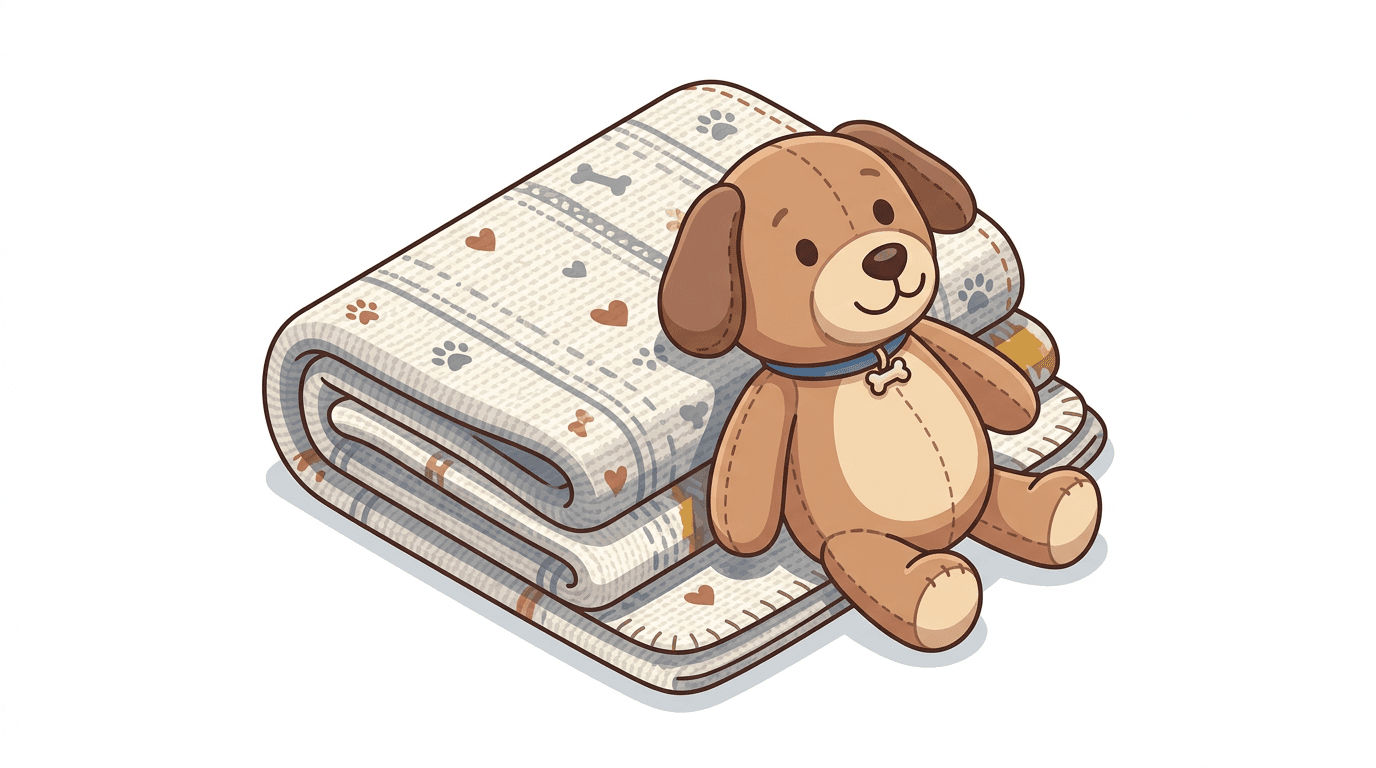
Beyond blankets, consider site swapping. Allow the new pet to explore the main living area while the resident pet spends time in the sanctuary room. This "musical chairs" approach ensures that both animals are saturating the environment with their scents, effectively creating a shared "scent map" of the home. By the time they actually see one another, they should already feel like they know each other's "story."
Creating Visual Boundaries: The Power of the Gate
Once the animals are calm regarding each other’s scents, we move to the visual phase. This is where passive socialization comes into play. The goal is for the animals to see one another without having the ability to engage in a physical confrontation.
For dogs, a sturdy baby gate or a screen door is an invaluable tool. It allows for "nose-to-nose" sniffing while maintaining a safety barrier. For cats, vertical space is your best friend. Cats feel safest when they can observe a situation from a height. Installing cat trees or wall-mounted shelves allows a resident cat to watch a new puppy or kitten from a position of power, reducing their vulnerability.
During these visual sessions, use positive reinforcement to create a "party atmosphere." Feed both animals high-value treats (like freeze-dried liver or small bits of plain chicken) on opposite sides of the gate. You want their brains to build a powerful association: When I see that other animal, delicious things happen. This technique, known as counter-conditioning, re-wires the brain’s emotional response from "Stranger Danger" to "New Best Friend."
The Neutral Ground Meeting: A Canine Necessity
If you are introducing two dogs, the first physical interaction should never happen inside the home. The home is a "resource-rich" environment filled with toys, beds, and the "owners" (who are often the most guarded resource of all). Instead, opt for neutral ground—a quiet park or a neighbor’s fenced yard that neither dog has claimed as their own.
The "Parallel Walk" is the gold standard for dog introductions. Have two handlers walk the dogs in the same direction, about 10 to 15 feet apart. Do not let them stare at each other; keep them moving. Walking together mimics the natural pack behavior of migrating or hunting. Gradually decrease the distance between the dogs as they show relaxed body language (loose tails, soft eyes, and "curvy" body movements).
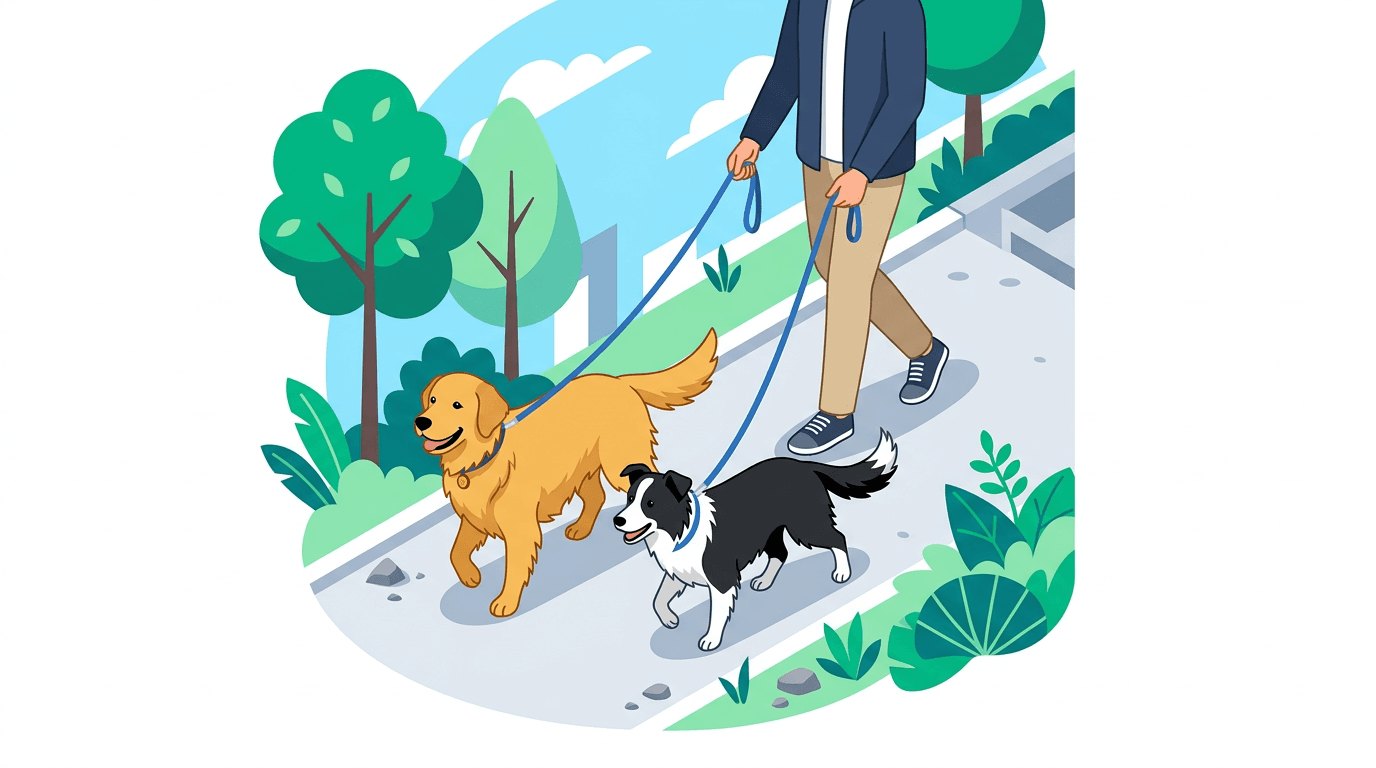
When they finally meet, keep the leashes loose. A tight leash transmits human anxiety directly to the dog and can trigger a "leash reactive" response. Allow for the "three-second rule": let them sniff for three seconds, then cheerfully call them away for a treat. This prevents the tension from building and keeps the interaction brief and successful.
Reading the "Silent Language" of Stress
As a veterinarian, I cannot emphasize enough how important it is to become a student of animal body language. Animals communicate through subtle shifts in posture that humans often miss until it’s too late.
- Positive Signs: "Play bows" in dogs, slow blinking in cats, soft and relaxed ears, and "curvy" body shapes.
- Warning Signs: A stiff, vibrating tail (in cats, this is often agitation, not joy), "whale eye" (seeing the whites of a dog's eyes), piloerection (hair standing up on the back), and a frozen, "staring" posture.
If you see a "freeze," the interaction has gone too far. Distract the animals with a loud (but not scary) noise or a treat tossed in the opposite direction, and increase the distance between them. Never punish an animal for growling or hissing. A growl is a warning signal; if you punish the growl, you are taking away their ability to communicate discomfort, which can lead to a "bite without warning" in the future. Instead, thank them for the warning and move them back to a distance where they feel safe.
Troubleshooting and the "Slow-is-Fast" Rule
In the world of pet introductions, "slow is fast." Rushing a meeting and having a fight can set your progress back by months. If you encounter significant friction—such as deep-throated growling, lunging, or a cat that refuses to come out from under the bed for more than 48 hours—it is time to consult a professional.
Sometimes, we must utilize pheromone diffusers (like Feliway for cats or Adaptil for dogs) to lower the baseline anxiety of the household. These synthetic versions of "appeasing pheromones" mimic the scents mothers produce to calm their young. In more complex cases, as a vet, I might prescribe short-term anxiolytics to help a highly reactive pet stay below their "threshold" during the transition period.
Remember that every breed has different social "dialects." A Husky might be very vocal and "talkative," which a shy Greyhound might interpret as aggression. A French Bulldog’s flat face and snorting sounds can sometimes be misread by other dogs as a "warning," simply because the Frenchie’s physical anatomy limits their ability to show traditional facial expressions. Being aware of these breed-specific nuances helps you advocate for each pet’s unique personality.
Key Takeaways for a Successful Introduction
- Scent is the Secret: Always start with scent swapping using blankets or toys before any visual contact.
- Neutral Territory: For dogs, the first physical meeting should occur away from the home to minimize territorial guarding.
- Vertical Space for Cats: Ensure the resident cat has high places to escape to, as height equals safety in the feline world.
- The Power of "The Gate": Use baby gates to allow visual contact while preventing physical altercations.
- Short and Sweet: Keep initial interactions brief (minutes or even seconds) and always end on a positive note.
- Reward the Calm: Use high-value treats to reward both animals for ignoring each other or showing relaxed behavior.
- Patience is a Virtue: Introductions can take anywhere from three days to three months. Respect the timeline of the most anxious pet.
A Bond Worth the Wait
The journey of introducing a new pet is a testament to the depth of our commitment to our animals. It requires us to be more than just "owners"; it asks us to be observers, mediators, and protectors. While the process may feel tedious at times—navigating baby gates and juggling feeding schedules—the reward is immeasurable.
There is a specific kind of quiet magic that happens the first time you find your two pets napping in the same sunbeam, or the first time the resident dog gently nudges the new puppy to play. Those moments of harmony are the foundation of a multi-pet household that thrives on mutual respect and companionship. By honoring their instincts and moving at their pace, you aren't just bringing a new pet home; you are creating a sanctuary where every soul, whether two-legged or four, feels they truly belong.
Common Questions
🤔
Frequently Asked Questions
What is the best way to introduce a new pet to a resident pet?▼
Begin with a sanctuary room for the newcomer to establish a safe base and prevent immediate competition. After 24 hours, start scent swapping by exchanging cloths or bedding so each animal can learn the other's smell without direct contact. Progress to controlled, supervised face-to-face meetings in a neutral space, keeping sessions short and ending on calm moments. Reinforce calm, non-threatening behaviors with praise and treats, and pause the process if either animal shows significant stress or aggression.
Should I use scent swapping before letting pets meet face-to-face?▼
Yes—scent swapping should precede any direct introductions. Begin by placing a cloth rubbed on the newcomer in the resident's area, and another cloth rubbed on the resident in the newcomer’s area. Repeat for 1–3 days, allowing each animal to process the other's scent in a safe, controlled way before any direct contact. This groundwork reduces fear and paves the way for smoother in-person meetings.
What are common signs of stress or aggression during pet introductions?▼
Common signs include stiff body posture, tucked tails, flattened ears, direct staring, growling or hissing, raised hackles, and dilated pupils. Excessive panting, yawning, or lip licking can also indicate anxiety. If you notice these signals, pause the session, separate the animals, and return to scent-swapping for a while before attempting again. Only proceed when both pets show calm signals and willingness to approach.
How long does a successful multi-pet introduction typically take?▼
Timing varies widely by species, temperament, and prior experiences, but plan for a multi-week process rather than a single day. Start with scent swapping for 1–3 days, then conduct short, supervised in-person meetings over several days or weeks, gradually increasing duration as comfort grows. Continue reinforcing calm behavior and maintain separate resources to prevent competition for food, space, or attention. Be prepared for a longer adjustment period if one pet is older, shy, or has a history of aggression, and consult a veterinarian or behaviorist if introductions stall.