Blog3/11/2026
Pet Health Issues: Guarding Aging Pets with Vet-Backed Tips
8 mins Read
The Briefing
Quick takeaways for the curious
Periodontal disease is the most common oral health issue in dogs and cats, driven by plaque that becomes calculus (tartar) and harbors bacteria that can affect systemic health.
Small and toy breeds and brachycephalic cats are at higher risk for dental problems due to crowded teeth or jaw structure, making proactive care essential.
A multi-modal dental health plan—professional cleanings under anesthesia plus consistent home care with brushing and VOHC-approved chews or water additives—offers the best protection.
Obesity is a major, widespread health concern in pets, linked to metabolic and orthopedic problems, requiring veterinary-guided weight management and lifestyle changes.
Because pets often mask discomfort, guardians should learn to recognize subtle health signals and seek proactive veterinary assessment to extend longevity.
Title: Guarding the Golden Years and Every Day Between: A Veterinarian’s Guide to Common Pet Health Issues
As a veterinarian, I often tell my clients that our pets are masters of the "silent stoic," evolutionary experts at masking discomfort to protect themselves in the wild. Our role as guardians is to learn the subtle language of their health, translating a slight change in appetite or a slower climb up the stairs into a proactive plan for longevity and comfort. Understanding the common physiological hurdles our companions face is the first step in ensuring that the bond we share remains vibrant for as many years as possible.
The Invisible Battle: Periodontal Disease and Oral Health
If there is one condition I see in the clinic more than any other, it is Periodontal Disease. It is estimated that over 80% of dogs and 70% of cats show signs of oral disease by the age of three. This isn't just a matter of "doggy breath"; it is a persistent bacterial assault on the structures that support the teeth. When food particles and bacteria mix, they form a sticky biofilm called plaque. If not removed within 24 to 48 hours, this plaque mineralizes into calculus (tartar), which provides a porous surface for even more bacteria to thrive.
The real danger lies beneath the gumline. Bacteria can enter the bloodstream through inflamed gingival tissue, potentially seeding infections in the heart valves, kidneys, and liver—a process known as bacteremia. For certain breeds, the risk is even higher. Small and toy breeds, such as the Yorkshire Terrier or the Chihuahua, have crowded mouths where teeth are packed tightly together, creating "hot zones" for plaque accumulation. Brachycephalic (flat-faced) cats like Persians also face unique challenges due to their jaw structure.
To combat this, a multi-modal approach is essential. While professional dental cleanings under anesthesia are the gold standard for removing subgingival tartar, home care is the foundation. Daily brushing with pet-specific enzymatic toothpaste remains the most effective preventative measure. If your pet won't tolerate a brush, look for VOHC-approved (Veterinary Oral Health Council) dental chews and water additives that help break down the biofilm before it hardens.
The Weight of Love: Addressing the Obesity Epidemic
In the veterinary world, we are currently facing a silent epidemic: Adipositas, or clinical obesity. It is estimated that over half of the pet population in developed nations is overweight. While a "chunky" cat or a "stout" Labrador might look cute to some, fat is not just inert storage; it is a highly active endocrine organ. It secretes inflammatory cytokines that put the body in a constant state of low-grade inflammation, which can lead to Diabetes Mellitus, hypertension, and increased cancer risks.
Historically, dogs were bred for high-intensity work—herding, hunting, or guarding—activities that burned thousands of calories. Today, most of our companions have transitioned to a sedentary lifestyle while their caloric intake has remained high or increased due to "treat culture." One of the most important tools we use in the clinic is the Body Condition Score (BCS), usually a scale of 1 to 9. A "perfect 5" means you can easily feel the ribs without a thick layer of fat, and there is a visible waistline when viewed from above.
Actionable weight management isn't about starvation; it's about volume and satiety. For "food-motivated" breeds like the Beagle, replacing high-calorie treats with green beans or carrots can provide the crunch they crave without the caloric load. Additionally, using puzzle feeders mimics the natural foraging behaviors of their ancestors, slowing down their eating and providing much-needed mental stimulation.
The Itch That Won't Quit: Dermatology and Allergies
Skin issues are one of the most frequent reasons for veterinary visits, often manifesting as "the itch that won't quit." Allergic Dermatitis in pets can be broken down into three main categories: flea allergy, food allergy, and Atopy (environmental allergies). Unlike humans, who might get watery eyes and a runny nose, dogs and cats "show" their allergies through their skin.
Atopy is particularly common in breeds like the French Bulldog, West Highland White Terrier, and Golden Retriever. These pets are hypersensitive to common allergens like pollen, mold spores, and dust mites. This often leads to secondary infections of the skin and ears. If your dog is constantly licking their paws or shaking their head, they aren't just grooming; they are likely dealing with Otitis Externa (ear inflammation) or interdigital cysts.
Food allergies are less common than environmental ones, but they are often the most frustrating for owners. They are typically a reaction to a protein source—most commonly beef, chicken, or dairy—rather than grains. Managing these requires a strict Elimination Diet Trial using a hydrolyzed protein or a novel protein (like kangaroo or rabbit) for 8-12 weeks. Consistency is key; a single piece of cheese during a trial can reset the entire clock.
The Silent Slowdown: Osteoarthritis and Joint Health
As our pets age, the "wear and tear" on their joints can lead to Osteoarthritis (OA). This is a degenerative condition where the protective cartilage in the joints breaks down, leading to bone-on-bone friction and chronic pain. In dogs, this is frequently seen in large breeds like the German Shepherd or Great Dane, often exacerbated by genetic predispositions like Hip Dysplasia.
However, we are now realizing that cats suffer from OA just as much as dogs, though they are much better at hiding it. A cat won't necessarily limp; instead, they might stop jumping onto the counter, become grumpier when touched, or start "missing" the litter box because the high sides are too painful to climb over.
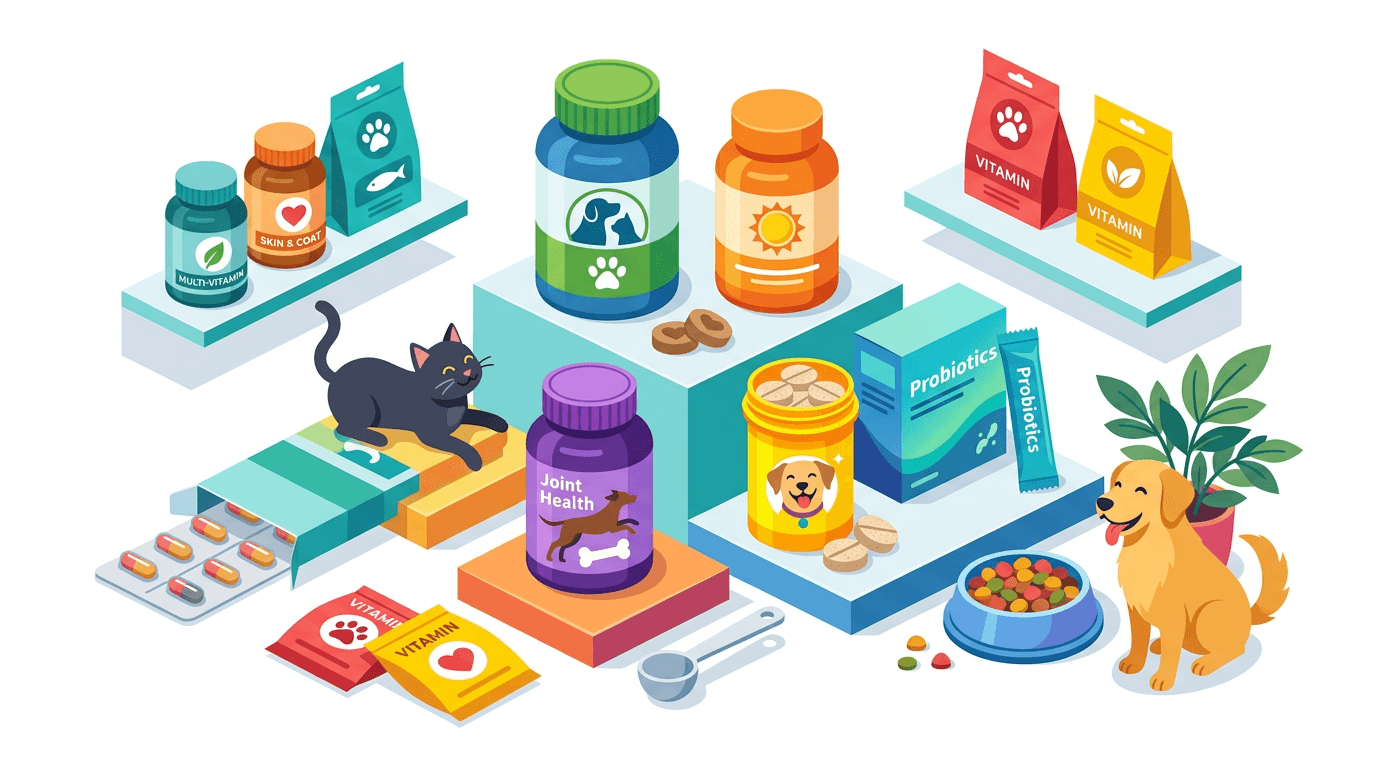
Managing mobility involves a "multi-modal" strategy. This includes weight management (to reduce the load on joints), nutraceuticals like Glucosamine, Chondroitin, and Omega-3 fatty acids, and environmental modifications. For an aging pet, adding ramps to the sofa, using raised food bowls, and placing rugs over slippery hardwood floors can drastically improve their daily quality of life. Modern veterinary medicine also offers revolutionary treatments like monoclonal antibody therapy, which specifically targets the nerve growth factor involved in arthritis pain.
Internal Sentinels: Kidney Health and Gastrointestinal Stability
The internal organs, specifically the kidneys and the digestive tract, act as the body’s filtration and fuel systems. Chronic Kidney Disease (CKD) is a leading cause of illness in senior cats. Because the kidneys have a massive "reserve capacity," symptoms often don't appear until 75% of kidney function is already lost. Early signs are subtle: increased thirst (polydipsia) and increased urination (polyuria). This is why routine senior bloodwork and urinalysis are so critical; catching CKD in stage 1 or 2 allows us to use therapeutic diets to slow the progression significantly.
On the other side of the spectrum is the gastrointestinal system. While an occasional "upset stomach" from eating something they shouldn't (dietary indiscretion) is common, chronic vomiting or diarrhea can indicate Inflammatory Bowel Disease (IBD) or food sensitivities. In certain breeds like the Standard Poodle or German Shepherd, we must also be vigilant about Gastric Dilatation-Volvulus (GDV), or "bloat." This is a life-threatening emergency where the stomach twists on itself. Knowing the signs—unproductive retching, a distended abdomen, and restlessness—can be the difference between life and death.
Key Takeaways for Proactive Pet Parenting
- Oral Health is Systemic Health: Brush teeth daily and schedule professional cleanings to prevent bacteria from spreading to the heart and kidneys.
- Monitor the Waistline: Use the Body Condition Score (BCS) instead of just the scale. A lean pet lives, on average, 1.8 to 2 years longer than an overweight one.
- Watch for the "Lick and Shake": Persistent paw licking or head shaking usually points to allergies or ear infections, not just boredom.
- Modify the Environment for Seniors: Ramps, rugs, and orthopedic beds are small changes that provide immense relief for pets with arthritis.
- Routine Diagnostics Save Lives: Annual or bi-annual bloodwork can catch "silent" issues like kidney disease or hyperthyroidism before they become symptomatic.
- Know Your Breed’s Risks: Research the specific genetic predispositions of your pet's breed to know exactly what symptoms to watch for as they age.
The journey we take with our pets is one of the most rewarding experiences life has to offer. They give us their absolute loyalty and a type of uncomplicated love that is rare in the human world. In return, they ask very little—only that we look out for them when they cannot speak for themselves. By staying informed about these common health issues and working closely with your veterinarian, you aren't just treating illnesses; you are honoring the profound bond you share. Every preventative step you take is a "thank you" to the companion who greets you at the door with a wagging tail or a soft purr, ensuring that your story together has as many beautiful chapters as possible.
Common Questions
🤔
Frequently Asked Questions
What is periodontal disease in pets and why is it dangerous?▼
Periodontal disease is the most common oral health issue in dogs and cats, driven by plaque that becomes calculus (tartar) and harbors bacteria. The bacteria in this biofilm can irritate the gums and enter the bloodstream (bacteremia), potentially affecting the heart, kidneys, and liver. It affects a large portion of pets early—estimates show over 80% of dogs and 70% of cats have signs by age three. Small and toy breeds and certain face structures are particularly at risk.
How can I prevent periodontal disease at home for my pet?▼
Daily brushing with pet-specific enzymatic toothpaste is the foundation of prevention, along with veterinary dental cleanings as needed. If brushing is challenging, VOHC-approved dental chews and water additives can help reduce biofilm formation. Regular professional cleanings under anesthesia are still the gold standard for removing subgingival tartar. Regular veterinary checkups will help catch early signs.
Which pets are at higher risk for dental problems?▼
Small and toy breeds such as Yorkshire Terriers and Chihuahuas have crowded mouths that promote plaque buildup. Brachycephalic (flat-faced) cats, like Persians, also face dental challenges due to jaw structure. Your vet can assess risk and tailor a dental care plan.
What should I know about obesity in pets and how to address it?▼
Obesity is a widespread health concern in many pets and is linked to higher risks of metabolic, orthopedic, and overall health problems. Management starts with accurate portion control, a balanced diet, and regular, appropriate exercise, guided by a veterinarian. Weight loss should be gradual and monitored with ongoing check-ins and adjustments to the plan.