Blog4/7/2026
Personalized Nutrition Plans for Senior Pets: Thrive
6 mins Read
The Briefing
Quick takeaways for the curious
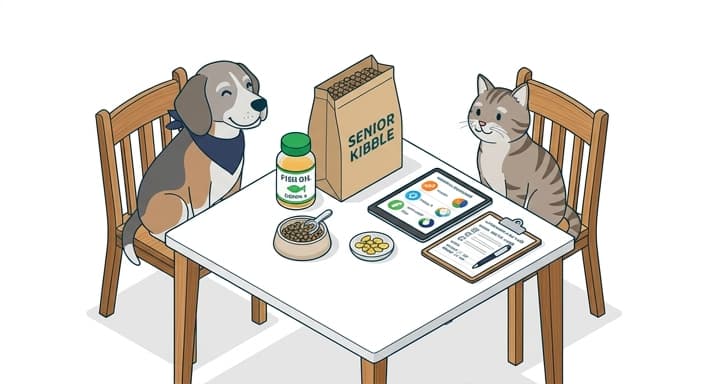
Traditional 'senior' labeling on pet foods is not a guaranteed solution and can obscure nutritional gaps affecting aging pets.
A truly effective senior plan targets metabolic shifts like sarcopenia and variable digestion, rather than simply cutting calories.
Personalization relies on diagnostics and history, using blood work to tailor nutrients for liver, kidney, joint, and cognitive health.
High-quality, highly digestible protein is crucial for maintaining muscle and vitality, rather than broadly restricting protein in aging pets.
Successful personalized nutrition integrates condition-specific nutrients such as omega-3 fatty acids, glucosamine, controlled phosphorus, and easily digestible protein to address CKD, arthritis, and other age-related challenges.
There is a persistent, outdated myth in the veterinary and pet nutrition community that a "senior-friendly" label on a bag of kibble is a one-size-fits-all solution for our aging companions, leading many owners to believe that simply reducing calories is the key to longevity. As a veterinarian consultant, I frequently speak with devoted pet parents who view their senior pet’s slowed pace or thinning coat as an inevitable, unchangeable consequence of time, failing to realize that these are often the direct results of nutritional gaps that could be filled with a more precise, individualized approach. We are finally moving toward a more sophisticated, proactive standard of geriatric care that leverages personalized nutrition plans not as a luxury for the privileged, but as a foundational pillar of preventative health, effectively closing the gap between a pet who is merely "surviving" into their twilight years and one who is truly thriving with vitality.
The Biological Reality of the "Metabolic Shift"
To understand why personalized nutrition is a non-negotiable requirement for the modern senior pet, we must first look at the biological reality of the aging body. As pets enter their golden years, their metabolism undergoes a profound transformation; muscle mass naturally begins to decline—a process known as sarcopenia—while their digestive efficiency often fluctuates due to shifts in the gut microbiome. Unlike a younger animal, whose body is highly resilient and capable of processing a wide range of nutrient densities, the senior pet’s system is less forgiving. Their liver and kidneys, the body’s primary filtration and processing centers, may show signs of reduced reserve capacity, making it critical that the nutrients they do consume are highly bioavailable and easily processed. If we continue to feed a senior pet the same caloric profile they enjoyed in their prime, we aren't just risking weight gain; we are ignoring the physiological reality that their body now requires a different "fuel" to maintain organ function, joint health, and cognitive sharpness.

Deciphering the "Senior" Label: Beyond Generic Marketing
When we walk down the aisle of a pet supply store, the "senior" label is often a marketing catch-all that focuses primarily on weight management. While preventing obesity is indeed vital for protecting arthritic joints, it is not the only metric of success. A truly personalized plan looks at the individual pet’s specific health history, breed-related predispositions, and current clinical diagnostics. For instance, a Labrador Retriever prone to hip dysplasia requires a significantly different ratio of Omega-3 fatty acids and glucosamine compared to a geriatric cat struggling with early-stage chronic kidney disease, which requires a strictly controlled phosphorus intake and high-quality, easily digestible protein. When we rely on generic formulas, we are essentially guessing at what our pets need. Personalized nutrition moves us away from this "trial-and-error" approach, allowing us to utilize blood panels—such as measuring liver enzymes, BUN levels, and serum protein—to tailor a diet that supports the specific systems that are under the most stress in that individual animal.
The Critical Role of Bioavailable Protein
One of the most dangerous misconceptions in senior pet care is the idea that aging pets should automatically be placed on a "low protein" diet. In reality, unless a veterinarian has explicitly diagnosed a specific stage of renal disease that requires restriction, senior pets actually need high-quality, highly digestible protein to combat the muscle wasting that leads to weakness and frailty. The goal is not to reduce the quantity of protein, but to increase the quality and digestibility to ensure the pet can extract the amino acids necessary for maintaining heart, skeletal, and immune health. Essential amino acids like taurine and L-carnitine become increasingly important as the heart muscle ages, and these must be present in optimal ratios. By shifting the focus to bioavailable proteins—such as lean muscle meats rather than meat by-products or plant-based fillers—we provide the building blocks necessary to keep our pets strong, mobile, and cognitively engaged well into their teens.
Hydration as a Nutritional Foundation
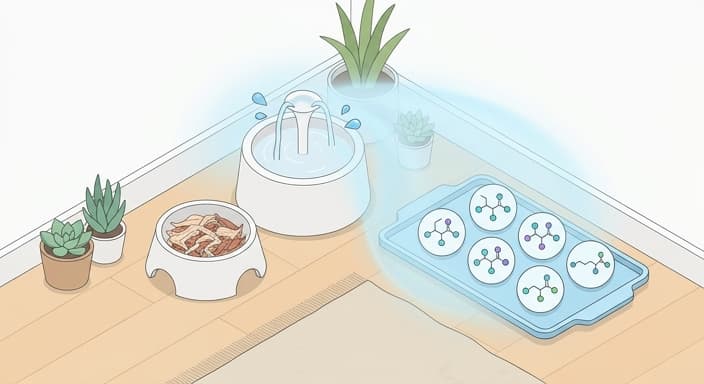
We often think of nutrition as solid food, but for the senior pet, hydration is a critical, often overlooked nutrient. As pets age, their sense of thirst may become blunted, or they may find it physically more difficult to walk to a water bowl, especially if they have mobility issues. Chronic, low-level dehydration is a silent culprit in many senior health issues, from urinary tract infections to the exacerbation of kidney strain. A personalized plan should incorporate a strategy for increasing water intake, whether that involves transitioning to a wet food-heavy diet, adding bone broths (ensure they are free of onion and garlic), or even using pet-safe water fountains to encourage more frequent drinking. By ensuring our senior pets remain hydrated, we improve the viscosity of their blood, support optimal waste filtration in the kidneys, and help keep their joints lubricated—small changes that have a massive ripple effect on their overall comfort and energy levels.
The Integration of Targeted Supplements
Personalized nutrition plans are not complete without addressing the role of nutraceuticals. While a balanced diet provides the foundation, targeted supplementation can act as a bridge for specific geriatric ailments. For example, a senior pet with cognitive dysfunction syndrome (CDS) may see significant improvements with the addition of antioxidants and medium-chain triglycerides (MCTs), which provide alternative energy for the brain. Similarly, curcumin and green-lipped mussel extract can provide natural anti-inflammatory support that complements medical pain management for arthritis. However, the key word here is "targeted." Adding a dozen different supplements without understanding their interaction or the pet's specific needs can lead to toxicity or digestive upset. A professional plan ensures that any supplementation is evidence-based and calculated to work in synergy with the pet’s diet, turning the daily meal into a therapeutic event rather than just a source of calories.
Monitoring and Iteration: The Lifecycle Approach
Perhaps the most important aspect of a personalized nutrition plan is the realization that it is a living document. Just as a human’s dietary needs change from childhood to adulthood, a senior pet’s needs can evolve rapidly over 6, 12, or 18 months. Regular check-ins with your veterinarian—at least every six months for senior pets—are essential to track weight, body condition scores, and blood chemistry. If the pet begins to show signs of dental decay, making chewing difficult, the plan must pivot to softer textures. If they show signs of decreased appetite, we might adjust the palatability or frequency of meals. This iterative approach allows us to stay ahead of the curve, addressing nutritional needs before they manifest as clinical crises. By treating the aging process as a dynamic journey that requires constant, data-backed adjustments, we honor the bond we share with our pets, ensuring their golden years are characterized by comfort, dignity, and the same joy they have given us throughout their lives.
In conclusion, personalizing your senior pet's nutrition is one of the most profound acts of love and stewardship a pet owner can perform. By moving past generic labels and embracing a strategy that considers the unique metabolic, physiological, and medical profile of your companion, you are doing more than just filling a bowl; you are investing in their longevity and quality of life. Whether it is sourcing higher-quality proteins, ensuring proper hydration, or integrating evidence-based supplements, every choice you make today helps build a stronger, more vibrant tomorrow for your aging friend. Consult with your veterinarian to establish a baseline, monitor their progress closely, and remember that with the right nutritional support, our pets can continue to be our active, joyful partners long after the "senior" label appears on their charts.
Common Questions
🤔
Frequently Asked Questions
Why isn't a 'senior' label enough for my pet's diet?▼
The senior label is a marketing shortcut that often overlooks individual health needs. Aging pets experience metabolic changes, sarcopenia, fluctuating digestion, and potentially reduced liver and kidney reserve. A personalized plan uses your pet's medical history, breed risks, and current bloodwork to tailor nutrients. This approach replaces guessing with data-driven adjustments that support organ function, joints, and immune health.
What role do blood panels play in creating a personalized plan?▼
Blood panels identify liver enzymes, kidney function, protein status, and micronutrient gaps that diet can address. They help distinguish conditions like early kidney disease from simple aging, guiding protein and phosphorus targets. They also track response to dietary changes over time, allowing adjustments before problems become advanced.
Should high-quality protein be increased in seniors?▼
Yes, in the absence of diagnosed advanced kidney disease, seniors generally benefit from high-quality, highly digestible protein to combat muscle loss. The goal is not more protein but better protein—rich in essential amino acids and with good bioavailability. This supports muscle, heart, immune, and cognitive function while minimizing waste that can burden aging kidneys. Always tailor protein targets to the individual with vet guidance.
How can caregivers start implementing personalized nutrition at home?▼
Start by consulting your veterinarian to set goals and order necessary diagnostics. Ask for a nutrition plan that uses your pet's health history, lab results, and functional needs like joint health or kidney function. Begin gradual dietary changes, monitor body condition and energy, and schedule follow-up bloodwork to measure impact. If needed, work with a veterinary nutritionist to refine protein quality, fat sources, and target nutrients like omega-3s and phosphorus.