Blog4/1/2026
Personalized Nutrition Plans for Senior Pets: Tailored Care
6 mins Read
The Briefing
Quick takeaways for the curious
Personalized nutrition for senior pets moves beyond the generic 'senior' label by tailoring protein quality, amino acid availability, and omega-3 profiles to each animal's physiology.
Metabolic remodeling in aging pets includes sarcopenia and decreased resting energy requirements, so high-quality protein and targeted nutrients are essential to maintain muscle and function.
Relying on standard 'senior' diets with reduced protein can worsen muscle loss; precision diets adjust protein quality and digestibility to support immune health, joints, and cognition.
Hydration and micronutrients are critical; aging kidneys concentrate urine less efficiently, so adequate water and micronutrient support help longevity and quality of life.
Effective personalization uses clinical data and sometimes nutraceuticals like EPA/DHA to reduce inflammation and tailor feeding to specific conditions like arthritis, cognitive dysfunction, or renal issues.
There is a persistent, outdated myth in the veterinary world that a "senior" diet is a one-size-fits-all category, leaving many pet owners to assume that simply switching their aging companion to a bag labeled "7+" is sufficient to address the complex physiological shifts of their twilight years. As a veterinarian consultant, I frequently consult with devoted pet parents who are surprised to learn that chronic, age-related conditions—such as osteoarthritis, cognitive dysfunction, and metabolic slowing—are not inevitable, irreversible fates, but rather markers that necessitate a highly personalized, medical-grade approach to nutrition. We are finally moving toward a more sophisticated, proactive standard of geriatric care that prioritizes precision nourishment, effectively closing the gap between the generic "senior" label and the specific, shifting biological requirements of your aging pet.
The Metabolic Reality of the Aging Pet
To understand why personalized nutrition is the cornerstone of longevity, we must look at the biological reality of the aging body. Just as human metabolism shifts with time, a senior pet’s body undergoes a profound "metabolic remodeling." Muscle mass often begins to decline, a process known as sarcopenia, which is frequently masked by a stable weight or even weight gain as activity levels drop and resting energy requirements decrease. Many commercial senior diets are formulated with lower protein to account for potential kidney concerns, but for the average healthy senior, this can actually accelerate muscle loss, leaving them weaker and more prone to injury.
From a clinical perspective, I often see pets suffering from "subclinical malnutrition"—they are receiving enough calories to maintain weight, but not enough high-quality nutrients to support their immune system, joint health, or cognitive function. Personalized nutrition shifts the focus from merely "feeding" to "therapeutic fueling." By adjusting protein bioavailability, omega-3 fatty acid profiles, and antioxidant levels based on your pet’s specific blood work and body condition score, we can mitigate the systemic inflammation that drives many of the diseases we see in our older patients.
Deciphering the "Senior" Label vs. Precision Dieting
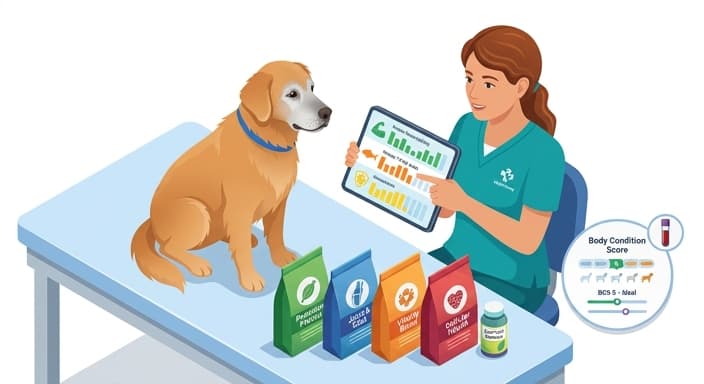
When you walk down the pet food aisle, you are met with a sea of bags claiming to be "Senior," "Mature," or "Silver." While these products are better than nothing, they are often designed for the "average" senior, which unfortunately does not exist. A ten-year-old Great Dane has vastly different nutritional requirements than a ten-year-old Chihuahua, and a senior cat with early-stage renal insufficiency requires a diet that would be entirely inappropriate for a senior cat dealing with hyperthyroidism.
Personalized nutrition plans start by discarding the marketing labels and looking at the clinical data. As a veterinarian, I look at three specific pillars when building a plan: lean muscle mass maintenance, joint health support, and metabolic rate adjustment. We often incorporate specific nutraceuticals—such as EPA and DHA from marine sources—that are far more effective at managing inflammation than the trace amounts found in standard kibble. Furthermore, we must consider the digestibility of the protein; as pets age, their gut microbiome changes, and their ability to absorb nutrients can diminish. A personalized plan might involve switching to novel proteins or hydrolyzed diets if we suspect that chronic, low-grade food sensitivities are contributing to the malaise often mistaken for simple "old age."
The Role of Hydration and Micronutrients in Longevity
While we often focus on the macros—protein, fat, and carbohydrates—the micronutrients and hydration status play a massive, often overlooked role in the quality of life for a senior pet. Dehydration is a silent enemy in aging animals. As renal function naturally declines, the kidneys struggle to concentrate urine as efficiently as they did in youth. If a senior pet is exclusively eating dry kibble, they may be in a constant state of mild dehydration, which puts additional, unnecessary stress on their kidneys and can lead to constipation and lethargy.
In my practice, I advocate for the "moisture-first" approach. Whether it’s adding filtered water to kibble, incorporating high-moisture toppers, or transitioning to a wet-food-forward diet, increasing water intake is the simplest intervention with the highest return on investment. Beyond hydration, we must look at the "hidden" micronutrients. Antioxidants like Vitamin E, C, and selenium are vital for combatting the oxidative stress that accumulates in the brain and nervous system, potentially slowing the progression of canine cognitive dysfunction or feline senility. When we customize a diet, we aren't just filling a stomach; we are creating a chemical environment that supports cellular repair rather than cellular decay.
Implementing a Personalized Plan: A Step-by-Step Guide
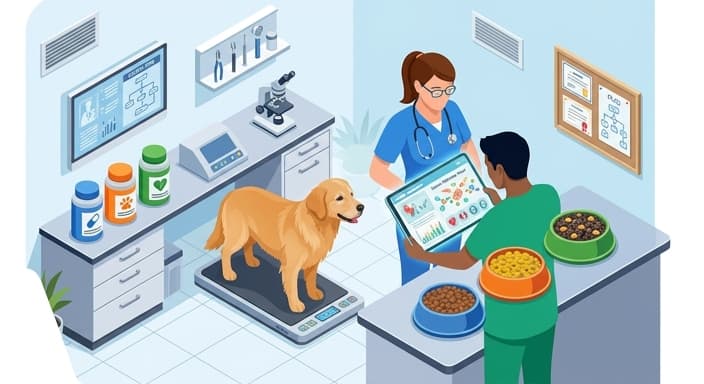
Transitioning your pet to a personalized nutrition plan should never be a guessing game. It begins with a comprehensive "Senior Wellness Panel" at your veterinarian’s office. This blood work is essential; it tells us how the liver and kidneys are processing nutrients, flags potential endocrine issues like diabetes or Cushing’s disease, and establishes a baseline for protein intake. Once we have the data, we can build a plan that is sustainable for your lifestyle and enjoyable for your pet.
Practical steps for the pet parent include:
- The Body Condition Score (BCS): Learn to assess your pet’s waistline and rib palpability weekly. If they are losing muscle while keeping the same weight, we need to increase protein quality, not just calories.
- Consult a Board-Certified Veterinary Nutritionist: For pets with complex, multi-system diseases, a standard vet recommendation is great, but a specialist can formulate a truly bespoke diet that balances every single amino acid and mineral.
- Slow Transitions: Senior systems are less resilient to sudden changes. Always transition over 10–14 days, mixing the new, optimized food with the old to prevent gastrointestinal upset.
- Consistency is Key: A personalized plan is only effective if it is followed daily. Avoid "random" human food treats that can spike blood sugar or cause inflammation, and instead use the calories allowed by your plan to provide healthy, specific rewards.
Monitoring Success and Staying Proactive
The beauty of a personalized nutrition plan is that it is dynamic. Just as your pet’s needs changed from puppyhood to adulthood, they will continue to change throughout their senior years. A diet that works perfectly for your 11-year-old cat today might need an adjustment when they turn 13. By scheduling bi-annual blood work and nutritional reviews, we can catch subtle shifts in their health before they manifest as clinical symptoms.
Remember, nutrition is the most powerful medicine we have at our disposal. By moving away from generic, mass-produced senior foods and embracing a tailored, scientifically backed approach, you are doing more than just feeding your pet—you are honoring their journey and ensuring their later years are defined by vitality, comfort, and the same joy they have brought to your life for so many years. You are their advocate, their chef, and their primary caregiver; taking this step into personalized nutrition is one of the most loving and effective commitments you can make to your best friend.
Common Questions
🤔
Frequently Asked Questions
Why aren't all 'senior' pet foods the same?▼
Because 'senior' labels are marketing and assume an average aging pet, but there is wide variation in breed, size, and health status. Aging involves muscle loss, inflammation, and digestive changes that require customization. A veterinary-guided plan uses lab data and body condition to adjust protein quality, energy density, and nutrient bioavailability.
What are the pillars of a personalized senior diet?▼
Three core pillars guide the plan: lean muscle mass maintenance, joint health support, and metabolic rate adjustment. We may use higher-quality proteins with better digestibility and omega-3s, adjust fat and carbohydrate ratios, and consider novel or hydrolyzed proteins if there's food sensitivity. This approach ensures the diet supports both function and comfort across aging trajectories.
What role do hydration and micronutrients play?▼
Hydration is critical because dehydration accelerates decline in senior pets. Kidney function often declines with age, reducing urine concentration and increasing risk of dehydration. Adequate water, along with essential vitamins, minerals, and antioxidants, supports immune function, cognitive health, and joint tissues.
How can I start building a personalized plan for my senior pet?▼
First, consult a veterinarian for a full assessment, including blood work, body condition scoring, and possibly dental and cognitive evaluations. Avoid relying on marketing labels; use data to select appropriate protein sources, energy targets, and nutraceuticals. Implement a plan with a gradual dietary transition and monitor changes in weight, activity, pain, and appetite. Adjust as needed based on follow-up tests and owner observations.