Blog4/5/2026
Personalized Nutrition Plans for Senior Dogs Enhance Vitality
7 mins Read

The Briefing
Quick takeaways for the curious
Personalized nutrition for senior dogs treats the 'senior' label as a starting point, not a complete roadmap, by tailoring protein quality, micronutrients, and anti-inflammatory strategies to each dog's biology.
As dogs age, metabolism slows, lean muscle mass declines, and gut nutrient absorption shifts, which means one-size-fits-all senior diets often fall short.
Diet plans should emphasize high-quality, bioavailable protein and targeted fats to preserve lean tissue and support joint and cognitive health.
Digestibility and micronutrient bioavailability, including chelated minerals and easily absorbed vitamins, are central to effective geriatric nutrition.
Reducing chronic inflammation through tailored nutrition can help manage arthritis, mobility, and overall vitality in senior dogs.
There is a persistent, outdated myth in the canine wellness community that a "senior" dog food is a one-size-fits-all solution for our aging companions, leading many owners to believe that simply switching the bag label is enough to meet their pet’s shifting metabolic requirements. As a veterinarian consultant, I frequently speak with well-meaning pet parents who view their dog’s gradual weight gain, muscle atrophy, or dull coat as unavoidable symptoms of the passing years, failing to realize that these are often the direct results of a nutritional plan that no longer matches the internal biological machinery of an older animal. We are finally moving toward a more sophisticated, proactive standard of geriatric nutrition that leverages personalized dietary interventions not as a generic maintenance strategy, but as a foundational pillar of senior vitality, effectively closing the gap between basic caloric intake and the complex, targeted metabolic needs of our aging best friends.
The Biological Reality of Geriatric Metabolism
To understand why personalized nutrition is non-negotiable for our senior dogs, we must first look at the biological reality of the aging canine body. As a dog enters its golden years, the metabolic rate begins to decelerate, driven by a reduction in lean muscle mass and a shift in endocrine function. In a younger dog, the body is highly efficient at processing energy, repairing cellular damage, and maintaining a robust immune response. However, as the aging process takes hold, the efficiency of nutrient absorption in the gut often decreases, and the kidneys may struggle to filter excess minerals like phosphorus as effectively as they once did.
When we feed a senior dog a "generic" senior diet, we are often providing a formula designed for an "average" dog that may not exist. If your dog suffers from mild osteoarthritis, they need higher levels of Omega-3 fatty acids to combat systemic inflammation. If they are prone to muscle wasting (sarcopenia), they require a higher concentration of high-quality, bioavailable protein to preserve lean tissue, even if their overall calorie count must be lowered to accommodate a sedentary lifestyle. Personalized nutrition recognizes that the "senior" label on a bag of kibble is merely a starting point, not a complete roadmap.
The Role of Bioavailability and Digestibility
One of the most overlooked aspects of senior canine nutrition is the digestibility of ingredients. As dogs age, the enzymatic activity in their digestive tract can fluctuate, making it harder to break down complex proteins or fibrous ingredients. This is why a personalized plan often shifts the focus from total protein percentage to protein quality. High-biological-value proteins—such as eggs, lean poultry, or specifically prepared organ meats—are easier for an aging system to assimilate, resulting in less metabolic waste for the kidneys to process and more muscle-building amino acids reaching the tissues where they are needed most.
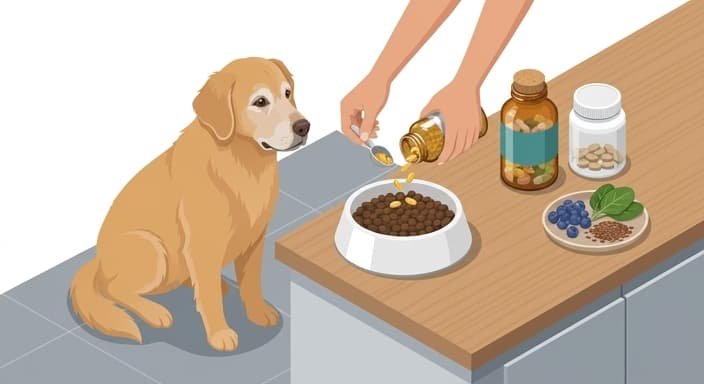
Furthermore, we must address the "micro-nutrition" gap. Aging dogs often struggle with the absorption of fat-soluble vitamins (A, D, E, and K) and minerals like zinc or magnesium. Personalized plans often incorporate targeted supplementation or bioavailable "superfoods" that are easy for the gut to process. For example, replacing a generic synthetic mineral pack with chelated minerals can make a significant difference in how effectively these micronutrients are utilized, helping to support everything from heart health to cognitive function in the later years.
Managing Inflammation Through Targeted Nutrition
Chronic, low-grade inflammation is the silent enemy of the senior dog. It manifests in the stiff joints of a Labrador, the weary gait of a Golden Retriever, and the decreased cognitive sharpness of an aging terrier. A personalized nutrition plan acts as a biological shield against this inflammation. By incorporating potent anti-inflammatory agents—such as EPA and DHA from cold-water fish oils, turmeric (curcumin), and green-lipped mussel extract—we can modulate the body’s inflammatory response from the inside out.
It is critical to understand that these additions are not just "nice to haves"; they are essential components of a therapeutic diet. For instance, the specific ratio of Omega-6 to Omega-3 fatty acids in a diet can either stoke the fires of inflammation or help extinguish them. Most commercial diets are tilted heavily toward Omega-6s, which can exacerbate joint pain. A personalized approach allows us to recalibrate that ratio, effectively reducing the need for heavy pharmaceutical pain management or at least lowering the dosage required to keep our dogs comfortable and mobile.
Assessing the Individual: Beyond the Scale
When I design a nutritional plan for a senior patient, I don’t just look at their weight; I perform a thorough Body Condition Score (BCS) and a Muscle Condition Score (MCS). Many owners fixate on the number on the scale, but for a senior dog, the loss of muscle mass is far more dangerous than carrying a few extra pounds of fat. Muscle is metabolically active tissue; it burns calories, supports joints, and acts as a reservoir for amino acids during times of illness.
Personalized nutrition requires regular recalibration. A plan that worked for your dog at age ten may need to be adjusted at age twelve when their activity levels drop further or when a new health condition, such as early-stage kidney disease or cardiac insufficiency, emerges. This means monitoring blood panels regularly—specifically looking at kidney values (SDMA and Creatinine), liver enzymes, and protein levels—to ensure the diet is supporting, rather than stressing, their internal organs. If your dog has a sensitive stomach, we might rotate through "novel" protein sources to identify what keeps their digestion stable. If they are showing signs of cognitive decline, we might introduce medium-chain triglycerides (MCTs) to fuel the brain.

Implementing a Personalized Strategy at Home
Transitioning to a personalized nutrition plan doesn't necessarily mean you must cook every meal from scratch, though some owners choose to do so. It means being an informed advocate for your pet. Start by keeping a "Senior Wellness Log." Track not just what you feed, but how your dog reacts: Does their coat look shinier? Is their stool consistent? Do they seem more eager for their morning walk? These anecdotal observations are just as valuable as data points in your veterinarian’s office.
If you choose to use commercial food, look for brands that offer "life-stage" customization or speak to your veterinarian about adding "toppers" that are tailored to your dog’s specific needs. For example, if your dog needs more hydration to support kidney health, adding water-rich, nutrient-dense bone broth or lightly steamed vegetables can be a game-changer. Never introduce large, sudden changes to a senior dog’s diet, as their digestive systems are more prone to irritation. Instead, use a slow, 7-to-10-day transition period to ensure their gut microbiome has time to adapt to new nutrient profiles.
The Partnership Between Owner and Professional
The most successful senior nutrition plans are built on a foundation of collaboration. Your veterinarian is your partner in this process, but you are the primary observer. You are the one who notices the subtle shift in energy, the slight change in appetite, or the hesitation before jumping onto the couch. When you bring this information to your vet, they can translate those observations into actionable dietary modifications.
Don't be afraid to ask for a referral to a board-certified veterinary nutritionist, especially if your senior dog is managing multiple chronic conditions. These specialists are the architects of canine health, capable of designing diets that balance complex medical requirements with palatability. Remember, aging is not a disease, but it is a state that requires a higher level of care and precision. By moving away from the "one-size-fits-all" mindset and embracing a personalized, proactive approach, you aren't just feeding your dog—you are fueling their golden years, ensuring that every meal contributes to their comfort, their strength, and their enduring quality of life.
Ultimately, the goal of personalized nutrition is to honor the years of devotion your dog has given you by providing them with the highest standard of biological support. Whether it’s adjusting protein levels to support aging kidneys, adding anti-inflammatory supplements for aching joints, or simply ensuring their diet is optimized for their unique metabolic rate, your efforts make a profound difference. As we look at our senior companions, let us see not just a dog reaching the end of their journey, but a friend who deserves the most thoughtful, tailored care possible to enjoy every remaining moment to its fullest.
Common Questions
🤔
Frequently Asked Questions
Why isn't a generic 'senior' dog food enough for most aging dogs?▼
Generic senior formulas are designed for an average dog that may not exist, and many aging dogs have unique needs such as arthritis, sarcopenia risk, or kidney considerations. A personalized plan can adjust protein quality, fat balance, and micronutrients to match the dog's exact metabolism. Working with a veterinarian or canine nutritionist helps ensure the diet supports lean tissue, healthy joints, and proper nutrient absorption rather than relying on a label alone.
What are signs that a senior dog's diet needs to be personalized?▼
Watch for subtle changes like weight gain without extra activity, muscle wasting, a dull coat, or reduced energy. Digestive changes, such as softer stools or bouts of gas, can also indicate malabsorption. If joints are stiff, or if a dog has cognitive changes or kidney concerns, these are strong signals that a tailored plan is needed.
What does 'bioavailability' mean in dog nutrition, and why does it matter for seniors?▼
Bioavailability refers to how efficiently the dog’s body can absorb and use nutrients from food. In aging dogs, focusing on high-quality, easily digestible proteins and chelated minerals improves nutrient delivery to tissues while reducing waste for the kidneys. This can help preserve lean muscle, support immune function, and reduce the burden of waste products in aging organs. In short, biologically available nutrients work harder for the dog’s aging physiology.
How can owners implement a personalized nutrition plan at home?▼
Start by consulting a veterinarian or veterinary nutritionist to define targets for protein, fat, calories, and micronutrients specific to your dog. Monitor weight, body condition, and energy levels weekly, adjusting portions as needed. Choose foods and supplements that maximize bioavailability, and transition gradually to new formulas to prevent GI upset. Regular check-ins help ensure the plan remains aligned with your dog’s changing needs.