Blog4/5/2026
Personalized Nutrition Plans for Senior Dogs: A Tailored Approach
6 mins Read

The Briefing
Quick takeaways for the curious
Personalized nutrition is essential for senior dogs and replaces the outdated one-size-fits-all 'senior' kibble approach.
Aging dogs have slower metabolisms, muscle loss, and digestive changes that require a diet plan tailored to their current biology rather than just reducing calories.
Assessment using Body Condition Score, Muscle Condition Score, and diagnostic blood work guides diet choices and prevents counterproductive weight loss or muscle wasting.
Protein quality and renal health must be balanced, often requiring higher-quality proteins and potentially lower phosphorus proteins if kidney function is compromised, under veterinary supervision.
Nutraceutical-style micronutrients, including targeted fatty acids and antioxidants, support cognitive and joint health and should be matched to the individual dog’s health data.
There is a persistent, outdated myth in the canine wellness community that a "senior" dog food is a one-size-fits-all solution for our aging companions, leading many owners to believe that simply switching the bag label is enough to meet their pet’s shifting metabolic requirements. As a veterinarian consultant, I frequently speak with well-meaning pet parents who view their dog’s gradual weight gain, muscle atrophy, or dull coat as unavoidable symptoms of the passing years, failing to realize that these are often the direct results of a nutritional plan that no longer matches the internal biological machinery of an older animal. We are finally moving toward a more sophisticated, proactive standard of geriatric nutrition that leverages personalized dietary interventions not as a generic maintenance strategy, but as a foundational pillar of senior vitality, effectively closing the gap between basic caloric intake and the complex, targeted metabolic needs of our aging best friends.
The Biological Reality of Geriatric Metabolism
To understand why personalized nutrition is non-negotiable for our senior dogs, we must first look at the biological reality of the aging canine body. As a dog enters its golden years, the metabolic rate begins to decelerate, driven by a reduction in lean muscle mass and a shift in endocrine function. In a younger dog, the body is highly efficient at processing energy, repairing cellular damage, and maintaining a robust immune response. However, as the years accumulate, the efficiency of nutrient absorption in the gastrointestinal tract often declines, and the body’s ability to manage systemic inflammation becomes compromised.
A senior dog’s nutritional needs are a moving target. They require a delicate balance of high-quality, highly digestible proteins to combat sarcopenia (the loss of muscle mass) while simultaneously requiring fewer calories to prevent the obesity that puts undue stress on aging joints. Furthermore, the aging brain often benefits from specific fatty acids and antioxidants that were not a priority during puppyhood or adulthood. When we rely on mass-produced "senior" kibble, we are guessing at the needs of the average dog—but your dog is not an average; they are an individual with a unique medical history, activity level, and genetic predisposition.
Assessing the Individual: Beyond the Bag
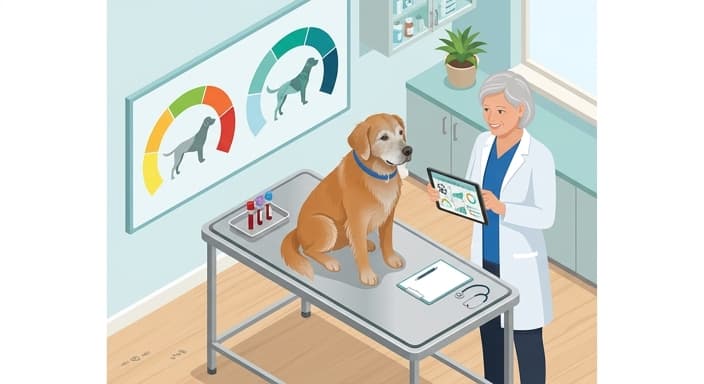
The first step in crafting a personalized nutrition plan is acknowledging that there is no "perfect" diet for all dogs. As a veterinarian, I look at three primary indicators when evaluating a senior dog’s nutritional status: Body Condition Score (BCS), Muscle Condition Score (MCS), and diagnostic blood work. While a BCS helps us determine if a dog is carrying excess fat, the MCS is arguably more important for seniors; it measures the amount of muscle tissue over the spine, shoulders, and hindquarters. If your dog is losing muscle, simply feeding them less food to keep them thin will only accelerate their decline.
Personalization begins with looking at the protein profile. Senior dogs often require a higher concentration of branched-chain amino acids to support muscle maintenance, but this must be balanced against kidney health. If diagnostic blood work reveals early signs of renal insufficiency, we must pivot to high-quality, lower-phosphorus proteins that provide the necessary building blocks without overworking the filtration system. This level of nuance is impossible to achieve with a single, off-the-shelf product. It requires a collaborative approach between the owner and a veterinary team to adjust protein sources, fiber content, and micronutrient supplementation based on real-time health data.
Targeted Micronutrients for Cognitive and Joint Health
Beyond the macros of protein, fats, and carbohydrates, the senior dog’s diet should act as a form of "nutraceutical" support. As we age, our cells accumulate oxidative stress, and the same applies to our dogs. A personalized plan often incorporates specific therapeutic levels of Omega-3 fatty acids—specifically EPA and DHA—which have been proven to reduce the systemic inflammation associated with canine osteoarthritis and support cognitive function.
Many pet parents are surprised to learn that we can often manage early-stage cognitive dysfunction through diet. By introducing medium-chain triglycerides (MCTs) and antioxidants like Vitamin E, C, and selenium, we can help bridge the gap in energy metabolism within the brain. For a dog that is starting to show signs of confusion or "sundowning," these nutritional adjustments can be the difference between a dog that remains engaged with their family and one that begins to withdraw. However, these supplements must be dosed correctly; too much or too little can lead to imbalances that counteract the benefits. This is where professional guidance ensures that every gram of food fed is actively working to improve the dog's quality of life.

Managing Digestive Sensitivity and Hydration
As dogs age, the gut microbiome becomes less resilient. We often see senior dogs develop sensitivities to ingredients they previously tolerated for years. A personalized nutrition plan prioritizes ingredients that are highly bioavailable, reducing the workload on the digestive tract. This may mean transitioning to a hydrolyzed protein diet or a limited-ingredient diet if we suspect sub-clinical food intolerances are contributing to chronic inflammation or skin issues.
Hydration is another often-overlooked aspect of senior nutrition. Older kidneys are less efficient at concentrating urine, and many senior dogs suffer from a blunted thirst response. If your dog is primarily on a dry kibble diet, they may be living in a state of chronic, low-level dehydration. Personalized plans often include the strategic addition of moisture-rich foods—such as bone broths, fresh vegetables, or high-quality wet food toppers—to ensure that the dog’s internal systems remain well-hydrated. This simple adjustment can improve kidney function, skin health, and even energy levels, proving that nutrition is about more than just the nutrients themselves; it is about the medium in which they are delivered.
The Iterative Process of Senior Wellness
The most important takeaway for any pet parent is that a nutrition plan is not a static document. It is a living, breathing component of your dog’s healthcare that should be reviewed at least every six months. Just as we update our own health routines as we age, your senior dog’s diet should evolve based on their current clinical picture. If your dog begins to struggle with dental pain, the texture of their food may need to change to ensure they can eat comfortably. If they are diagnosed with a new condition, such as heart disease or diabetes, the diet becomes a primary tool for management.
When you take the time to tailor your dog's nutrition, you are doing more than just feeding them; you are providing them with the internal resources they need to navigate the challenges of aging with grace. You are shifting the focus from simply "sustaining" a dog to "supporting" their longevity. By partnering with your veterinarian to monitor weight, muscle mass, and blood work, you can create a nutritional safety net that protects your dog from the common pitfalls of senior decline. Your dog has spent their life giving you their best; a personalized nutrition plan is one of the most meaningful ways you can give them yours in return.
In conclusion, moving away from a generic approach to senior dog nutrition is one of the most impactful decisions a pet owner can make. By focusing on individualized protein requirements, targeted micronutrient supplementation, digestive optimization, and hydration, we can significantly influence the trajectory of our dogs' later years. Remember that your veterinarian is your strongest ally in this process; don't hesitate to initiate a conversation about a custom dietary plan during your next wellness check. With the right nutritional foundation, we can help our aging companions remain comfortable, cognitively sharp, and vibrantly connected to us for as long as possible.
Common Questions
🤔
Frequently Asked Questions
What makes a personalized plan different from a generic 'senior dog' diet?▼
A personalized plan uses the dog’s unique health data, body composition, and activity level to tailor protein type and amount, fat balance, and micronutrient supplementation. It recognizes that aging dogs are not averages and may have evolving needs for muscle maintenance, digestion, and organ health. Owners work with a veterinary team to adjust their dog’s diet based on real-time health indicators rather than relying on a label.
Which indicators help veterinarians tailor a senior dog's diet?▼
Vets assess Body Condition Score to gauge fat levels, and Muscle Condition Score to evaluate muscle mass, especially along the spine and hindquarters. Diagnostic blood work informs kidney function and other organ health, guiding choices about protein sources and phosphorus content. This trio of data helps create a diet that preserves muscle and supports overall health.
How is protein managed to support aging dogs without overburdening the kidneys?▼
Older dogs benefit from high-quality, easily digestible proteins and adequate branched-chain amino acids to combat sarcopenia, but protein decisions must account for kidney health. If blood work shows renal concerns, diets can shift to lower-phosphorus proteins and adjusted protein amounts to protect renal filtration while still providing essential building blocks. The plan is dynamic and adjusted with ongoing veterinary monitoring.
What role do micronutrients play in cognitive and joint health for senior dogs?▼
Micronutrients, including omega fatty acids, antioxidants, and certain vitamins and minerals, support brain function and joint comfort as dogs age. The diet should include targeted fats for cognitive support and antioxidants to reduce oxidative stress, balanced with other nutrients to fit the dog’s health status. This targeted approach is part of the personalized plan rather than a generic formula.