Blog3/23/2026
Personalized Microbiome Diets for Dogs: Tailored Gut Health
6 mins Read
The Briefing
Quick takeaways for the curious
The dog gut microbiome is dynamic, not static, and benefits from personalized nutrition.
The gut is like a second brain; microbiome influences immune function, metabolism, mood, and skin health.
Many commercial diets are ultra-processed and can starve beneficial microbes; a personalized diet uses microbial signatures to choose ingredients.
Reading signals of microbial imbalance helps explain skin and GI symptoms; dysbiosis and leaky gut can trigger systemic inflammation.
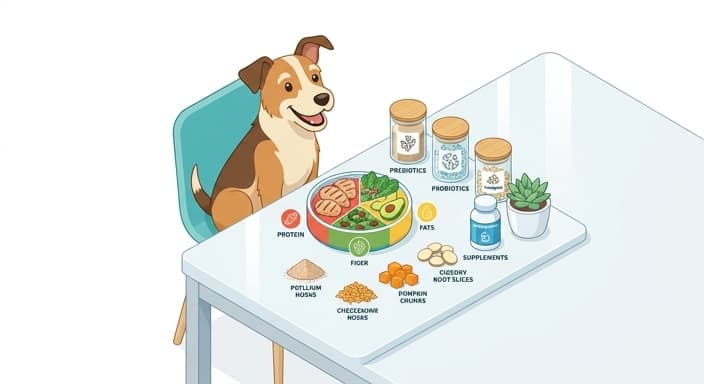
Precision prebiotics, probiotics, polyphenols, plus rotating proteins and fiber sources, support a diverse, balanced microbiome.
There is a persistent, outdated myth in the veterinary world that a dog’s microbiome is a static ecosystem that can be managed by a single, unchanging bag of kibble. As a veterinarian, I frequently consult with pet parents who are frustrated by their dog’s "unexplained" skin allergies, chronic ear infections, or recurring bouts of sensitive stomach, all while they feed a high-quality commercial diet. We are moving toward a new, more precise standard of care where the microbiome is viewed as a dynamic, internal rainforest—a complex community that requires personalized dietary stewardship to truly thrive.
The Invisible Ecosystem: Why Your Dog’s Gut is Their Second Brain
To truly grasp the importance of microbiome-focused diets, we must first shift our perspective on what the gastrointestinal tract actually is. It isn’t just a tube for processing food; it is a bustling, microscopic metropolis home to trillions of bacteria, fungi, and viruses. This community, collectively known as the microbiome, is the primary gatekeeper of your dog’s health. It regulates immune function, synthesizes essential B vitamins, manages metabolic health, and even produces neurotransmitters like serotonin that influence mood and behavior.
When we talk about "personalized microbiome diets," we are moving away from the "one-size-fits-all" bag of kibble and toward a strategy of microbial optimization. Many commercial diets are ultra-processed, which can inadvertently starve the beneficial microbes that keep inflammation in check. A personalized approach acknowledges that your dog’s specific microbial signature is as unique as a human fingerprint. By selecting ingredients that serve as fuel for the "good" bacteria—known as prebiotics—and introducing bioactive compounds that soothe the gut lining, we can effectively steer the microbiome back into balance.
Beyond the Label: Reading the Signals of Microbial Imbalance
In my clinic, I often tell my clients that the skin and the gut are two sides of the same coin. If your dog suffers from persistent paw licking, "hot spots," or dull, flaky fur, there is a high probability that the root cause is an imbalanced microbiome. When the gut becomes dysbiotic—meaning the harmful bacteria outnumber the beneficial ones—the intestinal barrier can become "leaky," allowing endotoxins to enter the bloodstream. This triggers systemic inflammation, which manifests most visibly on the skin.
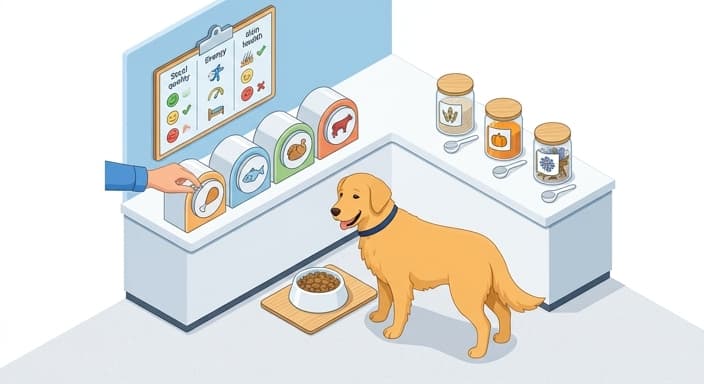
Personalized nutrition is the most effective tool we have to correct this. Instead of reaching for antibiotics or steroids, which often act like a "scorched earth" policy on the gut, we look for targeted dietary adjustments. This might involve rotating protein sources to ensure a diverse microbial landscape, or incorporating specific fiber sources like psyllium, pumpkin, or chicory root to act as prebiotics. By observing clinical signs like stool quality, energy levels, and skin health, we can iterate on the diet, treating it like a living experiment to see what makes your individual dog sparkle.
The Role of Precision Pre- and Probiotics in Daily Feeding
One of the most common mistakes I see as a veterinarian is the "hit-or-miss" application of probiotics. Pet parents often buy a generic powder from the pet store, sprinkle it on food, and hope for the best. However, a personalized microbiome diet requires a more strategic approach. Probiotics are living organisms; they need the right environment to flourish. If you provide the "seed" (the probiotic) without the "soil" (the prebiotic fiber), the beneficial bacteria will struggle to colonize.
When customizing a diet for microbiome health, I emphasize the "Three P’s": Proteins, Prebiotics, and Polyphenols. High-quality, bioavailable proteins are essential for gut cell repair, while specific prebiotic fibers—like those found in fermented vegetables or specific root starches—provide the fermentation substrates that produce short-chain fatty acids (SCFAs) like butyrate. Butyrate is the "gold standard" for gut health; it fuels the cells lining the colon and keeps the immune system in a state of calm, rather than hyper-vigilance. By integrating these elements into a daily routine, you are not just feeding your dog; you are actively farming their internal health.
Managing the Transition: The Art of Gut-Friendly Formulation
Transitioning a dog to a microbiome-optimized diet is not a process to be rushed. Because the gut microbiome is highly sensitive to sudden changes, a "cold turkey" switch can lead to temporary dysbiosis, gas, or loose stools. This is where the "vet-consultant" approach comes in: the transition should be slow, methodical, and data-driven. I recommend a 10-to-14-day transition period where you slowly introduce the new, microbiome-focused ingredients while tapering off the old.
During this transition, keep a "Gut Journal." Note your dog’s stool consistency, their appetite, and any changes in their energy or coat texture. If we notice a hiccup, we adjust the ratio of fiber or protein. This level of personalization is the hallmark of the new era of veterinary nutrition. We aren't just looking for the dog to "tolerate" the food; we are looking for the dog to thrive on it. When the microbiome is balanced, you will notice a change in the "vibe" of your dog—a clearer eye, a shinier coat, and a more robust, resilient immune system that can handle the stressors of daily life.

Customization Strategies for the Modern Pet Parent
So, how do you start? The first step is to stop viewing your dog’s bowl as a set-and-forget task. Start by introducing "functional variety." If your dog currently eats a base diet, consider adding small, controlled amounts of diverse, microbiome-friendly toppers. This could be a teaspoon of kefir (for natural probiotics), a tablespoon of steamed, pureed greens (for prebiotic fiber), or a small amount of fermented golden paste (for anti-inflammatory support).
However, always consult with your veterinarian before making significant changes, especially if your dog has a history of pancreatitis or other metabolic conditions. We want to ensure that the additions are not just healthy, but that they align with your dog’s specific caloric needs and health history. Remember, the goal is not to overwhelm the digestive system but to provide a consistent, gentle nudge toward a more diverse microbial community. Diversity in the diet leads to diversity in the gut, and in the world of microbiome science, diversity is the ultimate marker of resilience.
Sustaining Vitality Through Long-Term Dietary Stewardship
The journey toward a personalized microbiome diet is not a destination but a continuous process of observation and refinement. As your dog ages, their environmental exposures change, and their activity levels shift, their microbiome needs will evolve accordingly. By staying engaged with their nutritional intake, you are acting as an active participant in their longevity.
We are moving away from the era of passive feeding and into an era of intentional, precision care. When you take the time to understand the unique requirements of your dog’s gut, you are providing the foundation for a longer, happier, and more vibrant life. Nutrition is the most powerful medicine we have at our disposal, and when we apply it with the nuance and care that the microbiome deserves, the results are nothing short of transformative. By focusing on gut health today, you are ensuring that your companion remains the playful, spirited partner you know and love for years to come.
Common Questions
🤔
Frequently Asked Questions
What is a personalized microbiome diet for dogs, and how does it differ from a standard commercial diet?▼
A personalized microbiome diet targets your dog’s unique gut microbial signature rather than relying on a generic kibble. It focuses on ingredients that nourish beneficial bacteria (prebiotics) and bioactive compounds that soothe the gut lining. This approach acknowledges that dogs respond differently to foods based on their microbiome. By adjusting proteins, fibers, and other components, you aim to support a balanced microbial community and better overall health.
Why are prebiotics, probiotics, and polyphenols important in these diets?▼
Probiotics introduce beneficial microbes, but they need the right environment—provided by prebiotic fibers—to flourish. Prebiotics serve as food for the good bacteria, supporting their growth and production of health-promoting metabolites like short-chain fatty acids. Polyphenols add anti-inflammatory and antioxidant benefits that can help calm the gut and skin. Together, they help steer the microbiome toward resilience rather than disruption.
What signs suggest my dog’s microbiome may be imbalanced?▼
Common signs include persistent skin issues such as hotspots and dull fur, recurring ear infections, and episodes of sensitive stomach or irregular stools. When the gut barrier is leaky, inflammatory signals can manifest on the skin and elsewhere in the body. If you notice these patterns, it’s reasonable to explore a microbiome-focused dietary plan with your veterinarian.
How can I start applying these principles at home?▼
Begin by rotating protein sources to promote microbial diversity and reduce steady-state biases. Add sources of prebiotic fiber such as psyllium, pumpkin, or chicory root, and consider incorporating fermented vegetables or specialized root starches if appropriate. Work with your veterinarian to tailor protein, fiber, and potential probiotics to your dog’s needs and monitor signs like stool quality and skin health to guide adjustments.