Blog4/23/2026
Managing Pet Weight with Fiber Supplements for Satiety
6 mins Read
The Briefing
Quick takeaways for the curious
Weight management for pets is not simply a race to fewer calories; fiber can help by moderating hunger signals and supporting gradual, healthy fat loss.
Satiety is driven by slower gastric emptying and hormonal signals such as CCK and GLP-1, making lower-calorie plans more sustainable for overweight pets.
A balanced blend of soluble and insoluble fiber is important: soluble fiber slows absorption and lowers glycemic spikes, while insoluble fiber supports gut motility and overall digestive health.
Beyond weight loss, fiber acts as a prebiotic, supporting a healthy gut microbiome and the production of short-chain fatty acids that help maintain intestinal integrity and immune health.
When introducing fiber, start with small amounts, monitor stool and hydration, and work with a veterinarian to avoid bloating or gas and to tailor the plan to the individual pet.
There is a persistent, outdated myth in the modern pet care community that weight management is solely a matter of "calories in versus calories out," leading many owners to simply restrict their pet’s portion sizes until they are essentially starving their companions to achieve a leaner physique. As a veterinarian consultant, I frequently speak with frustrated pet parents who see their dogs or cats constantly begging for food or scavenging for scraps, failing to realize that hunger is a complex hormonal signal that can be managed through nutritional density rather than mere deprivation. We are finally moving toward a more sophisticated, metabolic-focused standard of pet wellness that views fiber supplementation not as a "filler," but as a vital therapeutic intervention, effectively closing the gap between a pet who suffers from chronic hunger and one who feels satiated, satisfied, and biologically supported throughout their weight loss journey.
The Science of Satiety: Why Fiber Changes Everything
To understand why fiber represents a paradigm shift for our overweight companions, we must first demystify the biomechanics of the pet digestive tract. Unlike simple carbohydrates, which cause rapid spikes in blood glucose and subsequent crashes—leaving the pet feeling hungry again within an hour—fiber works by slowing down the rate of gastric emptying. When a pet consumes a diet with an optimized fiber profile, the food stays in the stomach longer, mechanically distending the stomach wall and signaling the brain that the animal is "full."
This process, known as satiety signaling, is mediated by hormones like cholecystokinin (CCK) and glucagon-like peptide-1 (GLP-1). By adding the right types of fiber, we aren't just adding bulk; we are biochemically stabilizing the pet’s metabolism. For an overweight pet, this means that the transition to a lower-calorie diet doesn't have to be a miserable experience of constant begging. Instead, it becomes a sustainable shift that respects the animal's natural hunger cues while facilitating gradual, healthy fat loss.
Navigating the Fiber Spectrum: Soluble vs. Insoluble
Not all fiber is created equal, and understanding the nuance between soluble and insoluble varieties is crucial for successful weight management. Soluble fibers—found in ingredients like psyllium husk, pumpkin, and certain pectins—act like a sponge, absorbing water and forming a gel-like consistency in the gut. This gel slows the absorption of nutrients, effectively lowering the glycemic index of a meal and preventing the insulin spikes that encourage fat storage.
Insoluble fibers, on the other hand, provide the "roughage" that keeps the digestive tract moving. While they don't provide the same gel-like satiation, they are essential for gut motility and ensuring that the waste-removal process remains efficient. In my clinical practice, I often recommend a balanced blend of both. A common mistake pet owners make is adding raw fiber sources without consulting a professional, which can lead to bloating or gas. When introducing fiber, consistency is key; start with a small amount and monitor your pet's stool quality, ensuring they stay well-hydrated to allow the fiber to do its work effectively.

Metabolic Benefits Beyond Weight Loss
While weight management is the primary goal, the ripple effects of a fiber-rich diet extend deep into your pet’s overall health. Many overweight pets suffer from sub-clinical inflammation, often stemming from an imbalanced gut microbiome. Fiber acts as a prebiotic, serving as the fuel source for beneficial bacteria in the colon. These microbes ferment fiber to produce short-chain fatty acids (SCFAs) like butyrate, which are essential for maintaining the integrity of the intestinal lining and supporting a robust immune system.
Furthermore, fiber plays a critical role in managing blood sugar levels in diabetic or pre-diabetic pets. By blunting the post-meal glucose response, fiber reduces the workload on the pancreas. I have seen countless cases where a simple, fiber-supplemented dietary adjustment helped stabilize a cat's insulin requirements or improved a dog's joint comfort, simply because the reduction in adipose tissue (fat cells) lowered the level of pro-inflammatory cytokines circulating in their system. It is a beautiful example of how nutrition acts as a form of medicine.
Practical Implementation: How to Supplement Safely
Integrating fiber into your pet’s routine should be a measured, veterinarian-guided process. Never introduce a new supplement during a stressful period or when your pet is experiencing digestive upset. Instead, aim for a baseline of health. Start by assessing your pet’s current body condition score (BCS)—a 1-9 scale where 4-5 is ideal. If your pet is a 7 or higher, they are officially in the "overweight" category and require a structured plan.
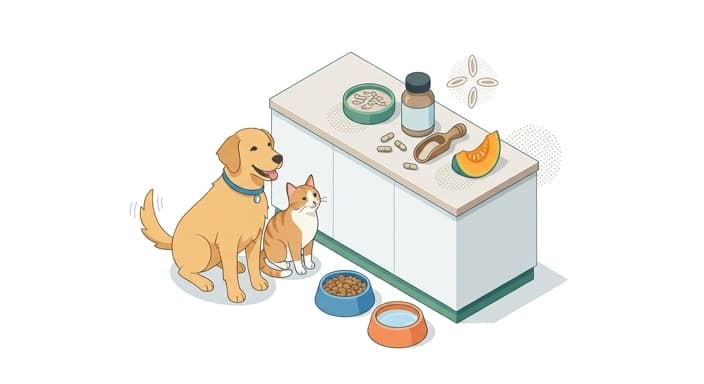
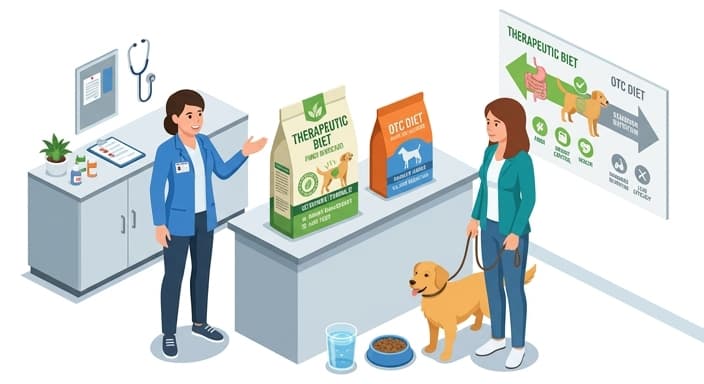
When choosing a supplement, look for high-quality, clinical-grade fiber sources. Pure, unflavored psyllium husk is a frequent favorite for its predictable performance, as is canned, plain pumpkin (ensure there is no added sugar or xylitol, which is toxic to dogs). However, for pets with specific sensitivities, I often recommend specialized, fiber-enriched therapeutic diets rather than over-the-counter additions, as these are formulated to balance the mineral and electrolyte content that can be inadvertently disrupted by high fiber intake. Always remember: water is the "activation" component of fiber. If you increase fiber without increasing water intake, you risk the very constipation you are trying to avoid.
Avoiding the "Empty Calorie" Trap
In the quest to reduce weight, many owners pivot to "light" or "low-fat" commercial diets that are often packed with low-quality fillers to make up for the lack of calorie density. Unfortunately, these diets can sometimes lead to nutrient deficiencies or muscle wasting, as they may lack the high-quality protein necessary to maintain lean muscle mass during weight loss. This is where fiber supplementation proves superior to simple food restriction: it allows you to maintain a higher protein intake while managing the caloric density of the meal.
By keeping the protein high and the fat controlled, and using fiber to provide the "physical" satisfaction of a full stomach, you protect your pet’s metabolic rate. A pet that is losing weight while maintaining muscle mass will have a much higher chance of keeping that weight off long-term. Remember, the goal is not to have a "skinny" pet, but a "fit" pet. Watch for signs of vitality—increased energy, improved mobility, and a brighter coat—as these are the true indicators that your nutritional strategy is working.
A Holistic Partnership for Longevity
Ultimately, managing your pet’s weight through fiber supplementation is a commitment to their long-term vitality. It is a gentle, physiological approach that prioritizes their comfort and happiness alongside their physical health. As you embark on this journey, view your veterinarian as a partner who can help you adjust the ratios as your pet reaches their target weight. Weight loss is a marathon, not a sprint, and there will be plateaus and adjustments along the way. Stay patient, stay observant, and trust the process. By choosing to support your pet’s satiety through science-backed nutrition, you are doing more than just helping them shed a few pounds; you are gifting them the mobility and health to enjoy many more years of playing, exploring, and bonding by your side.
Common Questions
🤔
Frequently Asked Questions
What is the primary way fiber aids weight management in pets?▼
Fiber helps by slowing gastric emptying and increasing stomach fullness, which enhances satiety signals. This makes a calorie-restricted plan more tolerable by reducing constant begging. Hormones like cholecystokinin (CCK) and glucagon-like peptide-1 (GLP-1) mediate these signals, aligning food intake with the pet’s natural cues. In practice, choosing the right fiber types matters to balance calories and hunger.
What is the difference between soluble and insoluble fiber, and how should they be used for weight management?▼
Soluble fiber (psyllium husk, pumpkin, certain pectins) forms a gel that slows nutrient absorption and lowers the glycemic response. Insoluble fiber provides the bulk needed for gut motility and waste passage. A balanced blend of both types is often best; introduce gradually and monitor stool, hydration, and any signs of discomfort.
How should owners introduce fiber into their pet’s diet?▼
Introduce fiber gradually by starting with small amounts and increasing slowly over days to weeks. Monitor your pet’s stool quality and hydration, and adjust as needed. Avoid adding raw fiber sources without veterinary guidance to prevent bloating or gas. Consulting a veterinarian helps tailor the plan to your pet’s species, weight, and health status.
What other health benefits does fiber offer, and when should I seek veterinary advice?▼
Fiber supports a healthy gut microbiome by acting as a prebiotic and producing short-chain fatty acids that strengthen the intestinal lining and immune health. It also helps blunt post-meal blood sugar fluctuations in diabetic or pre-diabetic pets. If you notice persistent GI upset, weight plateaus, or other concerning signs, consult your veterinarian for individualized recommendations.