Blog3/27/2026
Personalized Biometric Diets for Dogs: A Precision Approach
6 mins Read
The Briefing
Quick takeaways for the curious
There is a shift from one-size-fits-all dog foods to personalized biometric diets guided by individual data rather than arbitrary life-stage classifications.
Generic diets often fail to address subclinical sensitivities and unique metabolism, leading to persistent itching, lethargy, or digestive issues despite trial-and-error changes.
Biometric nutrition uses biomarkers from blood panels, microbiome sequencing, and genetics to tailor macronutrient ratios and ingredient choices to a dog’s specific physiology.
Understanding the canine gut microbiome and metabolic markers enables targeted interventions, such as specific prebiotic fibers or proteins that support the dog’s beneficial bacteria.
Genetic information helps identify nutrient absorption propensities and disease predispositions, allowing the selection of highly bioavailable nutrients and avoidance of problematic ingredients.
There is a persistent, outdated myth in the veterinary world that the "best" dog food is a one-size-fits-all formula determined by an arbitrary life stage or breed size classification. As a veterinarian, I frequently consult with pet parents who are frustrated by the trial-and-error cycle of switching kibble brands in hopes of resolving chronic itching, lethargy, or digestive upset, assuming that their dog’s health is simply a matter of "luck," when in reality, we are finally moving toward a new, sophisticated standard of canine nutrition that prioritizes biometric data over generic marketing.
The Biological Flaw of Generic Canine Nutrition
To understand why the movement toward personalized biometric diets is so critical, we must look at the biological reality of our modern canine companions. For decades, the pet food industry has operated on a model of "nutritional averages." These formulas are designed for the "average" dog, a hypothetical creature that, in my clinical experience, rarely exists. Whether it is a high-energy Border Collie or a sedentary Basset Hound, the metabolic demands, gut microbiome composition, and genetic predispositions of individual dogs vary as much as they do in humans.
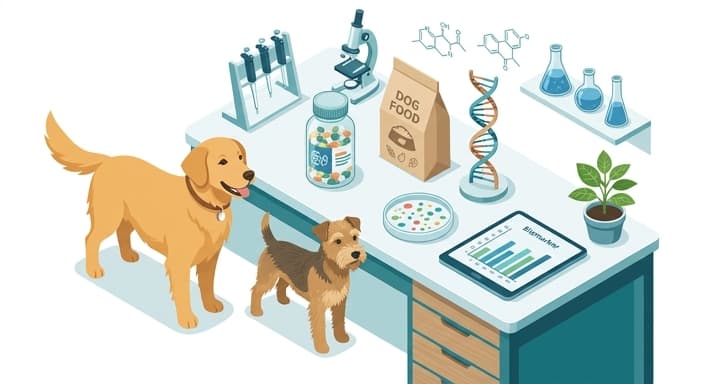
When we rely on mass-produced, non-personalized diets, we often ignore the unique internal chemistry of the dog. A dog with a sub-clinical food sensitivity may not show the classic signs of anaphylaxis, but they may live with chronic low-grade inflammation that manifests as dull coat, poor dental health, or even behavioral changes. Personalized nutrition uses biomarkers—such as blood panels, microbiome sequencing, and genetic testing—to move away from guesswork. By identifying exactly what a dog’s body is struggling to process, we can tailor a diet that supports their specific physiological needs rather than fighting against their unique biology.
Decoding the Microbiome and Metabolic Markers
The shift toward biometric diets begins with understanding the gut. We now know that the canine microbiome is a complex ecosystem that dictates everything from immune system regulation to serotonin production. When I review a patient’s health history, I am no longer just looking at weight and coat condition; I am looking at their metabolic profile. Personalized diets often utilize fecal microbiome analysis to identify specific bacterial strains that may be lacking or over-represented.
If a dog is suffering from chronic gas or inconsistent stools, a standard "sensitive stomach" diet might provide temporary relief, but it rarely addresses the root cause. A biometric approach allows us to introduce specific prebiotic fibers or targeted proteins that feed the beneficial bacteria unique to that specific dog. Furthermore, by monitoring fasting glucose, insulin levels, and inflammatory markers like C-reactive protein, we can adjust the macronutrient ratios—carbohydrates, fats, and proteins—to optimize energy levels. This is precision medicine at its most practical: providing the exact fuel the body requires to maintain homeostasis.
The Role of Genetics in Nutrient Absorption
Beyond the microbiome, a dog’s DNA holds the map to their nutritional requirements. We are seeing a surge in advanced genetic testing that identifies predispositions for conditions like dilated cardiomyopathy (DCM) or urate bladder stones, both of which have strong links to dietary choices. For example, some breeds—and indeed, some specific individuals—have a harder time metabolizing certain amino acids or minerals.
When we feed a dog a generic diet that is high in a particular mineral they cannot efficiently filter, we are essentially overworking their organs. Personalized biometric diets allow us to preempt these issues. By understanding a dog’s genetic tendency toward nutrient malabsorption, we can choose formulations that provide highly bioavailable forms of vitamins and minerals. This isn’t just about "better" food; it’s about "smarter" food that respects the dog’s internal architecture. We are essentially customizing the chemical inputs to ensure the dog’s metabolic outputs remain efficient and healthy.
Bridging the Gap Between Data and Daily Feeding
One of the most common concerns I hear from clients is that "personalized" sounds synonymous with "inconvenient." However, the landscape of pet nutrition has evolved to make biometric-based feeding remarkably accessible. Today, various services bridge the gap between clinical data and the bowl. Once we have a clear picture of a dog’s biometric needs, we can move away from the "buy a bag at the store" model toward fresh, pre-portioned, or supplement-customized meal plans.
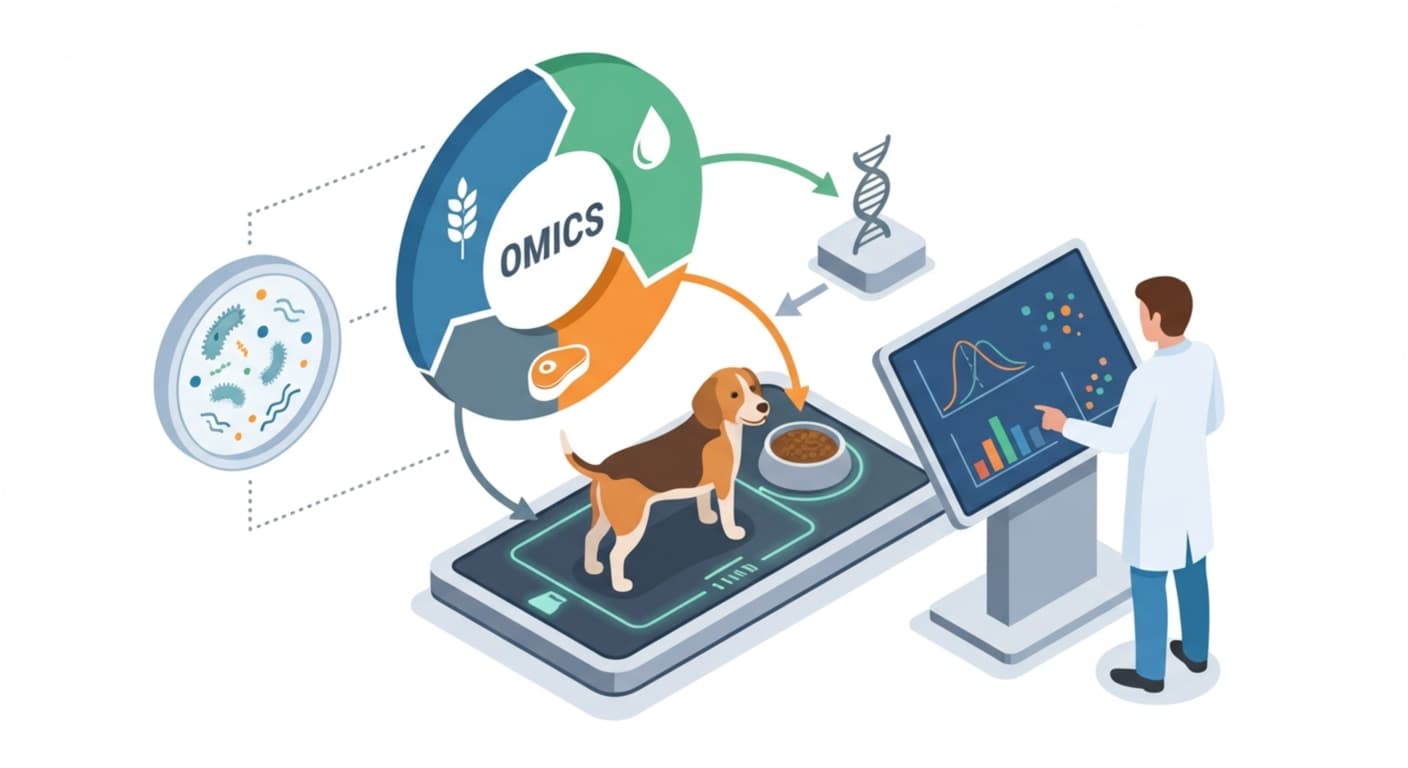
The practical application involves a three-step process: testing, interpretation, and implementation. First, we establish a baseline through diagnostic panels. Second, we work with a veterinary nutritionist to interpret those findings—deciphering if the dog needs a higher concentration of omega-3 fatty acids for joint support or a specific protein source to avoid an inflammatory trigger. Finally, we implement a diet that is delivered in pre-measured, specific formulations. This eliminates the "scoop-and-hope" method of feeding and ensures that every calorie consumed is optimized for that individual animal’s requirements.
[PHOTO_2]
Monitoring Long-Term Outcomes and Adjusting Strategy
A biometric diet is never a "set it and forget it" solution. Because a dog’s internal chemistry changes with age, activity level, and seasonal shifts, their nutritional requirements are equally fluid. This is where the true power of personalized nutrition lies: in the feedback loop. When we feed based on data, we can measure the success of that diet through repeated diagnostic testing.
I encourage my clients to view their dog’s health through the lens of a trend line. If we adjust the diet to improve skin health, we should see measurable changes in the lipid profile or a reduction in inflammatory markers within a few months. If the dog is an athlete, we can adjust their caloric density based on their seasonal training volume. This proactive, data-driven approach shifts the veterinarian’s role from "fixing" health crises to "maintaining" peak vitality. It allows us to catch the subtle shifts in health before they become expensive, life-altering medical conditions.
The Future of Personalized Care
As we look toward the future, the integration of wearable technology—smart collars that track activity levels and even resting heart rates—will likely merge with nutritional data to create an even more seamless experience. Imagine a world where your dog’s food order automatically adjusts based on their activity levels recorded over the past month. While we aren’t quite there yet, the foundation is set.
Choosing a personalized biometric diet is the ultimate act of preventative medicine. It is a recognition that your dog is an individual with specific needs that standard, mass-market kibble simply cannot satisfy. By moving toward a model that values diagnostic data over mass-market convenience, we are not only extending our pets' lifespans but also significantly improving their quality of life. The best diet for your dog isn't the one that is most popular on social media or the one that comes in the loudest packaging; it is the one that speaks the language of their unique biology.
Ultimately, the goal of any pet parent is to provide a life of comfort, health, and joy for their companion. By embracing the science of biometric nutrition, you are taking a sophisticated step toward that goal, ensuring that your dog is nourished from the inside out, supported by data, and fueled for a lifetime of adventures by your side.
Common Questions
🤔
Frequently Asked Questions
What is a biometric diet for dogs?▼
A biometric diet for dogs is a customized nutrition plan designed from a dog’s individual biological data, including gut microbiome analysis, blood biomarkers, and genetic information. It moves beyond generic life-stage or breed-based formulas to address the actual metabolic and inflammatory needs of the dog. The goal is to support homeostasis by aligning macronutrient ratios and ingredients with what the dog’s body processes most efficiently.
How does the microbiome influence dietary choices for dogs?▼
The canine microbiome shapes immune function, digestion, and even mood-related signaling. By analyzing a dog’s gut bacteria, veterinarians can identify missing or overrepresented strains and tailor prebiotics, fibers, and proteins to nourish the beneficial microbes. This biomarker-driven approach aims to resolve root causes of symptoms like gas, loose stools, or recurring inflammation rather than offering temporary relief.
What biomarkers are monitored when designing a biometric diet?▼
Common targets include fasting glucose and insulin to gauge energy metabolism, inflammatory markers such as C-reactive protein, and lines of evidence from genetic risk. Regular follow-up panels help refine macronutrient balance (carbohydrates, fats, proteins) and ensure the diet supports the dog’s specific physiologic needs. In some cases, microbiome sequencing is repeated to track changes in gut microbial balance.
How does genetics inform nutrient absorption and disease risk?▼
Genetic testing can reveal predispositions for conditions that influence dietary needs, such as conditions linked to mineral or amino acid processing. Understanding these tendencies allows choosing food ingredients and supplement forms with higher bioavailability, reducing strain on organs. It also helps anticipate risks like cardiomyopathies or stone formation, guiding preventative dietary choices.