Blog4/30/2026
Mindful Enrichment Games for Bored Indoor Pets: Practical Ideas
6 mins Read
The Briefing
Quick takeaways for the curious
Mindful enrichment treats boredom not as a mere annoyance but as a health risk that can impact dopamine regulation and cortisol levels, affecting overall wellbeing.
Animals evolved to solve problems; indoor life can strip that away, so providing cognitive tasks reactivates natural drives.
Sensory-based enrichment, especially olfactory challenges, is more tiring and effective than frantic physical play.
Foraging-based activities like scent-search and foraging trays build confidence, independence, and satisfaction beyond meals.
You don't need expensive gadgets; DIY enrichment stations such as scent games and foraging trays are practical and scalable at home.
There is a persistent, outdated myth in the modern pet care community that an indoor pet’s primary requirements are limited to a comfortable bed, a predictable feeding schedule, and an occasional pat on the head. As a veterinarian consultant, I frequently speak with well-meaning pet parents who are surprised to learn that behavioral issues like excessive vocalization, destructive furniture scratching, and chronic lethargy are often symptoms of "boredom syndrome"—a genuine lack of cognitive stimulation that leaves a naturally curious animal with nothing to do. We are finally moving toward a more sophisticated, holistic standard of pet wellness that views mindful enrichment not as a luxury or a "pet store gimmick," but as a vital therapeutic intervention, effectively closing the gap between a pet prone to behavioral frustration and one who possesses the neurological stimulation necessary to thrive in an indoor environment.
The Cognitive Blueprint: Why Boredom Is a Health Risk
To understand why mindful enrichment represents a paradigm shift for our domestic companions, we must first demystify their evolutionary blueprint. Whether you share your home with a high-energy terrier or a stoic shorthair cat, these animals are descendant from species that spent their waking hours scanning the environment, solving spatial puzzles, and engaging in complex decision-making to survive. When we bring them into our homes, we provide safety and calories, but we often inadvertently strip away the "problem-solving" aspect of their existence.
When an animal lacks the opportunity to engage their brain, the resulting boredom is not merely an annoyance for the owner; it is a physiological stressor. Chronic boredom leads to a decrease in dopamine regulation and an increase in cortisol, which can manifest as obsessive-compulsive behaviors, weight gain, and even a weakened immune system. Mindful enrichment is the process of reintroducing "jobs" into their day—tasks that require them to use their senses, their bodies, and their intellect to earn their rewards. It is about shifting them from a state of passive waiting to active participation.
Sensory Integration: Engaging the Nose and the Brain
The most effective way to combat boredom is to move away from high-stimulus, "frenetic" play—like frantic laser pointer chasing or endless ball fetching—and toward sensory-based enrichment. A pet’s primary interface with the world is olfactory. For dogs, this means "sniffaris" or scent-work games; for cats, it involves introducing novel, safe scents like silvervine or dried valerian root in controlled environments.
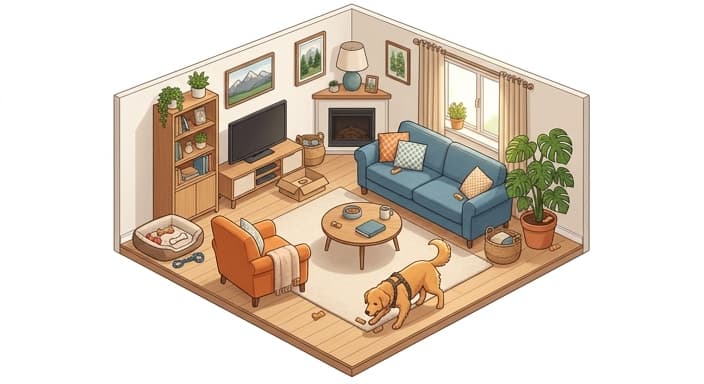
By engaging the olfactory bulb, we are essentially giving our pets a mental workout that is far more exhausting than physical exercise. A 15-minute "scent treasure hunt" where you hide small, high-value treats around the living room can be as tiring for a dog as a 45-minute walk. The goal here is to encourage "foraging behavior." By requiring your pet to use their nose to locate their dinner or a reward, you are mimicking the natural hunt cycle. This builds confidence, fosters independence, and provides a profound sense of satisfaction that a bowl of kibble simply cannot replicate.
The Art of the Puzzle: Designing Your Own Enrichment Stations
You do not need to spend a fortune on high-tech gadgets to provide high-quality enrichment. In my practice, I often tell clients that the best toys are often the ones you build yourself. The objective is to create "problem-solving" opportunities that are appropriately challenging—not so easy that the pet solves them in seconds, but not so difficult that they become frustrated and give up.
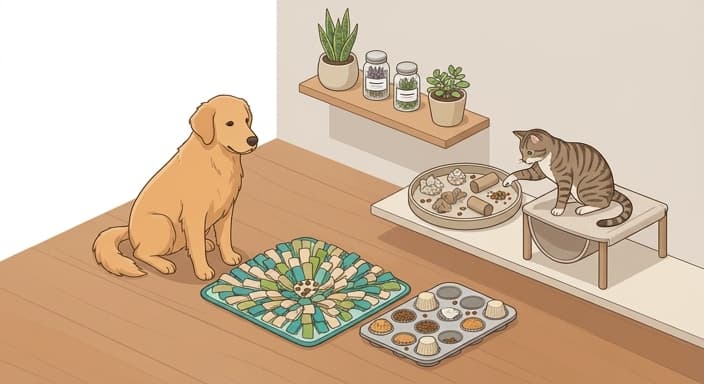
For indoor cats, try creating a "foraging tray." Take a shallow box or a muffin tin and place various items in it—ping pong balls, crumpled paper, and a few pieces of dry food or treats. Your cat must use their paws to move the objects to reach the food. For dogs, a "snuffle mat" is a gold standard, but you can achieve similar results by rolling treats into an old towel and tying it into a loose knot. These activities force the animal to focus, plan their movements, and exercise patience. When a pet "works" for their meal, they are utilizing the same neural pathways that their ancestors used in the wild, which provides a deep, intrinsic sense of fulfillment.
Environmental Complexity: Verticality and Hidden Spaces
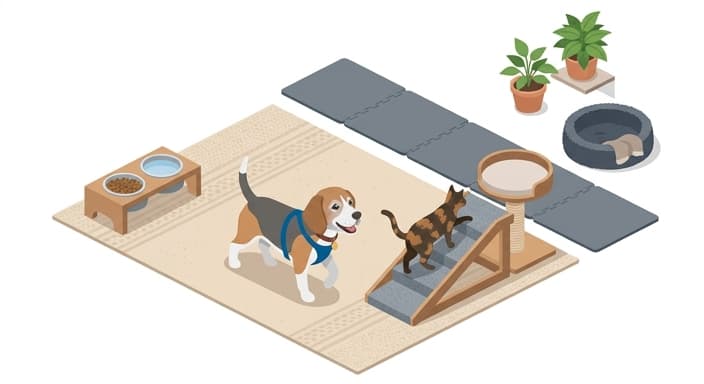
Indoor environments are often too "flat" and predictable. Mindful enrichment also involves changing the geography of your home to keep your pet’s brain engaged. For cats, this means maximizing vertical space. A cat who can survey their territory from a high shelf or a window perch is a cat with a "job"—that of the lookout. If your home lacks verticality, you are effectively cutting off a massive portion of their natural sensory experience.
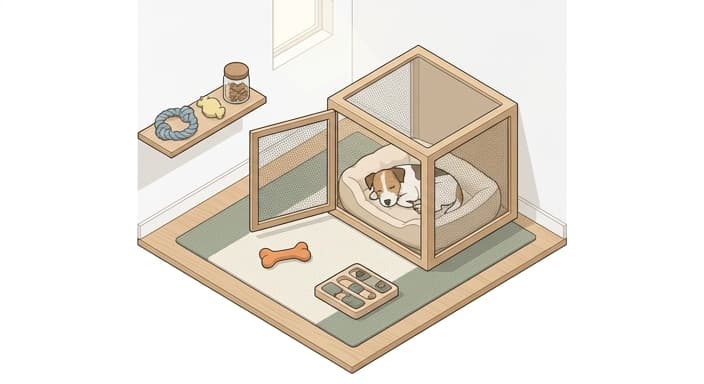
For dogs, environmental complexity means rotating their toys and changing their indoor pathways. If a dog has access to the same toys in the same corner every day, those toys cease to be "interesting." By creating a rotation system where only a few toys are available at a time, you keep the environment feeling fresh and novel. Additionally, consider creating "safe zones" or "den spaces" where the pet can retreat and engage in a calming activity, like chewing on a long-lasting, natural rubber treat toy. This teaches the pet the valuable skill of self-soothing, which is an essential component of emotional maturity in indoor pets.
The Power of Routine and Intentional Play
While the activities themselves are important, the way we facilitate them matters just as much. Mindful enrichment is about intentionality. When you engage in a play session with your pet, put away your phone, dim the lights, and actually watch them. Notice their body language. Are they hyper-focused? Are they losing interest? Learning to read these cues allows you to adjust the difficulty of the game in real-time.
Furthermore, consistency is key. Enrichment should not be a "sometimes" treat; it should be integrated into the daily rhythm of your pet's life. Try to pair enrichment with periods where you know they are typically bored—such as mid-afternoon or right before you prepare dinner. By creating a predictable structure for mental work, you help regulate your pet's circadian rhythm. A pet that has been mentally stimulated throughout the day is much more likely to settle down in the evening, leading to a more harmonious household for everyone involved.
Moving Toward a Holistic Wellness Model
Ultimately, shifting to a mindset of "mindful enrichment" is an act of empathy. It is an acknowledgement that our pets are intelligent, sentient beings with complex needs that extend far beyond the physical. When we invest time in creating puzzles, scent games, and complex environments, we are not just keeping them "occupied"—we are nurturing their neurological health and honoring their natural instincts.
Remember, there is no "one size fits all" approach. Every animal has a unique personality and set of preferences. Some dogs may prefer the mental challenge of a complex puzzle, while others find peace in the rhythmic act of licking a frozen treat mat. Some cats may enjoy the thrill of a vertical climbing challenge, while others prefer the quiet focus of a scent-based hunt. By observing, experimenting, and consistently providing these outlets, you are providing the foundation for a long, healthy, and deeply contented life. As you begin to implement these changes, you will likely notice that the "boredom behaviors" begin to fade, replaced by a pet that is more confident, more relaxed, and more connected to you as their partner in this shared indoor life.
Common Questions
🤔
Frequently Asked Questions
What is boredom syndrome and why does it matter for indoor pets?▼
Boredom syndrome is a cognitive deficit caused by insufficient mental stimulation. It can manifest as excessive vocalization, destructive scratching, or lethargy, signaling stress rather than misbehavior. The condition is linked to neurochemical changes, including disrupted dopamine regulation and elevated cortisol, which can affect immune function. Recognizing boredom as a health issue reframes enrichment as a therapeutic intervention rather than a luxury.
How does sensory enrichment, especially olfactory work, help pets?▼
Olfactory-driven enrichment taps into a pet’s strongest sensory channel and typically provides a deeper mental workout than chasing a toy. Activities like scent work, sniffaris, or safe scent introductions compel pets to problem-solve and exert self-control. Because the nose does a lot of cognitive work, 15 minutes of scent-based foraging can tire a dog as much as a long walk, without needing to run around.
What are simple DIY enrichment ideas for cats and dogs?▼
Begin with simple, DIY setups that emphasize foraging and problem-solving. For cats, try a foraging tray made from a shallow box or muffin tin with cups, crumpled paper, ping-pong balls, and scattered dry food; the cat must paw the items to uncover treats. For dogs, set up a snuffle mat or hide treats around the room for a 10-15 minute scent treasure hunt; gradually increase difficulty by hiding items in more challenging spots. Always supervise, rotate scents and games, and adjust difficulty to avoid frustration.
What safety considerations should I keep in mind when implementing mindful enrichment at home?▼
Start by introducing enrichment gradually to avoid overwhelming your pet. Use safe, pet-approved scents and materials, and supervise all activities until you’re confident they won’t ingest or choke on components. Rotate different activities to keep novelty high and monitor behavior for signs of stress or frustration; if a task seems too hard, simplify or reveal more clues. The goal is to provide controlled challenges that promote confidence and independence while ensuring safety.