Blog3/17/2026
Microbiome Testing for a Personalized Dog Diet Plan
7 mins Read
The Briefing
Quick takeaways for the curious
The canine microbiome is a complex gut ecosystem of bacteria, fungi, and viruses that influences digestion, immunity, and overall health beyond what is visible through the coat and energy level.
Microbiome testing helps move from guessing based on symptoms to identifying which microbes are flourishing or depleted in a dog, guiding targeted dietary decisions.
The healthy balance in the gut, known as a balanced microbiome, can be disrupted by dysbiosis and may manifest as skin issues, inflammation, or digestive problems, with microbiome testing helping identify underlying causes.
Standard diets often fail to account for individual gut differences, so two dogs on the same food can have very different microbiomes and responses.
The testing process uses at home stool collection and 16S rRNA sequencing to identify the microbial composition and generate actionable insights for diet and management.
There is an invisible, microscopic universe thriving within your dog’s digestive tract, a complex ecosystem of trillions of bacteria, fungi, and viruses that do far more than simply process last night’s dinner. As a veterinarian, I have spent years looking at the "outside" of dogs—the luster of their coats, the clarity of their eyes, and the spring in their step—only to realize that the secret to these outward signs of vitality is almost always hidden deep within the gut. Microbiome testing is the newest frontier in veterinary medicine, moving us away from the era of "one-size-fits-all" kibble and toward a future where we can tailor every meal to the specific, biological blueprint of your dog’s internal garden.
The Hidden Ecosystem: Understanding the Canine Microbiome
To appreciate the power of microbiome testing, we must first recognize that your dog is essentially a vessel for a vast microbial community. This collection of microorganisms, primarily located in the large intestine, is known as the gut microbiome. In a healthy dog, these microbes live in a state of "eubiosis," a delicate balance where beneficial bacteria outnumber the potentially harmful ones. These tiny residents are responsible for synthesizing essential vitamins (like B12 and K), training the immune system to distinguish friend from foe, and breaking down complex carbohydrates into short-chain fatty acids (SCFAs) that fuel the cells of the colon.
In my clinical practice, I often compare the microbiome to a high-performance engine. When the "fuel" (the diet) matches the "engine specifications" (the microbial makeup), the dog thrives. However, when that balance is disrupted—a state called dysbiosis—the results aren't just limited to a rumbly tummy. We see the fallout in the form of chronic skin allergies, systemic inflammation, unexplained anxiety, and metabolic issues. Microbiome testing allows us to peer under the hood and see exactly which "parts" are missing or malfunctioning, rather than guessing based on symptoms alone.
Why the "Standard" Diet Often Falls Short
For decades, the pet food industry has operated on the assumption that if a diet meets the basic nutritional profiles set by regulatory bodies, it is suitable for any dog of a certain life stage. While these standards prevent overt nutrient deficiencies, they don't account for the staggering individuality of the canine gut. Two Golden Retrievers living in the same house, eating the same food, can have vastly different microbial profiles due to their genetics, early-life exposures, and even their individual stress levels. This is why one dog may thrive on a high-protein grain-free diet, while another develops chronic soft stools on the exact same formula.
Traditional "elimination diets" for dogs with food sensitivities can take months of frustrating trial and error. We swap chicken for venison, then venison for kangaroo, often while the dog continues to itch or suffer from intermittent diarrhea. Microbiome testing bypasses much of this guesswork. By identifying which bacterial populations are overgrown (such as Clostridium perfringens) or which are dangerously low (such as Faecalibacterium), we can identify whether a dog’s issues stem from an actual food allergy or a fundamental inability of their current microbiome to process certain ingredients.

The Science of the Swab: How Testing Works
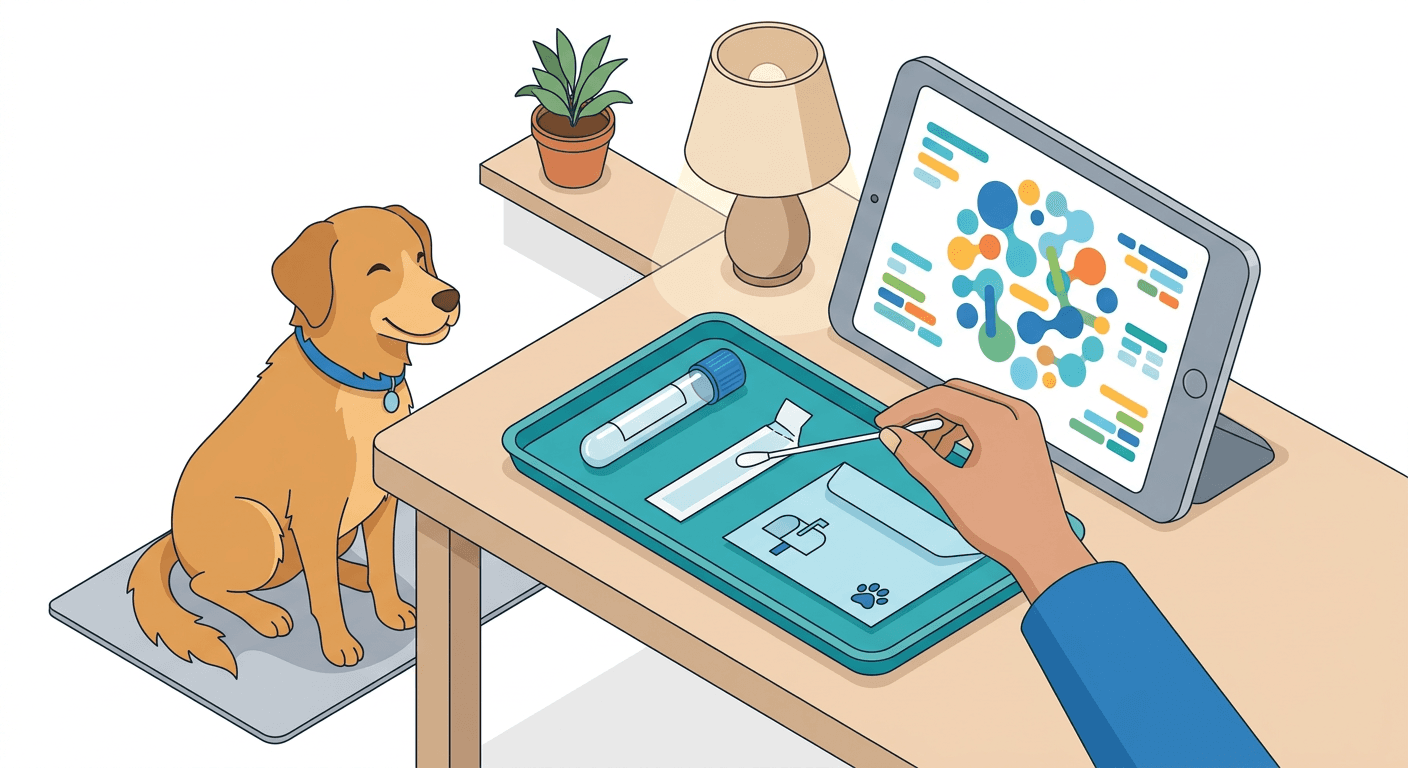
The process of microbiome testing is remarkably simple for the owner, though the science behind it is incredibly sophisticated. Most kits involve a non-invasive at-home collection—essentially using a small sterile swab or scoop to take a tiny sample of your dog’s stool. This sample is then sent to a specialized laboratory where technicians perform 16S rRNA sequencing. This technology identifies the unique genetic "barcodes" of the bacteria present in the sample, providing a comprehensive census of the microbial population.
When the results come back, they usually provide a "diversity score." In the world of the gut, diversity is king. A high-diversity microbiome is like a lush, resilient rainforest; if one species of tree gets sick, the forest survives. A low-diversity microbiome is more like a manicured lawn; if one weed takes over, the whole system collapses. The report will also compare your dog’s levels of key bacterial groups to a "healthy reference range" of thousands of other dogs. For example, if your dog is low in Fusobacteria, which are common in healthy carnivores, it may indicate they aren't efficiently digesting animal proteins. Conversely, an overgrowth of Proteobacteria is often a red flag for underlying inflammation or a diet too high in simple sugars and starches.
Turning Data into Dinner: Personalizing the Bowl
Once we have the data, the real magic happens in the kitchen. Personalized nutrition based on microbiome results isn't just about changing the brand of food; it’s about targeted modulation. If a test reveals a lack of fiber-fermenting bacteria, I don't just tell an owner to "add fiber." We look for specific "prebiotics"—the non-digestible fibers that act as food for the good bacteria. For a dog low in Bacteroides, we might introduce specific types of resistant starch or inulin to "fertilize" those specific populations.
We also use these results to determine if a dog needs a "reset" via targeted probiotics or even a fecal microbiota transplant (FMT) in severe cases. However, for most dogs, the changes are more subtle. We might find that a dog’s microbiome is perfectly suited for a moderate-fat diet but struggles with the high-fat content of many "premium" raw or wet foods. Or, we might discover that a dog’s gut is in a state of "starvation" because the highly processed kibble they are eating is being absorbed too early in the small intestine, leaving nothing for the beneficial bacteria in the hindgut to eat. In these cases, adding "whole food toppers" like steamed broccoli, blueberries, or fermented goat milk can provide the necessary substrates to bring the microbiome back into balance.
The Gut-Brain-Skin Connection: More Than Just Digestion
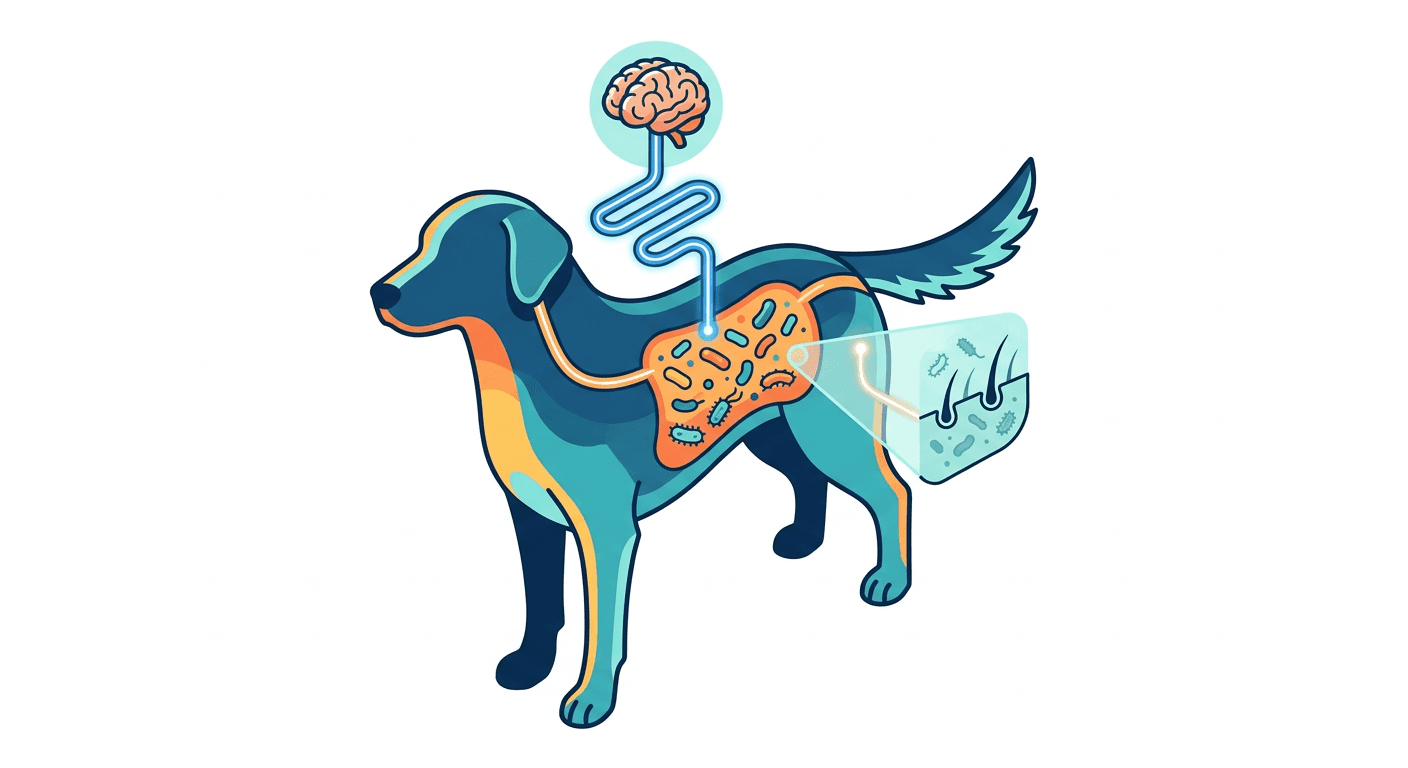
One of the most fascinating aspects of microbiome testing is its ability to shed light on issues that seem entirely unrelated to the stomach. We now know that the gut and the brain are in constant communication via the vagus nerve—a pathway often called the "gut-brain axis." Certain bacteria in the dog’s gut produce neurotransmitters like serotonin and dopamine. When I see a dog with chronic "leaky gut" or dysbiosis, I am rarely surprised to hear the owner report that the dog is also hyper-reactive or anxious. By healing the gut through a personalized diet, we often see a secondary, "miraculous" improvement in the dog’s temperament.
The same applies to the skin, the body’s largest organ. The "gut-skin axis" means that an inflamed, imbalanced microbiome often manifests as "hot spots," yeast infections in the ears, or paws that smell like corn chips (a sign of Pseudomonas or yeast overgrowth). Instead of reaching for another round of steroids or antibiotics—which can further decimate the beneficial gut flora—microbiome testing allows us to treat the root cause. By feeding the gut the specific nutrients it needs to maintain a strong mucosal barrier, we prevent the systemic inflammation that triggers these skin flare-ups in the first place.
When Should You Consider Testing?
While I believe every dog can benefit from a microbiome "check-up," there are specific scenarios where it becomes a vital diagnostic tool. If your dog suffers from "IBD-lite"—intermittent bouts of soft stool, gas, or a "picky" appetite—a microbiome test is often more revealing than standard blood work or ultrasounds. It is also an excellent tool for dogs who have recently undergone long-term antibiotic therapy, which can be like a "wildfire" for the gut's internal forest. Testing allows us to see exactly how much damage was done and create a "reforestation" plan to bring the gut back to health.
Even for seemingly healthy dogs, testing can be a proactive way to optimize longevity. By identifying a lack of diversity early, we can adjust the diet to prevent the chronic, low-grade inflammation that contributes to the diseases of aging, such as arthritis and cognitive decline. The cost of these tests has dropped significantly in recent years, making them an accessible part of a modern "wellness" toolkit. It is a small investment that moves us from the "guessing game" of the pet food aisle into the precise, evidence-based world of nutritional therapy.
The journey toward a healthier dog doesn't start with a flashy bag of food or a miracle supplement; it starts with an understanding of the unique biological world your dog carries inside them. Microbiome testing offers us a bridge between the clinical and the personal, allowing us to honor our dogs' individuality in the most fundamental way possible: through the fuel we provide them every single day. By listening to what their gut is telling us, we can ensure that our companions don't just live longer, but live better, with the vibrant energy and resilience that only a balanced microbiome can provide.
Common Questions
🤔
Frequently Asked Questions
What is the canine gut microbiome and why is it important?▼
The canine gut microbiome is a diverse community of microorganisms living in the large intestine that helps digest food, trains the immune system, and supports overall health. A balanced microbiome promotes efficient nutrient use and protective barriers, while imbalances can contribute to skin, digestive, and inflammatory issues. Microbiome testing reveals which microbes are present and their relative abundance, providing a more precise picture than symptoms alone. This information can guide targeted diet and management changes to improve long term health.
How does microbiome testing work for dogs?▼
The process starts with a simple at home stool collection using a sterile swab or scoop, which is then mailed to a lab. In the lab, 16S rRNA sequencing identifies the genetic signatures of the bacteria in the sample, creating a profile of the microbial community. The results show which bacteria are common, which are missing, and signals of imbalance, enabling tailored diet and management advice. The results can be used by veterinarians to craft a diet plan and monitor progress over time.
Can microbiome testing replace elimination diets or trial and error?▼
Microbiome testing can reduce guesswork by pointing to likely microbial culprits, but it does not replace clinical judgment and a comprehensive evaluation. Results should be interpreted with a veterinarian, considering allergies, digestion, and behavior. Implementing the recommended dietary adjustments and monitoring response is essential, and sometimes rechecking the microbiome after a period provides a useful update. Owners should understand that test results guide changes rather than guarantee a solution.
What should I expect after receiving results and making changes?▼
The veterinarian will translate the microbiome profile into a tailored diet plan and possible targeted supplements or fiber adjustments. Changes may involve new ingredients, portioning, or timing to support a healthier microbial balance. It typically takes weeks to months to see improvements in stool quality, skin symptoms, and energy, and follow up testing may be recommended. Consistent monitoring of signs and routine vet checkups helps track progress.