Blog4/8/2026
Microbiome-Friendly Nutrition for Senior Dogs: Thrive Longer
6 mins Read
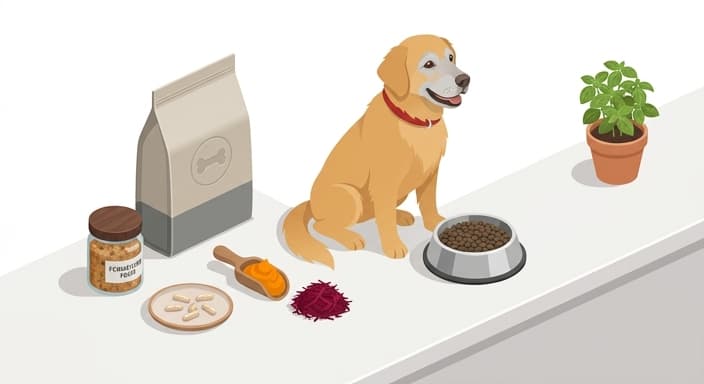
The Briefing
Quick takeaways for the curious
As dogs age, their gut microbiome diversity tends to decline, affecting digestion, immunity, and even behavior through the gut-brain axis.
A leaky gut and chronic low-grade inflammation are common in senior dogs when diets rely on ultra-processed fillers and inconsistent fiber, which can accelerate cognitive decline and mobility issues.
Digestive ease — prioritizing high-quality, bioavailable proteins and easier-to-digest carbohydrates — helps reduce undigested remnants that fuel fermentation and gas in the colon.
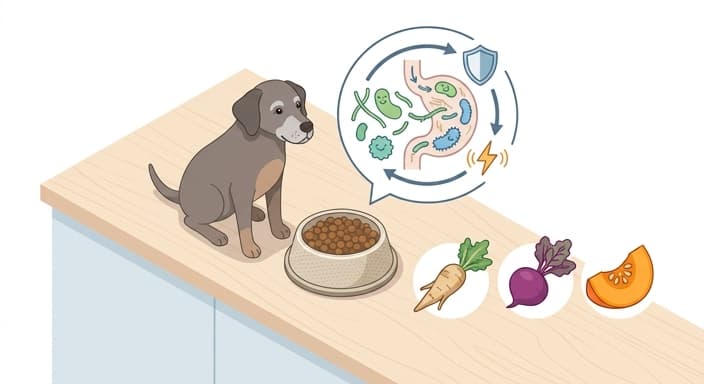
Targeted prebiotics like chicory root, beet pulp, and pumpkin support a diverse, beneficial microbial community crucial for metabolism and immune function in seniors.
Fermented foods and postbiotics offer safer, more reliable microbiome benefits for aging dogs than some probiotics, supporting gut health without overstressing a sensitive system.
There is a persistent, outdated myth in the veterinary community that a dog’s digestive health is a static feature of their youth, leading many owners to believe that as long as a senior pet is eating, they are receiving adequate nourishment. As a veterinarian consultant, I frequently speak with devoted pet parents who view their aging dog’s newfound sensitivities, bloating, or lethargy as an inevitable, unchangeable consequence of time, failing to realize that these are often the direct results of a shifting internal ecosystem that requires a targeted, microbiome-focused approach. We are finally moving toward a more sophisticated, proactive standard of geriatric care that leverages microbiome-friendly nutrition not as a specialized medical intervention, but as a foundational pillar of longevity, effectively closing the gap between a senior dog who is merely surviving their twilight years and one who is truly thriving with systemic vitality.
The Biological Reality of the "Aging Gut-Brain Axis"
To understand why microbiome-friendly nutrition is a non-negotiable requirement for the modern senior dog, we must first look at the biological reality of the aging gut. As our dogs enter their golden years, the diversity of the gut microbiota—the trillions of bacteria, fungi, and viruses living in the gastrointestinal tract—naturally begins to wane. This reduction in microbial diversity is not just a digestive issue; it is a systemic concern. The gut-brain axis, a complex communication network between the digestive tract and the central nervous system, relies on a healthy microbiome to produce neurotransmitters like serotonin and to regulate systemic inflammation.
In a senior dog, a diminished microbiome can lead to "leaky gut" syndrome, where the intestinal lining becomes more permeable, allowing endotoxins to enter the bloodstream. This triggers chronic, low-grade inflammation, which is the primary driver of age-related cognitive decline, stiffening joints, and weakened immune responses. Unlike a younger dog, whose robust microbiome acts as a shield against dietary stress, the senior dog’s ecosystem is fragile. When we feed them diets high in ultra-processed fillers or inconsistent fiber sources, we aren't just feeding a stomach; we are influencing the health of their entire body.
Why "Senior" Labels Often Miss the Mark
When browsing the aisles for senior-specific kibble, it is easy to get caught up in the marketing of "reduced calories" or "joint supplements." While these are important, they often overlook the actual mechanics of digestion. Many commercial senior foods are packed with complex carbohydrates that require significant enzymatic labor to break down. For an aging dog, whose production of digestive enzymes like lipase and protease may be naturally declining, these complex starches can become fuel for the wrong types of bacteria in the large intestine.
Instead of focusing solely on caloric restriction, we must shift our focus to "digestive ease." This means prioritizing high-quality, bioavailable proteins that are easily absorbed in the small intestine, leaving fewer undigested remnants to cause fermentation and gas in the colon. Furthermore, the inclusion of targeted prebiotics—non-digestible fibers that specifically feed beneficial bacteria—is essential. Ingredients like chicory root, beet pulp, and pumpkin act as fertilizers for the "good" microbes, helping to maintain a thriving, diverse colony that can support the senior dog’s metabolism and keep their immune system alert.
The Role of Fermented Foods and Postbiotics
One of the most exciting shifts in veterinary nutrition is the recognition of fermented foods and postbiotics as tools for geriatric wellness. While many owners are familiar with probiotics—the live, beneficial bacteria themselves—the reality is that these microbes can be difficult to introduce into an aging dog’s sensitive system. Instead, we are looking at postbiotics: the bioactive compounds produced by beneficial bacteria during fermentation.
By incorporating small, controlled amounts of plain, unsweetened kefir or fermented vegetables (like sauerkraut without salt or onions) into a senior dog’s diet, we provide them with the enzymes and microbial byproducts they are no longer producing in sufficient quantities on their own. These "pre-digested" nutrients reduce the metabolic load on the pancreas and liver, allowing the body to redirect its energy toward repair and maintenance. However, it is imperative to introduce these slowly. The senior microbiome is sensitive to change, and a "less is more" approach is the golden rule when transitioning to a gut-healthy diet.
Managing Inflammation Through Microbial Diversity
Chronic inflammation is the invisible thief of a senior dog’s vitality, and the microbiome is the front line of defense. A diverse gut ecosystem produces short-chain fatty acids (SCFAs) like butyrate, which is a primary energy source for the cells lining the colon and a powerful anti-inflammatory agent. When the microbiome is imbalanced, butyrate production drops, and the body’s inflammatory response goes into overdrive.
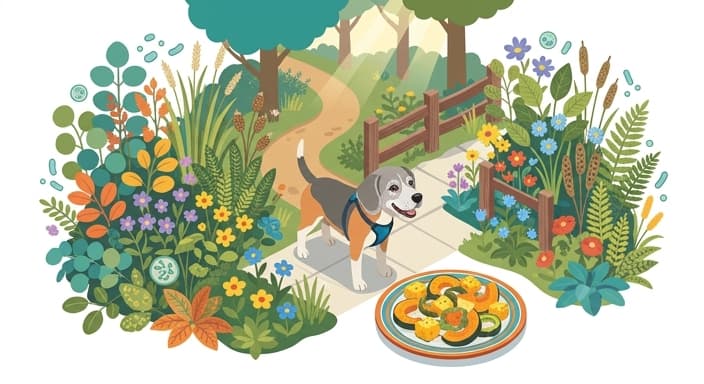
To support this, we must move away from monochromatic diets. Feeding the same bag of food for years on end may have been convenient, but it limits the microbial variety in the gut. By rotating through high-quality, gently cooked proteins and introducing varied, dog-safe fiber sources like leafy greens, blueberries, and cooked squash, we "exercise" the microbiome. This variety encourages a wider range of bacterial species to flourish, creating a more resilient ecosystem that is better equipped to handle the stresses of aging. Think of the microbiome as a garden; if you only plant one type of flower, the ecosystem is vulnerable to disease. If you plant a diverse meadow, it becomes self-sustaining and robust.
Practical Steps for a Microbiome-Friendly Transition
Transitioning a senior dog to a more gut-conscious diet should never be a radical overnight event. Because their internal systems are often accustomed to a specific, perhaps less-than-ideal, diet, sudden changes can cause gastric distress that mimics illness. Start by identifying the "base" of their current diet and slowly replacing 10% of their meal with a higher-quality, whole-food alternative every few days.
Monitoring is key. Keep a simple "gut diary" for your dog. Note their energy levels, the quality and frequency of their stool, and any changes in coat sheen or skin sensitivity. If you notice an increase in flatulence or a change in stool consistency, that is a clear signal to slow down the transition. Additionally, consider consulting with a veterinary nutritionist to discuss the use of specific, canine-tested probiotic strains. Not all probiotics are created equal; some strains are specifically formulated to support the immune system, while others are geared toward digestive regularity. By tailoring the microbial support to your dog’s specific symptoms, you move from "guessing" to "healing."
The Future of Aging with Grace
The goal of microbiome-friendly nutrition is not to turn back the clock on biological aging, but to ensure that the time our dogs have is spent in comfort and vitality. By acknowledging the gut as the epicenter of health, we empower ourselves to make better, more informed choices for our senior companions. When we nourish the microbiome, we are doing more than just filling a bowl; we are supporting the immune system, sharpening the mind, and soothing the joints. As you look at your senior dog resting by your feet, remember that their health is an ongoing conversation between the food you choose and the trillions of tiny allies living within them. With a little intentionality and a commitment to gut health, you can ensure that their golden years are truly their best years.
Common Questions
🤔
Frequently Asked Questions
What does microbiome-friendly nutrition mean for a senior dog?▼
Microbiome-friendly nutrition focuses on maintaining a diverse and resilient gut microbiota through easily digestible, high-quality proteins, thoughtfully chosen fiber sources, and prebiotics to feed beneficial bacteria. It aims to support the gut-brain axis and reduce systemic inflammation that can accompany aging. This approach treats the gut as a foundational pillar of overall health.
Why is the aging gut-brain axis important in senior dogs?▼
As dogs age, changes in the gut microbiome can affect neurotransmitter production and inflammatory regulation. A fragile gut can contribute to cognitive decline, joint stiffness, and weaker immunity through a leaky gut and chronic inflammation. Dietary choices that support a healthy microbiome help mitigate these systemic effects.
How can I balance prebiotics and digestibility in my dog's diet?▼
Choose foods that provide easily absorbed proteins and digestible energy, while including targeted prebiotics like chicory root, beet pulp, and pumpkin. Avoid diets heavy in complex carbohydrates that demand more digestive enzymes than an aging gut can comfortably produce. Monitor stool quality, appetite, and energy, adjusting fiber sources as needed.
Should I rely on probiotics for my senior dog?▼
Probiotics can be less predictable in older dogs, and some may not tolerate live bacteria well. Postbiotics and fermented foods offer microbiome-supporting benefits without introducing live organisms, though you should discuss with your vet before starting new items. If probiotics are used, select strains with evidence of benefit and introduce them gradually while watching for adverse reactions.