Blog5/1/2026
Managing Pet Separation Anxiety Through Enrichment
6 mins Read
The Briefing
Quick takeaways for the curious
Separation anxiety is a neurological response, not simply a behavioral choice, and it benefits from targeted enrichment as a therapeutic intervention.
Left-aloneness triggers the amygdala and stress hormones, but enrichment can shift brain activity toward cognitive centers, helping pets stay calmer when you depart.
The Lick and Sniff protocol uses low-arousal, sensory activities like licking and foraging to activate the parasympathetic system and reduce arousal before you leave.
Consistent use of tools such as lick mats and snuffle mats provides a structured, therapeutic experience rather than a chaotic distraction.
A well-designed Decompression Zone reframes departure space as a safe, calming environment that supports long-term resilience to isolation distress.
There is a persistent, outdated myth in the modern pet care community that separation anxiety is simply a "behavioral choice" or a sign of a pet’s lack of discipline. As a veterinarian consultant, I frequently speak with well-meaning pet parents who are surprised to learn that the frantic pacing, destructive chewing, and inconsolable vocalization their pets exhibit when left alone are actually manifestations of a genuine panic disorder—a neurological response to the sudden loss of a secure social anchor. We are finally moving toward a more sophisticated, holistic standard of pet wellness that views strategic enrichment not as a mere distraction, but as a vital therapeutic intervention, effectively closing the gap between a pet prone to acute isolation distress and one who possesses the neurological resilience to remain calm and self-soothed in our absence.
The Neurobiology of Isolation: Why Panic Happens
To understand why enrichment represents a paradigm shift for our domestic companions, we must first demystify their biological blueprint. Whether you share your home with a Velcro-like Vizsla or a bonded pair of shelter cats, these animals are social creatures by design. In the wild, isolation is not just a nuisance; it is a profound survival risk. When we leave our homes for work or errands, we aren't just leaving a room; we are creating a sensory void where a pet’s primary source of security—their social leader—has vanished.
When an anxious pet is left alone, their amygdala—the brain’s alarm center—triggers a massive release of cortisol and adrenaline. This "fight or flight" response is why they scratch at door frames or howl; they are physically attempting to bridge the distance between themselves and their guardian. Enrichment acts as a "neurological bridge." By providing specific, low-arousal tasks that engage their senses, we can shift their brain activity from the reactive, emotional centers (the amygdala) to the cognitive, executive centers (the prefrontal cortex). When a pet is busy sniffing, licking, or problem-solving, their brain is physically incapable of maintaining a state of full-blown panic.
The "Lick and Sniff" Protocol: Engaging the Parasympathetic System
When a pet is in a state of high anxiety, we must avoid high-energy enrichment. Throwing a ball or engaging in a chaotic game of tug-of-war while you are trying to leave the house will only increase their heart rate and arousal levels. Instead, we must prioritize activities that trigger the parasympathetic nervous system—the "rest and digest" mechanism.
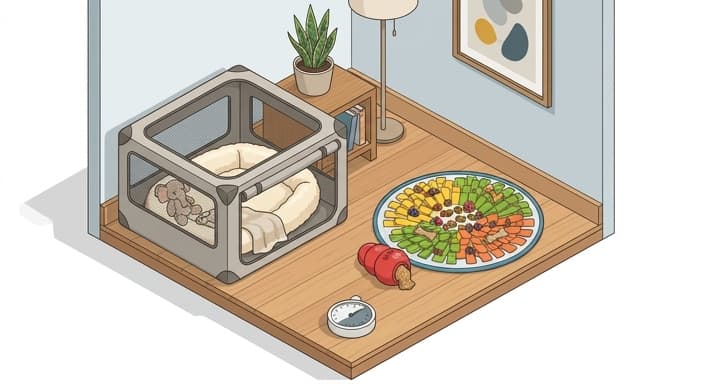
Research in canine and feline behavior has shown that rhythmic, repetitive actions like licking and foraging significantly lower a pet's heart rate. This is why "lick mats" and "snuffle mats" have become staples in modern veterinary behavior clinics. These tools are not just toys; they are therapeutic instruments. When a pet licks, they release endorphins that induce a state of mild sedation. By preparing a frozen treat-stuffed toy or a snuffle mat filled with high-value, healthy snacks precisely five minutes before you depart, you are essentially "capping" the pet’s anxiety before it has the chance to spike. You are replacing the anticipation of your absence with the anticipation of a rewarding, sensory-rich experience.
Creating a Decompression Zone: Designing the Environment
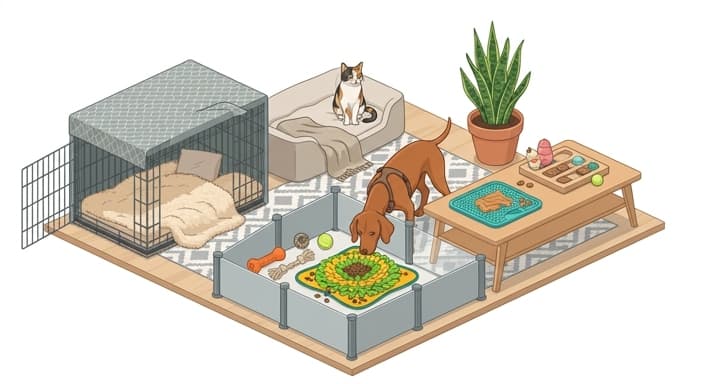
Enrichment is not just about what we give the pet; it is about where the pet spends their time. If your dog or cat associates the front door or the living room with the "panic of departure," we need to reframe that space. Creating a "Decompression Zone" involves setting up a specific area—a crate, a playpen, or a cozy bedroom—that is exclusively reserved for positive, calming experiences.
This space should be enriched with items that provide comfort and cognitive engagement. For dogs, this might include a variety of chew textures, such as safe, large-animal bones or durable rubber puzzle toys that require gentle jaw work. For cats, this could mean an elevated "cat highway" with hidden treat puzzles tucked away in corners, encouraging them to forage rather than wait by the window. The goal is to make the environment feel like a sanctuary rather than a prison cell. By consistently pairing your departure with the delivery of a high-value, long-lasting enrichment item, you are utilizing a process called counter-conditioning. Over time, the sound of your keys or the sight of you putting on your coat stops signaling "the end of the world" and begins to signal "the start of a fun, private activity."
The "Departure Ritual" vs. The "Arrival Ritual"
One of the most common mistakes I see in clinical practice is the "big goodbye" and the "big hello." We want to reassure our pets, so we shower them with affection, talk to them in high-pitched voices, and offer heavy snuggles right before we walk out the door. Unfortunately, this creates a massive emotional contrast. We are essentially telling the pet, "Everything is wonderful and you are the center of my universe," and then immediately stripping that away.
The most effective enrichment strategy for separation anxiety is actually a "bland departure." Keep your goodbye interactions low-key and quiet. Place your pet’s pre-prepared enrichment toy in their designated area, give a calm, brief pat, and leave without fanfare. By keeping the departure neutral, you prevent the pet from entering a state of hyper-vigilance. Conversely, save your high-energy, celebratory greetings for when you have been home for at least ten minutes and the pet is in a calm, settled state. This reinforces the idea that you are not a source of constant, frantic stimulation, but a calm, steady presence that returns reliably.
Beyond the Toy: Auditory and Olfactory Enrichment
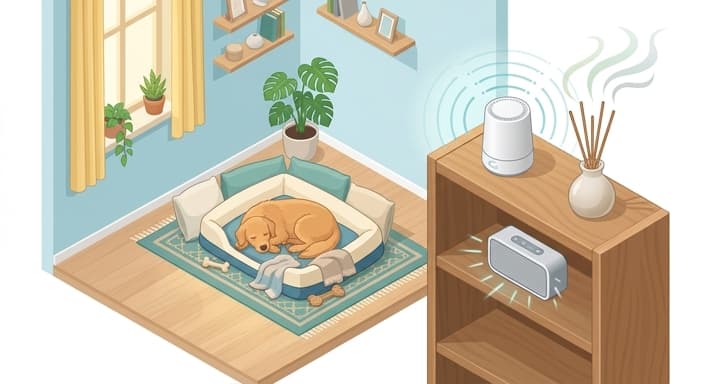
We often forget that a pet’s world is dominated by smell and sound, not just vision. When you are gone, the silence of a house can be deafening and unsettling for an anxious animal. Auditory enrichment, such as white noise machines, classical music, or specifically designed "calming" pet podcasts, can mask the outside noises that might otherwise trigger a guarding or anxious response.
Similarly, olfactory enrichment is an underutilized tool. Placing a worn t-shirt that smells like you in their sleeping area can provide a sense of safety, but we can take this further. Consider using subtle, pet-safe pheromone diffusers (like D.A.P. for dogs or Feliway for cats) in the room where your pet spends most of their time. These synthetic mimics of natural maternal or social pheromones send a chemical signal to the brain that the environment is safe and familiar. When combined with the food-based enrichment mentioned earlier, you are creating a multi-sensory bubble of security that makes your absence feel far less threatening.
Consistency as the Ultimate Intervention
While these enrichment strategies are powerful, they are not a "quick fix" or a magic button for severe cases of separation anxiety. For pets suffering from genuine panic, enrichment must be part of a broader, professional treatment plan that may include desensitization training—the slow, gradual process of increasing the time you are away—and, in some cases, veterinary-prescribed medication.
However, even when medical or behavioral intervention is required, enrichment remains the bedrock of success. It provides the pet with a constructive outlet for their energy and a way to navigate their own emotions. By treating our pets as the complex, intelligent, and sensory-driven creatures they are, we stop looking for ways to "fix" their behavior and start looking for ways to support their wellness. When we provide them with the right tools to engage their minds and soothe their nerves, we don't just manage their anxiety—we help them build the confidence to thrive, even when the house is quiet and they are on their own.
Common Questions
🤔
Frequently Asked Questions
What is the role of enrichment in managing separation anxiety, and why does it work?▼
Enrichment serves as a therapeutic intervention that engages a pet’s senses and cognitive functions, reducing the brain’s reliance on panic responses when left alone. By providing structured, low-arousal activities, it helps shift neural activity from the amygdala to the prefrontal cortex, promoting calm behavior. This approach treats separation distress as a solvable condition rather than a moral deficiency, improving long-term resilience.
How does the Lick and Sniff protocol work, and how can I implement it before leaving the house?▼
The protocol prioritizes slow, sensory engagement over high-energy play. Use a frozen treat-stuffed toy or a snuffle mat five minutes before you depart to trigger licking and foraging, which releases endorphins and fosters a parasympathetic, rest-and-digest state. Avoid chaotic games that raise heart rate, and tailor the enrichment to your pet’s preferences and dietary needs.
What is a Decompression Zone and how should I set one up?▼
A Decompression Zone is a dedicated space where your pet can experience positive, calming activities away from the front door and other departure cues. Equip it with safe chew textures, puzzle toys, a cozy bed, and familiar scents to create cognitive engagement without overstimulation. The goal is to associate this space with safety and calm, not with leaving or isolation.
What common mistakes should I avoid when using enrichment to manage separation anxiety?▼
Avoid high-energy activities immediately before leaving, which can increase arousal. Don’t rely on treats or toys alone without building a routine or considering the pet’s medical and age-related needs. Be consistent, tailor enrichment to the individual animal, and integrate gradual departures to build resilience over time.