Blog4/13/2026
Managing Pet Separation Anxiety During Travel: Effectively
6 mins Read
The Briefing
Quick takeaways for the curious
Travel anxiety in pets is a physiological stress response, not a character flaw, and it can be managed with proactive strategies rather than tolerated as 'the price of adventure'.
Understanding the neurobiology behind travel-induced fear helps owners respond with empathy and implement evidence-based interventions such as desensitization and counter-conditioning.
Desensitization and counter-conditioning should start well before any trip, gradually pairing the travel environment with positive experiences to shift the pet's emotional response.
Pheromones and calming aids can support a multimodal plan, but they work best when used consistently and as part of a broader behavior modification strategy.
A comprehensive travel wellness plan includes predictable routines, environmental cues, positive reinforcement, and professional guidance when anxiety is severe or persistent.
There is a persistent, outdated myth in the modern pet care community that a pet’s distress during travel—evidenced by panting, pacing, destructive behavior, or vocalization—is simply "the price of adventure" or an unavoidable byproduct of taking an animal out of their comfort zone. As a veterinarian consultant, I frequently speak with well-meaning pet parents who view their companion’s travel anxiety as an insurmountable character flaw, failing to realize that this panic is a genuine physiological stress response that can be managed, mitigated, and often entirely resolved with the right strategy. We are finally moving toward a more sophisticated, proactive standard of travel wellness that treats a pet’s emotional stability not as a stroke of luck, but as a foundational pillar of the travel experience, effectively closing the gap between a pet who experiences travel as a traumatic exile and one who views the open road as a gateway to new, shared adventures.
The Neurobiology of Panic: Why Travel Triggers Separation Anxiety
To understand why travel is such a profound stressor, we must look at the "behavioral landscape" of the canine and feline brain. Pets are masters of routine; their sense of security is deeply tethered to predictable environments, scent markers, and the presence of their primary caregivers. When a pet is removed from their home and placed into the unpredictable, high-sensory environment of a car, plane, or hotel room, their amygdala—the brain’s fear center—can become hyper-activated.
For pets with underlying separation anxiety, travel acts as a catalyst that exacerbates their fear of abandonment. They do not understand that the change in scenery is temporary; they perceive the loss of their "territory" as a loss of safety. This triggers a surge in cortisol and adrenaline, leading to the "fight, flight, or freeze" response. Recognizing that this behavior is not "bad" or "spiteful" but rather a clinical manifestation of acute stress is the first step toward becoming a more empathetic and effective travel partner.
Desensitization and Counter-Conditioning: The Foundation of Calm
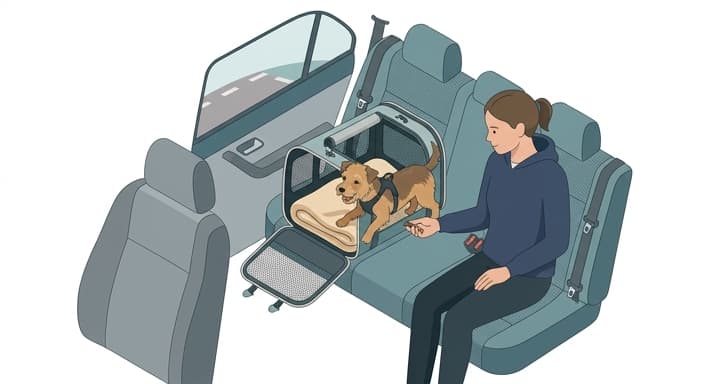
If you want your pet to view travel as a positive experience, you must begin the process long before you pack your bags. We call this systematic desensitization. The goal is to break the association between the "car" (or carrier) and the "stress event." Start by letting your pet explore the vehicle or travel carrier while it is parked in the driveway or sitting in the living room. Reward them with high-value treats, praise, or a favorite toy every time they interact with the space.
Counter-conditioning takes this a step further by changing the emotional response to the travel environment. Instead of the car being a scary metal box, it becomes a "treat factory." If your pet has a specific high-value reward—such as a puzzle toy filled with frozen peanut butter or a long-lasting chew—reserve that item exclusively for travel-related activities. By pairing the perceived threat (travel) with an intensely pleasurable experience (the treat), you slowly rewrite the pet’s neurological response. Over time, the sight of a suitcase or a carrier should trigger the anticipation of a snack rather than the onset of a panic attack.
The Role of Pheromones and Calming Aids
In my clinical practice, I often recommend a multimodal approach to anxiety management, which includes the use of synthetic pheromones. For dogs, this involves products that mimic the "dog-appeasing pheromone" (DAP) that a mother emits to calm her puppies. For cats, feline facial pheromone analogs are exceptionally effective at signaling that an environment is safe and familiar. These are available as sprays, wipes, or collar attachments and can be applied to blankets, carriers, or even the upholstery of your car 15 to 30 minutes before departure.
While pheromones are a fantastic, non-invasive starting point, some pets require additional support. If your pet’s anxiety remains severe despite behavioral training, speak with your veterinarian about nutraceuticals—such as L-theanine, alpha-casozepine, or broad-spectrum CBD (where legal and approved by your vet)—or, in extreme cases, short-term anti-anxiety medications. These are not "knock-out" drugs; rather, they are designed to lower the threshold of the pet's stress response, allowing them to remain calm enough to actually learn and benefit from your desensitization training.
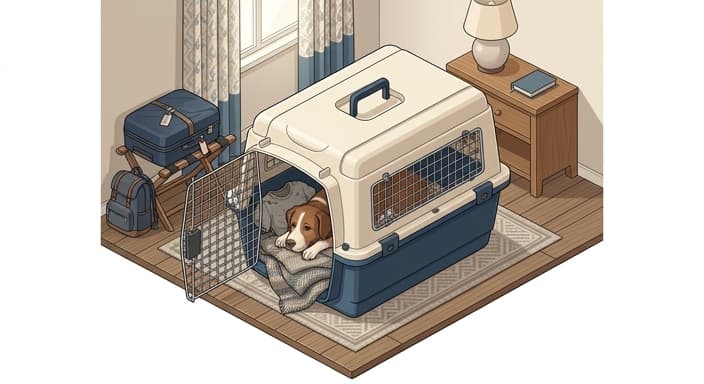
Creating a "Safe Haven" on the Go
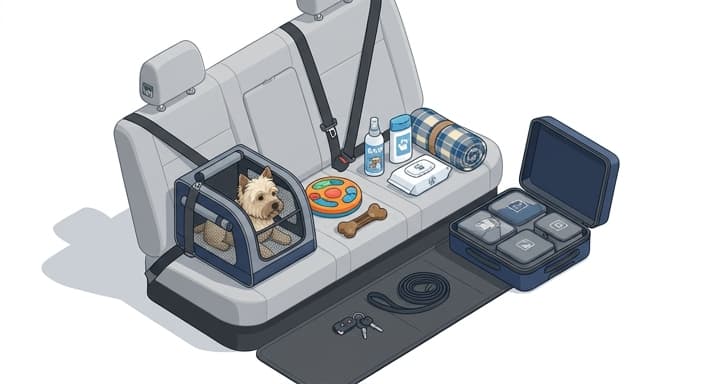
A common mistake pet parents make is assuming that more space equals more comfort. In reality, when a pet is anxious, they often crave the security of a smaller, den-like space. Whether you are driving or flying, ensure your pet has a dedicated, secure enclosure that smells like home. This might mean placing a dirty t-shirt that carries your scent inside their carrier or bringing their favorite bed from home.
Consistency is your greatest ally. When you arrive at a hotel or a friend's house, set up this "safe haven" immediately. By recreating the familiar olfactory environment of home, you provide a psychological anchor that helps your pet navigate the strange new surroundings. Avoid the urge to constantly coddle a panicking pet, as this can inadvertently reinforce the behavior; instead, provide a calm, quiet space where they can retreat if they feel overwhelmed, and reward them when they choose to emerge and engage with you on their own terms.
Managing Expectations: The Importance of Physical and Mental Exhaustion
An anxious pet is often a pet with too much nervous energy. Before any long trip, it is vital to prioritize physical and mental stimulation. A tired pet is significantly more likely to settle down and sleep during transit. I recommend a long, sniff-heavy walk or an intense session of fetch roughly an hour before departure. The "sniffing" component is crucial—the act of olfactory processing is deeply mentally taxing for dogs, helping to burn off excess adrenaline.
For cats, interactive play with a wand toy can help release built-up tension. When you arrive at your destination, do not expect them to immediately relax. Factor in extra time for "decompression" in a quiet room. By acknowledging that your pet is experiencing a major lifestyle disruption, you can adjust your travel itinerary to be more pet-centric. Remember, the goal of travel with a pet is not to hit every tourist destination on your list, but to enjoy the shared experience of discovery at a pace that keeps your companion's nervous system in balance.
Ultimately, managing separation anxiety during travel is an exercise in patience and intentionality. By moving away from the mindset of "just getting through the trip" and toward a philosophy of proactive emotional support, you transform the journey from a source of stress into a rewarding bonding experience. With the right preparation—combining desensitization, pheromone therapy, and a consistent safe-haven routine—you can help your pet navigate the world with confidence, proving that the best part of traveling is being able to share those new horizons with your best friend by your side.
Common Questions
🤔
Frequently Asked Questions
Why does travel trigger separation anxiety in some pets?▼
Travel disrupts a pet's sense of safety and routine, and the amygdala can become hyperactive in unfamiliar, high-sensory environments. This triggers cortisol and adrenaline, which fuel fight, flight, or freeze responses rather than a conscious 'misbehavior'. Understanding this as a stress response helps owners respond with patience and a structured plan rather than punishment.
What are desensitization and counter-conditioning, and how do I start?▼
Desensitization slowly exposes your pet to the travel-related stimuli, beginning with calm, controlled exposure in a parked car or at home and rewarding calm interactions. Counter-conditioning pairs the travel environment with highly desirable rewards so the pet begins to anticipate travel with pleasure rather than fear. Consistency is key: gradually increase exposure and maintain a predictable routine until the positive associations are well-established.
How do pheromones and calming aids fit into a travel plan?▼
Pheromone products provide a non-invasive way to signal safety and can reduce baseline arousal when used as part of a broader plan. They are most effective when applied 15 to 30 minutes before departure and used alongside familiar toys, treats, and a planned routine. While helpful, pheromones and calming aids are not a substitute for desensitization or veterinary guidance; they support a multimodal approach.
When should I seek professional help for travel anxiety?▼
Seek professional help when anxiety is severe, persistent, or interferes with safe travel or daily life for your pet. A veterinary behaviorist or experienced trainer can design a stepwise, individualized program and may recommend medical management if appropriate. Early intervention often leads to better outcomes and a more enjoyable travel experience for both you and your pet.