Blog3/19/2026
Hydrating Summer Treats for Senior Dogs: Gentle Hydration
7 mins Read
The Briefing
Quick takeaways for the curious
Hydration for senior dogs is a critical pillar of health in hot months, not just a matter of water bowl availability.
Hypodipsia reduces thirst drive in aging dogs, so hydration must be delivered through appealing, moisture-rich treats.
Water-rich fruits and vegetables like watermelon and cucumber support hydration while offering antioxidants and dental-friendly texture.
For dental health and comfort, avoid hard ice and use soft-freeze methods to create cool chewable treats.
Tailoring treats to lower calories and easy digestion helps manage weight and joint comfort while boosting hydration.
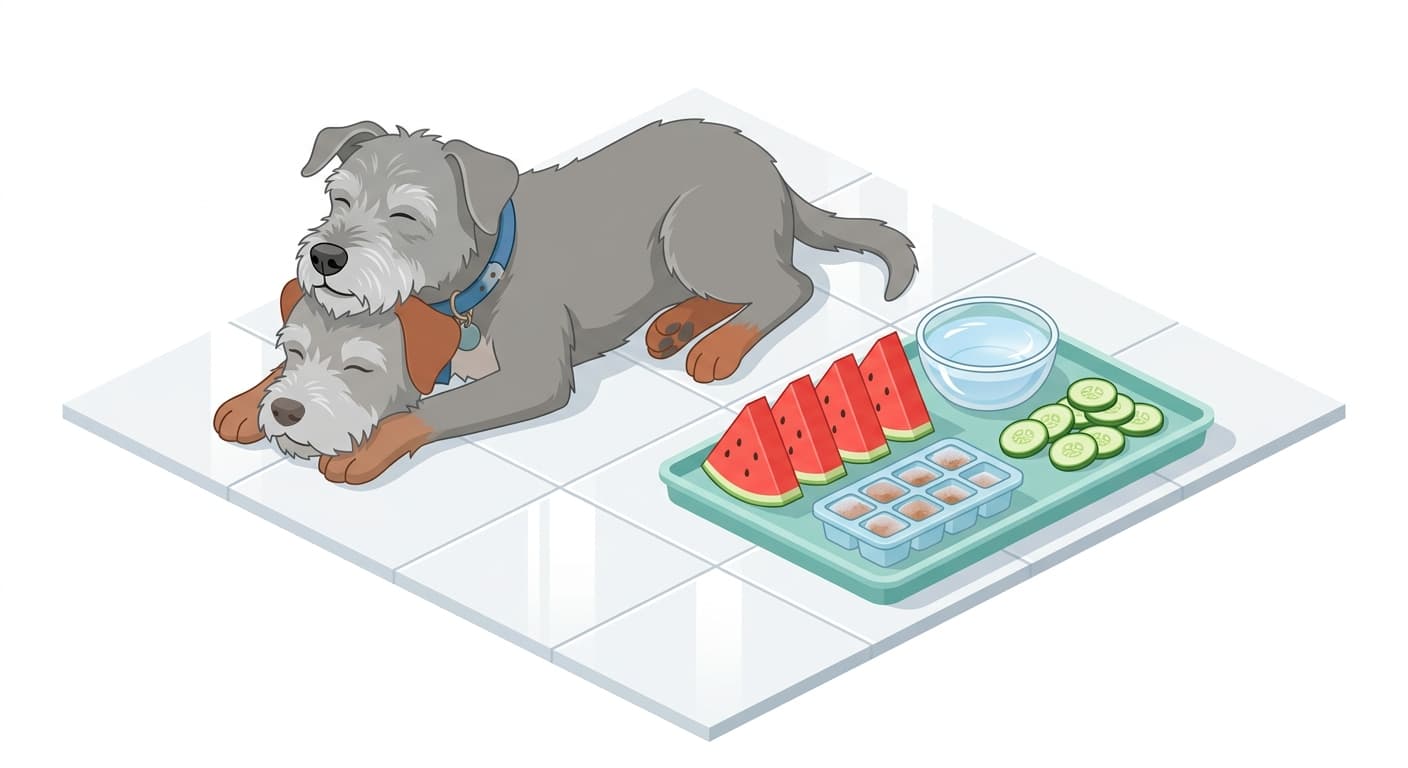
There is a specific, gentle vulnerability in a senior dog during the height of summer—the way they seek out the cool tile with a heavy sigh, or the quiet struggle to stay comfortable as the humidity settles into their aging joints. As a veterinarian, I often remind my clients that for an older dog, hydration isn't just about keeping a full water bowl; it is a critical pillar of organ longevity and metabolic stability during the most taxing season of the year. The goal of a summer treat for a senior isn't merely to provide a moment of joy, but to offer a functional "hydration boost" that supports their waning thirst drive while nourishing their silver years.
The Biological Blueprint: Why Senior Dogs Struggle with Summer Hydration
To understand why we must be intentional with summer treats, we have to look at the physiological shifts occurring within the aging canine body. One of the most significant yet overlooked changes is a phenomenon known as "hypodipsia," or a naturally occurring decrease in the thirst drive. In my clinical experience, I’ve seen many senior dogs who are physically dehydrated but lack the neurological "urge" to walk to their water bowl. This is compounded by the fact that aging kidneys often lose their ability to concentrate urine as effectively as they once did, meaning these dogs are losing water more rapidly than their younger counterparts, even while they are drinking less.
Furthermore, mobility issues like osteoarthritis can turn a trip to the water bowl into a painful chore. A dog with stiff hips may choose to stay lying down in a hot spot rather than endure the discomfort of standing and walking to the kitchen. This creates a dangerous cycle where dehydration leads to lethargy, which leads to further heat retention. By integrating hydrating treats into their daily routine, we are essentially "sneaking" moisture into their system in a high-value format that overcomes their lack of thirst and rewards them for staying hydrated. We are moving from a passive hydration model (the bowl) to an active hydration model (the treat).
Nature’s Hydrators: The Best Whole-Food Ingredients for Aging Pups
When selecting ingredients for a senior dog’s summer snack, we must prioritize foods with high water content that are also easy on the digestive tract and low in calories. Obesity is the enemy of the senior dog’s joints, so "empty calorie" treats are off the table. Instead, we look toward specific fruits and vegetables that offer a nutritional "bonus" alongside their moisture.
Watermelon is often the undisputed king of summer treats, and for good reason. Composed of approximately 92% water, it provides an immediate hydration hit. More importantly for seniors, it contains lycopene and vitamin A—antioxidants that help combat the oxidative stress that accelerates cellular aging. When serving watermelon, it is vital to remove all seeds and the rind, as the senior digestive system is less resilient against the fiber-heavy, potentially obstructive nature of the rind.
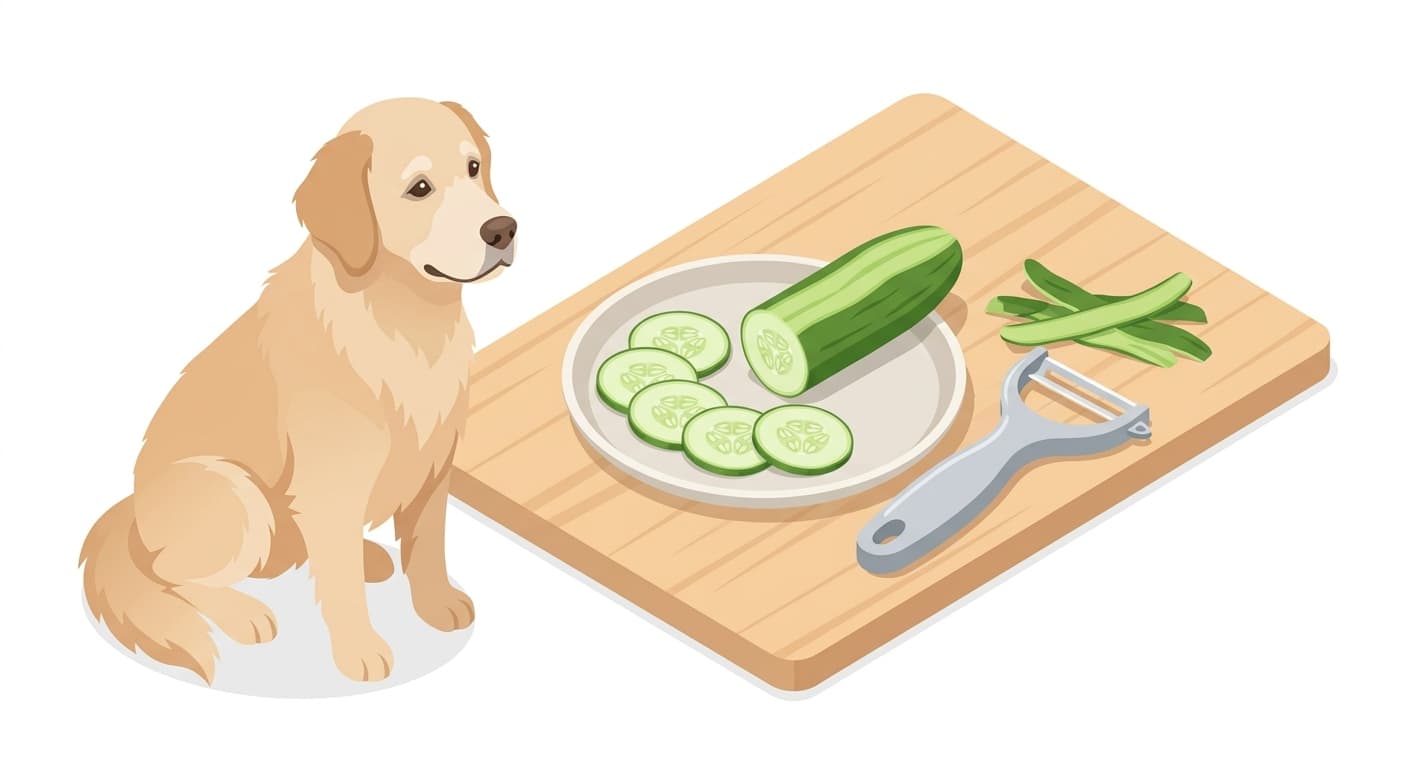
Cucumber is another clinical favorite of mine. It is incredibly low-calorie, making it the perfect "guilt-free" snack for dogs prone to weight gain. Cucumbers contain phytochemicals that can help freshen "old dog breath" by killing bacteria in the mouth, and their crisp texture provides a satisfying crunch without the dental risk of hard, dried biscuits. For dogs with missing teeth or sensitive gums, peeling the cucumber and slicing it into thin, translucent rounds makes it manageable and refreshing.
The Art of the "Soft-Freeze": Protecting Senior Dental Health
A common mistake I see well-meaning owners make is giving their senior dogs large, solid ice cubes to chew on. While refreshing, senior teeth are often more brittle and prone to slab fractures. Years of wear can leave the enamel thin, and a hard bite down on a solid ice block can result in an expensive and painful trip to the veterinary dentist. The solution is the "soft-freeze"—a treat that is cold enough to lower the core body temperature but soft enough to be mashed with a spoon or gummed by a dog with dental disease.
One of the most effective bases for these treats is high-quality, sodium-free bone broth. In the veterinary world, we prize bone broth not just for its moisture, but for its naturally occurring collagen and glucosamine, which provide foundational support for joint cartilage. To create a senior-safe summer treat, pour the broth into silicone molds rather than standard hard plastic trays. Silicone allows you to create smaller, bite-sized portions that are easier to manage.
You can also utilize plain, unsweetened Greek yogurt or goat milk as a base. Goat milk is particularly excellent for seniors because it contains smaller fat globules than cow’s milk, making it significantly easier to digest for dogs with age-related digestive sensitivities. By blending goat milk with a handful of blueberries—which are packed with anthocyanins that support cognitive function—and freezing the mixture into a "slushy" consistency, you are providing a treat that cools the body while fueling the brain.
Strategic Supplementation: Infusing Treats with Functional Medicine
Summer treats provide a unique opportunity to sneak in supplements that a senior dog might otherwise pick out of their kibble. The heat of summer can increase systemic inflammation, making joint pain more pronounced. By incorporating anti-inflammatory ingredients into frozen treats, we can turn a snack into a therapeutic intervention.
Fresh ginger, for instance, is a powerful natural anti-inflammatory and a wonderful digestive aid for older dogs who may experience "sour stomach" or nausea during high-heat days. A tiny amount of grated ginger mixed into a frozen pureed pumpkin treat can do wonders. Pumpkin is a senior dog staple; its high soluble fiber content helps regulate bowel movements, which can become irregular as a dog’s activity level drops in the heat.
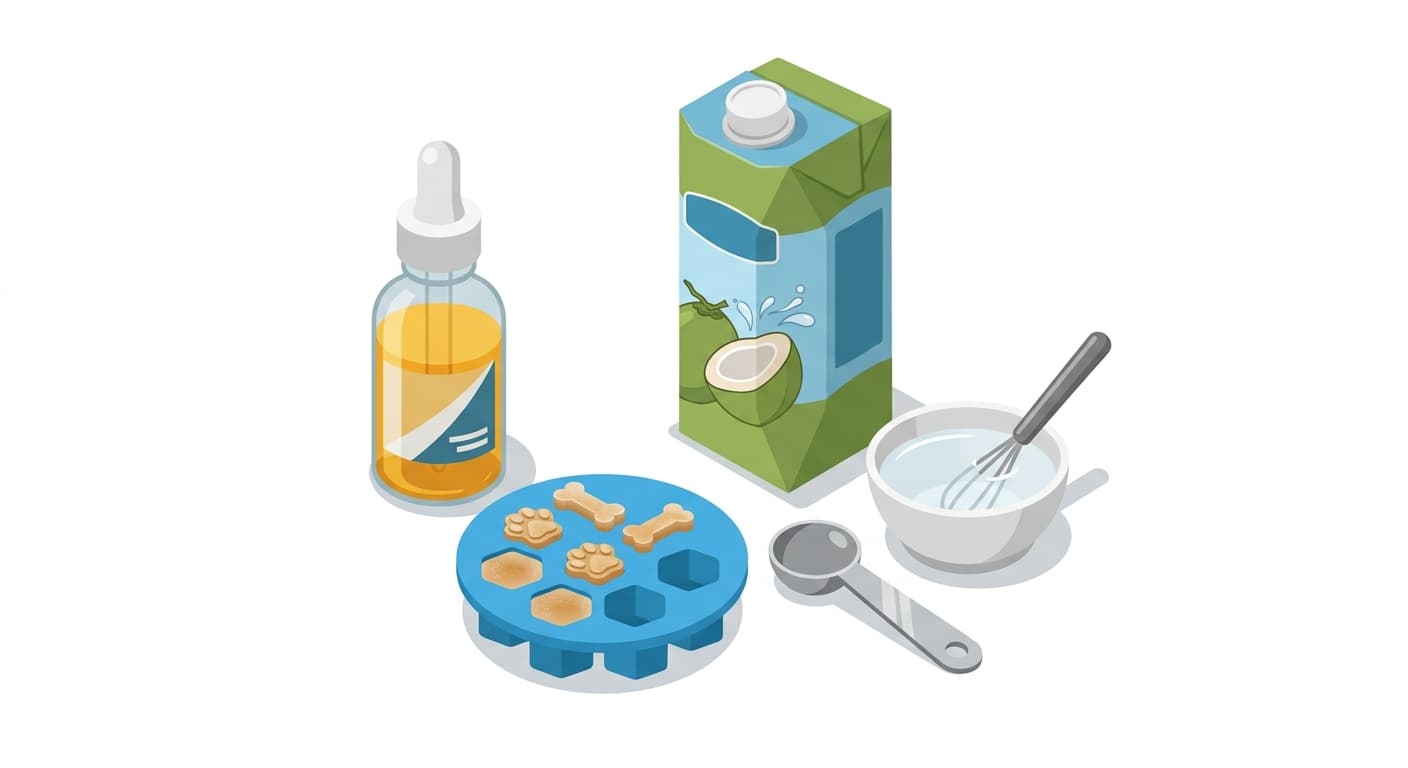
Omega-3 fatty acids, typically found in fish oil, are also critical for the senior dog's skin, coat, and joint health. However, fish oil can go rancid quickly if left in a warm bowl. Mixing a veterinarian-approved dose of fish oil into a frozen treat ensures the fats stay stable and are consumed immediately. When these oils are frozen into a base of coconut water (which is rich in electrolytes like potassium and magnesium), you create a "sports drink" equivalent for dogs that helps maintain the delicate balance of fluids within their cells.
Safety First: Avoiding Summer Toxins and Temperature Shocks
While we want to keep our seniors cool, we must be mindful of "temperature shock." In rare cases, giving a very hot dog a large amount of ice-cold water or frozen treats can trigger a spasm in the stomach or contribute to gastric upset. The goal is a steady, gradual cooling. If your dog has just come in from a walk in the sun, wait 10 to 15 minutes for their panting to slow down before offering a frozen treat. This allows their internal systems to stabilize first.
It is also the season of backyard barbecues, which means more opportunities for dogs to ingest dangerous "human" treats. As a vet, I cannot emphasize enough the danger of Xylitol (or birch sugar), often found in "sugar-free" yogurts or peanut butters used for DIY treats. In seniors, the liver failure triggered by Xylitol can be rapid and fatal. Always double-check your labels. Similarly, while we are focused on hydrating fruits, grapes and raisins must be strictly avoided as they cause acute kidney failure—a risk that is even higher in seniors who may already have stage 1 or 2 chronic kidney disease.
Finally, be cautious with "brain freeze." If you notice your dog pawing at their mouth or looking confused after a cold treat, they may be experiencing oral sensitivity. For these dogs, refrigerated treats (rather than frozen) are often a better choice. Slices of chilled cantaloupe or cold, steamed green beans can provide the same hydrating benefits without the intense cold of a frozen pop.
Conclusion: The Joy of the Silver Summer
Caring for a senior dog requires a shift in perspective—a move away from high-energy activities and toward the quiet, intentional joys of comfort and health maintenance. Providing hydrating summer treats is one of the simplest yet most profound ways to show your aging companion that you are attuned to their changing needs. By choosing moisture-rich ingredients, prioritizing dental safety, and infusing these snacks with functional nutrients, you aren't just giving them a treat; you are giving them a better, more comfortable quality of life. As you watch your old friend enjoy a cooling watermelon slice or a bone-broth pop, remember that these small moments of hydration are the building blocks of many more summers to come.
Common Questions
🤔
Frequently Asked Questions
What ingredients are best for senior dog hydration?▼
Focus on water-rich, dog-safe ingredients such as seedless watermelon (without rind) and cucumber slices, which provide moisture with low calories. You can also offer small portions of plain yogurt or unsweetened fruit purées if your dog tolerates dairy. Avoid ingredients that are hard to digest or high in sugar, and always check for any food sensitivities. These options deliver hydration along with gentle nutrients that support aging tissues.
How can I safely serve soft frozen hydration treats for a senior dog?▼
Make ice pops or soft frozen treats using low-sodium broth or pureed fruit and freeze them in silicone molds. The goal is a chewable, flexible texture rather than hard ice cubes that can fracture teeth. Let the treats soften slightly at room temperature before offering, and supervise to prevent choking. This method delivers hydration without forcing painful chewing.
How should I monitor my senior dog’s hydration status at home?▼
Keep an eye on water intake, urination, energy level, and gum moisture. Dehydration signs include dry gums, sunken eyes, lethargy, or skin that tents when pinched. If you notice persistent thirst or reduced appetite, consult your veterinarian for a hydration plan that fits any chronic conditions. Regular checks help ensure hydration remains a steady pillar of health.
Are there any foods to avoid when hydrating a senior dog with treats?▼
Avoid foods that are toxic to dogs or add unnecessary sugar, such as grapes, raisins, onions, garlic, chocolate, and xylitol. Be mindful of your dog’s medical conditions; puppies or seniors with kidney disease or diabetes may require specific limitations. Always introduce new hydration treats slowly and in small portions to monitor tolerance. When in doubt, ask your veterinarian for guidance tailored to your dog.