Blog3/21/2026
Hybrid Feeding for Healthy Dogs: Benefits and Tips
5 mins Read
The Briefing
Quick takeaways for the curious
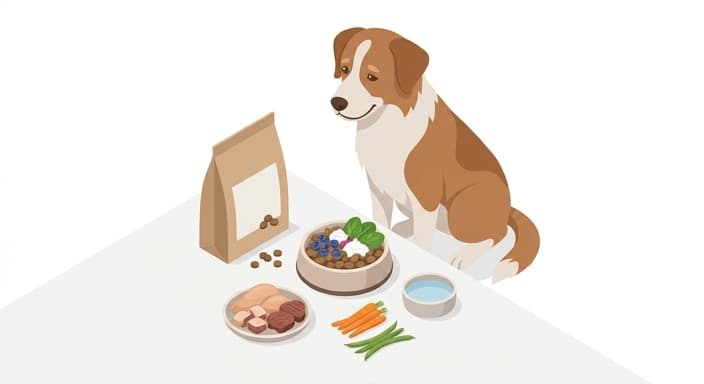
Hybrid feeding blends high-quality dry kibble with fresh, whole-food toppers to bridge nutritional gaps and support long-term vitality.
Kibble processing can degrade heat-sensitive nutrients, so adding fresh foods provides bioavailable vitamins, enzymes, and hydration.
A varied, fiber-rich approach to toppers strengthens the gut microbiome, promoting a resilient digestion and better nutrient absorption.
Transitioning to hybrid feeding should be slow and measured, starting at 10-15% fresh additions and using careful calorie accounting to avoid weight gain.
Fresh components contribute to hydration and can support renal and joint health alongside the kibble's benefits.
There is a pervasive, outdated myth in the canine world that feeding a dog anything other than a single, uniform brand of kibble is a recipe for digestive disaster. As a veterinarian, I witness the fallout of this "monodiet" mentality every day: dogs that are bored with their food, chronic picky eaters, and pets that lack the nutritional complexity required for long-term vitality. Hybrid feeding—the practice of combining high-quality dry food with fresh, whole-food additions—is not just a culinary upgrade; it is a clinical strategy to bridge the gap between convenience and biological necessity.
The Nutritional Gap: Why Kibble Isn't Always Enough
To understand the value of hybrid feeding, we must first be honest about the limitations of dry kibble. Even the most premium, grain-free, or boutique kibble undergoes significant heat processing—a process called extrusion—which inevitably degrades certain heat-sensitive vitamins, enzymes, and phytonutrients. Furthermore, kibble is inherently low in moisture, which places a silent, chronic stress on a dog’s kidneys and urinary tract over the course of a lifetime.
When we rely exclusively on a dry diet, we are providing a "complete and balanced" baseline, but we are often missing the "bioavailable" edge. By integrating fresh, whole foods into a bowl, we act as a nutritional safety net. We are introducing natural antioxidants, living enzymes, and high-quality hydration that can never be replicated in a shelf-stable, dry pellet. Hybrid feeding allows owners to maintain the budget-friendly convenience and dental-scraping benefits of kibble while simultaneously elevating the meal with the raw power of nature.
The Microbiome: A Garden, Not a Machine
The digestive tract is not a static tube; it is a dynamic, living ecosystem. A dog’s gut microbiome thrives on variety, much like the human gut. When a dog consumes the exact same ingredients at the exact same temperature every day, the microbial population in their gut becomes stagnant, losing the diversity necessary to handle environmental stressors, pathogens, or dietary transitions.
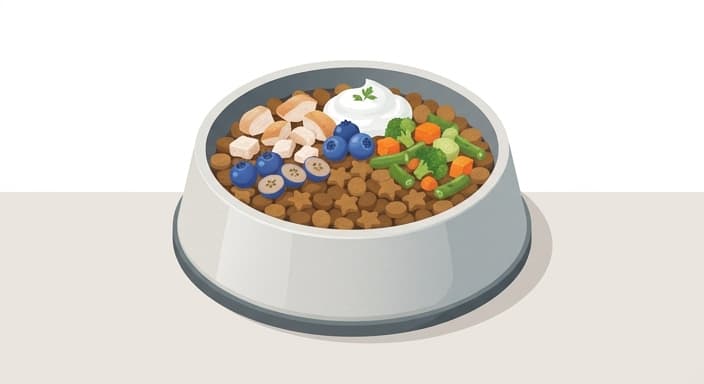
Think of your dog’s gut as a garden. If you only plant one type of flower, the ecosystem is fragile. If a disease or pest hits that one species, the whole garden collapses. By rotating or adding fresh toppers—such as lightly steamed vegetables, blueberries, plain Greek yogurt, or lean proteins—you are effectively "seeding" the gut with diverse fiber sources and nutrients. This strengthens the mucosal barrier of the intestine, reduces systemic inflammation, and improves overall nutrient absorption. The goal is to provide a "microbial buffet" that encourages a resilient, thriving gut flora.
Managing the Hybrid Transition: A Veterinarian’s Protocol
Transitioning to a hybrid feeding model is not as simple as dumping a handful of leftovers into the kibble bowl. As a clinician, I often see "digestive upset" that occurs because owners moved too quickly or added ingredients that were too fatty or rich for the dog’s current enzyme production.
The key is the "Slow and Steady" rule. Start by replacing only 10% to 15% of your dog's daily caloric intake with fresh additions. If you are adding a new protein, like cooked chicken or a small amount of lean ground beef, monitor their stool quality for 48 hours. If the stool remains firm, you can gradually increase the ratio.
It is also vital to practice proper calorie accounting. Fresh food is often more calorie-dense or nutrient-dense than the filler-heavy kibble it replaces. To avoid the "slow creep" of weight gain, subtract the calories provided by the fresh topper from the total amount of kibble fed. A simple calculation: if you add 50 calories of fresh blueberries and green beans, remove 50 calories worth of kibble. This keeps your dog at a healthy body condition score while still providing the nutritional diversity they crave.
The "Hydration Factor": Supporting Renal and Joint Health
One of the most profound benefits of hybrid feeding that goes largely unnoticed is the increase in water intake. Kibble typically contains less than 10% moisture, whereas fresh foods—like cucumber, zucchini, or lightly steamed white fish—can contain upwards of 70-80% water.
In my clinic, I see many senior dogs with early-stage renal concerns or chronic joint stiffness. Increasing moisture through hybrid feeding helps "flush" the system and provides better lubrication for joints. Think of it as internal irrigation. By adding moisture-rich toppers, you are helping to keep your dog’s tissues hydrated at a cellular level, which can aid in everything from skin elasticity to cognitive function. For dogs that are reluctant to drink enough water from their bowl, a hybrid diet is often the most effective way to ensure they remain properly hydrated without needing to resort to medications or supplements.
What to Avoid: Safety First in the Bowl
While hybrid feeding is beneficial, not all human foods are created equal. As a veterinarian, my biggest concern is the "humanization" of the bowl, where owners inadvertently add toxic or dangerous items. When building a hybrid bowl, keep a strict "Never List" on your refrigerator.
Never add grapes or raisins, which can cause acute kidney failure. Avoid onions, garlic, chives, and leeks, as these can cause oxidative damage to red blood cells. Steer clear of xylitol (often found in peanut butter and some yogurts), which can trigger a life-threatening insulin spike in dogs. Additionally, avoid high-fat additions like bacon grease or excessive butter, which are common triggers for pancreatitis—a painful and potentially fatal condition.
Stick to dog-safe "superfoods": blueberries for antioxidants, carrots for beta-carotene and dental health, plain pumpkin (not pie filling!) for fiber, and lean, boneless meats. When in doubt, start with small amounts of steamed vegetables or a dollop of unsweetened kefir. These ingredients are low-risk and provide high-reward nutrient profiles that perfectly complement a high-quality kibble.
Embracing the Hybrid Future
Hybrid feeding is more than just a diet; it is a philosophy of care that prioritizes the long-term wellness of our companions over the convenience of a "set it and forget it" bowl. By integrating fresh, whole foods into a kibble-based diet, we address the nutritional gaps left by processing, support a diverse and resilient microbiome, and provide the essential moisture required for optimal organ health. As pet parents, our greatest responsibility is to provide the best possible foundation for our dogs' lives, and a hybrid approach offers the perfect balance of science, practicality, and love. Start small, track your results, and enjoy the peace of mind that comes with knowing you are fueling your dog’s health from the inside out.
Common Questions
🤔
Frequently Asked Questions
What is hybrid feeding and what benefits does it offer?▼
Hybrid feeding is the practice of combining dry, high-quality kibble with fresh, whole-food toppers. It preserves the convenience and dental benefits of kibble while introducing bioavailable nutrients, hydration, and antioxidants from real foods. This approach can help address nutrient gaps left by extrusion, support energy and vitality, and may improve palatability for picky eaters. By diversifying the diet, owners can tailor meals to their dog's needs while staying within budget.
Why might kibble alone be insufficient for some dogs?▼
Kibble, even premium varieties, undergoes heat processing called extrusion that degrades some heat-sensitive nutrients and enzymes. It is also low in moisture, which can place chronic stress on the kidneys and urinary tract over a dog's lifetime. While kibble can provide a baseline that is complete and balanced, it often lacks the bioavailability and diversity of real foods. Hybrid feeding helps address these gaps by adding real foods that supply antioxidants, enzymes, and hydration.
How should you transition a dog to hybrid feeding to avoid digestive upset?▼
Begin with the Slow and Steady rule: replace 10% to 15% of your dog's daily calories with fresh additions. If you introduce a new protein, like cooked chicken or lean ground beef, monitor stool quality for 48 hours. If the stool remains firm, you can gradually increase the ratio while keeping an eye on total calories. To avoid weight gain, subtract the calories contributed by the fresh topper from the kibble portion so the overall intake stays in balance.
How does hybrid feeding support the gut microbiome and hydration?▼
A dog's gut thrives on variety; rotating toppers introduces diverse fiber sources and nutrients. This seeding strengthens the mucosal barrier, reduces systemic inflammation, and improves overall nutrient absorption. Fresh toppers such as lightly steamed vegetables, blueberries, plain Greek yogurt, or lean proteins create a microbial buffet that supports a resilient gut flora. Additionally, the hydration from fresh foods helps support renal and joint health alongside the kibble's benefits.