Blog3/11/2026
How to Help Dogs Thrive: Veterinary Guide for Care
8 mins Read
The Briefing
Quick takeaways for the curious
Helping a dog requires a lifelong stewardship that blends empathy, proactive health, and informed care to safeguard both their physical vitality and their unique emotional spirit.
The foundation of canine welfare begins at shelters and rescues, where a high-stress environment and disease risk make immediate behavioral rehabilitation and medical vetting crucial for successful permanent matches.
Fostering is often the most impactful way to help a dog in transition, because it provides real-world behavioral conditioning and essential data for rescues to pair dogs with loving families.
When fostering isn’t possible, social media advocacy and responsible financial donations directly support veterinary vetting, treatment of conditions like heartworm disease, and complex dental care that give rescued dogs a second chance.
Preventive medicine for your own dog—routine vaccines, parasite control, dental care, and early issue detection—offers the most effective path to a long, healthy, crisis-free life.
Title: Guardians of the Wag: A Veterinarian’s Comprehensive Guide to Truly Helping Dogs Thrive
As a veterinarian, I often tell my clients that helping a dog isn't just about providing a bowl of food and a sturdy leash; it is a profound commitment to understanding a species that has spent over thirty thousand years evolving to be our perfect shadow. When we choose to "help" dogs—whether they are the ones sleeping at our feet or the thousands waiting behind shelter bars—we are participating in a timeless stewardship that safeguards both their physical vitality and their unique emotional spirits. Helping a dog is a multi-dimensional journey that begins with empathy and is sustained by informed, proactive care.
The Foundation of Rescue: Helping Dogs Beyond Your Home
To truly help the canine population at large, we must look toward the front lines: animal shelters and rescue organizations. Every year, millions of dogs enter the shelter system, and the "help" they need is often more complex than a simple adoption. From a clinical perspective, the shelter environment is a high-stress "biological pressure cooker." High levels of cortisol (the stress hormone) can suppress a dog’s immune system, making them more susceptible to respiratory infections and skin conditions.
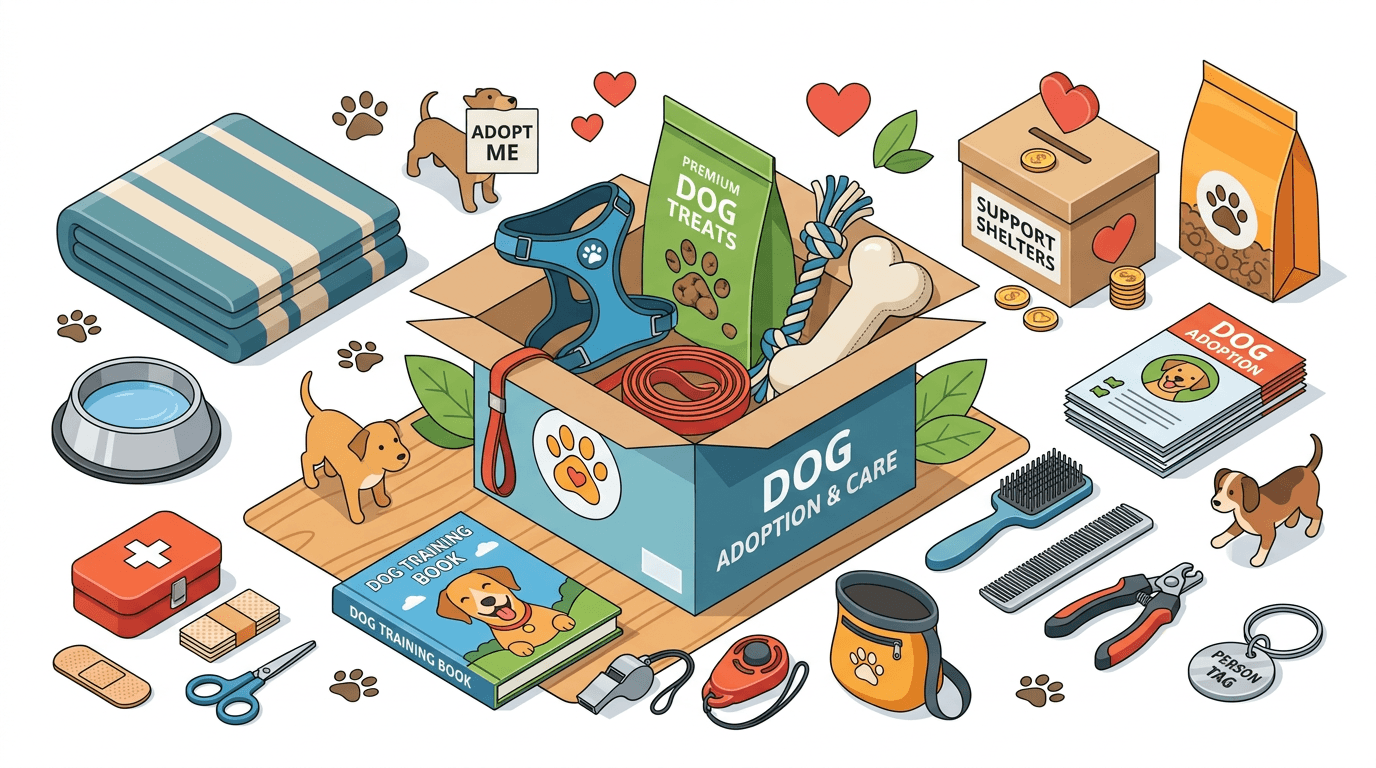
You can help these dogs by becoming a Foster Parent. Fostering is perhaps the most impactful way to help a dog in transition. By moving a dog from a kennel to a home, you are providing "behavioral rehabilitation." You are teaching them that the doorbell isn’t a threat and that the vacuum cleaner isn't a monster. This data is invaluable for rescues to find the perfect permanent match. If you cannot foster, consider Social Media Advocacy. Simply sharing a high-quality photo and a "personality profile" of a long-term shelter resident can exponentially increase their chances of being seen by the right family.
Furthermore, financial support for rescues often goes directly toward Veterinary Vetting. Many rescued dogs arrive with neglected conditions like Heartworm Disease or severe dental decay. Your donations help cover the costs of expensive treatments like Immiticide injections for heartworms or complex dental extractions, literally giving these dogs a second chance at a pain-free life.
Preventive Care: Helping Your Dog Through Proactive Health
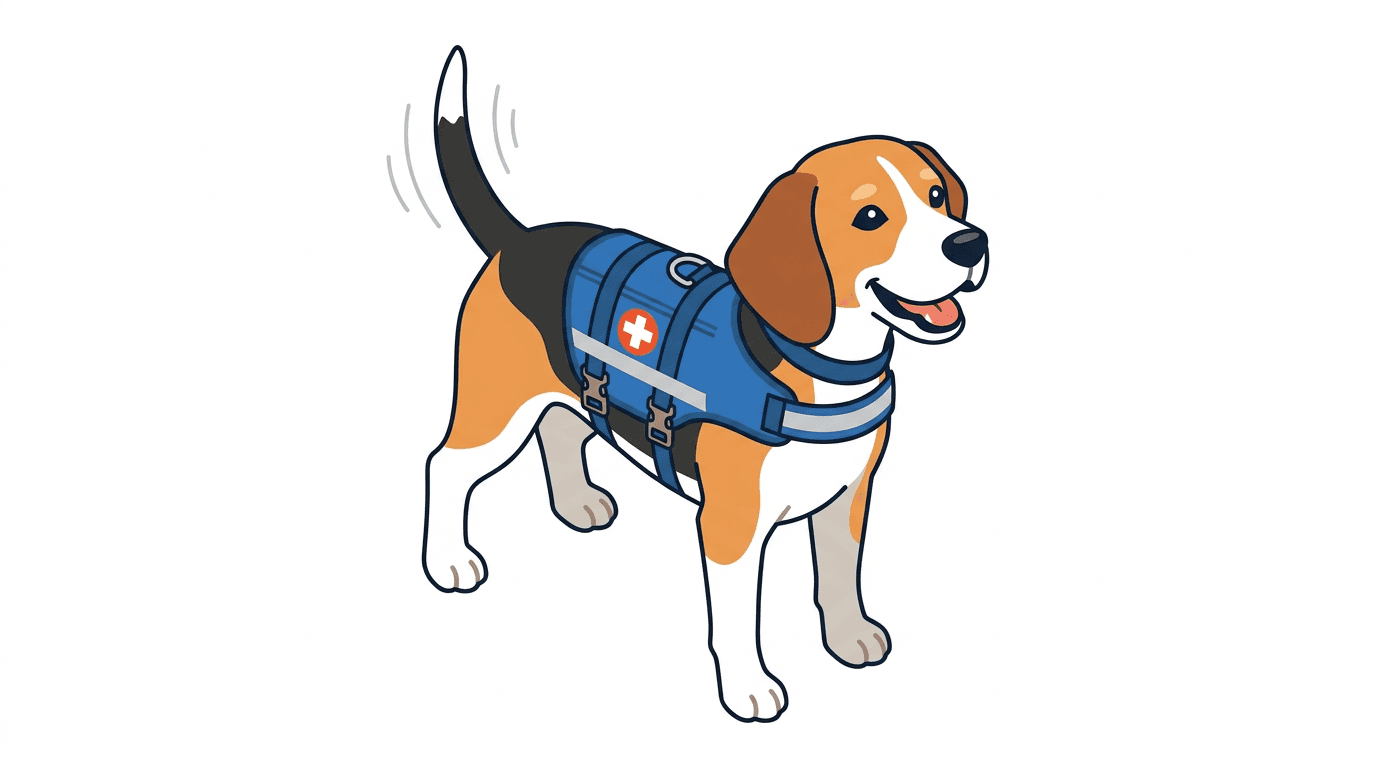
The most effective way to help your own dog is to practice Preventative Medicine. In my years of practice, I have seen that the most "helpful" owners are those who catch issues before they become crises. Our dogs are masters of the "silent stoic" act; they are evolutionarily programmed to hide pain to avoid appearing vulnerable. To help them, we must learn to read the subtle shifts in their baseline.
One of the most overlooked areas of canine health is Oral Hygiene. It is estimated that 80% of dogs show signs of Periodontal Disease by age three. You can help your dog by implementing a daily brushing routine. This isn't just about fresh breath; it’s about preventing Bacteremia, where oral bacteria enter the bloodstream and damage the heart valves, kidneys, and liver.
Additionally, managing your dog's weight is an act of profound kindness. Canine Obesity is a growing epidemic that leads to chronic inflammation and puts immense strain on joints, particularly in breeds prone to Hip Dysplasia, such as German Shepherds and Labrador Retrievers. Helping your dog maintain a "BCS" (Body Condition Score) of 4 or 5 on a 9-point scale can actually extend their lifespan by up to two years. Think of every calorie-dense treat as a withdrawal from their "longevity bank" and every walk as a deposit.
Decoding the Mind: Helping Dogs Through Mental Enrichment
We often focus so much on the physical help—food, water, medicine—that we neglect the Ethological Needs of our dogs. A dog's brain is wired for work, scent, and problem-solving. When these needs aren't met, we see behavioral issues like destructive chewing, excessive barking, or separation anxiety. These aren't "bad" dogs; they are bored dogs.
To help your dog’s mental health, introduce the concept of Contrafreeloading. This is the observation that most animals actually prefer to work for their food rather than having it handed to them in a bowl. You can help by using puzzle feeders, snuffle mats, or hide-and-seek games with their kibble. This engages their Olfactory Bulb, which is roughly 40 times larger than a human's relative to brain size.
Another vital way to help is through Sniffaris. Instead of a "power walk" where you pull your dog along to reach a destination, allow them to lead the way with their nose. Scent is how dogs "read the news." Ten minutes of intense sniffing is often more mentally exhausting and satisfying for a dog than a thirty-minute brisk walk. By allowing them this sensory exploration, you are helping lower their heart rate and reduce overall anxiety levels.
The Golden Years: How to Help the Senior Dog
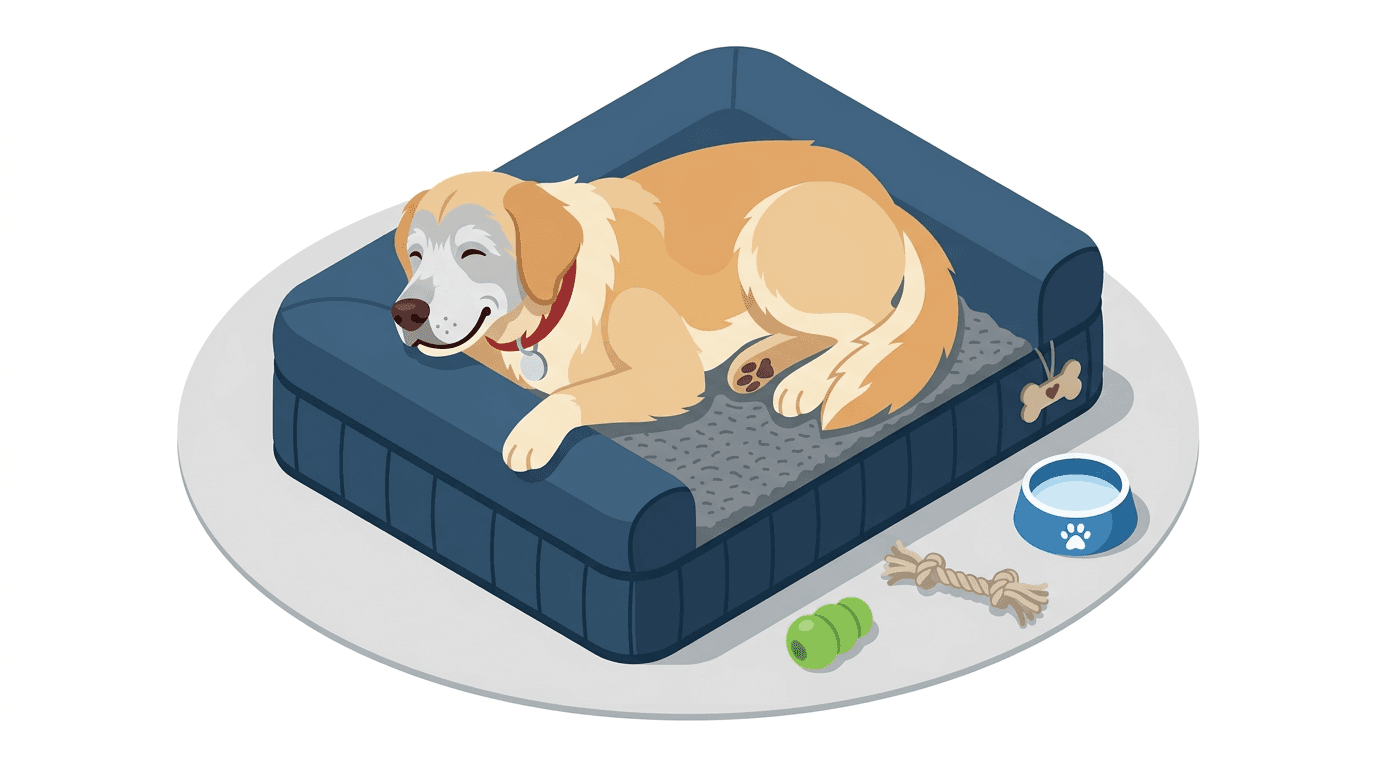
As dogs age, their needs shift dramatically. Helping a senior dog requires a transition from "active play" to "comfort and accessibility." One of the most common issues in aging canines is Osteoarthritis. You can help your senior dog by modifying their environment:
- Orthopedic Bedding: High-density memory foam helps support aching joints and prevents pressure sores.
- Non-Slip Surfaces: Placing yoga mats or runners over hardwood floors can prevent "Bambi-on-ice" slips that lead to ligament tears.
- Raised Feeders: For larger breeds, raising food and water bowls can reduce the strain on the cervical spine and forelimbs.
Beyond the physical, we must also watch for Canine Cognitive Dysfunction (CCD), which is essentially doggy dementia. If you notice your dog getting stuck in corners, staring at walls, or reversing their sleep-wake cycle, they need your help. Clinical interventions, such as diets rich in Antioxidants and Medium-Chain Triglycerides (MCTs), can help support cognitive function and slow the progression of the disease. Your patience during this time is the greatest gift you can provide; they aren't being stubborn, they are simply lost in a familiar world.
Advocacy and Education: Helping the "Invisible" Dogs
Finally, we help dogs by becoming educated advocates in our communities. This involves understanding the importance of Microchipping. A collar can break or be removed, but a microchip is a permanent "ticket home." Ensuring your dog's chip is registered with your current contact information is the single best way to help them if the unthinkable happens and they become lost.
Furthermore, we can help by supporting Breed-Specific Legislation (BSL) reform. Many dogs, such as Pit Bull types or Rottweilers, face unfair discrimination based on their appearance rather than their individual temperament. By educating others that aggression is a product of environment and lack of training—not just genetics—we help keep these dogs in homes and out of shelters.
Lastly, always advocate for Positive Reinforcement Training. Helping a dog learn through rewards rather than fear (Aversive Training) builds a foundation of trust. When we use "force-free" methods, we are not just teaching a command; we are fostering a secure attachment. A dog that trusts its owner is a dog that is fundamentally "helped" in every social interaction it encounters.
Key Takeaways for Helping Dogs
- Foster and Advocate: Shelters are high-stress environments; fostering or sharing social media posts can save lives.
- Prioritize Dental Health: Daily brushing prevents bacteria from entering the bloodstream and damaging vital organs.
- Manage Weight: Maintaining a lean body condition is the most effective way to prevent joint pain and extend a dog's life.
- Mental Enrichment is Vital: Use "sniffaris" and puzzle feeders to satisfy a dog’s natural instincts and reduce anxiety.
- Modify for Seniors: Use non-slip mats and orthopedic beds to help aging dogs navigate their homes comfortably.
- Microchip and Register: Always ensure your dog has permanent identification that is linked to your current phone number.
- Choose Positive Reinforcement: Help your dog learn through rewards to build a lifelong bond of trust and safety.
In the end, helping dogs is a reflection of our own humanity. These incredible animals give us their absolute loyalty, their goofy enthusiasm, and their unwavering presence. In return, our role is to be their guardians, their doctors, their playmates, and their voice. When we take the time to understand their biology, their history, and their unique emotional needs, we aren't just helping them survive—we are helping them live the vibrant, joyful lives they so richly deserve. The bond between a human and a well-cared-for dog is one of the purest forms of connection on earth, and every small step you take to help them strengthens that bridge of love.
Common Questions
🤔
Frequently Asked Questions
How can I help shelter dogs beyond adoption?▼
Shelter dogs live in a high-stress environment that can suppress their immune system, so minimizing stress is an immediate way you can help. Fostering a dog from a shelter is widely regarded as the most impactful form of assistance, because it provides behavioral rehabilitation and crucial socialization in a home setting. Even if you cannot foster, you can boost a dog's visibility and chances of adoption through social media advocacy by sharing a high-quality photo and a compelling personality profile. Additionally, support for rescues—financial donations or volunteering for transport, adoption events, or supplies—helps fund veterinary vetting that addresses heartworm, dental disease, and other conditions.
What is fostering a dog and why is it so impactful?▼
Fostering means taking a dog from a kennel into a home for a defined period while they adjust, learn house manners, and reduce stress. It is incredibly impactful because it provides real-world behavioral rehabilitation that helps dogs become trustworthy and confident in a family setting. For rescues, foster homes supply valuable behavioral data and help ensure a safer, faster match to a permanent family. Fostering can also prevent overcrowding and suffering in shelters by transitioning dogs to nurture-based environments.
What is heartworm disease and how is it treated in dogs?▼
Heartworm disease is a serious parasitic infection spread by mosquitoes that can damage the heart and lungs if left untreated. Rescued dogs may arrive with heartworm or other conditions that require veterinary vetting, testing, and medical care. Treatments can include medications to kill larvae and adult worms, such as Immiticide injections for some cases, under veterinary supervision. Early testing, preventive measures like monthly preventives, and timely treatment lead to much better outcomes.
What are essential preventive care steps I should take for my dog?▼
Essential preventive care includes routine vaccines, parasite control, dental care, and regular wellness checks to catch issues before they become crises. Staying proactive with preventive medicine helps maintain health, extend lifespan, and reduce emergency visits. Work with a veterinarian to tailor a plan based on your dog's age, breed, and lifestyle. Investing in preventive care today yields higher quality of life for your dog and lowers overall long-term costs.