Blog3/12/2026
How to Bond With Your Dog: A Veterinarian's Guide to Connection
8 mins Read
The Briefing
Quick takeaways for the curious
Bonding with your dog relies on consistent, empathetic interactions that trigger a mutual oxytocin response, building trust and calm between you.
Biologically, positive contact releases oxytocin in both species, lowers cortisol, and slows heart rate, creating a physiological link that reinforces attachment.
Dogs primarily communicate non-verbally, so learning their body language—soft eyes, posture, and tail movements—helps you respond in a way that makes them feel heard and safe.
Tail language is nuanced, with right-side wagging often signaling positive emotion and left-side wagging indicating uncertainty or stress, guiding your responses.
A soulful bond grows from consistent care, deep respect for the canine spirit, and boundaries that prevent overstimulation, fostering safety and lasting connection.
Beyond the Leash: A Veterinarian’s Guide to Cultivating a Soulful Bond with Your Dog
The connection between a human and a dog is one of the few truly selfless relationships in the natural world, a bridge built over thirty millennia of shared fires and common goals. To bond with your dog is to move beyond the roles of master and pet, entering a realm of mutual understanding where a single glance can communicate more than a thousand words. As a veterinarian, I have seen that the strongest bonds aren't formed by chance; they are carefully nurtured through consistency, empathy, and a deep respect for the canine spirit.
The Biological Blueprint: Why We Bond
To understand how to bond with your dog, we must first look at the incredible biological machinery that makes this relationship possible. When you and your dog interact positively—whether through a gentle ear scratch or a shared gaze—both of your brains release oxytocin, often referred to as the "love hormone" or "cuddle chemical." This is the same hormone responsible for bonding between human mothers and their infants. From a clinical perspective, this isn't just a "feel-good" moment; it is a physiological synchronization that lowers blood pressure, reduces cortisol (the stress hormone), and slows the heart rate in both species.
Historically, this bond was forged in the crucible of survival. Early dogs provided protection and hunting prowess, while humans provided warmth and reliable calories. Over time, dogs evolved specific facial muscles—such as the levator anguli oculi medialis—which allow them to raise their inner eyebrows to create "puppy dog eyes," a trait not found in their wolf ancestors. This evolutionary adaptation was designed specifically to trigger a caregiving response in humans. When you look at your dog, you aren't just looking at a pet; you are looking at a creature that has biologically "hacked" the human heart to ensure mutual survival.
The Language of Silence: Mastering Canine Communication
One of the most common mistakes owners make is assuming that dogs understand our spoken language as we do. While a dog can learn hundreds of specific words, their primary language is non-verbal. To truly bond with your dog, you must become a student of their body language. A dog who feels "heard" is a dog who feels safe, and safety is the precursor to a deep emotional attachment.
Pay close attention to the subtleties of their posture. A "soft" eye (relaxed eyelids) indicates comfort, while a "hard stare" or "whale eye" (showing the whites of the eyes) signals anxiety or a need for space. Even the tail, often misinterpreted as a universal sign of happiness, has a complex vocabulary. A tail wagging slightly to the right is associated with positive emotions, while a wag to the left can indicate uncertainty or stress, due to the way the canine brain processes stimuli. By responding appropriately to these cues—such as backing off when they show signs of overstimulation—you build cognitive trust. You are telling your dog, "I see you, I understand you, and I will protect your boundaries."
Training as a Dialogue, Not a Monologue
Many people view training as a series of commands designed to achieve obedience. However, in my practice, I encourage clients to view training as a collaborative dialogue. Every time you ask your dog for a behavior and reward them for it, you are reinforcing a shared language. This process builds a "bank account" of positive experiences that strengthens your bond.
Use Positive Reinforcement (R+) techniques to turn learning into a game. When a dog discovers that working with you leads to rewards—whether those are high-value treats, a favorite toy, or enthusiastic praise—they begin to associate your presence with success and joy. This creates a "willing partner" rather than an "obedient subject."
- Short Sessions: Aim for 5-10 minute sessions. Dogs have a limited "cognitive battery," and ending on a high note ensures they look forward to the next time.
- Capturing Goodness: Don't just train when you have treats in hand. "Capture" natural behaviors you like—such as your dog choosing to lie down quietly while you work—by giving them a gentle stroke or a kind word.
- Novelty: Introduce new tricks or "brain games" like scent work. Engaging a dog’s nose—their primary sensory organ—is a fast track to their heart.
The Power of "Doing Nothing" Together
In our fast-paced world, we often feel the need to keep our dogs constantly entertained with walks, fetch, and dog parks. While physical exercise is vital, some of the most profound bonding occurs during passive engagement. In the wild, canids spend a significant portion of their day simply resting near their pack members.
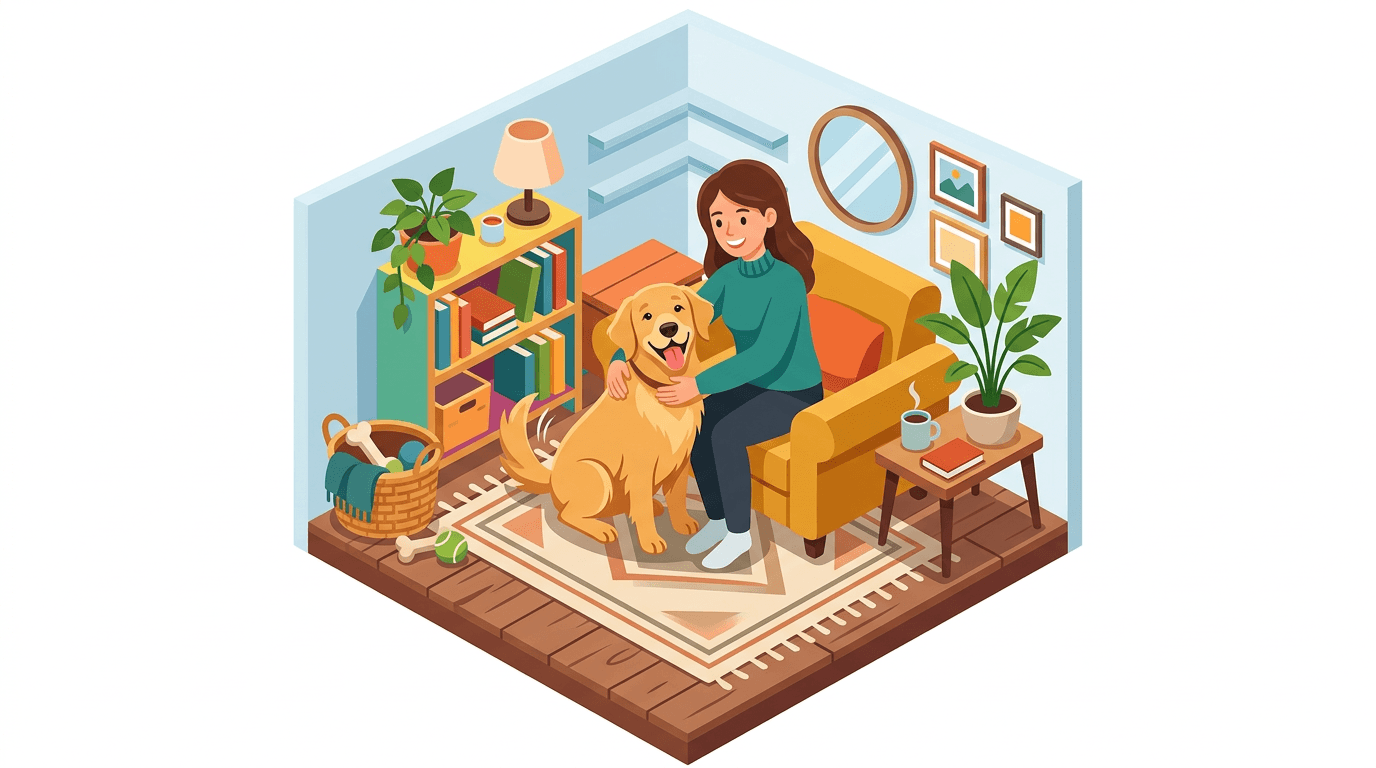
This is often called the "tethering" of spirits. Allow your dog to simply exist in your space without demands. If you are reading a book, let them curl up at your feet. If you are gardening, let them sniff the turned soil nearby. This "calm proximity" teaches your dog that your presence is a source of peace, not just a source of excitement. For a dog, being allowed to sleep soundly in your presence is the ultimate sign of trust; it means they feel secure enough to relinquish their vigilance because they know you have "the watch."
Breed-Specific Love Languages: Tailoring Your Approach
As a veterinarian, I often remind owners that a "one size fits all" approach to bonding doesn't account for the incredible diversity of the canine kingdom. Different breeds have different "love languages" rooted in their historical functions. Understanding these can help you meet your dog's specific emotional needs.
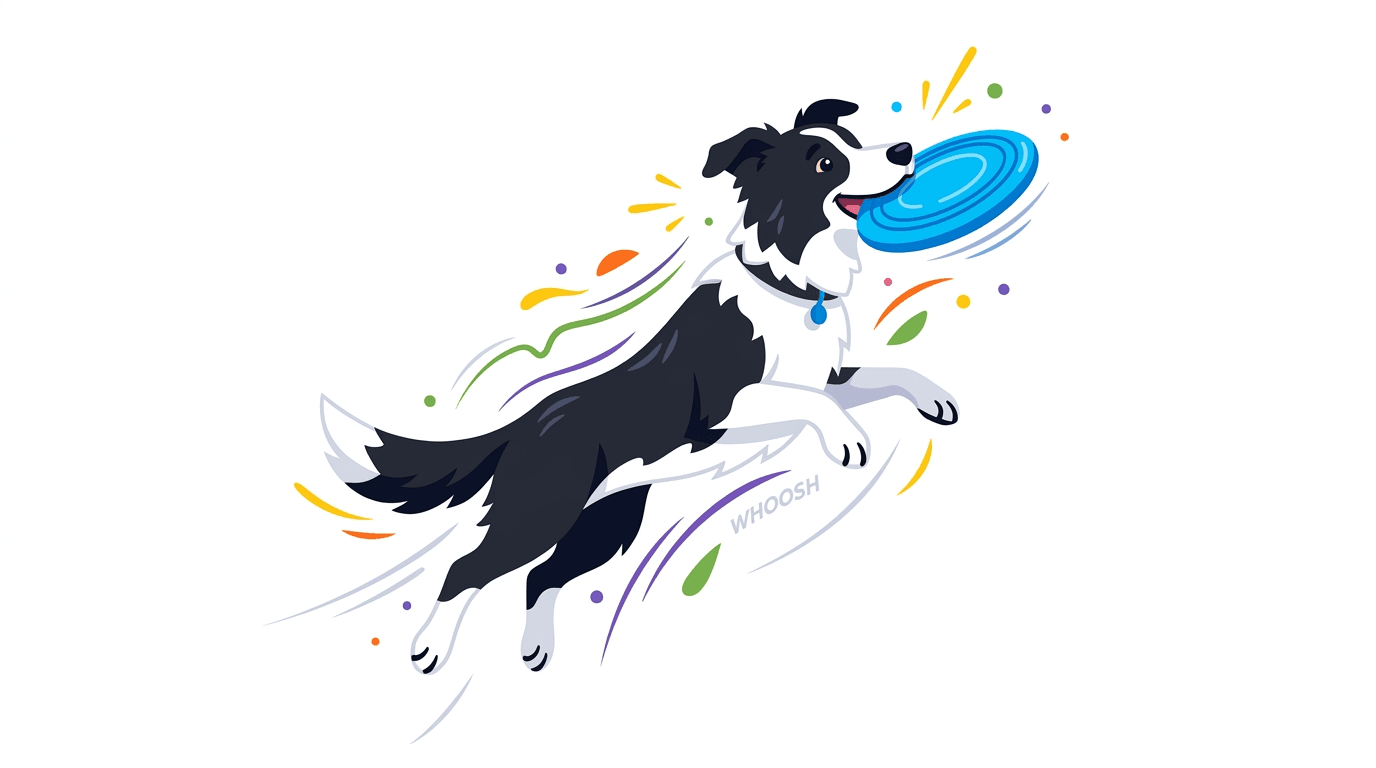
- Herding Breeds (Border Collies, Aussies): These dogs often bond through shared tasks. They want to work with you. A long hike or an agility course is more meaningful to them than a cuddle on the couch.
- Scent Hounds (Beagles, Bloodhounds): They bond through their noses. Taking them on a "sniffari"—a walk where they lead the way and sniff everything they want—is a massive deposit into their happiness bank.
- Guardians (Mastiffs, Rottweilers): These breeds often show affection through physical leaning or simply keeping a watchful eye on you from across the room. Their bond is rooted in loyalty and protection.
- Retrievers (Goldens, Labs): They are the "physical touch" champions. They often bond through mouth-oriented play (carrying a toy to you) and constant proximity.
By leaning into what your dog was bred to do, you are acknowledging their true nature. A Husky doesn't want to sit on your lap for three hours; they want to run through the snow with you. Meeting them where they are is the highest form of love.
The Ritual of Care: Grooming and Health Checks
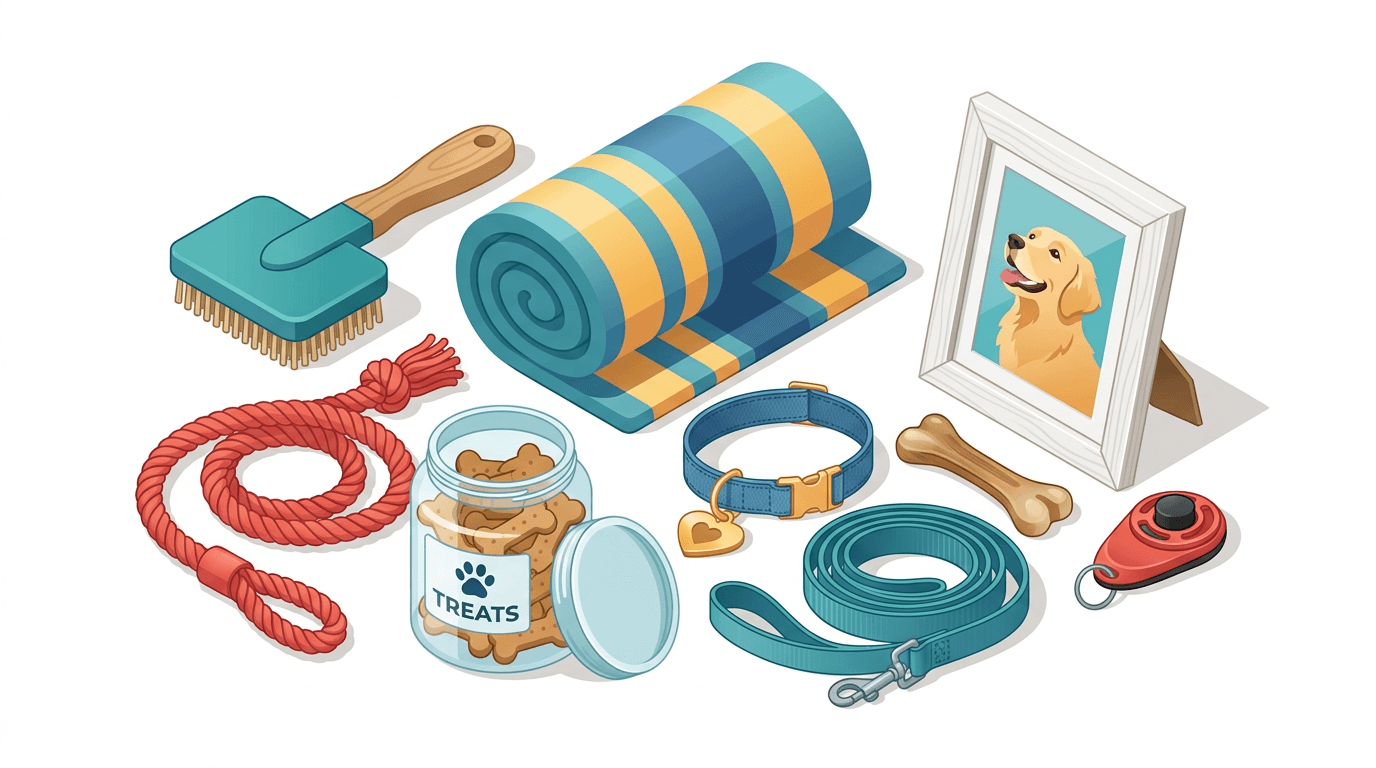
We often think of grooming as a chore, but in the animal kingdom, allogrooming (grooming others) is a vital social glue. When you brush your dog, you are mimicking a behavior that wild canids use to reinforce pack hierarchy and social bonds.
From a clinical standpoint, this ritual is also a life-saving habit. Regular grooming allows you to become intimately familiar with your dog’s body. You will be the first to notice a new lump, a patch of dry skin, or a sensitive joint. When you catch these things early, you aren't just being a good owner; you are being a guardian of their life. Make grooming a positive experience by using a soft brush and offering treats. Over time, your dog will come to see this time as a "spa day" of focused attention, further cementing their reliance and affection for you.
Key Takeaways for Building a Stronger Bond
- Respect the "Three-Three-Three" Rule: If you have a new rescue, remember it takes 3 days to decompress, 3 weeks to learn your routine, and 3 months to feel truly at home.
- Prioritize Quality Over Quantity: Fifteen minutes of focused, eye-contact-heavy play is more valuable than an hour-long walk where you are distracted by your phone.
- Learn the "Consent Test": When petting your dog, stop for a few seconds. If they lean in or paw at you, they want more. If they turn away, they’ve had enough. Respecting their "no" makes their "yes" much stronger.
- Be a Consistent Leader: Dogs find comfort in predictability. Consistent rules and routines reduce anxiety and allow the bond to flourish in a stable environment.
- Shared Adventures: Break the routine. Take your dog to a new park, a dog-friendly beach, or a forest trail. New environments trigger a "we’re in this together" mentality.
The journey of bonding with a dog is not a destination you reach, but a path you walk every single day. It is found in the way they rest their head on your knee when you've had a difficult day, and the way your heart lightens when you hear the rhythmic "thump-thump" of their tail against the floor. As a veterinarian, I can prescribe medicine for many ailments, but I have yet to find a more powerful tonic for the human soul than the unwavering devotion of a dog. Treat your dog not just as a subordinate, but as a silent partner in your life’s journey. When you invest in their emotional world, you receive a dividend of love that is, quite simply, the purest thing on this planet.
Common Questions
🤔
Frequently Asked Questions
How can I bond with my dog more deeply?▼
Bonding deepens through consistent, calm interactions, regular routines, and understanding canine non-verbal cues. When you touch, gaze, and respond with empathy, oxytocin is released in both you and your dog, reinforcing trust. Start with short, positive sessions, avoid overstimulation, and respect their boundaries.
What role does body language play in bonding with dogs?▼
Body language is central to bonding because dogs rely primarily on non-verbal cues. Pay attention to soft eyes, relaxed posture, and tail wag patterns to assess comfort, safety, and willingness to engage. Responding calmly and respectfully strengthens trust and reduces fear or anxiety.
How does oxytocin affect dogs and owners during bonding?▼
Oxytocin release during positive contact creates a physiological link between you and your dog, promoting feelings of closeness. It also lowers cortisol, reduces stress, and can slow both of your heart rates, supporting a calmer bond. This hormonal dance is a key mechanism behind enduring attachment.
Why is consistency important when building a dog bond?▼
Consistency provides predictability and safety, which dogs crave for emotional security. Regular routines, patient responses, and respectful boundaries help your dog know what to expect, making it easier to form trust. Over time, this predictable care deepens emotional attachment and reduces stress.