Blog4/9/2026
Hands-Free Crossbody Leash Benefits Explained for Dog Owners
6 mins Read
The Briefing
Quick takeaways for the curious
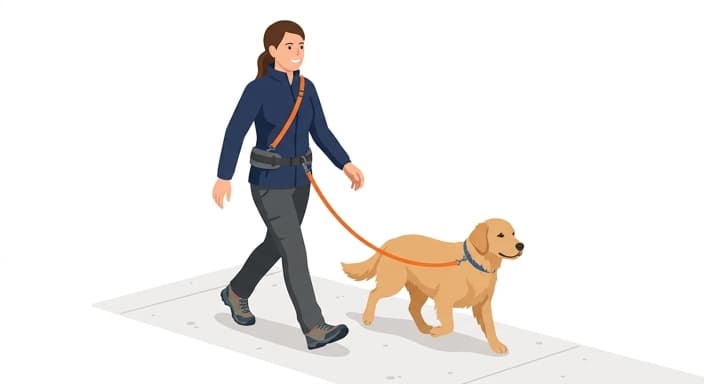
A hands-free crossbody leash shifts the anchor from the wrist to the torso, reducing direct leverage on the shoulder and minimizing repetitive strain for the handler.
This design distributes the dog's pulling energy across the core and hips, improving gait stability and allowing natural arm swing.
By changing where tension is felt, handlers become a calmer, more reliable anchor, which can reduce leash anxiety in dogs and improve loose-leash walking.
The system enhances proprioception and communication, as dogs respond to subtle shifts in a handler's center of gravity rather than jerky arm movements.
Safety is paramount, so hands-free setups should include quick-release mechanisms and a mindset that the leash is not set-and-forget; emergencies require rapid detachment and readiness.
There is a persistent, outdated myth in the modern dog-walking community that the traditional handheld leash is the gold standard of safety and control, leading many owners to believe that a rigid, tethered connection is the only way to maintain a relationship with their pet on the move. As a veterinarian consultant, I frequently speak with active pet parents who view their chronic shoulder strain, wrist fatigue, or the constant, awkward "leash-juggling" dance as an unavoidable tax on the joys of dog ownership, failing to realize that these physical stressors are often the result of outdated equipment that ignores the biomechanical needs of both human and hound. We are finally moving toward a more sophisticated, ergonomic standard of canine management that treats the hands-free crossbody leash not as a niche hiking accessory, but as a foundational pillar of human-animal connection, effectively closing the gap between a strained, distracted handler and a synchronized, confident walking team.
The Biomechanics of the "Unified Gait"
To understand why a hands-free crossbody leash is a transformative tool, we must first look at the biomechanics of the human-canine walking relationship. When a handler grips a traditional leash, they are tethered at the wrist or hand, creating a direct lever that amplifies every sudden movement the dog makes. If a dog lunges at a squirrel or pulls toward a scent, the force is transmitted directly to the handler’s wrist, elbow, and shoulder, often leading to repetitive strain injuries or a loss of balance.
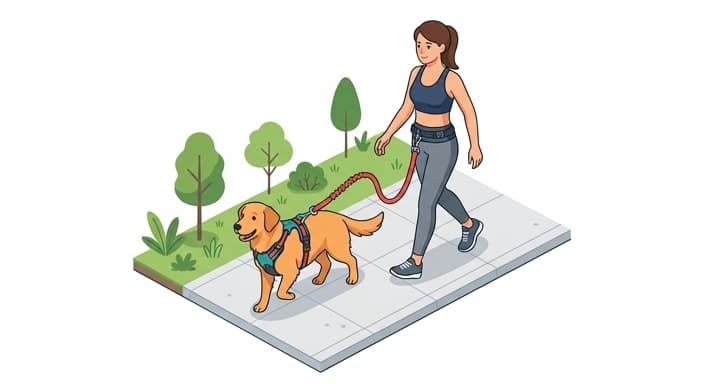
By utilizing a crossbody design, the anchor point shifts to the center of gravity—the torso. This simple change in physics distributes the dog’s energy across the entire core and hips rather than isolating it in a joint. When the leash is secured to your body, your hands are freed to maintain your natural arm swing, which is essential for gait stability and posture. From a veterinary and physical therapy perspective, this allows for a more fluid, rhythmic interaction. When your body is not bracing against a handheld tension, you are less likely to transmit "leash anxiety" down the line to your dog, creating a feedback loop of calmness that is essential for loose-leash walking training.
Enhancing Proprioception and Communication
Beyond the physical comfort, the hands-free leash fundamentally alters the way we communicate with our dogs. Much of our canine communication is non-verbal, relying on shifts in our body weight, posture, and subtle muscle tension. When you hold a leash, you often subconsciously adjust your tension based on fear or anticipation of a pull, which can inadvertently signal "alert" or "stress" to your dog.
When the leash is attached to your waist or chest, these signals become more consistent and less reactive. Your dog learns to navigate the world by feeling the subtle shifts in your center of gravity rather than reacting to the jerky movements of your arm. This is a massive leap forward for dogs with reactivity or leash-induced anxiety. Because the "leash-jerk" factor is removed, the dog is less likely to feel the sudden correction or tension that often triggers a defensive or high-arousal response. It allows you to become a more stable "anchor," providing the dog with a sense of security and a clear, predictable boundary that encourages them to check in with you more frequently.
Safety Protocols for the Hands-Free Handler
While the benefits are clear, transitioning to a hands-free system requires a shift in safety mindset. The most common mistake I see in my consulting practice is owners treating a hands-free leash as a "set it and forget it" tool. Even the most well-trained dog encounters unexpected triggers—a loud truck, a sudden feline encounter, or a loose dog.
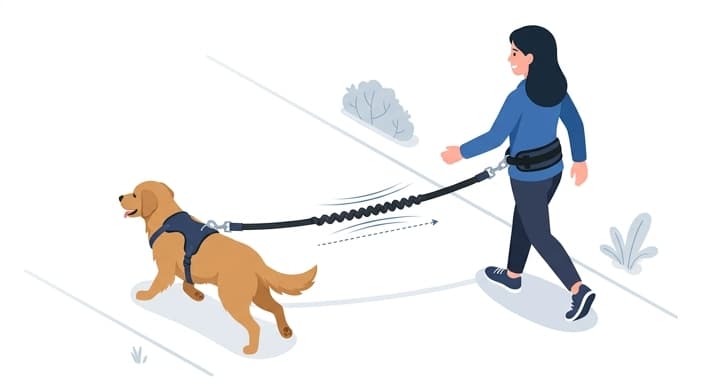
To ensure safety, your gear must include a quick-release mechanism that is easily accessible in an emergency. You should always be able to detach yourself from the leash in seconds if a situation becomes dangerous, such as a trip-and-fall scenario or an aggressive interaction between dogs. Additionally, I highly recommend choosing a leash with a shock-absorbing bungee component. This feature acts as a buffer, mitigating the impact of sudden jolts that could otherwise knock you off balance. Always pair your hands-free setup with a rear-clip harness on your dog; never attach a waist leash to a collar, as the force from a sudden pull can cause significant neck and tracheal injury to your canine companion.
Strategic Training for the Transition
It is a mistake to assume that a hands-free leash will automatically fix pulling issues or lack of focus. In fact, if your dog is not yet comfortable with loose-leash walking, moving to a hands-free system can actually be more difficult initially because you lose the ability to give those tiny "micro-corrections" with your hand. Before making the switch, I advise clients to practice "engagement walking" in a low-distraction environment, such as your own backyard or a quiet driveway.
Start by wearing the leash but holding it in your hands, treating it like a standard lead. Once your dog is consistently walking by your side, transition the leash to your waist for short, five-minute intervals. During these sessions, focus on heavy reinforcement—high-value treats, consistent verbal praise, and stopping whenever the leash goes tight. The goal is to condition your dog to understand that the "hands-free" position is a reward-based zone where they are closer to your scent, your voice, and your feedback. By reinforcing the "check-in" behavior, you turn the hands-free walk into a cooperative partnership rather than a tug-of-war.
The Psychological Benefit of Human-Dog Synergy
Perhaps the most overlooked benefit of the hands-free experience is the psychological impact on the human. We live in an era of constant distraction, and for many, the "dog walk" is one of the few times during the day when we are truly offline. When you are no longer burdened by the physical task of managing a leash, you are free to observe your dog’s behavior, notice their body language, and simply exist in the moment with them.
This emotional synchrony is what we call the "dyadic state." When your hands are free, you can carry a water bottle, pick up waste with ease, or simply use your hands to gesture and interact with your environment. This reduced cognitive load allows you to be more present, more patient, and more observant. As a vet, I see the result of this in my exam rooms: owners who walk hands-free are often more attuned to subtle changes in their dog’s health, such as a slight limp, a change in gait, or an increased sensitivity to environmental triggers. You are not just walking your dog; you are cultivating a deeper, more mindful bond that prioritizes quality time over the simple chore of "getting the walk done."
By moving toward a hands-free system, you are doing more than just upgrading your gear; you are adopting a philosophy that prioritizes ergonomic health, safety, and mutual respect. While it requires a bit of practice and an investment in the right, safety-conscious equipment, the transition creates a more harmonious experience for both ends of the leash. Remember, the best walks are not measured by the speed or distance covered, but by the strength of the connection you share with your dog as you navigate the world together. Embracing this shift will not only save your shoulders but will unlock a more fluid, joyful, and deeply connected relationship with your four-legged companion.
Common Questions
🤔
Frequently Asked Questions
What is the core biomechanical advantage of a hands-free crossbody leash?▼
The anchor moves to the torso rather than the wrist, distributing force across the core and hips and reducing leverage on any single joint. This reduces the risk of shoulder, wrist, or elbow strain during pulls. With the leash attached to the body, your hands can maintain natural movement and gait stability. In turn, you create a calmer walking dynamic that supports loose-leash training.
How does a hands-free leash influence canine communication and reactivity?▼
Because tension comes from your center of gravity rather than a tensed arm, your body communicates more consistently. Dogs learn to read those subtle shifts, which reduces startle responses and overreactions to sudden pulls. This can be especially helpful for reactive dogs, as the leash jerk is minimized. Overall, the relationship becomes more predictable, encouraging frequent check-ins from the dog.
What safety features are essential for hands-free leash setups?▼
Essential safety features include a quick-release mechanism accessible in an emergency. There should be secure but user-friendly attachment, and a proper fit around the hips or torso, with reflective elements for visibility. Always practice detach in a safe area and test in low-stress environments before busy streets. Remember that hands-free is not set-it-and-forget-it; active supervision remains critical.
What practical steps help transition to a hands-free system effectively?▼
To transition, practice in stages: begin with a torso-attached setup during calm walks to build familiarity. Gradually introduce real-world triggers while monitoring leash tension and dog responses. Train a reliable loose-leash walk while you maintain control via torso anchoring. Ensure proper gear fit and choose a comfortable crossbody setup that doesn't impede movement.