Blog5/3/2026
Hands-Free Crossbody Dog Leashes: Ergonomic Walking
6 mins Read
The Briefing
Quick takeaways for the curious
Hands-free crossbody leashes shift dog movement to the owner's center of gravity, distributing weight to hips and shoulders for better posture and reduced joint strain.
This system improves balance and reaction time, allowing smoother navigation around obstacles and reducing sudden tug forces that can injure wrists, elbows, or shoulders.
By freeing the hands, crossbody leashes foster better human-dog communication and rhythm, encouraging heeling and reducing the need for constant verbal corrections.
The ergonomic design can transform workouts for dogs prone to pulling or mild leash reactivity by replacing tension-based corrections with a calm, supportive environment.
Safety and training caveats: pair a crossbody leash with a front-clip harness, introduce gradually, and consider the dog's size and reactivity; this gear is part of a training arsenal, not a stand-alone solution.
There is a persistent, outdated myth in the modern pet care community that a successful dog walk is defined solely by the physical distance covered or the speed at which a human can navigate a city block. As a veterinarian consultant, I frequently speak with active, well-meaning pet parents who struggle with the physical demands of traditional leashing—shoulder strain, restricted arm mobility, and the constant, frantic juggle of holding a leash, a coffee, and a waste bag while trying to maintain a comfortable pace. We are finally moving toward a more sophisticated, ergonomic standard of pet ownership that views the walking experience not as a chore to be endured, but as a collaborative, hands-free partnership that fosters better posture, improved communication, and a more harmonious connection between human and hound.
The Ergonomic Advantage: Why Hands-Free is a Game Changer
To understand why the transition to a crossbody leash represents a paradigm shift in our daily routines, we must first look at the biomechanics of walking a dog. Traditional hand-held leashes often force the human body into an asymmetrical position. We tend to favor our dominant side, leading to hunched shoulders, uneven weight distribution, and the potential for repetitive strain injuries over years of walking high-energy breeds. Furthermore, the "tug-of-war" dynamic that occurs when a dog suddenly lunges at a squirrel or a passing cyclist can cause sudden, jarring impact on the wrist, elbow, and shoulder joints.
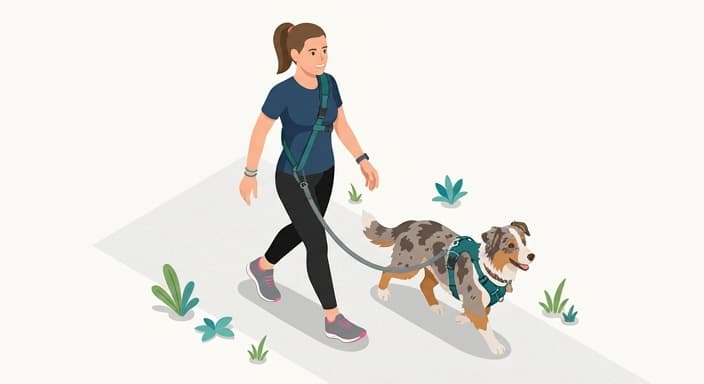
A hands-free crossbody leash, by contrast, transfers the dog’s movement to your center of gravity—your core. When the leash is worn across the torso, the weight is distributed across your hips and shoulders rather than a single joint. From a veterinary perspective, this isn't just about human comfort; it is about safety. When your hands are free, you have better balance, quicker reaction times to navigate obstacles, and the ability to maintain a natural, fluid gait. This allows your dog to pick up on your body language more effectively, reducing the "leash tension" that often turns a relaxing stroll into a stressful tugging match.
Enhancing the Human-Canine Bond Through Synchronicity
Walking is the primary language we share with our dogs. When we are tethered by a short, hand-held leash, we often inadvertently create a "tension loop"—the dog feels our anxiety or frustration through the taut line, and we, in turn, feel their restlessness. A crossbody system promotes a more rhythmic, predictable flow of movement. Because the leash is securely attached to your torso, the dog becomes an extension of your stride rather than an independent object pulling at your arm.
This synchronization encourages "heeling" behavior without the need for constant verbal correction. As you adjust your pace, the leash naturally responds to your hip movement, teaching the dog to match your rhythm. For owners of dogs with mild leash reactivity or those prone to pulling, this change in equipment can be transformative. By removing the "hand-to-leash" connection, you eliminate the temptation to constantly yank or "correct" the dog, which often only serves to heighten their arousal levels. Instead, you create a calm, supportive environment where the dog learns that staying close to your side is the most comfortable and rewarding place to be.
Safety Considerations for the Modern Pet Parent
While the benefits are numerous, transitioning to a hands-free system requires a baseline of training and a clear understanding of safety protocols. As a veterinarian, I often see pet parents jump into new gear without assessing whether their dog is ready for the change in leverage. If you have a large, powerful breed or a dog that is highly reactive to stimuli, a hands-free leash should never be the only piece of equipment in your training arsenal.
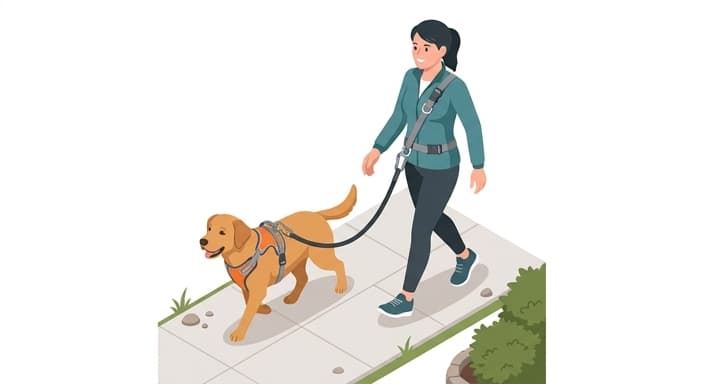
Always pair your crossbody leash with a front-clip harness. Using a collar with a hands-free system is generally not recommended; if your dog were to suddenly bolt or lunge, the pressure exerted on their neck could cause tracheal damage or discomfort. A front-clip harness provides you with mechanical leverage to gently turn the dog back toward you if they become over-stimulated. Additionally, ensure your leash features a "quick-release" mechanism. In an emergency—such as a collision with another dog or a fall on an icy path—you need the ability to detach yourself from the tether instantly. Never assume that a hands-free leash replaces the need for active engagement; you must remain mentally present and scanning your environment at all times.
Selecting the Right Gear for Your Lifestyle
Not all hands-free leashes are created equal, and the "best" one depends entirely on your specific lifestyle. For the urban dweller navigating tight sidewalks and crowded crosswalks, a shorter, bungee-style leash is ideal. The bungee component acts as a shock absorber, softening the impact of a sudden stop or start, which protects both the dog's spine and your own lower back.
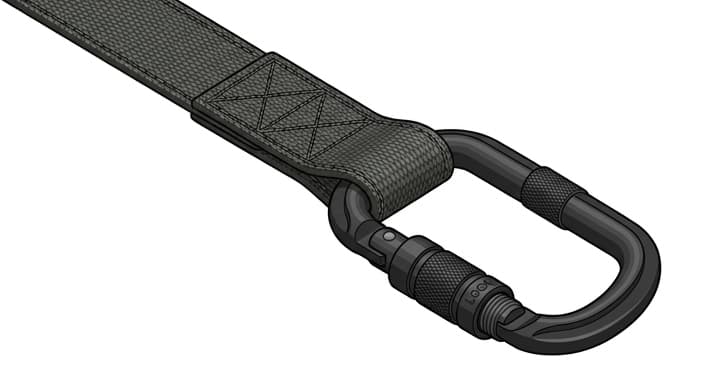
If you are an avid hiker or trail runner, look for a system that includes a waist belt with multiple attachment points. This allows for more freedom of movement and prevents the leash from tangling around your legs during high-intensity activity. Pay close attention to the hardware—locking carabiners are a must for safety, ensuring that the leash cannot accidentally unclip during a vigorous outing. You should also consider the material; while nylon is durable, a biothane or waterproof-coated webbing is superior for rainy climates or muddy trails, as it doesn't absorb odors or moisture, making it much easier to clean and maintain over the long term.
Training Tips for a Seamless Transition
If you have spent years walking your dog with a standard leash, don't expect them—or yourself—to master the crossbody system in a single afternoon. Start by practicing in a low-distraction environment, such as your backyard or a quiet hallway. Put on your leash system without the dog attached, and walk around to get used to the feeling of the weight on your torso. Once you are comfortable, attach your dog and keep the sessions short, focusing on rewarding them for maintaining a loose leash.
Use a high-value treat to reinforce the position you want them to occupy—usually right by your hip. If your dog tries to wander or pull, simply stop moving. By becoming a "tree," you teach your dog that the leash only provides the freedom to move forward when there is no tension. As they learn that the hands-free system is a partnership, you will notice a significant decrease in pulling behaviors. Remember that this is a tool for connection, not just convenience. Use the extra freedom to interact with your environment, point out interesting scents, and reward your dog for checking in with you throughout the walk.
Prioritizing Wellness Through Movement
Ultimately, the goal of adopting a hands-free crossbody leash is to enhance the quality of the time you spend with your companion. When we remove the physical barriers to exercise—the shoulder fatigue, the tangled hands, the mechanical strain—we are far more likely to embrace longer, more consistent walks. For your dog, this means more time exploring, more mental stimulation, and a deeper sense of security. For you, it means a healthier, more ergonomic way to bond with your pet. By choosing the right equipment and committing to patient, positive reinforcement training, you can turn every walk into a seamless, joyful extension of your daily life, effectively bridging the gap between a routine task and a rewarding, shared experience.
Common Questions
🤔
Frequently Asked Questions
What are the main benefits of a hands-free crossbody leash?▼
The hands-free design shifts weight to the core, improving balance and reducing joint strain in the wrists, elbows, and shoulders. It frees your hands for tasks and helps the dog stay closer by aligning with your body cues. This setup often reduces leash tension and promotes a calmer, more controlled walk.
How does it influence behavior and training?▼
Removing hand-to-leash tension lets dogs sense a calm, steady pace and align with your rhythm, which can support smoother heeling without constant corrections. It can lower arousal in reactive dogs by reducing the pull-ping tug dynamics that fuel frustration. Overall, it encourages proximity and communication through body language rather than verbal commands.
What safety considerations should I keep in mind?▼
This gear should not be the sole solution for large or highly reactive dogs; it requires training and safety precautions. Always pair the crossbody leash with a front-clip harness and ensure proper fit. Start slowly, monitor for signs of discomfort or fatigue, and adjust as needed.
How should I integrate it with other gear and training?▼
Pair the crossbody leash with a front-clip harness and use positive reinforcement as your dog learns to stay close. Introduce the system gradually and tailor it to your dog’s size, breed, and reactivity. If unsure, consult a veterinarian or certified trainer for guidance.