Blog4/16/2026
Hands-Free Crossbody Dog Leads: Benefits for Walks
6 mins Read
The Briefing
Quick takeaways for the curious
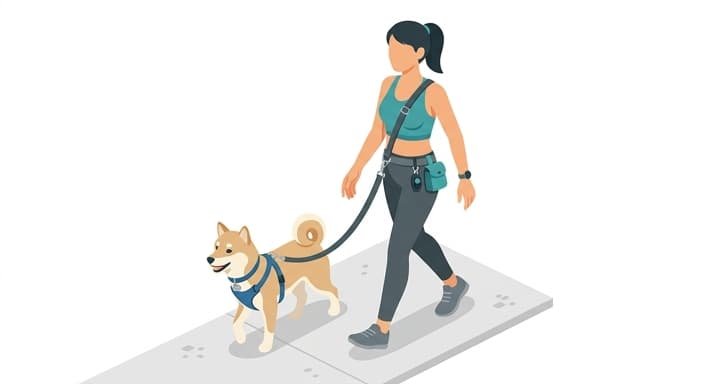
Hands-free crossbody leads shift the connection point from the wrist to the body's center of gravity, turning a tug of war into a synchronized partnership.
They support better posture and balance by allowing a natural arm swing and reducing chronic leash related pain in the shoulders and lower back.
With hands free, you can reward, cue, and respond through body language and quick tactile or treat based reinforcement without fumbling with a leash.
For safety and ergonomics, choose a bungee style lead for large or high energy breeds to absorb shock and protect joints, and ensure quick release for instant detachment.
The hands-free approach fosters a collaborative walking experience that enhances communication, training, and overall harmony between you and your dog.
There is a persistent, outdated myth in the modern pet care community that walking a dog is a one-dimensional, hand-holding chore that requires constant physical restraint and a rigid, tethered connection. As a veterinarian consultant, I frequently speak with active pet parents who believe that the traditional handheld leash is the only way to maintain control, failing to realize that this classic method often creates unnecessary physical tension for both the human and the canine, while limiting our ability to engage fully with the world around us. We are finally moving toward a more sophisticated, ergonomic standard of canine management that leverages hands-free crossbody leads not as a mere convenience, but as an essential tool for improved posture, responsive handling, and a more harmonious, synchronized walking experience.
The Philosophy of Unified Movement
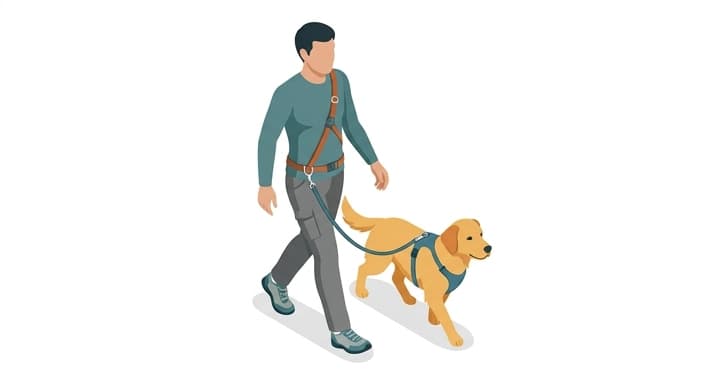
To understand why the hands-free crossbody leash is a paradigm shift for outdoor exercise, we must move past the idea that "control" is defined by how tightly we grip a nylon handle. At its core, the hands-free movement is about shifting the point of connection from the wrist—a fragile joint susceptible to repetitive strain—to the core of the human body, where our center of gravity is strongest. For the average dog, a walk should be a collaborative exploration rather than a tug-of-war. When we tether our dogs to our hips or across our chests, we effectively synchronize our gait with theirs, turning a potentially chaotic walk into a fluid, rhythmic partnership.
From a veterinary perspective, the physical benefits are immediate. Hands-free leads allow for a more natural arm swing, which is vital for maintaining balance and proper posture during long walks or light jogs. When you aren't fighting to keep your arm extended or tucked, you are less likely to develop the chronic "leash shoulder" or lower back pain that plagues many owners of strong-pulling or reactive dogs. By using the body’s natural frame to absorb the shock of a sudden movement, you create a safer, more stable anchor that helps keep your dog grounded and focused.
Enhancing Human-Canine Communication
Many pet parents worry that moving to a hands-free system will result in a loss of control, but the opposite is often true. Because the leash is connected to your center, your dog is constantly aware of your body position, body language, and subtle shifts in momentum. This fosters a deeper, more intuitive connection that handheld leashes often mask.
When your hands are free, you are better equipped to utilize positive reinforcement techniques. You can reach into a treat pouch, use a clicker, or provide a tactile reward (like a quick pat or a scratch behind the ears) without having to fumble with a leash loop or potentially drop the handle. This fluidity is essential for training; being able to mark and reward a "check-in" or a calm behavior in real-time is the key to building a well-mannered companion. Furthermore, when your hands are available, you can signal turns or stops through subtle shifts in your torso, creating a silent, non-verbal dialogue that strengthens the bond between you and your pet.
Safety and Ergonomics for Every Breed
One of the most common questions I receive in the clinic involves the safety of hands-free leads for different sizes and temperaments. While these leads are revolutionary, they require a thoughtful approach to equipment selection. For larger, high-energy breeds, a bungee-style lead is non-negotiable. The integrated shock absorption of a bungee system prevents the sudden, jarring impact that can occur if your dog spots a squirrel or a sudden distraction. This protection is vital not just for your own joints, but for the dog’s neck and spine as well.
It is also important to consider the "quick-release" functionality. A high-quality hands-free system should always feature an accessible clip or buckle that allows you to detach the lead instantly in the event of an emergency. From a professional standpoint, I always advise clients to pair their crossbody system with a front-clip harness. This configuration prevents the "sled dog" effect—where a dog pulls from the back, engaging their strongest muscle groups—and instead gently redirects their attention back to you when they pull. By combining the ergonomic freedom of the hands-free lead with the mechanical advantage of a front-clip harness, you create a system that is both comfortable and highly manageable, regardless of the dog’s size or enthusiasm.
The Mental Health Benefits of Active Exploration
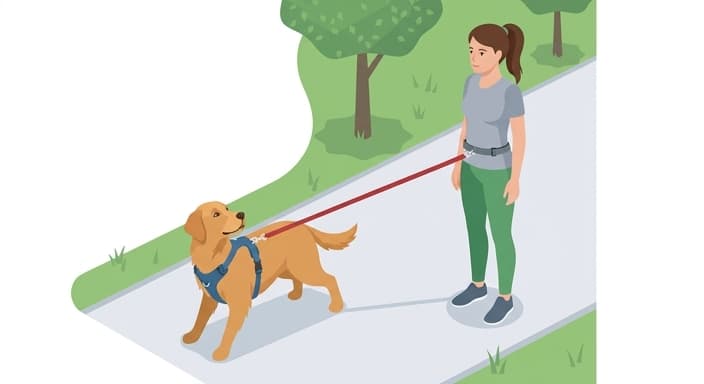
Beyond the physical mechanics, we must consider the mental enrichment these leads provide. When a pet parent feels comfortable and secure, they are more likely to extend their walks, explore new trails, and spend more time outdoors. Our dogs sense our stress; if we are physically uncomfortable or constantly anxious about losing our grip on the leash, our dogs often mirror that tension. By removing the physical burden of the handheld leash, you are inviting a more relaxed, present version of yourself to the walk.
This shift in attitude is transformative. A hands-free system encourages you to engage with your environment—to point out interesting scents to your dog, to handle a collapsible water bowl, or to pick up waste more efficiently. These small actions contribute to a more positive, rewarding experience that turns the "daily walk" from a chore into a shared adventure. When the act of walking becomes enjoyable for the human, the duration and quality of the exercise increase, which is one of the most effective ways to manage canine obesity, boredom-induced behavioral issues, and anxiety.
Selecting the Right Gear for Your Lifestyle
As a veterinarian, I advocate for quality over quantity. When transitioning to a hands-free setup, look for gear that prioritizes durability and adjustability. The belt should be wide enough to distribute pressure evenly across your hips, preventing it from riding up or digging into your waist. The attachment point should ideally be able to slide or rotate, which allows the dog to move from side to side without tangling the leash around your legs.
Consider your specific activity level: are you looking for a leisurely morning stroll in the neighborhood, or are you training for a trail run with your canine companion? For light walking, a simple belt-and-leash combo is often sufficient. However, for more intensive activities, look for systems that include storage pouches for essentials like water, waste bags, and your phone. By keeping your pockets light and your hands empty, you are setting yourself up for a lifestyle that prioritizes your dog’s needs while maintaining your own comfort and mobility.
Ultimately, the goal of any pet care tool should be to foster a deeper, more seamless connection between human and animal. The hands-free crossbody lead is more than just a piece of equipment; it is a commitment to a more active, communicative, and enjoyable relationship with your dog. By moving away from the rigid, handheld constraints of the past and embracing an ergonomic, body-centered approach, we can turn every outing into a demonstration of the trust and synergy that defines the human-canine bond. Whether you are navigating a busy city park or hiking a quiet mountain trail, the freedom offered by these systems allows you to focus on what truly matters: the shared joy of discovery with your best friend.
Common Questions
🤔
Frequently Asked Questions
What are the primary benefits of hands-free crossbody dog leads?▼
The hands-free system shifts the point of connection from the wrist to the body's center, promoting synchronized movement rather than a tug of war. It encourages a natural arm swing, better posture, and reduces the risk of leash related shoulder and back pain. It also enables easier reinforcement and nonverbal communication through body language, while keeping your hands free for treats, clickers, or tactile rewards.
How does a hands-free system affect training and behavior?▼
With the leash connected to your center, your dog stays attuned to your body position and momentum, which strengthens intuitive communication. You can promptly reward calm or desirable behavior without fumbling for a leash. The system supports real time marking and reinforcing of checks and responses, fostering a well mannered companion.
What safety features should I look for in a hands-free lead?▼
Look for an integrated shock absorbing mechanism, such as a bungee lead, to prevent sudden jolts that can injure you or your dog. A quick release clip or buckle is essential for instant detachment in emergencies. Also ensure the system is appropriate for your dog size and temperaments and provides a secure, comfortable fit.
Are hands-free leads suitable for all breeds and temperaments?▼
Hands free leads can benefit many breeds, but larger or high energy dogs particularly benefit from a bungee style to absorb shocks. Equipment choice should be thoughtful, considering breed size, temperament, and typical distractions. Always prioritize safety features and proper fitting to maintain control without compromising comfort.