Blog5/23/2026
At-Home Pet Dental Care: Simple Daily Hygiene Tips
6 mins Read
The Briefing
Quick takeaways for the curious
A pet's bad breath is not normal and often signals chronic periodontal disease that can affect systemic health.
Oral health is the gateway to overall wellness, and home dental care is a crucial first line of defense.
Regular mechanical plaque removal, especially brushing, beats reliance on chews or sprays for preventing tartar.
Desensitization and gradual training are essential to establish a consistent at home dental routine.
Choosing evidence based products, such as VOHC approved items, helps ensure the product actually reduces plaque or tartar.
There is a pervasive misconception among many pet owners that dental disease is an inevitable, non-urgent consequence of aging, often overlooking the biological reality that the oral cavity is the primary gateway to systemic health and longevity. As a veterinarian consultant, I frequently see owners who view bad breath as a mere inconvenience, failing to realize that this "doggy breath" or "cat breath" is often the clinical manifestation of chronic inflammation, bacterial translocation, and a compromised immune system.
We are moving away from the outdated notion that professional cleanings are the only way to manage oral health, and toward a comprehensive understanding of "proactive dental hygiene," where our daily stewardship at home serves as the first line of defense against periodontal disease. True wellness for a companion animal is not just about keeping their teeth white; it is about recognizing that systemic health begins at the gumline and that consistent, at-home dental care is one of the most impactful ways to extend our pets' lives and enhance their quality of life.
The Periodontal Paradox: Why "Bad Breath" Isn’t Normal
The most dangerous myth in veterinary dentistry is that a pet’s breath should naturally smell foul. In reality, persistent halitosis is a hallmark of periodontal disease, a progressive condition characterized by the accumulation of plaque—a sticky, bacteria-laden film—that eventually hardens into tartar. Left unchecked, this bacteria migrates under the gumline, triggering an inflammatory response that destroys the periodontal ligament and bone supporting the teeth.
When this inflammation occurs, it doesn’t stay localized to the mouth. The oral cavity is highly vascular; every time your pet chews or swallows, bacteria from the infected gums can enter the bloodstream, potentially taxing the kidneys, liver, and heart. By understanding that the mouth is an ecosystem, we shift our perspective from "cleaning teeth" to "managing systemic inflammation." Addressing oral hygiene isn't just about avoiding a expensive trip to the clinic; it is about preventing the silent, chronic stress that systemic infection places on your pet's internal organs.
The Hierarchy of Dental Care: Establishing a Routine
Establishing a consistent dental routine is less about the "perfect" product and more about the consistency of the intervention. While there are countless dental chews and additives on the market, the gold standard remains mechanical removal of plaque—specifically through brushing. I often tell my clients that if you can accomplish thirty seconds of brushing three times a week, you will achieve exponentially better results than any water additive or "dental treat" currently available.
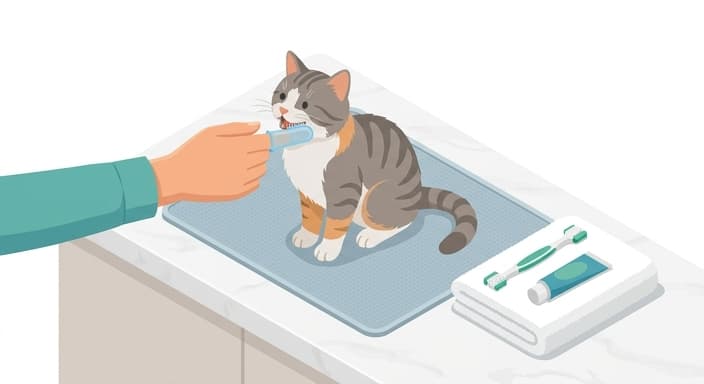
The key to success is desensitization. Never force a pet to accept a toothbrush on the first day. Start by simply letting your pet lick a veterinary-approved, poultry-flavored toothpaste off your finger. Once they associate the taste with a positive reward, gradually introduce a soft, silicone finger brush, then eventually a pet-specific toothbrush. Remember, your pet’s teeth are shaped differently than human teeth; focus your efforts on the outer surfaces of the molars and premolars, as these are the areas where plaque accumulates most aggressively due to the way saliva pools in the cheek pouch.
Decoding Dental Products: Science vs. Marketing
Walk into any pet supply store, and you are immediately bombarded by a wall of dental chews, sprays, and toys. As a veterinarian, I advise my clients to look for the VOHC (Veterinary Oral Health Council) seal. This independent body evaluates products based on rigorous, peer-reviewed studies to prove they actually reduce plaque or tartar, rather than just masking the smell of decay.
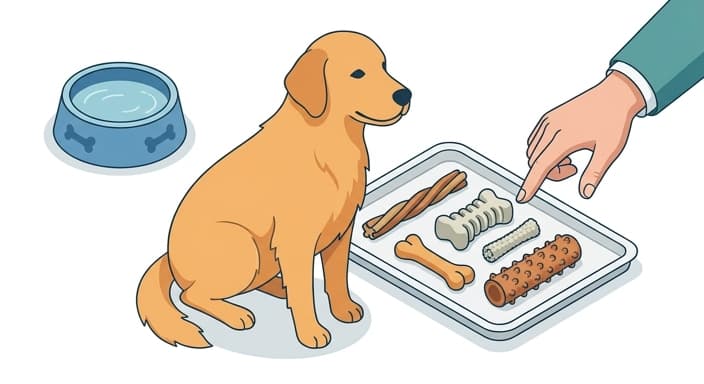
When selecting dental treats, consider the "crunch" factor. A treat that is too hard can result in slab fractures of the carnassial teeth, while a treat that is too soft offers no abrasive benefit. The ideal chew is one that allows the tooth to sink into the material, providing a mechanical "scrubbing" action that disrupts the biofilm. Similarly, be wary of water additives that claim to clean teeth; while they may help balance the oral microbiome, they cannot replace the mechanical abrasion required to remove existing tartar. Think of these products as supplemental boosters to your core brushing routine, not replacements for it.
Nutritional Synergy: The Role of Diet in Oral Health
While brushing is essential, we must also consider the role of nutrition in oral health. For many years, the industry leaned heavily into the idea that dry kibble "cleans" teeth, but current research suggests that most kibble shatters upon impact, failing to provide the cleaning effect once promised. Instead, we are looking at therapeutic dental diets that are formulated with larger, fibrous kibble shapes that force the pet to chew, effectively scrubbing the tooth surface before the food is swallowed.
Beyond kibble, providing appropriate, safe enrichment that encourages chewing can stimulate salivary flow. Saliva is your pet’s natural mouthwash, containing enzymes and buffers that help neutralize acids and prevent the rapid colonization of pathogenic bacteria. By providing high-quality, long-lasting chews—under supervision—you are not only providing mental stimulation but also increasing the duration of mechanical engagement with the teeth. Always ensure that the items you choose are not so abrasive that they wear down the enamel over time; if you can’t indent it with your own fingernail, it is likely too hard for your pet’s teeth.
The Veterinarian-Owner Partnership: Knowing When to Seek Help
Even with the most dedicated home-care routine, some pets are genetically predisposed to dental disease. Brachycephalic breeds (those with flat faces, like Pugs or Persians) are particularly prone to crowded teeth, which create "nooks and crannies" that are nearly impossible to clean manually. Recognizing the limits of at-home care is a hallmark of a responsible pet guardian.
Observe your pet for subtle signs of dental pain: dropping food while eating, a sudden preference for soft food, pawing at the mouth, or an unexplained reluctance to play with favorite toys. These are often signs that the disease has progressed beyond the surface and is affecting the nerve or the root. A yearly oral assessment by your veterinarian is non-negotiable. These exams allow for professional charting of gum pockets and, when necessary, intraoral radiographs. Radiographs are the only way to visualize what is happening beneath the gumline, where 60% of the tooth structure resides.
Ultimately, your home-care efforts are the bridge between professional cleanings. By adopting a proactive, evidence-based approach, you are not just cleaning teeth—you are safeguarding your pet’s cardiovascular, hepatic, and renal health. A healthy mouth is a foundational pillar of vitality, ensuring that your companion spends less time in discomfort and more time enjoying the life you’ve worked so hard to provide. Through the simple, consistent act of brushing and informed product selection, you have the power to fundamentally alter your pet's long-term wellness trajectory.
Common Questions
🤔
Frequently Asked Questions
Why is bad breath a red flag in pets?▼
Persistent halitosis indicates underlying periodontal disease and chronic systemic inflammation. Plaque accumulates and tartar forms, allowing bacteria to migrate under the gumline. This bacterial activity can enter the bloodstream and tax organs such as the kidneys, liver, and heart over time. Addressing at home hygiene reduces ongoing inflammatory stress and protects overall health.
How can I start an at home dental care routine for my pet?▼
Begin with desensitization: let your pet taste a veterinary approved, poultry flavored toothpaste by licking it from your finger. Progress to a soft silicone finger brush, then a pet toothbrush. Aim for about 30 seconds of brushing, three times a week, focusing on outer surfaces of molars and premolars. Consistency matters more than chasing the perfect tool.
What should I look for when choosing dental products?▼
Look for the VOHC seal, which indicates products proven to reduce plaque or tartar in peer reviewed studies. Prefer products that actually address plaque control rather than just masking odor. Be mindful of the crunch factor: too hard can fracture teeth, too soft may not clean effectively. Avoid products that lack veterinary approval or evidence of effectiveness.
Why is the mouth considered the gateway to systemic health?▼
Oral inflammation allows bacteria to enter the bloodstream and affect organs such as the kidneys, liver, and heart. The mouth is highly vascular, so consistent dental care helps minimize chronic systemic stress. Proactive at home care can extend your pet's life and improve quality of life by reducing disease burden. In short, dental hygiene is a key component of overall wellness.