Blog5/24/2026
Sustainable Eco-Friendly Dog Toys for Conscious Owners
6 mins Read
The Briefing
Quick takeaways for the curious
The canine toy market often relies on non-recyclable plastics that contribute to microplastics and environmental harm, so choosing durable, non-toxic options helps protect pets and ecosystems.
The common 'chew-and-toss' culture exposes dogs to chemicals in cheap toys and creates waste that strains landfills and water systems.
Natural materials like natural rubber, organic hemp, and untreated wood align with canine physiology, are more durable, biodegradable, and reduce chemical exposure.
Durability is a core sustainability principle; high-quality toys withstand vigorous play and reduce the need for frequent replacements.
Sustainable toy choices require conscious consumption and ethical sourcing, ensuring materials are plant-based, non-toxic, and designed to support both dog health and environmental stewardship.
There is a pervasive misconception among many pet owners that the canine toy industry is a benign cycle of purchase, play, and replace, often overlooking the biological and environmental reality that mass-produced synthetic toys are frequently crafted from non-recyclable plastics that contribute significantly to microplastic pollution. As a veterinarian consultant, I frequently see owners who prioritize novelty over durability and safety, failing to realize that the "squeaky toy" cycle—where inexpensive items are discarded as soon as they are shredded—is not only taxing on our planet but often introduces unnecessary chemical additives into our pets' oral environments.
We are moving away from the outdated notion that pet ownership must be an ecologically expensive endeavor, and toward a comprehensive understanding of "conscious consumption," where our choices in playtime materials prioritize both the longevity of our planet and the physical safety of our dogs. True wellness for a companion animal is not just about physical health or premium nutrition; it is about recognizing that the items our dogs chew, carry, and sleep with are an extension of their environmental health, and that sustainable stewardship is one of the most impactful ways to align our love for our pets with our responsibility toward the natural world.
The Hidden Cost of the "Chew-and-Toss" Culture
The most dangerous myth in the pet toy market is that plastic-based toys are a necessity for modern dogs. In reality, the synthetic rubbers, polyvinyl chloride (PVC), and phthalate-laden plastics found in many bargain-bin toys pose significant risks. From a clinical perspective, I often treat dogs for foreign body ingestions related to these materials, which are not only hazardous to their gastrointestinal tracts but are also notoriously difficult for the planet to break down. When a dog destroys a cheap, mass-produced toy, the micro-shards often end up in our landfills or, worse, our water systems.
Beyond the environmental impact, there is the issue of chemical exposure. Many standard plastic toys are not strictly regulated for the same safety standards as human infant toys, meaning our dogs—who explore the world primarily through their mouths—are at risk of leaching endocrine-disrupting chemicals during their daily play. By shifting our focus toward natural, non-toxic, and biodegradable materials, we reduce this chemical burden, fostering a healthier lifestyle that supports the dog’s endocrine and immune systems.
Natural Materials: Why Earth-Friendly Means Dog-Friendly
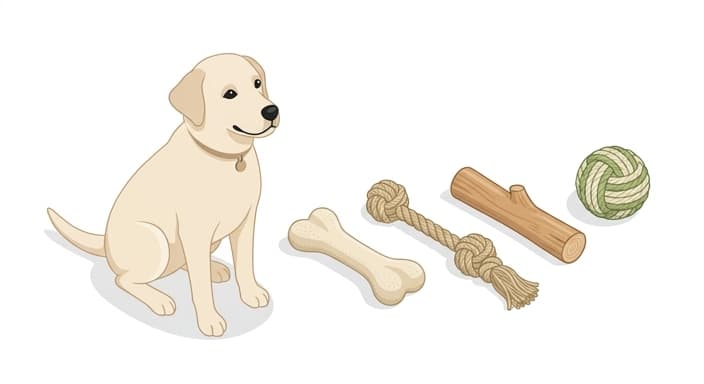
When we look for sustainable alternatives, we aren’t just "saving the planet"—we are returning to materials that align with canine physiology. Natural rubber, organic hemp, and untreated wood are not only biodegradable but also possess a texture that is more satisfying for a dog’s sensory needs. Natural rubber, for instance, harvested from the Hevea brasiliensis tree, is incredibly durable, renewable, and lacks the harsh chemical odors that often permeate synthetic alternatives.
Furthermore, hemp is a powerhouse material for dog toys. It is naturally antimicrobial, mold-resistant, and incredibly strong. Hemp rope toys, when sourced from organic, pesticide-free farms, provide the perfect texture for flossing teeth and satisfying the ancestral drive to tug and pull. Because these materials are plant-based, they don't break down into microplastics. If a piece is accidentally swallowed, it is far less likely to cause a toxic reaction compared to synthetic polymers, though, as always, close supervision is required to prevent large-scale ingestion.

The Lifecycle of a Sustainable Toy: Durability as Sustainability
A core tenet of sustainability is durability. The most eco-friendly toy is the one you don’t have to replace every month. As a veterinarian, I advocate for high-quality, long-lasting products that can withstand the "predatory motor pattern" of even the most vigorous chewers. Investing in a solid, ethically sourced natural rubber toy might cost more upfront than a multipack of cheap plastic squeakers, but it replaces dozens of individual purchases over the lifespan of your dog.
When selecting these items, look for transparency in the supply chain. Are the materials FSC-certified? Is the company a certified B-Corp? Does the manufacturer prioritize fair wages and reduced-carbon shipping? These factors define the "true cost" of a toy. By choosing companies that value longevity, we move away from the "fast-fashion" model of pet care and toward a circular economy where our dogs' joy doesn't come at the expense of global ecosystems.
Enrichment Without Waste: Natural Foraging Strategies
Sustainable play goes beyond just the physical object; it includes how we engage our dogs' brains. We often rely on plastic puzzle toys to keep our dogs occupied, but we can achieve the same—or better—results using natural, compostable materials. Foraging is an essential canine behavior that provides mental stimulation and emotional regulation. Instead of a plastic puzzle, consider using heavy-duty, natural canvas snuffle mats or even simple cardboard boxes filled with high-value treats and tucked into a hemp pouch.
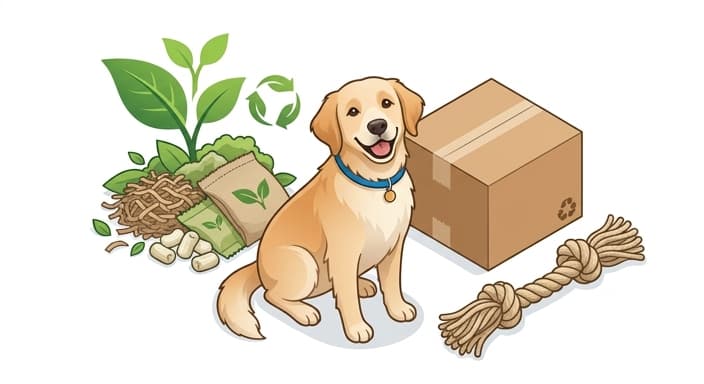
This approach mimics the natural hunt, providing the mental "exhaustion" that is essential for a well-behaved dog. By utilizing compostable materials, we eliminate the waste stream entirely. Once a cardboard box or a knotted cotton rope toy has served its purpose, it can be recycled or composted rather than sitting in a landfill for centuries. This shift in mindset transforms "playtime" into a holistic ritual that honors both our dog's wild ancestry and our commitment to a zero-waste lifestyle.
Implementing a Sustainable Play Strategy at Home
To begin transitioning your dog’s toy box, start by auditing what they currently use. If a toy is damaged, frayed, or missing chunks, it’s time to retire it. When replacing these items, follow the "Rule of Three": durability, material origin, and end-of-life plan. Ask yourself: Can this toy survive a month of daily play? Is it made from natural, non-toxic sources? Can it be composted or recycled at the end of its life?
Additionally, consider the "Toy Rotation" method. By having only a few high-quality, sustainable toys out at any given time and rotating them weekly, you keep the novelty high without needing to constantly purchase new items. This keeps your dog engaged while drastically reducing the number of toys you need to own. It is a simple, effective change that honors the health of your pet and the health of the planet.
Clinical Considerations for Safety and Hygiene
Even with the most eco-friendly toys, hygiene remains paramount. Natural materials like hemp and cotton are porous, which means they can harbor bacteria if they stay damp. As a veterinarian, I recommend a routine cleaning schedule for all toys. For natural rubber, a warm, soapy wash with a mild, fragrance-free detergent is usually sufficient. For hemp or cotton toys, these can often be tossed in the washing machine on a hot cycle to sanitize them.
Always be wary of "natural" claims that aren't backed by third-party testing. Some manufacturers use dyes that are not food-grade or non-toxic. When in doubt, reach out to the brand and ask for their material safety data sheets (MSDS). Being an informed consumer is the most powerful tool you have to ensure that your dog’s playtime is truly safe, sustainable, and satisfying.
Choosing sustainable, eco-friendly toys for your dog is a meaningful commitment that extends far beyond the living room. By prioritizing natural materials, investing in durability, and embracing the ethos of conscious consumption, we not only provide our companions with safer and more stimulating play experiences but also lighten the environmental load for future generations. As pet parents, our stewardship is defined by the small, daily choices we make; by opting for quality over quantity, we ensure that our dogs can continue to thrive in a world that is as healthy and vibrant as they are.
Common Questions
🤔
Frequently Asked Questions
What makes a dog toy sustainable and eco-friendly?▼
Sustainable dog toys are built from non-toxic, plant-based materials that minimize environmental impact, are durable to reduce frequent replacements, and are produced with ethical sourcing and low waste. Look for natural rubber, hemp, or untreated wood rather than PVC or phthalates. Brands that offer clear material disclosures and end-of-life options help you make responsible choices. A truly eco-friendly toy should be safe for daily chewing and easy to dispose of at the end of its life.
Are natural materials safe for dogs?▼
Generally yes when properly sourced and maintained. Natural rubber, hemp, and wood avoid common plastic additives, and many are antimicrobial or durable. However, no toy is risk-free; supervise to prevent choking or ingestion of large pieces, and choose appropriate sizes and textures for your dog's chewing style.
How can I assess durability and longevity of dog toys?▼
Check the material type and construction for stiffness and resistance to tearing. Look for reinforced seams, minimal small parts, and warranty or durability claims from the maker. Observe your dog's play style and replace toys that show shredding, cracking, or loose components. Durability reduces waste and ingestion risk over time.
What are practical tips to reduce plastic waste when shopping for dog toys?▼
Prioritize durable, natural-material toys and buy fewer, higher-quality items that last longer. Choose brands that clearly disclose materials and offer responsible end-of-life options, such as take-back or recycling programs. Rotate a small selection to maintain interest without creating a pile of waste from cheap, disposable toys. Dispose of worn toys responsibly and consider compostable or biodegradable options when available, following local guidelines.